What is an Endangered Species Survey?
An endangered species survey (often delivered as a desktop screening + field reconnaissance + species-specific protocol surveys when needed) is used to determine whether federally listed threatened/endangered species or designated critical habitat may be present in or near a project area—and whether the project may affect them.
In practice, most projects move through a tiered workflow:
- Project screening (species lists, critical habitat, prior records)
- Habitat assessment / site reconnaissance (is suitable habitat present?)
- Focused surveys (presence/absence or occupancy surveys during the correct season using accepted methods)
- Effects determination & documentation (supports permitting, NEPA, and consultation packages)
For many projects, the first formal step is generating an official species list and resources report using USFWS IPaC (Information for Planning and Consultation).
Request Your Threatened and Endangered Species Survey Today
Texas’ most trusted environmental experts – comprehensive by design.
When is Federal Consultation Required?
Federal consultation (ESA Section 7) is triggered when there is a federal nexus—meaning a project is authorized, funded, or carried out by a federal agency (or requires a federal permit).
Common real-world triggers for Texas projects include:
- USACE permits (e.g., Clean Water Act Section 404 dredge/fill)
- FHWA/TxDOT federally funded transportation work
- FEMA-funded repairs and hazard mitigation
- USDA/HUD/SBA financing
- Federal land actions (BLM, USFS, NPS, BOR)
- Offshore or coastal actions involving NMFS trust resources
If listed species or critical habitat may be affected, the action agency proceeds with consultation—often starting with informal consultation and escalating to formal consultation if needed.
ESE Partners’ Approach
At ESE Partners, we treat threatened & endangered species surveys and federal consultation support like transaction-critical due diligence, with clear scope, defensible methods, and documentation built for agency review. Clients value our fast screening process, which identifies likely species or habitat constraints early before design decisions are locked in. We develop survey strategies that match the applicable permit path, whether driven by USACE, a NEPA lead agency, or other agency expectations. Our team provides practical impact avoidance and minimization recommendations, such as buffers, timing windows, and micro-siting, to help reduce permitting risk and project disruption. With Texas execution at scale across Houston, Dallas–Fort Worth, Austin, San Antonio, rural areas, and linear corridors, ESE supports projects that need clear answers and defensible documentation.
Our Process (Survey + Consultation-Ready Deliverables)
- Define the federal nexus & permit/approval pathway: Identify action agency, likely “Services” (USFWS vs. NMFS), and consultation lane.
- Run IPaC + resource screening: Generate an official species list/resources and flag critical habitat concerns.
- Habitat assessment & constraints mapping: Desktop + field reconnaissance to confirm habitat suitability and refine survey needs.
- Species-specific protocol surveys (as required): Conduct presence/absence or other required survey types in appropriate seasonal windows (methods depend on species and region).
- Effects analysis + draft determination language: Support “no effect / may affect, not likely to adversely affect / likely to adversely affect” determinations (as applicable) and compile a consultation-ready package.
- Agency coordination support: Provide the materials federal agencies need for their Section 7 coordination with USFWS/NMFS.
Regulatory Framework (What Governs the Work)
Key federal drivers for threatened & endangered species surveys and federal consultation include Endangered Species Act (ESA) Section 7, which requires federal agencies to consult with USFWS or NMFS to ensure their actions do not jeopardize listed species or adversely modify designated critical habitat. Section 7 consultation procedures are implemented through 50 CFR Part 402, which is commonly referenced in federal rulemakings and consultation materials. USFWS IPaC is also widely used as a project screening tool to generate species lists and related planning resources that help identify potential species constraints early in project planning.
Risks of Skipping Threatened and Endangered Species Surveys (or Doing Them Late)
For developers, lenders, and infrastructure owners, the biggest risks aren’t theoretical—they show up as schedule hits and permit uncertainty:
- Permitting delays when agencies request surveys late in review
- Seasonal timing conflicts (miss a survey window → lose months)
- Design rework when habitat/species constraints are found after engineering is complete
- Increased scrutiny during NEPA/USACE review when documentation is incomplete
- Enforcement exposure if listed species are impacted without the right authorizations (especially where a federal nexus exists)
More Natural Resources Services

Protected Species and Wildlife
ESE Partners provides a wide range of protected species and other wildlife-related services to our clients. ESE’s seasoned Biologists are permitted to conduct presence/absence surveys for federally endangered species and habitat assessments. We have conducted acoustic monitoring and analysis in multiple states for a wide variety of bat and herpetological species. We provide natural resource assessments and federal and state regulatory consultation services as required by our clients’ projects.

Regulatory and Planning Documentation
ESE is experienced with a variety of reporting and field investigations required under the National Environmental Policy Act (NEPA) including Environmental Assessments and Categorical Exclusions and other similar studies requested by our clients. ESE conducts Critical Issues Analyses and Site Characterization Studies for a variety of clients, but primarily for proposed renewable energy development. ESE is experienced with studies required by municipalities, including but not limited to, Environmental Resource Inventories required by the City of Austin.
Industries We Serve
ESE operates in a wide range of industries, all with unique needs and regulatory obligations. We offer experts who understand the broad complexity of environmental challenges faced by today’s businesses.

Real Estate Brokers & Developers
ESE helps brokers and developers reduce deal friction and avoid surprises through fast, defensible environmental due diligence. We support property evaluations, redevelopment risk screening, and transaction-ready reporting for Texas assets.

Private Equity/Capital Investors
Transaction support for acquisitions and portfolio oversight, including Phase I/II ESAs and risk-based evaluation. We provide clear findings, practical recommendations, and scalable diligence support.

Financial Institutions
ESE supports lender-driven environmental due diligence and portfolio risk management, including Phase I/II ESAs and risk screening. We deliver consistent, defensible reporting aligned with credit and closing timelines.

Attorneys
Technical support for environmental risk, liability evaluation, and regulatory strategy. We provide clear documentation and expert collaboration to support transactions, compliance matters, and remediation planning.
Why ESE Partners
Texas’ Most Trusted Environmental Experts – Comprehensive by Design
When you hire ESE Partners, you are not just hiring a “biology sub”; you are hiring a due diligence and permitting partner who can integrate biology into the bigger deal and permitting picture. Our end-to-end environmental support spans due diligence, permitting, compliance, remediation, and building sciences, helping clients manage related project risks through one coordinated team. We prepare consultation-ready documentation built for agency reviewers, not just internal memos, so findings can support permitting and decision-making. ESE’s responsive teams understand real deal pressures, including site acquisition, lender timelines, and EPC schedules. With statewide scalability for portfolios, linear corridors, and multi-site programs, we help clients evaluate protected species constraints without losing sight of the broader project path.
Need threatened & endangered species surveys or Section 7 consultation support to keep a permit or closing on track?
Contact ESE Partners today—we’ll confirm your federal nexus, define the right survey scope, and deliver a consultation-ready package that keeps your project moving.
Our Natural Resource Projects
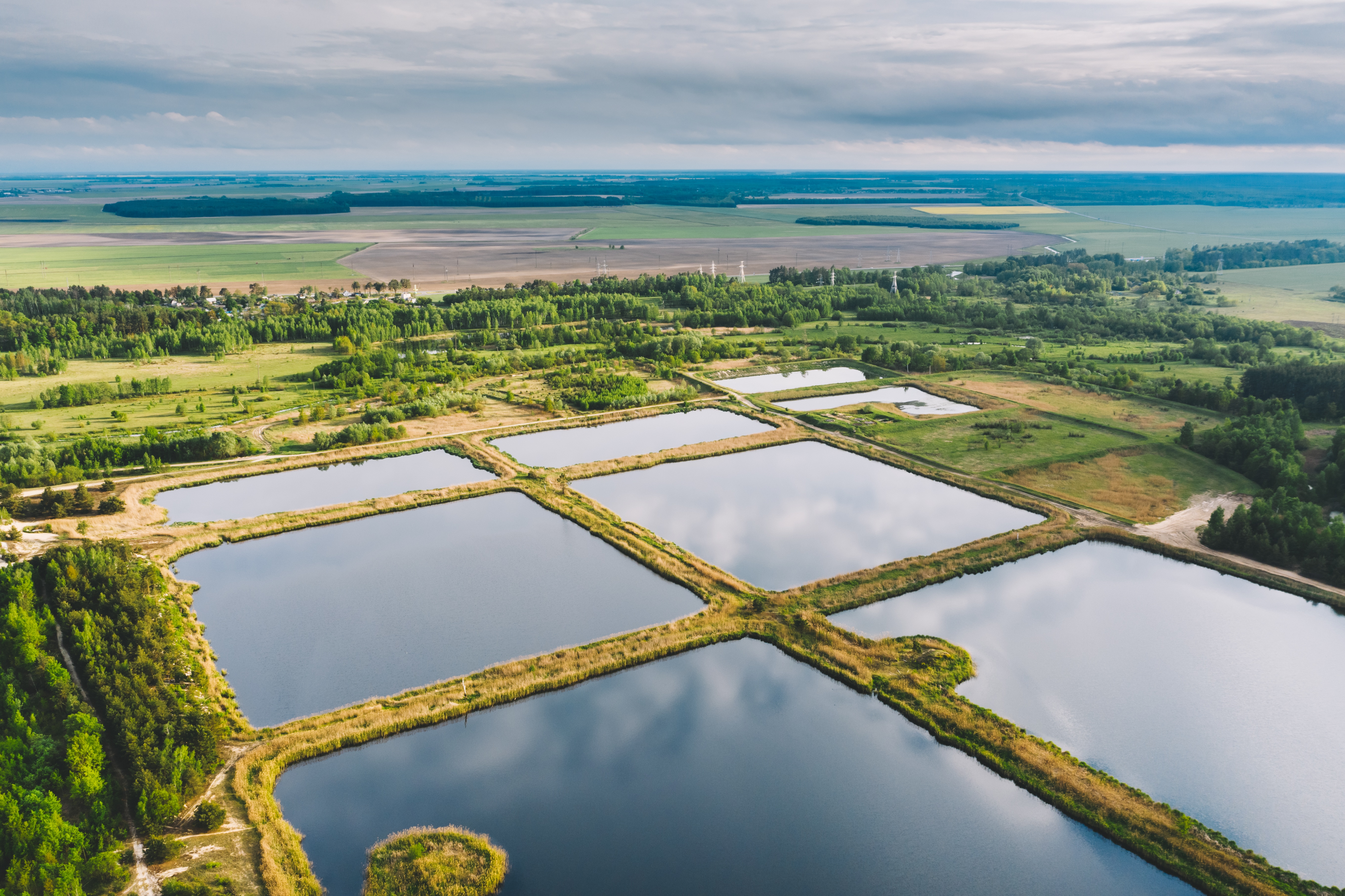
WOTUS Delineation for Proposed Stormwater Detention Improvements
ESE conducted a comprehensive Water Resources Evaluation for an approximately 102-acre tract to support planned stormwater detention improvements and assess potential impacts to Waters of the United States under Section 404 of the Clean Water Act.
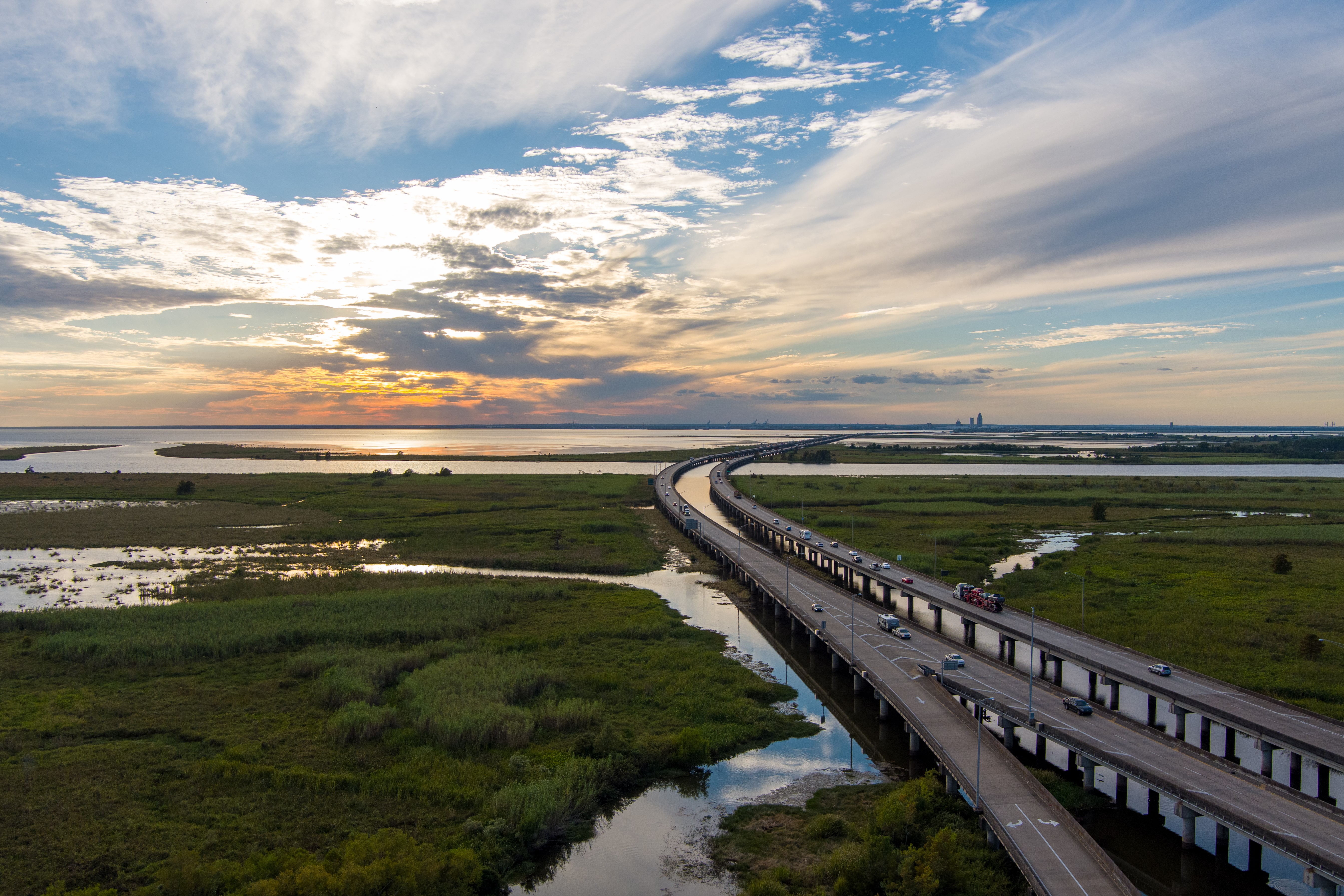
Comprehensive Water Resources Evaluation for Linear Transportation Corridor
ESE conducted a comprehensive Wetland and Waters of the United States evaluation along an approximately 16-mile coastal transportation corridor in South Texas to support ongoing infrastructure planning and regulatory coordination.
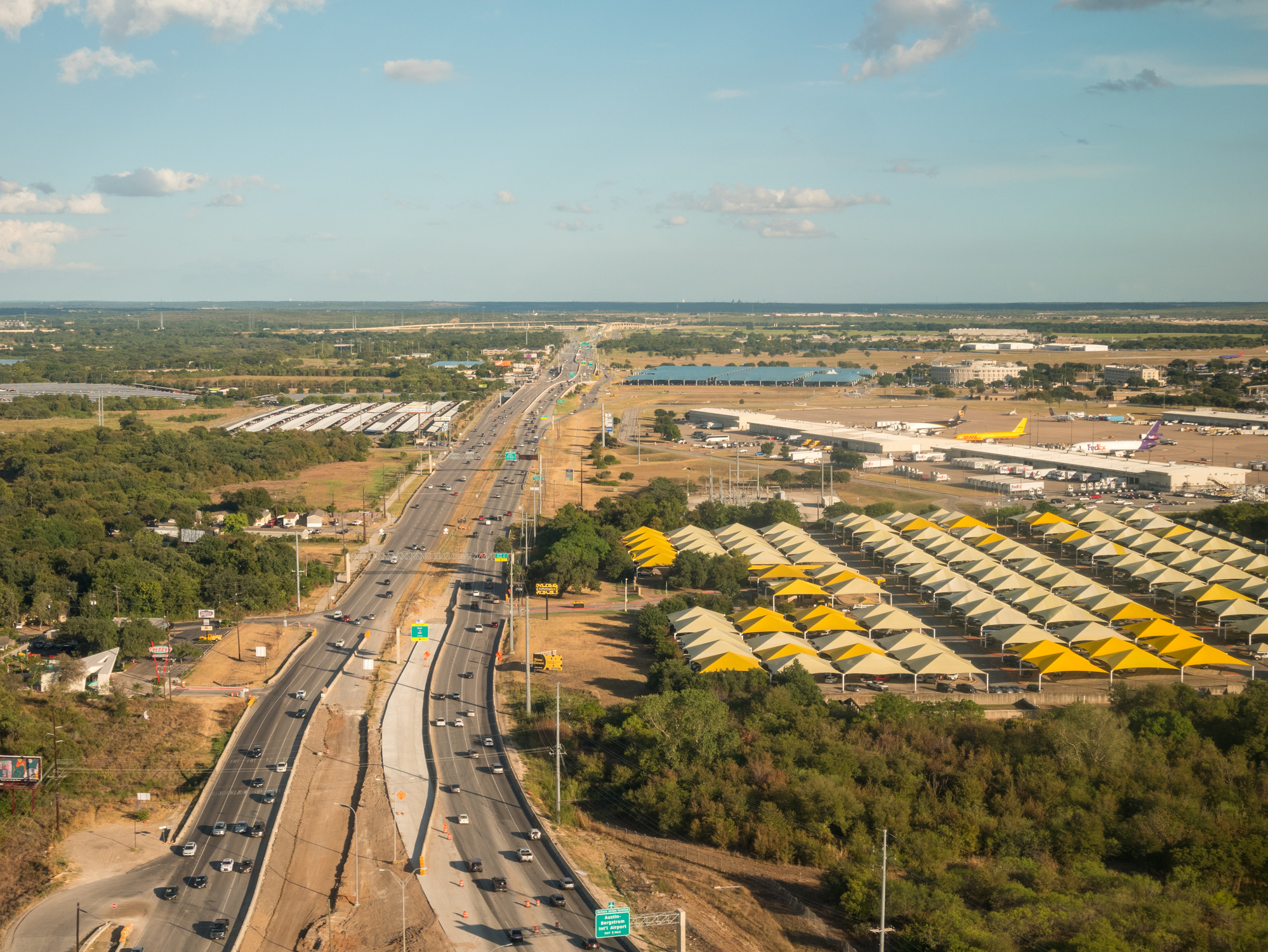
City of Austin ERI
ESE prepared a City of Austin Environmental Resources Inventory (ERI) to fulfill City of Austin requirements and support the project’s planning and development for regional airport parking.
Frequently Asked Questions About Threatened and Endangered Species Surveys
What is an endangered species survey, and how does it work?
An endangered species survey (often delivered as a desktop screening plus field reconnaissance plus species-specific protocol surveys when needed) is used to determine whether federally listed threatened/endangered species or designated critical habitat may be present in or near a project area — and whether the project may affect them. In practice, most projects move through a tiered workflow: project screening (species lists, critical habitat, prior records), habitat assessment/site reconnaissance (is suitable habitat present?), focused surveys (presence/absence or occupancy surveys during the correct season using accepted methods), and effects determination and documentation (supporting permitting, NEPA, and consultation packages). For many projects, the first formal step is generating an official species list and resources report using USFWS IPaC (Information for Planning and Consultation).
When is federal (Section 7) consultation required?
Federal consultation (ESA Section 7) is triggered when there is a federal nexus — meaning a project is authorized, funded, or carried out by a federal agency (or requires a federal permit). Under ESA Section 7, federal agencies must consult with USFWS and/or NMFS to ensure their actions are not likely to jeopardize listed species or adversely modify designated critical habitat. Common real-world triggers for Texas projects include USACE permits (e.g., Clean Water Act Section 404 dredge/fill), FHWA/TxDOT federally funded transportation work, FEMA-funded repairs and hazard mitigation, USDA/HUD/SBA financing, federal land actions (BLM, USFS, NPS, BOR), and offshore or coastal actions involving NMFS trust resources. If listed species or critical habitat may be affected, the action agency proceeds with consultation — often starting with informal consultation and escalating to formal consultation if needed.
What are the risks of skipping endangered species surveys or doing them late?
For developers, lenders, and infrastructure owners, the biggest risks show up as schedule hits and permit uncertainty, including permitting delays when agencies request surveys late in review, seasonal timing conflicts (miss a survey window → lose months), design rework when habitat/species constraints are found after engineering is complete, increased scrutiny during NEPA/USACE review when documentation is incomplete, and enforcement exposure if listed species are impacted without the right authorizations (especially where a federal nexus exists).
What does ESE Partners' survey and consultation process look like?
ESE Partners treats endangered species surveys and federal consultation support like transaction-critical due diligence — with clear scope, defensible methods, and documentation built for agency review — using a fast screening process that identifies likely species or habitat constraints early before design decisions are locked in, survey strategies that match the applicable permit path, and practical impact avoidance and minimization recommendations (such as buffers, timing windows, and micro-siting). The process includes: defining the federal nexus and permit/approval pathway (identifying the action agency, likely “Services” — USFWS vs. NMFS, and consultation lane); running IPaC and resource screening (generating an official species list/resources and flagging critical habitat concerns); habitat assessment and constraints mapping (desktop plus field reconnaissance to confirm habitat suitability and refine survey needs); species-specific protocol surveys as required (presence/absence or other required survey types in appropriate seasonal windows); effects analysis and draft determination language (supporting “no effect / may affect, not likely to adversely affect / likely to adversely affect” determinations and compiling a consultation-ready package); and agency coordination support (providing the materials federal agencies need for their Section 7 coordination with USFWS/NMFS). The work is governed by ESA Section 7 and its implementing procedures under 50 CFR Part 402, with USFWS IPaC widely used as a project screening tool.