What Is a Section 404 CWA After-The-Fact Permit?
A Section 404 CWA After-The-Fact Permit is a permitting pathway used when dredged or fill material has already been discharged into waters of the United States—including jurisdictional wetlands—without prior authorization from the U.S. Army Corps of Engineers. Section 404 of the Clean Water Act regulates discharges of dredged or fill material into waters of the United States, including wetlands, and generally requires authorization before those discharges occur unless an exemption applies.
An after-the-fact permit does not automatically cure a violation or guarantee authorization. The Corps may require work to stop, request corrective measures, evaluate whether an after-the-fact application is appropriate, and require documentation, avoidance/minimization analysis, compensatory mitigation, or restoration depending on the facts.
For clients, the goal is clear: stabilize the regulatory situation, define the extent of impact, communicate credibly with the agencies, and move the project toward the most efficient defensible resolution.
Request Your Section 404 CWA After-The-Fact Permit Today
Texas’ most trusted environmental experts – comprehensive by design.
When Is It Required?
A Section 404 CWA After-The-Fact Permit may be needed when work has already occurred in or near potential jurisdictional waters, including:
- Fill placed in wetlands, streams, drainage channels, sloughs, bayous, creeks, or other aquatic features
- Unauthorized road crossings, culverts, pads, laydown yards, or utility crossings
- Site grading or mass earthwork that impacted wetlands or waters before a permit was obtained
- Pond, detention, channelization, or drainage improvements involving discharge of fill or excavation sidecasting
- Energy, pipeline, transmission, solar, industrial, or infrastructure projects with unpermitted aquatic resource impacts
- Commercial or residential development where wetlands or waters were identified after construction began
- Property acquisitions or refinancing where an environmental due diligence review identifies prior unauthorized impacts
- Corps, EPA, TCEQ, lender, buyer, attorney, or investor requests for documentation of compliance status
In Texas, these issues commonly arise on fast-moving development sites in Houston, Dallas-Fort Worth, Austin, San Antonio, the Gulf Coast, Central Texas, East Texas, and energy/infrastructure corridors statewide.
ESE Partners’ Approach
ESE Partners approaches Section 404 after-the-fact permitting with the urgency of an enforcement matter and the discipline of a technical permitting assignment. Our team begins with rapid fact-finding to determine what happened, where impacts occurred, and whether affected waters or wetlands may be jurisdictional. We support clear agency communication with the appropriate U.S. Army Corps of Engineers district and, where applicable, TCEQ, while preparing defensible wetland and stream documentation using field data, mapping, photographs, impact exhibits, and permit-ready narratives. ESE provides practical recommendations that avoid overcalling risk without understating regulatory exposure, and we help develop corrective-action plans when restoration, stabilization, mitigation, or revised construction practices are needed. With deal-focused execution, we support lenders, buyers, sellers, developers, and attorneys who need clear answers quickly. The Section 404 permitting framework emphasizes avoidance, minimization, and compensation for remaining unavoidable impacts, and individual permits are evaluated under public interest review and the EPA’s Section 404(b)(1) Guidelines.
Our Process
- Initial Review and Response Strategy: We review agency correspondence, construction records, site plans, grading limits, aerial imagery, prior delineations, and project history to understand the potential unauthorized activity.
- Site Assessment and Aquatic Resource Review: ESE evaluates wetlands, streams, drainage features, ordinary high water indicators, hydrology, soils, vegetation, and evidence of impact.
- Impact Mapping and Documentation: We prepare maps, tables, photographs, GIS exhibits, and quantities showing the location and acreage or linear footage of potential impacts.
- Jurisdictional and Permitting Pathway Evaluation: We assess whether the impacted feature may be regulated, whether a nationwide/general permit, individual permit, restoration-only pathway, or other resolution may apply.
- Agency Coordination: ESE supports communication with the Corps, TCEQ, project counsel, civil engineers, contractors, and owners to keep the response organized and technically credible.
- After-The-Fact Permit Package Preparation: We prepare or support the permit application, alternatives discussion, avoidance/minimization narrative, impact exhibits, mitigation plan, and supporting documentation.
- Corrective Measures and Mitigation Support: If required, ESE helps develop restoration plans, stabilization measures, compensatory mitigation strategies, monitoring documentation, and closeout support.
Regulatory Framework
Section 404 after-the-fact permitting may involve several overlapping regulatory requirements:
- Clean Water Act Section 404 – Regulates discharges of dredged or fill material into waters of the United States, including wetlands.
- U.S. Army Corps of Engineers Regulations – Corps regulations address unauthorized activities and after-the-fact permit processing under the regulatory program.
- EPA Section 404(b)(1) Guidelines — 40 CFR Part 230 – These are the substantive environmental criteria used to evaluate activities regulated under Section 404.
- Nationwide, Regional, or General Permits – General permits may be available for categories of activities with only minimal adverse environmental effects, provided all applicable conditions are satisfied.
- Individual Permits – Potentially significant impacts generally require individual permit review.
- Clean Water Act Section 401 Water Quality Certification – In Texas, TCEQ conducts Section 401 certification reviews for projects requiring Section 404 permits from the Corps, and federal permits that may result in a discharge generally require certification or waiver.
- Compensatory Mitigation Rule – Authorized impacts may require compensatory mitigation for lost aquatic resource functions and area.
Risks of Not Addressing Unauthorized Section 404 Impacts
Failing to address unpermitted impacts under Section 404 can create significant business and regulatory consequences, including construction delays, stop-work direction, and increased scrutiny from the U.S. Army Corps of Engineers, EPA, TCEQ, lenders, buyers, or investors. Unresolved impacts may also lead to corrective measures, restoration requirements, compensatory mitigation obligations, and higher permitting costs if documentation is incomplete or the response is delayed. For transactions, unpermitted impacts can create risk during acquisition, financing, refinancing, or sale, and may result in potential enforcement exposure tied to unauthorized discharges. Ignoring, minimizing, or poorly documenting impacts can also damage credibility with agencies and make resolution more difficult. The appropriate response depends heavily on site-specific facts, the nature and extent of impacts, jurisdictional status, and agency discretion.
More Natural Resources Services

Protected Species and Wildlife
ESE Partners provides a wide range of protected species and other wildlife-related services to our clients. ESE’s seasoned Biologists are permitted to conduct presence/absence surveys for federally endangered species and habitat assessments. We have conducted acoustic monitoring and analysis in multiple states for a wide variety of bat and herpetological species. We provide natural resource assessments and federal and state regulatory consultation services as required by our clients’ projects.

Regulatory and Planning Documentation
ESE is experienced with a variety of reporting and field investigations required under the National Environmental Policy Act (NEPA) including Environmental Assessments and Categorical Exclusions and other similar studies requested by our clients. ESE conducts Critical Issues Analyses and Site Characterization Studies for a variety of clients, but primarily for proposed renewable energy development. ESE is experienced with studies required by municipalities, including but not limited to, Environmental Resource Inventories required by the City of Austin.
Industries We Serve
ESE operates in a wide range of industries, all with unique needs and regulatory obligations. We offer experts who understand the broad complexity of environmental challenges faced by today’s businesses.

Real Estate Brokers & Developers
ESE helps brokers and developers reduce deal friction and avoid surprises through fast, defensible environmental due diligence. We support property evaluations, redevelopment risk screening, and transaction-ready reporting for Texas assets.

Private Equity/Capital Investors
Transaction support for acquisitions and portfolio oversight, including Phase I/II ESAs and risk-based evaluation. We provide clear findings, practical recommendations, and scalable diligence support.

Financial Institutions
ESE supports lender-driven environmental due diligence and portfolio risk management, including Phase I/II ESAs and risk screening. We deliver consistent, defensible reporting aligned with credit and closing timelines.

Attorneys
Technical support for environmental risk, liability evaluation, and regulatory strategy. We provide clear documentation and expert collaboration to support transactions, compliance matters, and remediation planning.
Why ESE Partners
ESE Partners is Texas’ Most Trusted Environmental Experts — Comprehensive by Design.
Clients choose ESE for Section 404 Clean Water Act after-the-fact permit support because we understand both the technical and business realities behind enforcement-sensitive projects. Our Texas-focused expertise spans wetlands, streams, coastal waters, floodplains, energy corridors, and development sites, with statewide responsiveness across Houston, Dallas-Fort Worth, Austin, San Antonio, the Gulf Coast, West Texas, and rural markets. ESE’s integrated service lines include natural resources, environmental due diligence, remediation, compliance, cultural resources, and building sciences, allowing clients to address related project risks through one coordinated team. We provide practical regulatory strategy focused on resolving issues rather than creating unnecessary obstacles, supported by experienced communication with agencies, attorneys, lenders, civil engineers, contractors, and owners. With scalable teams for single-site issues, portfolio reviews, infrastructure corridors, and large development programs, ESE helps clients move quickly from uncertainty to a defensible plan, whether the issue surfaced through a Corps inspection, buyer due diligence, lender review, construction observation, or agency notice.
Need help with a Section 404 CWA After-The-Fact Permit in Texas?
Contact ESE Partners today to keep your project moving, evaluate your regulatory exposure, and get a practical response strategy within 24 hours.
Our Natural Resource Projects
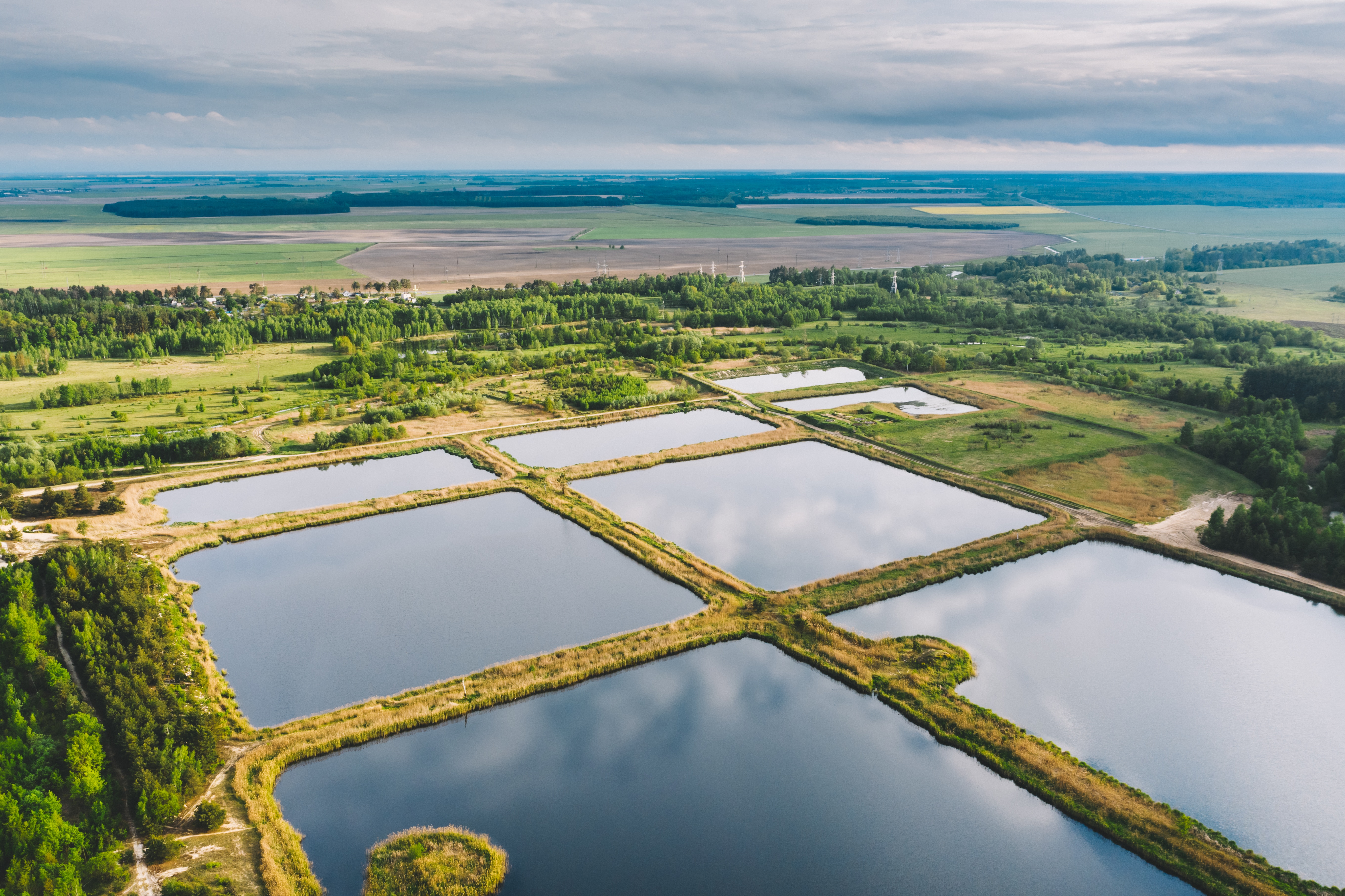
WOTUS Delineation for Proposed Stormwater Detention Improvements
ESE conducted a comprehensive Water Resources Evaluation for an approximately 102-acre tract to support planned stormwater detention improvements and assess potential impacts to Waters of the United States under Section 404 of the Clean Water Act.

Comprehensive Water Resources Evaluation for Linear Transportation Corridor
ESE conducted a comprehensive Wetland and Waters of the United States evaluation along an approximately 16-mile coastal transportation corridor in South Texas to support ongoing infrastructure planning and regulatory coordination.
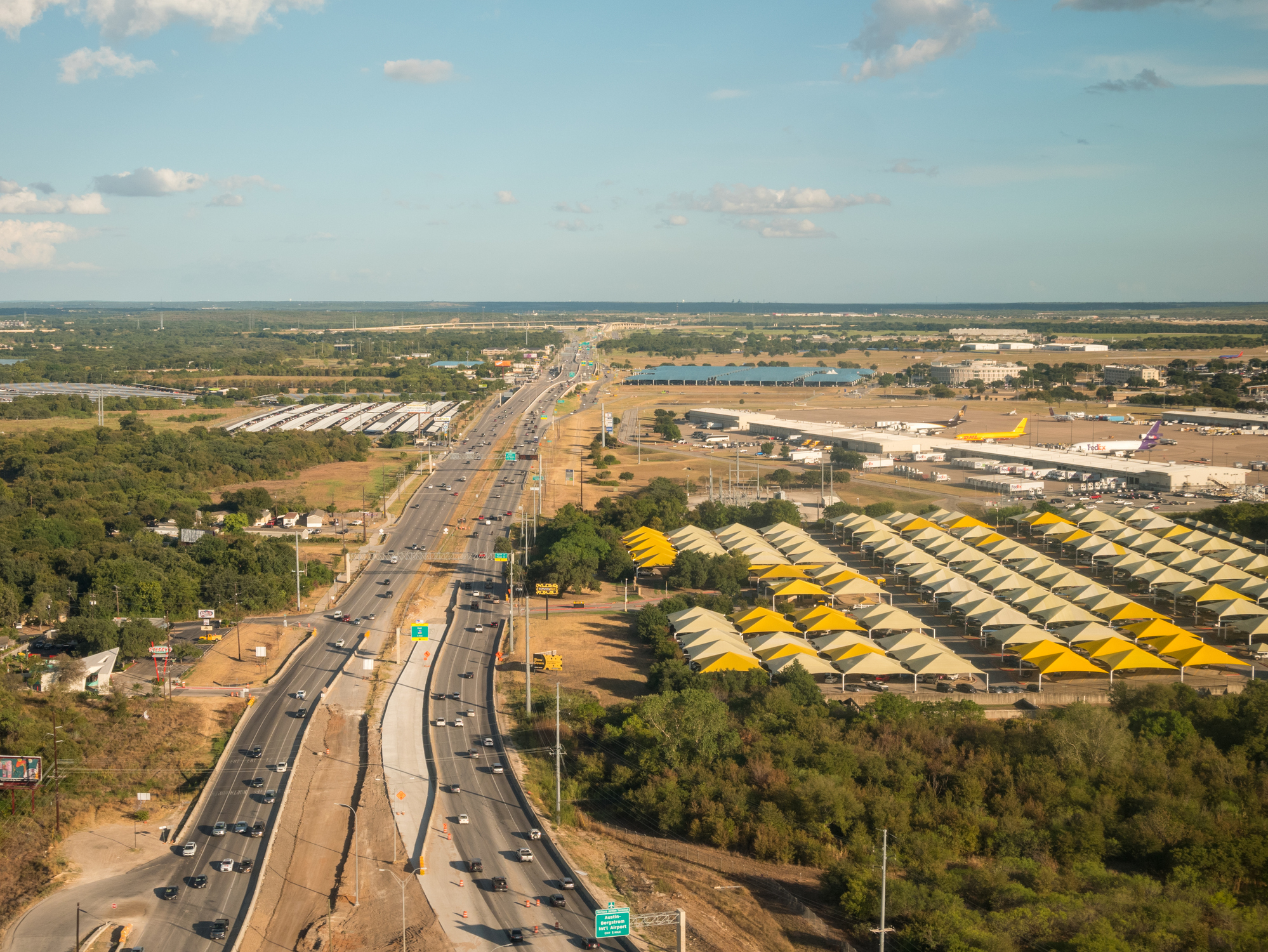
City of Austin ERI
ESE prepared a City of Austin Environmental Resources Inventory (ERI) to fulfill City of Austin requirements and support the project’s planning and development for regional airport parking.
Frequently Asked Questions About Section 404 CWA After-The-Fact Permits
What is a Section 404 CWA After-The-Fact Permit?
A Section 404 CWA After-The-Fact Permit is a permitting pathway used when dredged or fill material has already been discharged into waters of the United States — including jurisdictional wetlands — without prior authorization from the U.S. Army Corps of Engineers. Section 404 of the Clean Water Act regulates discharges of dredged or fill material into waters of the United States, including wetlands, and generally requires authorization before those discharges occur unless an exemption applies. Importantly, an after-the-fact permit does not automatically cure a violation or guarantee authorization — the Corps may require work to stop, request corrective measures, evaluate whether an after-the-fact application is appropriate, and require documentation, avoidance/minimization analysis, compensatory mitigation, or restoration depending on the facts. The goal is to stabilize the regulatory situation, define the extent of impact, communicate credibly with the agencies, and move the project toward the most efficient defensible resolution.
When might a Section 404 After-The-Fact Permit be needed?
A Section 404 CWA After-The-Fact Permit may be needed when work has already occurred in or near potential jurisdictional waters, including fill placed in wetlands, streams, drainage channels, sloughs, bayous, creeks, or other aquatic features; unauthorized road crossings, culverts, pads, laydown yards, or utility crossings; site grading or mass earthwork that impacted wetlands or waters before a permit was obtained; pond, detention, channelization, or drainage improvements involving discharge of fill or excavation sidecasting; energy, pipeline, transmission, solar, industrial, or infrastructure projects with unpermitted aquatic resource impacts; commercial or residential development where wetlands or waters were identified after construction began; property acquisitions or refinancing where an environmental due diligence review identifies prior unauthorized impacts; and Corps, EPA, TCEQ, lender, buyer, attorney, or investor requests for documentation of compliance status.
What are the risks of not addressing unauthorized Section 404 impacts?
Failing to address unpermitted impacts under Section 404 can create significant business and regulatory consequences, including construction delays, stop-work direction, and increased scrutiny from the U.S. Army Corps of Engineers, EPA, TCEQ, lenders, buyers, or investors. Unresolved impacts may also lead to corrective measures, restoration requirements, compensatory mitigation obligations, and higher permitting costs if documentation is incomplete or the response is delayed. For transactions, unpermitted impacts can create risk during acquisition, financing, refinancing, or sale, and may result in potential enforcement exposure tied to unauthorized discharges. Ignoring, minimizing, or poorly documenting impacts can also damage credibility with agencies and make resolution more difficult — and the appropriate response depends heavily on site-specific facts, the nature and extent of impacts, jurisdictional status, and agency discretion.
What does ESE Partners' after-the-fact permitting process look like?
ESE Partners approaches Section 404 after-the-fact permitting with the urgency of an enforcement matter and the discipline of a technical permitting assignment — beginning with rapid fact-finding, supporting clear agency communication, preparing defensible wetland and stream documentation, and providing practical recommendations that avoid overcalling risk without understating regulatory exposure. The process includes: initial review and response strategy (reviewing agency correspondence, construction records, site plans, grading limits, aerial imagery, prior delineations, and project history); site assessment and aquatic resource review (evaluating wetlands, streams, drainage features, ordinary high water indicators, hydrology, soils, vegetation, and evidence of impact); impact mapping and documentation (maps, tables, photographs, GIS exhibits, and quantities showing location and acreage or linear footage); jurisdictional and permitting pathway evaluation (assessing whether a nationwide/general permit, individual permit, restoration-only pathway, or other resolution may apply); agency coordination (with the Corps, TCEQ, project counsel, civil engineers, contractors, and owners); after-the-fact permit package preparation (permit application, alternatives discussion, avoidance/minimization narrative, impact exhibits, mitigation plan, and supporting documentation); and corrective measures and mitigation support (restoration plans, stabilization measures, compensatory mitigation strategies, monitoring documentation, and closeout support). The Section 404 framework emphasizes avoidance, minimization, and compensation for remaining unavoidable impacts, with individual permits evaluated under public interest review and the EPA’s Section 404(b)(1) Guidelines.