What Is 30 TAC §116.620?
30 TAC §116.620 is a TCEQ air Standard Permit (an NSR authorization mechanism) commonly referred to as the Oil & Gas Standard Permit. It provides a pre-established set of technical conditions and limits; eligible facilities can seek coverage by demonstrating they meet those conditions (typically via a registration/approval workflow).
It’s frequently used across Texas upstream and certain midstream operations as an alternative to (or alongside) Permit by Rule, depending on project specifics and constraints.
Request Your Standard Permits Services Today
Texas’ most trusted environmental experts – comprehensive by design.
When Is It Required (or the Best Fit)?
30 TAC §116.620 is commonly pursued when:
- You’re building/expanding an oil & gas site and need an NSR authorization that fits standardized requirements (instead of a case-by-case NSR permit).
- Permit by Rule (PBR) isn’t feasible due to project parameters or inability to meet all PBR conditions.
- Financing / transaction diligence (lenders, buyers, counsel) requires clear, defensible air authorization for construction and operation (especially for acquisitions or development timelines).
- Operational changes trigger NSR applicability and you need an authorization path with defined technical guardrails (e.g., changes in equipment counts, controls, or emissions).
ESE Partners’ Approach
ESE Partners helps clients use 30 TAC §116.620 strategically, moving fast enough to protect project schedules while providing the detail needed to prevent rework and reduce enforcement exposure. Our approach starts with eligibility-first screening to confirm whether §116.620 is the right authorization path or whether a Permit by Rule (PBR) or case-by-case New Source Review (NSR) permit is more appropriate. We also prepare deal-focused documentation that can stand up to lender, buyer, and regulatory scrutiny while staying aligned with TCEQ expectations. With Texas-specific practicality, ESE keeps requirements realistic and avoids unnecessary overcalling that can create added cost, confusion, or delay.
Our Process (How We Deliver Coverage)
- Site + project intake (equipment list, locations, operating scenarios, throughput, controls).
- Air applicability & path selection (PBR vs. §116.620 vs. other standard permits/case-by-case).
- Emissions + control evaluation (rule/permit condition alignment and documentation package).
- Registration preparation and submittal using TCEQ’s online system (where applicable).
- Agency coordination & responses (questions, revisions, technical clarifications).
- Final coverage support (recordkeeping plan, compliance roadmap, integration into LDAR/operations as needed).
Regulatory Framework
Key regulatory context for 30 TAC §116.620 typically includes the TCEQ New Source Review (NSR) Standard Permits program, including electronic submission expectations for standard permit registrations where applicable. For oil and gas projects, it is also important to consider the broader compliance context, since TCEQ regulates air emissions from oil and gas activities even though other operational aspects may fall under the Railroad Commission of Texas. In addition, many Texas air permitting rules are incorporated into the Texas State Implementation Plan (SIP) under the Clean Air Act, which can affect enforceability and create an important federal overlay for permitting and compliance decisions.
Risks of Not Completing This Service
Skipping or mishandling §116.620 coverage can create:
- Deal friction: lender/buyer counsel flags gaps in air authorization → schedule impact.
- Construction/expansion delays: if the chosen authorization path doesn’t fit the actual build.
- Compliance exposure: operating without the correct NSR authorization can drive enforcement risk and costly retrofits.
More Environmental Compliance Services

Air Compliance
As an environmental compliance company, ESE Partners provides numerous air compliance services to the oil & gas, energy, chemical, and manufacturing market sectors. Our air expertise includes air permitting (Permits by Rule, Standard Permits, New Source Review, Title V Permits), air dispersion modeling, onsite auditing and inspections, federal and state regulatory analysis, emissions inventory, GHG analysis, and deviation and periodic reporting.

Water Compliance
ESE’s water compliance capabilities include industrial and construction stormwater permitting, stormwater pollution prevention plan (SWPPP) preparation, SPCC planning, FRPs, RMPs, Tier II reporting, TRI reporting, AST/UST registration/permitting, wastewater permitting and reporting, onsite inspections and compliance audits, drinking water assessments, wetlands determinations, and water sourcing/acquisition planning. Our environmental compliance services keep your facilities in line with state and federal regulations.
Industries We Serve
ESE operates in a wide range of industries, all with unique needs and regulatory obligations. We offer experts who understand the broad complexity of environmental challenges faced by today’s businesses.

Oil & Gas Operators
Environmental consulting for upstream, midstream, and downstream operations—due diligence, compliance support, and remediation strategy. ESE helps operators manage regulatory risk and maintain operational continuity in Texas.

Telecom & Data Center Developers
ESE supports telecom and data center development with due diligence, permitting support, and construction-phase compliance. We help teams identify environmental constraints early, manage site risk, and keep schedules intact.

Land Development & Redevelopment
ESE supports developers with site screening, Phase I/II ESAs, and remediation planning for redevelopment and infill projects. We help identify constraints early and reduce delays during entitlement and construction.
Why ESE Partners
As Texas’ Most Trusted Environmental Experts — Comprehensive by Design, ESE Partners combines air permitting depth with transaction-speed execution across Texas. Clients choose ESE for our strong experience with Texas air permitting pathways, including Standard Permits, and for our ability to support projects statewide across Houston, Dallas–Fort Worth, Austin, San Antonio, the Permian Basin, the Eagle Ford, and key midstream corridors. Our integrated bench includes due diligence, remediation, compliance, and owner/operator support, ensuring air permitting is not handled in a silo but coordinated with the broader environmental and business needs of each project.
Need to confirm whether 30 TAC §116.620 is the right authorization for your oil & gas project—or need a registration package that won’t stall your schedule?
Talk to ESE Partners to get a clear permitting path and a proposal turn within 24 hours.
Our Environmental Compliance Projects

Construction SWPPP: Restaurant in Central Texas
ESE Partners developed a comprehensive Construction Storm Water Pollution Prevention Plan (SWPPP) to support construction of a new located in Central Texas.
EHS Compliance Support, Air Permitting, and SPCC Plans
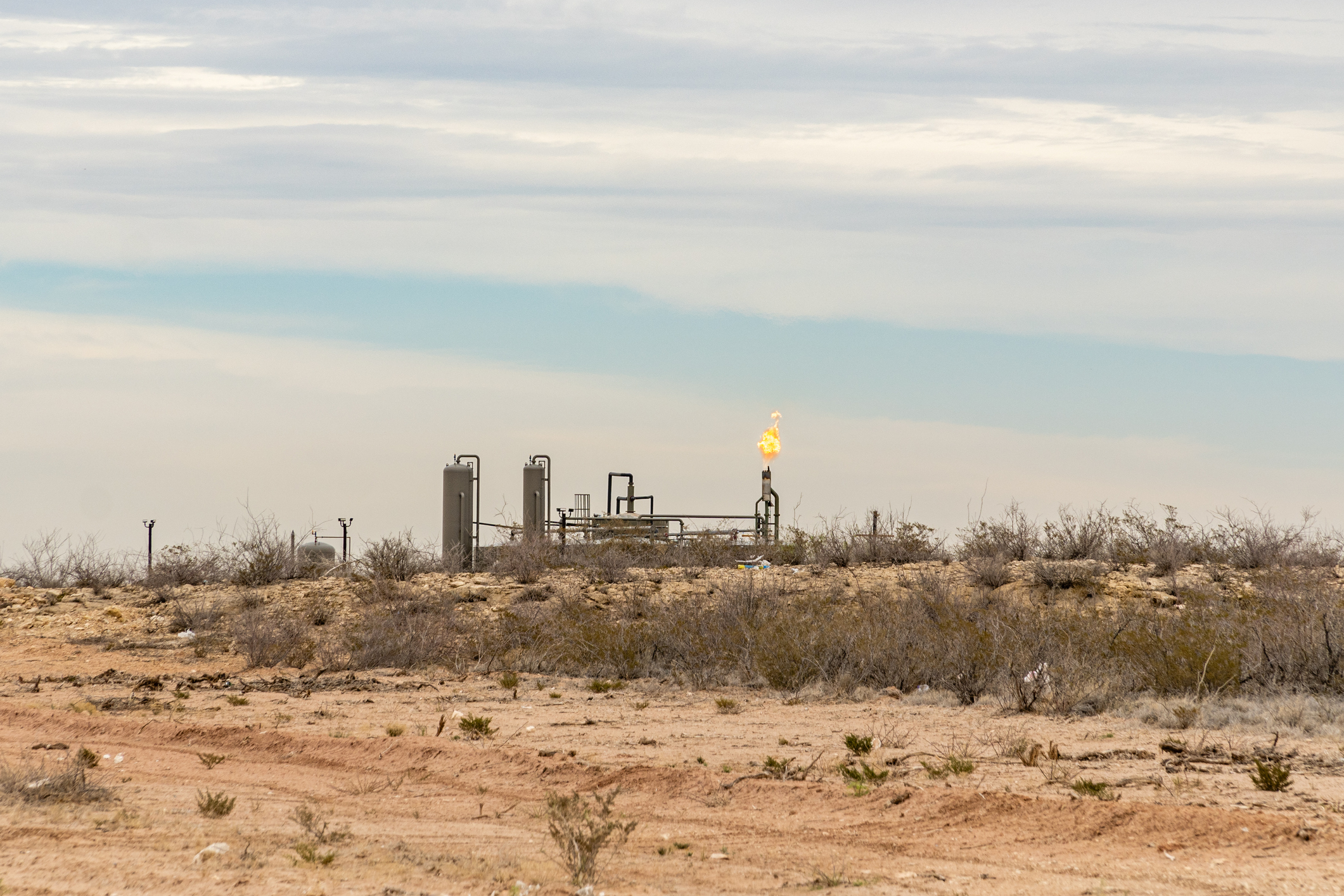
ESE Partners conducted comprehensive environmental compliance services for multiple facilities located in South Texas, including Spill Prevention, Control, and Countermeasure (SPCC) plan development and air permitting support.
Efficient Air Permitting for New Transfer Operations
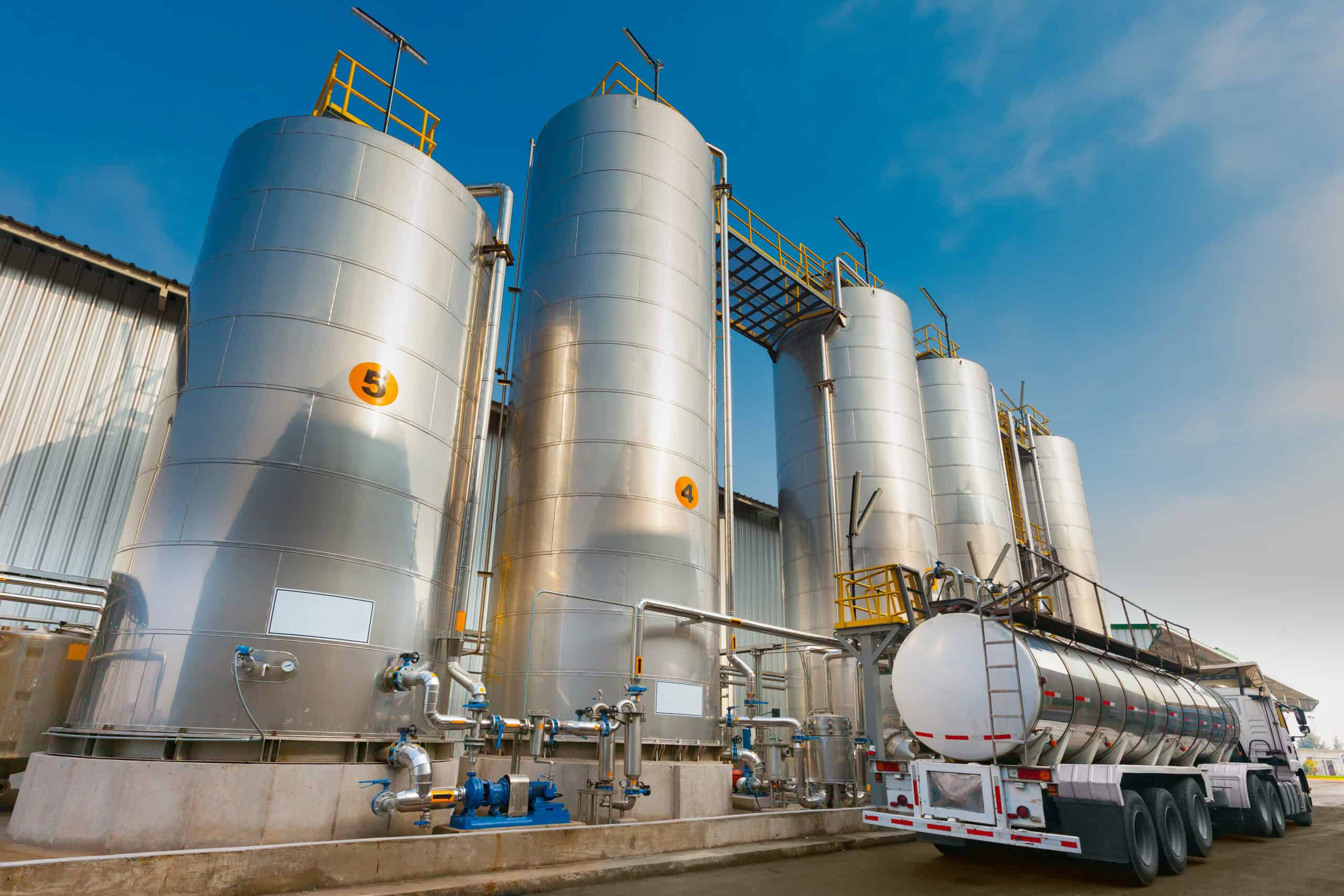
A bulk liquid storage and transfer operator sought to launch a new ethanol transloading operation involving rail-to-truck transfers using closed-loop loading.
Frequently Asked Questions About Standard Permits Services
What is the 30 TAC §116.620 Standard Permit and how does it differ from a Permit by Rule?
30 TAC §116.620 is a TCEQ air Standard Permit (an NSR authorization mechanism) commonly referred to as the Oil & Gas Standard Permit. It provides a pre-established set of technical conditions and limits; eligible facilities can seek coverage by demonstrating they meet those conditions (typically via a registration/approval workflow). It’s frequently used across Texas upstream and certain midstream operations as an alternative to (or alongside) Permit by Rule, depending on project specifics and constraints. Unlike a Permit by Rule, eligibility-first screening is needed to confirm whether §116.620 is the right authorization path or whether a Permit by Rule (PBR) or case-by-case New Source Review (NSR) permit is more appropriate.
When is 30 TAC §116.620 the right authorization path for my oil & gas project?
30 TAC §116.620 is commonly pursued when you’re building or expanding an oil & gas site and need an NSR authorization that fits standardized requirements (instead of a case-by-case NSR permit), Permit by Rule (PBR) isn’t feasible due to project parameters or inability to meet all PBR conditions, financing or transaction diligence (lenders, buyers, counsel) requires clear, defensible air authorization for construction and operation (especially for acquisitions or development timelines), or operational changes trigger NSR applicability and you need an authorization path with defined technical guardrails (e.g., changes in equipment counts, controls, or emissions).
What are the risks of skipping or mishandling 30 TAC §116.620 coverage?
Skipping or mishandling §116.620 coverage can create deal friction where lender/buyer counsel flags gaps in air authorization leading to schedule impacts, construction and expansion delays if the chosen authorization path doesn’t fit the actual build, and compliance exposure where operating without the correct NSR authorization can drive enforcement risk and costly retrofits. With Texas-specific practicality, ESE keeps requirements realistic and avoids unnecessary overcalling that can create added cost, confusion, or delay.
What does ESE Partners' 30 TAC §116.620 authorization process look like?
ESE Partners helps clients use 30 TAC §116.620 strategically, moving fast enough to protect project schedules while providing the detail needed to prevent rework and reduce enforcement exposure. ESE also prepares deal-focused documentation that can stand up to lender, buyer, and regulatory scrutiny while staying aligned with TCEQ expectations. The process includes: site and project intake (equipment list, locations, operating scenarios, throughput, controls); air applicability and path selection (PBR vs. §116.620 vs. other standard permits/case-by-case); emissions and control evaluation (rule/permit condition alignment and documentation package); registration preparation and submittal using TCEQ’s online system (where applicable); agency coordination and responses (questions, revisions, technical clarifications); and final coverage support (recordkeeping plan, compliance roadmap, integration into LDAR/operations as needed).