What Is State and Federal Agency Consultation?
State and Federal Agency Consultation is the process of coordinating with regulatory and resource agencies to evaluate potential environmental, natural resource, cultural resource, permitting, or compliance issues associated with a project. For Texas projects, this may involve agencies such as the Texas Commission on Environmental Quality (TCEQ), U.S. Environmental Protection Agency (EPA), U.S. Army Corps of Engineers (USACE), U.S. Fish and Wildlife Service (USFWS), Texas Parks and Wildlife Department (TPWD), Texas Historical Commission (THC), and local permitting authorities.
Consultation may be required or strongly recommended when a project involves federal funding, federal permits, impacts to waters or wetlands, threatened or endangered species, cultural resources, air permitting, waste management, remediation, or other regulated environmental conditions. Under NEPA, agencies evaluate environmental, social-related, and economic effects of proposed federal actions. Section 7 of the Endangered Species Act requires federal agencies to ensure their actions are not likely to jeopardize listed species or destroy or adversely modify designated critical habitat. Section 106 of the National Historic Preservation Act requires federal agencies to consider effects on historic properties for projects they carry out, fund, permit, license, or approve.
Request Your State & Federal Agency Consultation Services Today
Texas’ most trusted environmental experts – comprehensive by design.
When Is It Required?
State and Federal Agency Consultation may be required or advisable for:
- Commercial real estate acquisition or development involving wetlands, drainage features, listed species habitat, historic structures, or former industrial use.
- Infrastructure, energy, and utility projects requiring environmental due diligence, routing analysis, permitting, or public-agency coordination.
- Projects with federal involvement, including federal funding, federal land, federal permits, licenses, approvals, or agency actions.
- NEPA reviews, environmental assessments, categorical exclusions, or environmental impact statements.
- Endangered species evaluations where a project may affect listed species or designated critical habitat.
- Cultural resource reviews, including Section 106 consultation or coordination with the Texas Historical Commission.
- Clean Water Act permitting, including projects involving potential waters of the U.S. or wetlands under USACE jurisdiction.
- TCEQ-related permitting or compliance matters, including air, water, waste, remediation, or municipal/infrastructure review.
- Lender, investor, or attorney-driven risk management when unresolved agency issues could delay closing or create post-acquisition liability.
ESE Partners’ Approach
ESE Partners brings a practical, Texas-focused approach to State and Federal Agency Consultation, recognizing that agency coordination is not just a technical exercise but often a critical factor in financing, construction schedules, entitlement timelines, and transaction risk. Our approach emphasizes early issue identification before agency questions become schedule problems, along with clear communication between clients, counsel, engineers, agencies, and project teams. We provide practical recommendations that identify real regulatory risk without overcalling minor constraints, supported by Texas regulatory experience across TCEQ, TPWD, THC, USACE, EPA, USFWS, and local jurisdictions. ESE also brings deal-aware execution for acquisitions, refinancing, redevelopment, infrastructure, and energy projects. Because our services are integrated, consultation findings can flow directly into due diligence, permitting, remediation, natural resources, cultural resources, or compliance work without unnecessary handoffs.
Our Process
- Project Kickoff and Regulatory Screening: ESE reviews the project location, scope, schedule, ownership, funding, proposed impacts, and known environmental constraints.
- Agency Pathway Identification: We determine which agencies may need to be consulted and which statutes, permits, or review processes may apply.
- Desktop Review and Data Collection: Our team evaluates available environmental records, aerial imagery, topography, wetlands data, species information, cultural resource indicators, regulatory databases, and prior reports.
- Field Assessment, If Needed: Depending on the project, ESE may conduct site reconnaissance, habitat assessment, wetland delineation support, cultural resource coordination, or other technical evaluations.
- Agency Coordination Package: We prepare concise, defensible documentation for agency review, including project descriptions, maps, impact summaries, avoidance measures, and supporting technical information.
- Consultation Management: ESE helps track agency correspondence, respond to information requests, clarify technical issues, and keep the process aligned with client deadlines.
- Resolution and Next Steps: We provide practical recommendations for permitting, avoidance, mitigation, documentation, or additional studies required to move the project forward.
Regulatory Framework
State and Federal Agency Consultation may involve several overlapping regulatory programs, including:
National Environmental Policy Act (NEPA)
Applies to many federal actions and requires evaluation of environmental effects.
Endangered Species Act (ESA), Section 7
Requires federal agencies to coordinate to ensure actions do not jeopardize listed species or adversely modify critical habitat.
National Historic Preservation Act (NHPA), Section 106
Requires federal agencies to consider effects on historic properties before approving, funding, permitting, or licensing projects.
Clean Water Act, Section 404
Often involves USACE review for discharges of dredged or fill material into jurisdictional waters and wetlands.
Texas Parks and Wildlife Department Project Review
TPWD may evaluate potential impacts to fish, wildlife, habitats, rare species, and other significant natural resources and provide avoidance, minimization, or mitigation recommendations.
Texas Historical Commission and Antiquities Code Coordination
THC review may apply to projects involving historic, archaeological, tribal, public-land, state-land, or federally connected resources.
TCEQ Permitting and Compliance Programs
Consultation may be needed for air, water, waste, remediation, petroleum storage tank, stormwater, or other Texas environmental compliance issues.
Local and Regional Requirements
Cities, counties, river authorities, floodplain administrators, and regional planning entities may also require coordination depending on project location and scope.
Risks of Not Completing Agency Consultation
Skipping or delaying State and Federal Agency Consultation can create avoidable business and regulatory consequences. Unresolved environmental or permitting questions can delay deals, while unclear agency approvals, environmental constraints, or permit pathways may raise lender concerns. Construction schedules can also be disrupted if impacts to wetlands, species habitat, or cultural resources are discovered late in the process. Projects may face regulatory exposure from unauthorized impacts or incomplete environmental review, along with increased costs tied to redesign, mitigation, additional studies, or agency-driven schedule changes. Delayed consultation can also reduce negotiating leverage during acquisition, refinancing, entitlement, or project financing, and may create reputational risk for developers, infrastructure owners, and public-facing project sponsors.
More Natural Resources Services

Protected Species and Wildlife
ESE Partners provides a wide range of protected species and other wildlife-related services to our clients. ESE’s seasoned Biologists are permitted to conduct presence/absence surveys for federally endangered species and habitat assessments. We have conducted acoustic monitoring and analysis in multiple states for a wide variety of bat and herpetological species. We provide natural resource assessments and federal and state regulatory consultation services as required by our clients’ projects.

Regulatory and Planning Documentation
ESE is experienced with a variety of reporting and field investigations required under the National Environmental Policy Act (NEPA) including Environmental Assessments and Categorical Exclusions and other similar studies requested by our clients. ESE conducts Critical Issues Analyses and Site Characterization Studies for a variety of clients, but primarily for proposed renewable energy development. ESE is experienced with studies required by municipalities, including but not limited to, Environmental Resource Inventories required by the City of Austin.
Industries We Serve
ESE operates in a wide range of industries, all with unique needs and regulatory obligations. We offer experts who understand the broad complexity of environmental challenges faced by today’s businesses.

Real Estate Brokers & Developers
ESE helps brokers and developers reduce deal friction and avoid surprises through fast, defensible environmental due diligence. We support property evaluations, redevelopment risk screening, and transaction-ready reporting for Texas assets.

Private Equity/Capital Investors
Transaction support for acquisitions and portfolio oversight, including Phase I/II ESAs and risk-based evaluation. We provide clear findings, practical recommendations, and scalable diligence support.

Financial Institutions
ESE supports lender-driven environmental due diligence and portfolio risk management, including Phase I/II ESAs and risk screening. We deliver consistent, defensible reporting aligned with credit and closing timelines.

Attorneys
Technical support for environmental risk, liability evaluation, and regulatory strategy. We provide clear documentation and expert collaboration to support transactions, compliance matters, and remediation planning.
Why ESE Partners
Texas’ Most Trusted Environmental Experts – Comprehensive by Design
ESE Partners is built for projects where environmental risk, regulatory requirements, and business timelines intersect. As Texas’ Most Trusted Environmental Experts — Comprehensive by Design, we help clients make informed decisions and keep projects moving across Houston, Dallas-Fort Worth, Austin, San Antonio, and statewide Texas markets. Clients choose ESE for Texas-focused regulatory knowledge across state and federal consultation pathways, supported by integrated environmental services that include due diligence, remediation, compliance, natural resources, cultural resources, and building sciences. Our responsive project teams understand acquisition, financing, construction, and permitting deadlines, and our practical agency communication is designed to resolve issues rather than create unnecessary complexity. With statewide scalability for single-site transactions, multi-site portfolios, infrastructure corridors, industrial facilities, and energy projects, ESE brings experience working with commercial real estate, energy, infrastructure, municipal, legal, and financial stakeholders.
Need help coordinating with TCEQ, EPA, USACE, USFWS, TPWD, THC, or another agency?
Contact ESE Partners today to keep your project moving. Our team can quickly evaluate your agency consultation needs, identify the right regulatory pathway, and provide a clear scope and schedule for next steps.
Our Natural Resource Projects
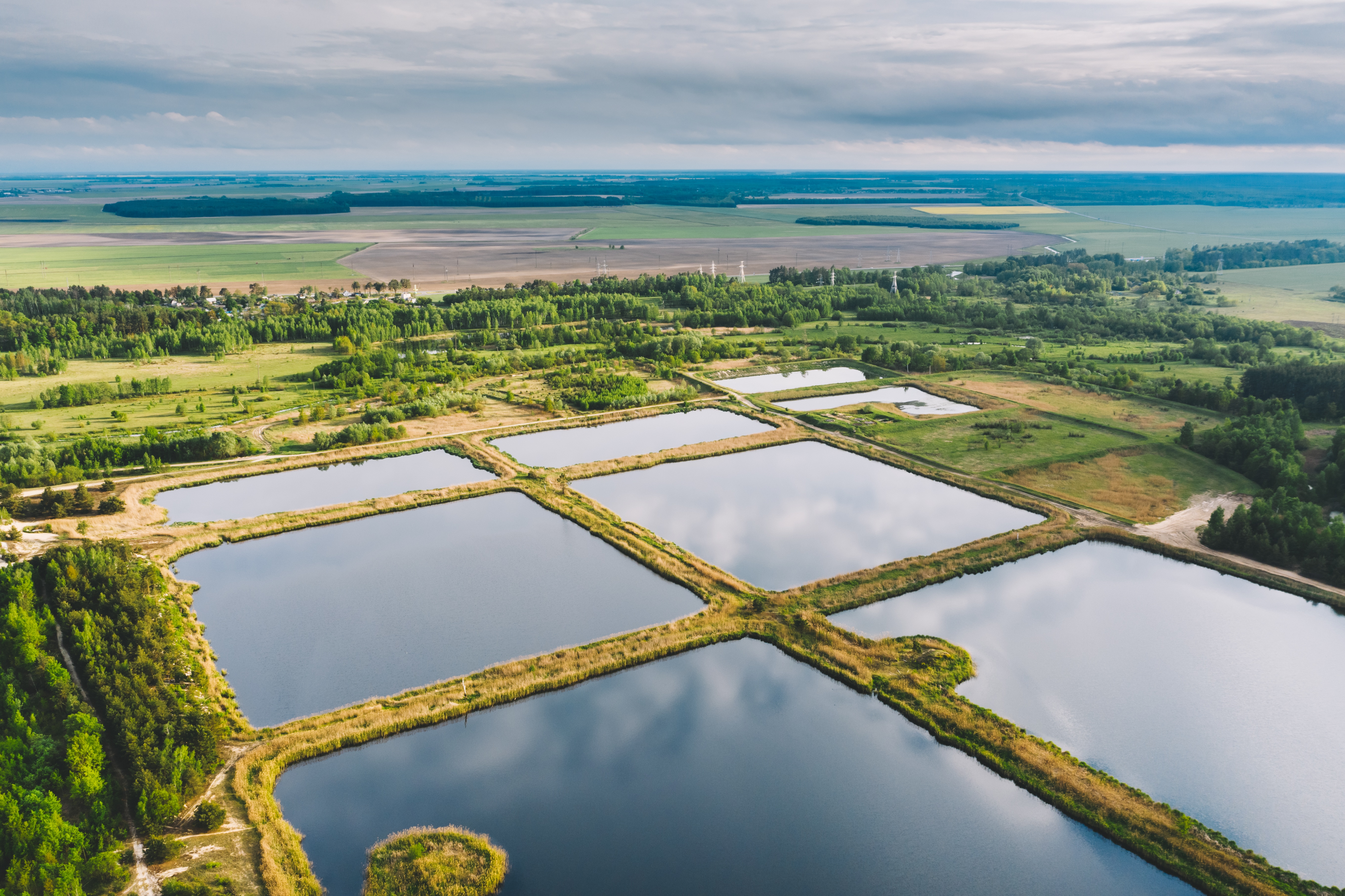
WOTUS Delineation for Proposed Stormwater Detention Improvements
ESE conducted a comprehensive Water Resources Evaluation for an approximately 102-acre tract to support planned stormwater detention improvements and assess potential impacts to Waters of the United States under Section 404 of the Clean Water Act.

Comprehensive Water Resources Evaluation for Linear Transportation Corridor
ESE conducted a comprehensive Wetland and Waters of the United States evaluation along an approximately 16-mile coastal transportation corridor in South Texas to support ongoing infrastructure planning and regulatory coordination.
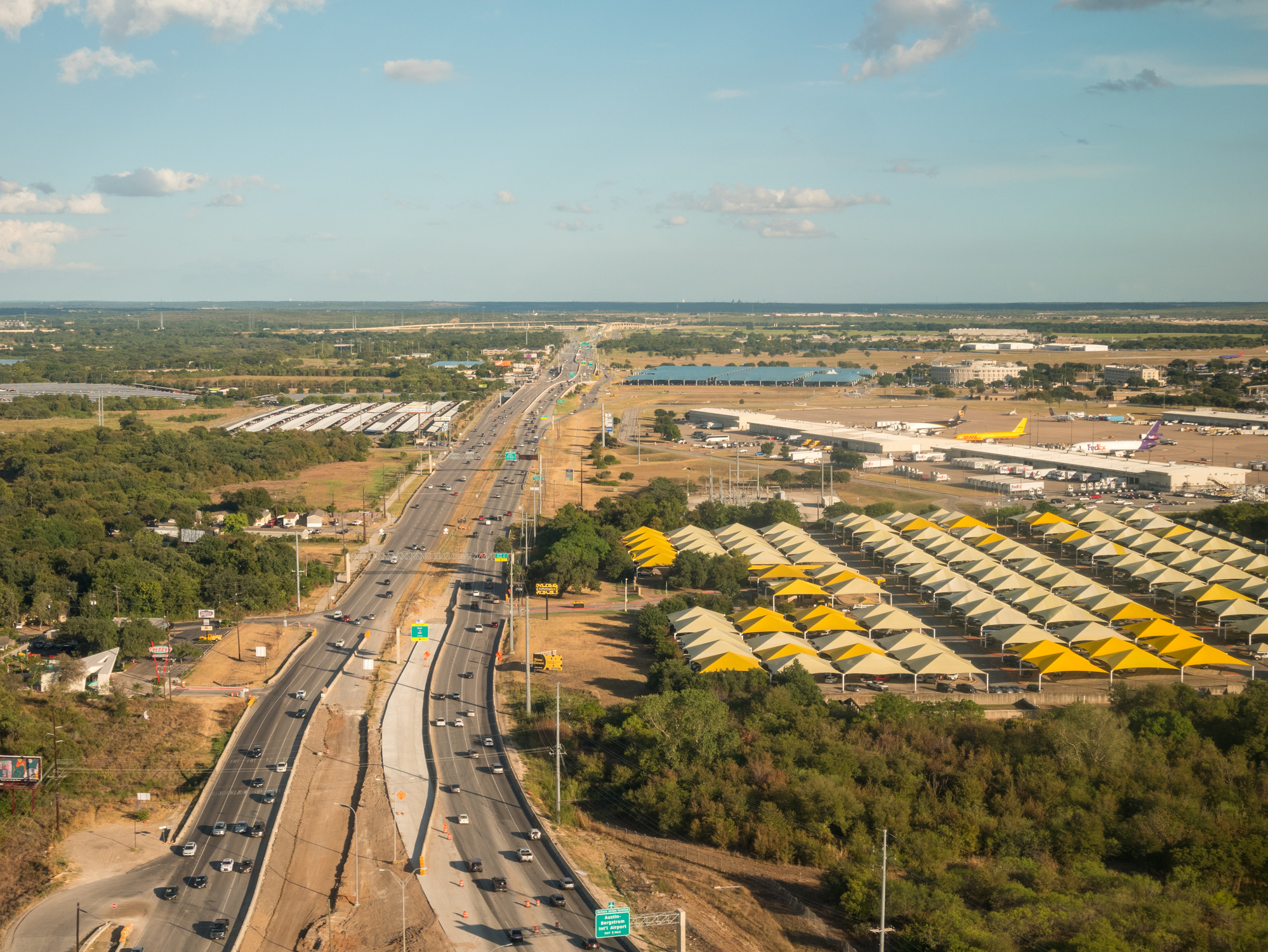
City of Austin ERI
ESE prepared a City of Austin Environmental Resources Inventory (ERI) to fulfill City of Austin requirements and support the project’s planning and development for regional airport parking.
Frequently Asked Questions About State and Federal Agency Consultation Services
What is State and Federal Agency Consultation?
State and Federal Agency Consultation is the process of coordinating with regulatory and resource agencies to evaluate potential environmental, natural resource, cultural resource, permitting, or compliance issues associated with a project. For Texas projects, this may involve agencies such as the Texas Commission on Environmental Quality (TCEQ), U.S. Environmental Protection Agency (EPA), U.S. Army Corps of Engineers (USACE), U.S. Fish and Wildlife Service (USFWS), Texas Parks and Wildlife Department (TPWD), Texas Historical Commission (THC), and local permitting authorities. Consultation may be required or strongly recommended when a project involves federal funding, federal permits, impacts to waters or wetlands, threatened or endangered species, cultural resources, air permitting, waste management, remediation, or other regulated environmental conditions.
When is agency consultation required or advisable?
State and Federal Agency Consultation may be required or advisable for commercial real estate acquisition or development involving wetlands, drainage features, listed species habitat, historic structures, or former industrial use; infrastructure, energy, and utility projects requiring environmental due diligence, routing analysis, permitting, or public-agency coordination; projects with federal involvement (federal funding, land, permits, licenses, approvals, or agency actions); NEPA reviews, environmental assessments, categorical exclusions, or environmental impact statements; endangered species evaluations where a project may affect listed species or designated critical habitat; cultural resource reviews, including Section 106 consultation or coordination with THC; Clean Water Act permitting involving potential waters of the U.S. or wetlands under USACE jurisdiction; TCEQ-related permitting or compliance matters (air, water, waste, remediation, or municipal/infrastructure review); and lender, investor, or attorney-driven risk management when unresolved agency issues could delay closing or create post-acquisition liability.
What are the risks of skipping or delaying agency consultation?
Skipping or delaying State and Federal Agency Consultation can create avoidable business and regulatory consequences. Unresolved environmental or permitting questions can delay deals, while unclear agency approvals, environmental constraints, or permit pathways may raise lender concerns. Construction schedules can be disrupted if impacts to wetlands, species habitat, or cultural resources are discovered late in the process. Projects may face regulatory exposure from unauthorized impacts or incomplete environmental review, along with increased costs tied to redesign, mitigation, additional studies, or agency-driven schedule changes. Delayed consultation can also reduce negotiating leverage during acquisition, refinancing, entitlement, or project financing, and may create reputational risk for developers, infrastructure owners, and public-facing project sponsors.
What does ESE Partners' agency consultation process and regulatory scope look like?
ESE Partners brings a practical, Texas-focused approach that emphasizes early issue identification before agency questions become schedule problems, clear communication between clients, counsel, engineers, agencies, and project teams, and practical recommendations that identify real regulatory risk without overcalling minor constraints. The process includes: project kickoff and regulatory screening (reviewing project location, scope, schedule, ownership, funding, proposed impacts, and known constraints); agency pathway identification (determining which agencies, statutes, permits, or review processes may apply); desktop review and data collection (environmental records, aerial imagery, topography, wetlands data, species information, cultural resource indicators, regulatory databases, and prior reports); field assessment if needed (site reconnaissance, habitat assessment, wetland delineation support, or cultural resource coordination); an agency coordination package (concise, defensible documentation including project descriptions, maps, impact summaries, avoidance measures, and supporting technical information); consultation management (tracking agency correspondence, responding to information requests, and clarifying technical issues); and resolution and next steps (practical recommendations for permitting, avoidance, mitigation, documentation, or additional studies). Consultation may involve overlapping regulatory programs including NEPA, ESA Section 7, NHPA Section 106, Clean Water Act Section 404, TPWD project review, THC and Antiquities Code coordination, TCEQ permitting and compliance programs, and local/regional requirements.