What Are Stormwater Inspections?
Stormwater inspections are documented site evaluations to confirm that stormwater controls (BMPs) are properly installed, functioning, and maintained—and that stormwater pollution prevention requirements in your SWPPP (Stormwater Pollution Prevention Plan) and permit coverage are being met. On construction sites in Texas, these inspections are performed under the TCEQ Construction General Permit (CGP) program framework.
For industrial sites, inspections are typically tied to an industrial stormwater permit (often under the EPA Multi-Sector General Permit framework in many jurisdictions, depending on delegation/permit coverage).
Request Your Stormwater Inspections Services Today
Texas’ most trusted environmental experts – comprehensive by design.
When Are Stormwater Inspections Required?
Common real-world triggers include:
- Construction projects disturbing ≥ 1 acre (or part of a larger common plan) requiring CGP coverage and a SWPPP/SWP3 implementation program.
- Active construction phases where BMPs must be routinely checked and repaired to maintain compliance and avoid offsite sediment discharge.
- Industrial operations with stormwater exposure (e.g., outdoor material handling, equipment storage, loading/unloading) where routine inspections and discharge observations are required by permit conditions.
- Owner/developer and lender requirements during acquisition, development, or draw reviews—especially for projects in Houston, Dallas–Fort Worth, Austin, and San Antonio where local scrutiny and MS4 expectations can be high (municipal requirements vary).
ESE Partners’ Approach
ESE Partners delivers stormwater inspections the way deals and operations actually work, with compliance-first, field-practical evaluations focused on implementable fixes rather than theoretical commentary. Our team provides fast-turnaround documentation that stands up to owner, EPC/GC, and regulator review, supported by Texas stormwater permitting fluency, including CGP and SWP3 expectations, stabilization practices, and documentation discipline aligned with TCEQ program structure. We also communicate clearly with the right people, including project managers, superintendents, EHS teams, and other stakeholders, using photo logs and prioritized corrective actions to help keep sites compliant and moving forward.
Our Process (How Stormwater Inspections Work)
- Confirm permit coverage and roles (operator(s), NOI/CSN where applicable, SWPPP/SWP3 availability onsite).
- Review current site conditions (disturbed areas, flow paths, outfalls, receiving waters, adjacent properties).
- Inspect BMPs and pollution sources (perimeter controls, inlet protection, stabilized exits, stockpiles, concrete washout, dewatering, good housekeeping).
- Document deficiencies & corrective actions with photos, locations, and responsibility assignments.
- Verify follow-up and closeout (re-inspection support, corrective action tracking, stabilization progress).
- Deliver inspection report package suitable for SWPPP/SWP3 records and audits.
Regulatory Framework (Texas-Focused)
Stormwater inspections in Texas are most often performed under the TCEQ Construction General Permit (CGP) program for stormwater discharges associated with construction activity, including disturbed acreage thresholds and SWPPP/SWP3 expectations. Depending on the project location, inspections may also need to address project-specific requirements imposed by local jurisdictions or Municipal Separate Storm Sewer System (MS4) programs, which can vary by city or permittee. Because inspection frequency and rain-event triggers are permit-specific, ESE aligns each inspection schedule with the exact permit authorization and SWPPP/SWP3 provisions in effect for the site.
Risks of Skipping (or Weakening) Stormwater Inspections
Not completing stormwater inspections—or completing them without credible documentation—can lead to:
- Permit violations (missing inspections, incomplete SWPPP/SWP3 records, unaddressed BMP failures).
- Stop-work risk and schedule impacts due to uncontrolled sediment tracking, failed perimeter controls, or dewatering problems.
- Cost overruns from reactive cleanup, rework, and emergency stabilization.
- Regulatory and third-party exposure (complaints, inspections, enforcement, and reputational impacts), especially when discharges leave the property boundary.
More Environmental Compliance Services

Air Compliance
As an environmental compliance company, ESE Partners provides numerous air compliance services to the oil & gas, energy, chemical, and manufacturing market sectors. Our air expertise includes air permitting (Permits by Rule, Standard Permits, New Source Review, Title V Permits), air dispersion modeling, onsite auditing and inspections, federal and state regulatory analysis, emissions inventory, GHG analysis, and deviation and periodic reporting.

Water Compliance
ESE’s water compliance capabilities include industrial and construction stormwater permitting, stormwater pollution prevention plan (SWPPP) preparation, SPCC planning, FRPs, RMPs, Tier II reporting, TRI reporting, AST/UST registration/permitting, wastewater permitting and reporting, onsite inspections and compliance audits, drinking water assessments, wetlands determinations, and water sourcing/acquisition planning. Our environmental compliance services keep your facilities in line with state and federal regulations.
Industries We Serve
ESE operates in a wide range of industries, all with unique needs and regulatory obligations. We offer experts who understand the broad complexity of environmental challenges faced by today’s businesses.

Oil & Gas Operators
Environmental consulting for upstream, midstream, and downstream operations—due diligence, compliance support, and remediation strategy. ESE helps operators manage regulatory risk and maintain operational continuity in Texas.

Telecom & Data Center Developers
ESE supports telecom and data center development with due diligence, permitting support, and construction-phase compliance. We help teams identify environmental constraints early, manage site risk, and keep schedules intact.
Land Development & Redevelopment
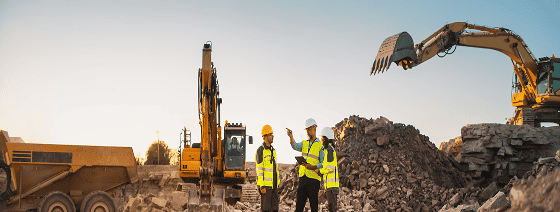
ESE supports developers with site screening, Phase I/II ESAs, and remediation planning for redevelopment and infill projects. We help identify constraints early and reduce delays during entitlement and construction.
Why ESE Partners
As Texas’ Most Trusted Environmental Experts — Comprehensive by Design, ESE Partners provides Texas-first stormwater compliance support for construction and industrial clients statewide. Clients choose ESE because our integrated service lines extend beyond inspections to include environmental due diligence, compliance, remediation, and building sciences, helping ensure stormwater issues are not handled in a silo. Our responsive teams scale across Houston, Dallas–Fort Worth, Austin, San Antonio, and throughout Texas while maintaining report quality and field consistency. We also deliver decision-grade reporting that helps owners, general contractors, and operators correct issues quickly and keep projects financeable, compliant, and defensible.
Need stormwater inspections that won’t slow your project down—or create surprises in an audit?
Contact ESE Partners to get a proposal within 24 hours for stormwater inspections, SWPPP/SWP3 support, and corrective action tracking across Texas.
Our Environmental Compliance Projects
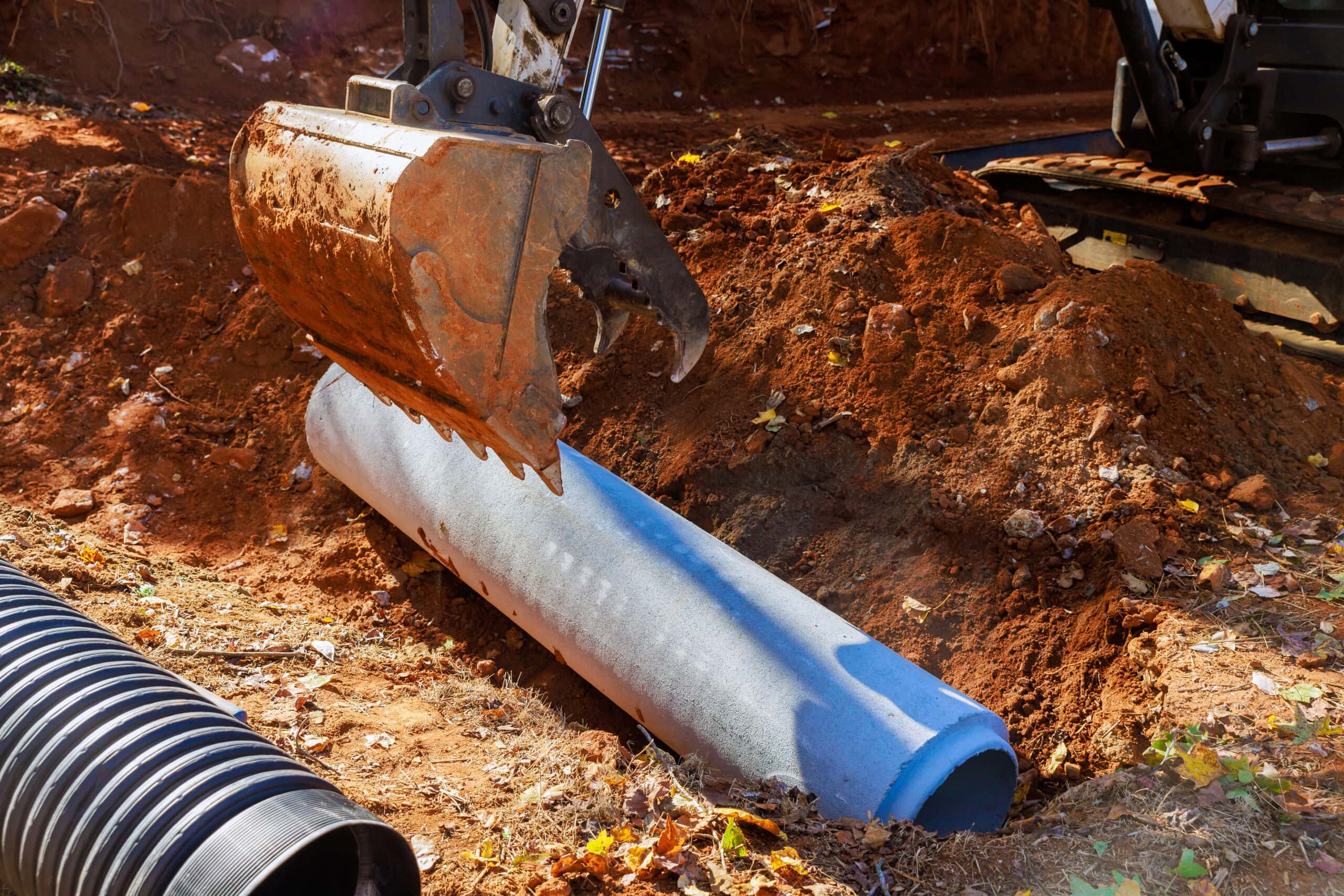
Construction SWPPP: Restaurant in Central Texas
ESE Partners developed a comprehensive Construction Storm Water Pollution Prevention Plan (SWPPP) to support construction of a new located in Central Texas.
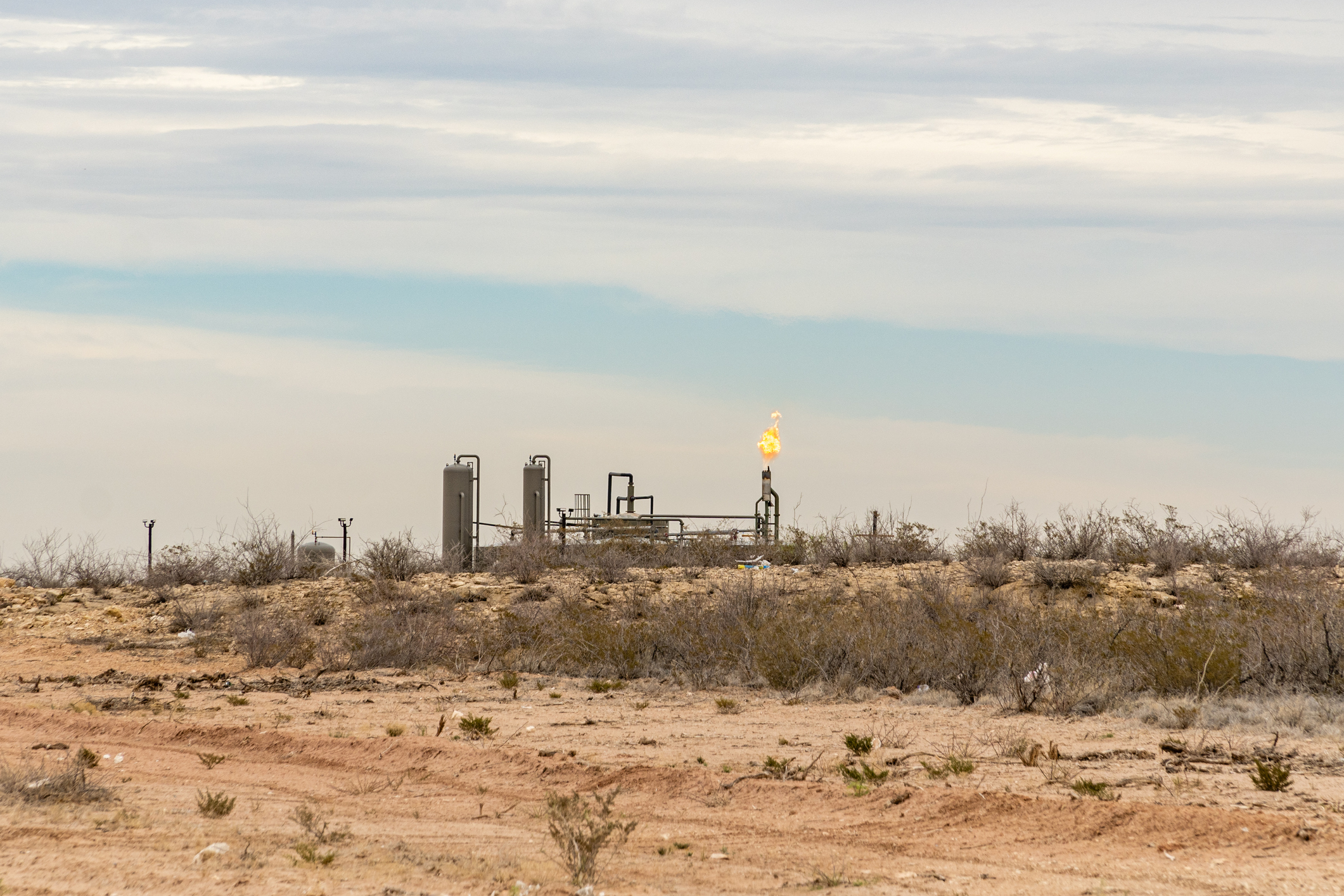
EHS Compliance Support, Air Permitting, and SPCC Plans
ESE Partners conducted comprehensive environmental compliance services for multiple facilities located in South Texas, including Spill Prevention, Control, and Countermeasure (SPCC) plan development and air permitting support.
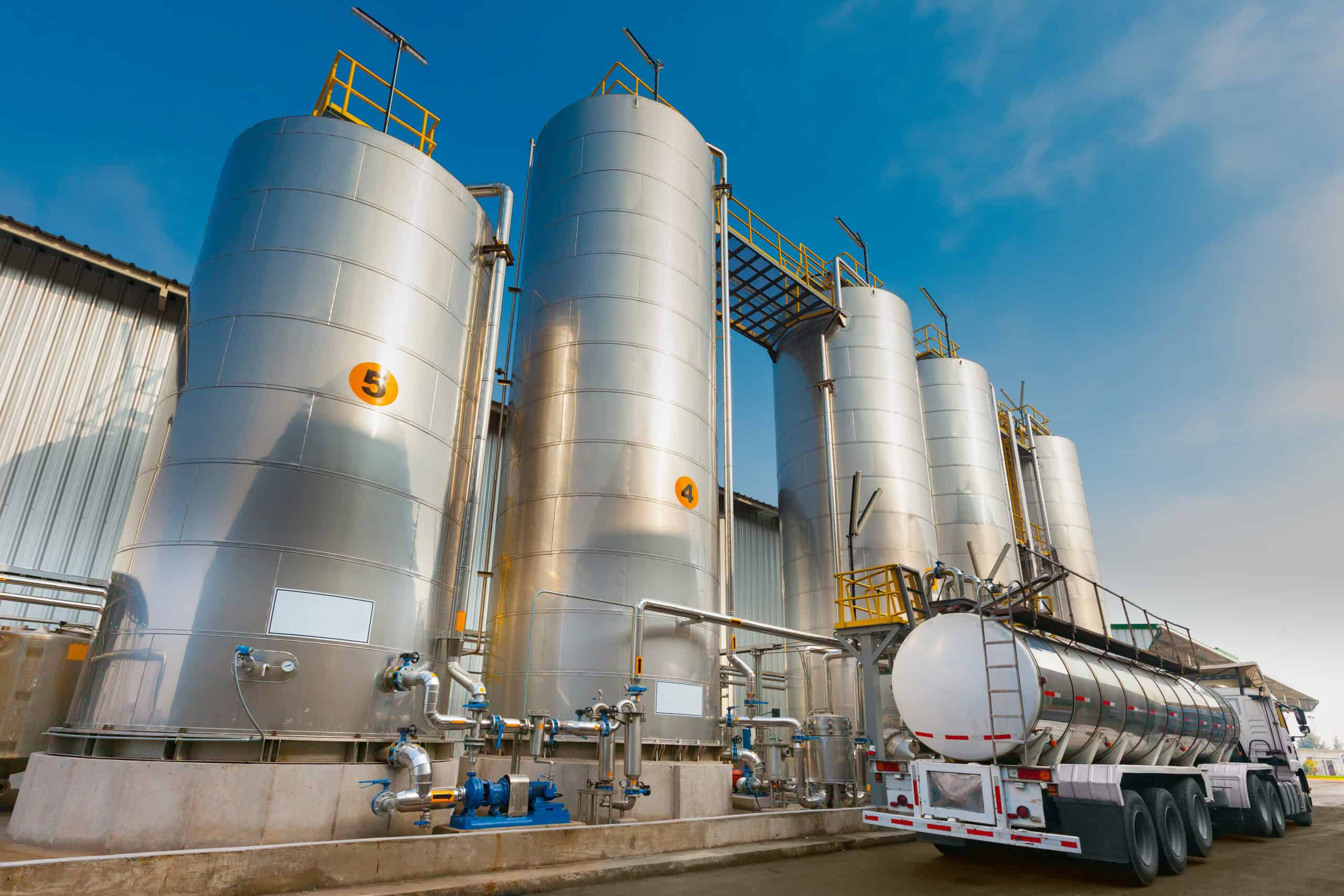
Efficient Air Permitting for New Transfer Operations
A bulk liquid storage and transfer operator sought to launch a new ethanol transloading operation involving rail-to-truck transfers using closed-loop loading.
Frequently Asked Questions About Stormwater Inspection Services
What are stormwater inspections and what do they involve?
Stormwater inspections are documented site evaluations to confirm that stormwater controls (BMPs) are properly installed, functioning, and maintained — and that stormwater pollution prevention requirements in your SWPPP (Stormwater Pollution Prevention Plan) and permit coverage are being met. On construction sites in Texas, these inspections are performed under the TCEQ Construction General Permit (CGP) program framework. For industrial sites, inspections are typically tied to an industrial stormwater permit (often under the EPA Multi-Sector General Permit framework in many jurisdictions, depending on delegation/permit coverage). For Texas construction sites and industrial facilities, inspections are also the backbone of your SWPPP — proving controls are installed, maintained, and documented the way regulators and owners expect.
When are stormwater inspections required for my Texas project or facility?
Common real-world triggers include construction projects disturbing one acre or more (or part of a larger common plan) requiring CGP coverage and a SWPPP/SWP3 implementation program, active construction phases where BMPs must be routinely checked and repaired to maintain compliance and avoid offsite sediment discharge, industrial operations with stormwater exposure (e.g., outdoor material handling, equipment storage, loading/unloading) where routine inspections and discharge observations are required by permit conditions, and owner/developer and lender requirements during acquisition, development, or draw reviews — especially for projects in Houston, Dallas–Fort Worth, Austin, and San Antonio where local scrutiny and MS4 expectations can be high (municipal requirements vary). Because inspection frequency and rain-event triggers are permit-specific, ESE aligns each inspection schedule with the exact permit authorization and SWPPP/SWP3 provisions in effect for the site.
What are the risks of skipping or weakening stormwater inspections?
Not completing stormwater inspections — or completing them without credible documentation — can lead to permit violations (missing inspections, incomplete SWPPP/SWP3 records, unaddressed BMP failures), stop-work risk and schedule impacts due to uncontrolled sediment tracking, failed perimeter controls, or dewatering problems, cost overruns from reactive cleanup, rework, and emergency stabilization, and regulatory and third-party exposure (complaints, inspections, enforcement, and reputational impacts), especially when discharges leave the property boundary.
What does ESE Partners' stormwater inspection process look like?
ESE Partners delivers stormwater inspections the way deals and operations actually work — with compliance-first, field-practical evaluations focused on implementable fixes rather than theoretical commentary, supported by Texas stormwater permitting fluency including CGP and SWP3 expectations, stabilization practices, and documentation discipline aligned with TCEQ program structure. The process includes: confirming permit coverage and roles (operator(s), NOI/CSN where applicable, SWPPP/SWP3 availability onsite); reviewing current site conditions (disturbed areas, flow paths, outfalls, receiving waters, adjacent properties); inspecting BMPs and pollution sources (perimeter controls, inlet protection, stabilized exits, stockpiles, concrete washout, dewatering, good housekeeping); documenting deficiencies and corrective actions with photos, locations, and responsibility assignments; verifying follow-up and closeout (re-inspection support, corrective action tracking, stabilization progress); and delivering an inspection report package suitable for SWPPP/SWP3 records and audits.