What Is a SWPPP?
A Stormwater Pollution Prevention Plan is a site-specific plan that identifies potential sources of stormwater pollution and establishes best management practices (BMPs) to reduce sediment, erosion, debris, chemicals, fuels, concrete washout, and other pollutants from leaving a project site in stormwater runoff.
In Texas, construction stormwater compliance is generally administered through the Texas Pollutant Discharge Elimination System (TPDES) Construction General Permit, commonly referred to as TXR150000. TCEQ requires construction site operators to develop and implement an SWP3 before construction activities begin.
A properly prepared SWPPP/SWP3 typically includes:
- Site description and project acreage
- Construction phasing and sequencing
- Drainage patterns and receiving waters
- Erosion and sediment controls
- Stabilization practices
- Pollution prevention controls
- Inspection and maintenance procedures
- Contractor responsibilities
- Recordkeeping requirements
- Permit notices and certifications, when applicable
Request Your SWPPP Services Today
Texas’ most trusted environmental experts – comprehensive by design.
When Is a SWPPP Required?
A Stormwater Pollution Prevention Plan (SWPPP) may be required or requested in a range of real-world project scenarios, including construction projects that disturb one acre or more and smaller sites that are part of a larger common plan of development. SWPPPs are commonly needed for commercial real estate development and redevelopment, as well as industrial, logistics, warehouse, multifamily, retail, mixed-use, energy, utility, pipeline, solar, and infrastructure projects. They are also frequently required for projects seeking coverage under the TPDES Construction General Permit, undergoing municipal plan review, or addressing MS4 compliance requirements. In addition, lenders, owners, or general contractors may request a SWPPP as part of due diligence, particularly on projects where erosion, sediment discharge, or runoff controls are likely to be scrutinized by regulators or local jurisdictions.
ESE Partners’ Approach
ESE Partners prepares SWPPP/SWP3 plans that are technically sound, field-usable, and aligned with project schedules. Our goal is not to create a document that sits in a trailer, but to help your team stay compliant while avoiding unnecessary delays, overdesign, or confusion in the field. Our approach emphasizes fast turnaround for pre-construction schedules, bid packages, financing milestones, and notice filings, along with practical BMP recommendations matched to actual site conditions, grading plans, drainage patterns, and construction sequencing. With Texas regulatory expertise, ESE brings familiarity with TCEQ stormwater expectations, TPDES construction stormwater requirements, and local permitting realities. We also provide clear communication through direct coordination with developers, engineers, contractors, owners, and municipal reviewers. Because we understand both deal and construction pressures, our SWPPP/SWP3 support is designed to help compliance support—not stall—mobilization, site work, and project delivery.
Our Process
- Project Kickoff & Document Review: ESE reviews civil plans, grading sheets, drainage patterns, acreage, construction sequencing, and available permit information.
- Regulatory Applicability Review: We evaluate whether the project is likely subject to TPDES Construction General Permit requirements, local stormwater requirements, or owner/lender-specific compliance expectations.
- Site-Specific SWPPP Development: Our team prepares the SWPPP/SWP3 with project-specific BMPs, erosion controls, sediment controls, stabilization measures, inspection procedures, and pollution prevention practices.
- Plan Exhibits & BMP Mapping: We incorporate site maps, drainage features, outfalls, disturbed areas, receiving waters, construction entrances, silt fence, inlet protection, stabilization zones, and other controls as applicable.
- Permit Support & Documentation: ESE can support required notices, certifications, inspection forms, contractor handoff materials, and compliance recordkeeping.
- Implementation Guidance: We provide practical recommendations so contractors understand what needs to be installed, maintained, inspected, and documented.
- Ongoing Compliance Support: As site conditions change, ESE can assist with SWPPP amendments, inspection support, corrective action documentation, and regulator or municipal response.
Regulatory Framework
SWPPP/SWP3 requirements are tied to federal and state stormwater permitting programs designed to control pollutant discharges associated with construction activity. Key regulatory drivers include the Clean Water Act/NPDES framework, through which federal stormwater permitting requirements are implemented under the National Pollutant Discharge Elimination System program. EPA construction stormwater guidance also provides resources and templates to help operators develop SWPPPs for construction general permit compliance. In Texas, TCEQ administers construction stormwater permitting through the TPDES Construction General Permit, including TXR150000, and provides SWP3 guidance describing the plan as a tool for outlining best management practices that control contaminants in stormwater runoff. Local MS4 and municipal requirements may also apply, with cities, counties, drainage districts, and municipal separate storm sewer system operators sometimes requiring additional plan review, inspection documentation, or construction-site controls.
Risks of Not Completing a SWPPP
Skipping or delaying a SWPPP can create avoidable business and compliance risk, including:
- Delayed site mobilization if permit coverage or municipal documentation is incomplete
- Regulatory exposure for unauthorized or improperly controlled stormwater discharges
- Inspection findings related to missing BMPs, poor maintenance, or incomplete records
- Contractor confusion when erosion and sediment controls are not clearly assigned
- Lender or owner concerns on projects with environmental compliance conditions
- Costly corrective actions after sediment leaves the site or reaches storm drains, drainageways, or receiving waters
- Project schedule impacts caused by stop-work pressure, municipal redlines, or regulator follow-up
A strong SWPPP does more than check a box—it helps protect the project timeline, budget, and transaction value.
More Environmental Compliance Services

Air Compliance
As an environmental compliance company, ESE Partners provides numerous air compliance services to the oil & gas, energy, chemical, and manufacturing market sectors. Our air expertise includes air permitting (Permits by Rule, Standard Permits, New Source Review, Title V Permits), air dispersion modeling, onsite auditing and inspections, federal and state regulatory analysis, emissions inventory, GHG analysis, and deviation and periodic reporting.

Water Compliance
ESE’s water compliance capabilities include industrial and construction stormwater permitting, stormwater pollution prevention plan (SWPPP) preparation, SPCC planning, FRPs, RMPs, Tier II reporting, TRI reporting, AST/UST registration/permitting, wastewater permitting and reporting, onsite inspections and compliance audits, drinking water assessments, wetlands determinations, and water sourcing/acquisition planning. Our environmental compliance services keep your facilities in line with state and federal regulations.
Industries We Serve
ESE operates in a wide range of industries, all with unique needs and regulatory obligations. We offer experts who understand the broad complexity of environmental challenges faced by today’s businesses.

Oil & Gas Operators
Environmental consulting for upstream, midstream, and downstream operations—due diligence, compliance support, and remediation strategy. ESE helps operators manage regulatory risk and maintain operational continuity in Texas.

Telecom & Data Center Developers
ESE supports telecom and data center development with due diligence, permitting support, and construction-phase compliance. We help teams identify environmental constraints early, manage site risk, and keep schedules intact.

Land Development & Redevelopment
ESE supports developers with site screening, Phase I/II ESAs, and remediation planning for redevelopment and infill projects. We help identify constraints early and reduce delays during entitlement and construction.
Why ESE Partners
ESE Partners is Texas’ Most Trusted Environmental Experts — Comprehensive by Design, supporting clients across the full project lifecycle from environmental due diligence through permitting, compliance, remediation, and construction-phase support. Clients choose ESE for Texas-focused expertise across Houston, Dallas–Fort Worth, Austin, San Antonio, and statewide markets, as well as stormwater compliance experience for commercial real estate, industrial, energy, infrastructure, and development projects. ESE also provides integrated environmental services, including Phase I ESAs, Phase II ESAs, remediation, natural and cultural resources, regulatory compliance, and building sciences, allowing clients to coordinate related needs through one team. Our responsive teams understand financing milestones, closing deadlines, bid schedules, and construction mobilization, and we provide practical recommendations that reduce risk without overcomplicating the project. With scalable support for single-site developments, multi-site portfolios, and large infrastructure programs, ESE helps keep SWPPP/SWP3 compliance aligned with project delivery.
Need a SWPPP or SWP3 in Texas? ESE Partners can help you move from planning to mobilization with clear, compliant stormwater documentation.
Contact ESE Partners today to request a proposal and keep your project on schedule.
Our Environmental Compliance Projects
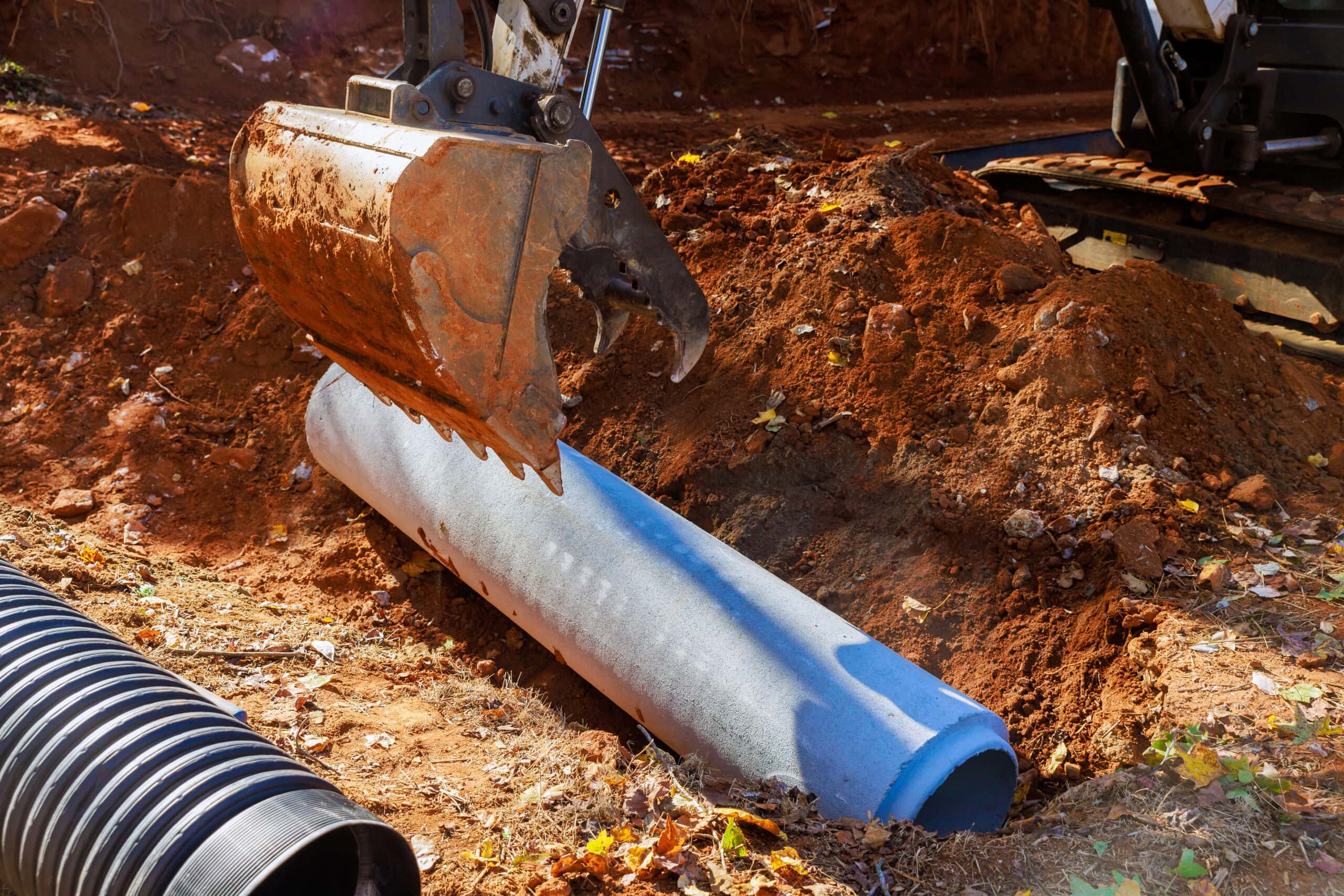
Construction SWPPP: Restaurant in Central Texas
ESE Partners developed a comprehensive Construction Storm Water Pollution Prevention Plan (SWPPP) to support construction of a new located in Central Texas.
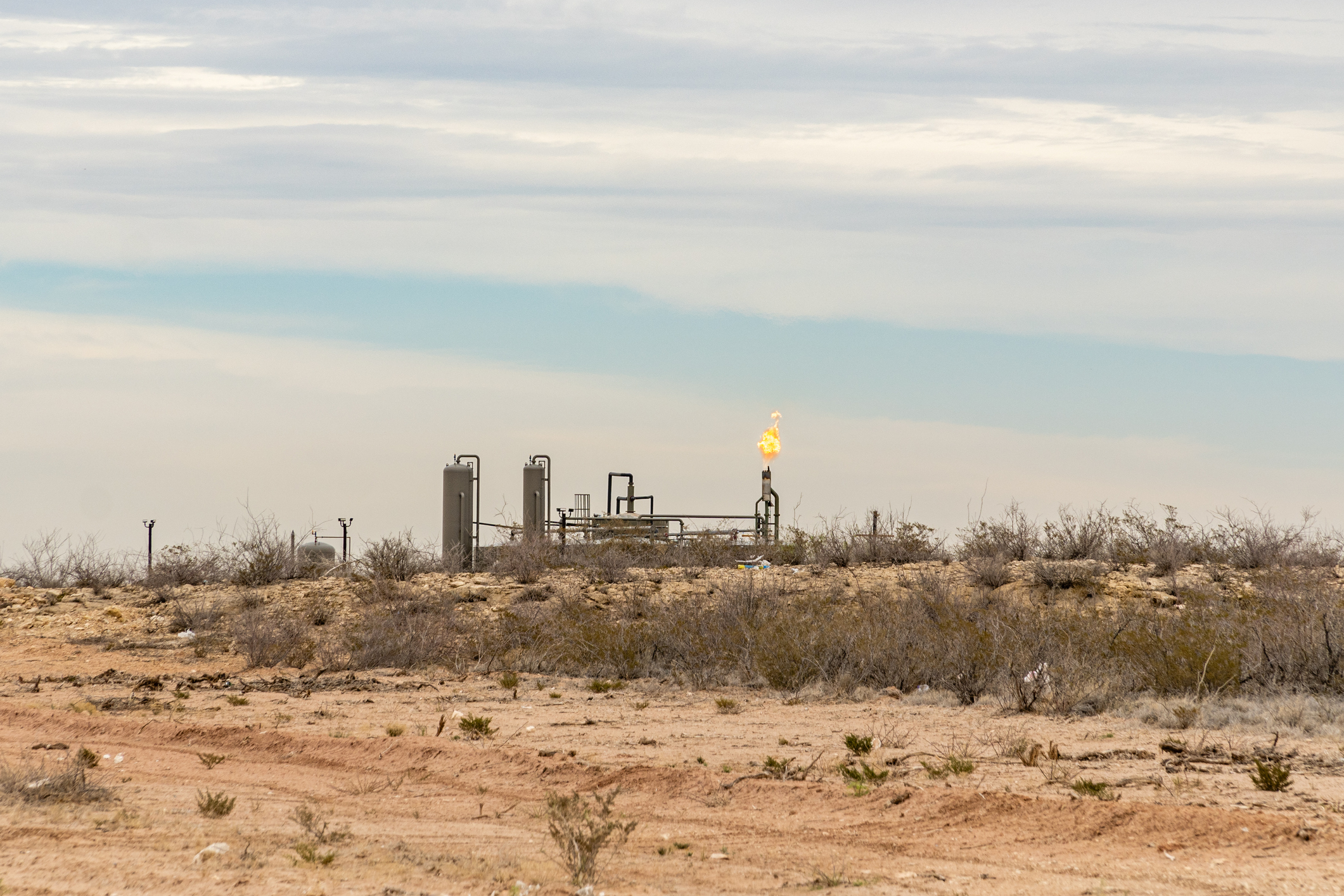
EHS Compliance Support, Air Permitting, and SPCC Plans
ESE Partners conducted comprehensive environmental compliance services for multiple facilities located in South Texas, including Spill Prevention, Control, and Countermeasure (SPCC) plan development and air permitting support.

Efficient Air Permitting for New Transfer Operations
A bulk liquid storage and transfer operator sought to launch a new ethanol transloading operation involving rail-to-truck transfers using closed-loop loading.
Frequently Asked Questions About SWPPP Services
What is a SWPPP (SWP3) and what does it include?
A Stormwater Pollution Prevention Plan is a site-specific plan that identifies potential sources of stormwater pollution and establishes best management practices (BMPs) to reduce sediment, erosion, debris, chemicals, fuels, concrete washout, and other pollutants from leaving a project site in stormwater runoff. In Texas, construction stormwater compliance is generally administered through the Texas Pollutant Discharge Elimination System (TPDES) Construction General Permit, commonly referred to as TXR150000, and TCEQ requires construction site operators to develop and implement an SWP3 before construction activities begin. A properly prepared SWPPP/SWP3 typically includes a site description and project acreage, construction phasing and sequencing, drainage patterns and receiving waters, erosion and sediment controls, stabilization practices, pollution prevention controls, inspection and maintenance procedures, contractor responsibilities, recordkeeping requirements, and permit notices and certifications when applicable.
When is a SWPPP required for my project?
A SWPPP may be required or requested in a range of real-world project scenarios, including construction projects that disturb one acre or more, as well as smaller sites that are part of a larger common plan of development. SWPPPs are commonly needed for commercial real estate development and redevelopment, including industrial, logistics, warehouse, multifamily, retail, and mixed-use projects, as well as energy, utility, pipeline, solar, and infrastructure projects. They are also often required for projects seeking coverage under the TPDES Construction General Permit or undergoing municipal plan review or MS4 compliance review. In addition, lenders, owners, and general contractors may request a SWPPP as part of due diligence, particularly when erosion, sediment discharge, or runoff controls are likely to be scrutinized by regulators or local jurisdictions.
What are the risks of skipping or delaying a SWPPP?
Skipping or delaying a SWPPP can create avoidable business and compliance risk, including delayed site mobilization if permit coverage or municipal documentation is incomplete, regulatory exposure for unauthorized or improperly controlled stormwater discharges, inspection findings related to missing BMPs, poor maintenance, or incomplete records, contractor confusion when erosion and sediment controls are not clearly assigned, lender or owner concerns on projects with environmental compliance conditions, costly corrective actions after sediment leaves the site or reaches storm drains, drainageways, or receiving waters, and project schedule impacts caused by stop-work pressure, municipal redlines, or regulator follow-up. A strong SWPPP does more than check a box — it helps protect the project timeline, budget, and transaction value.
What does ESE Partners' SWPPP / SWP3 process look like?
ESE Partners prepares SWPPP/SWP3 plans that are technically sound, field-usable, and aligned with real project schedules — the goal is not to create a document that sits in a trailer, but to help your team stay compliant while avoiding unnecessary delays, overdesign, or confusion in the field. The process includes: project kickoff and document review (reviewing civil plans, grading sheets, drainage patterns, acreage, construction sequencing, and available permit information); regulatory applicability review (evaluating whether the project is subject to TPDES Construction General Permit requirements, local stormwater requirements, or owner/lender-specific compliance expectations); site-specific SWPPP development (project-specific BMPs, erosion controls, sediment controls, stabilization measures, inspection procedures, and pollution prevention practices); plan exhibits and BMP mapping (site maps, drainage features, outfalls, disturbed areas, receiving waters, construction entrances, silt fence, inlet protection, and stabilization zones); permit support and documentation (required notices, certifications, inspection forms, contractor handoff materials, and compliance recordkeeping); implementation guidance (practical recommendations so contractors understand what needs to be installed, maintained, inspected, and documented); and ongoing compliance support (SWPPP amendments, inspection support, corrective action documentation, and regulator or municipal response as site conditions change).