What Is a Water Resource Evaluation?
A Water Resource Evaluation is a targeted technical assessment of water availability, water quality, and water-related regulatory constraints for a specific site and intended use. Depending on your objectives, it can cover:
- Groundwater (aquifer presence, well feasibility, production potential, water levels, and water quality)
- Surface water (nearby streams/reservoirs, intake feasibility, seasonality, and water rights considerations)
- Supply strategy (new well(s), connection to a public water system, reuse options, or blended supply)
- Constraints and liabilities (contamination risk, treatment needs, and compliance requirements)
Where sampling is needed, results must be defensible—Texas programs commonly rely on TCEQ-accredited laboratory data for regulatory-grade decisions and documentation.
Request Your Water Resource Evaluation Today
Texas’ most trusted environmental experts – comprehensive by design.
When Is It Required?
A Water Resource Evaluation is commonly required or strongly advisable when land acquisition or development depends on water supply feasibility, such as industrial projects, data centers, mixed-use developments, or subdivisions. It can also be important during lender or investor due diligence for water-dependent assets, including manufacturing, agricultural, energy, and infrastructure facilities. Existing facilities may need a water resource evaluation for well siting, well rehabilitation, or suspected compliance concerns. These evaluations are also useful for redevelopment projects near known environmental impacts, such as legacy industrial areas, petroleum sites, landfills, or dry cleaners. Projects involving permits tied to water quality, wastewater, stormwater, site discharge, construction, or dewatering may also benefit from early evaluation. In addition, water resource evaluations can support supply planning under uncertain conditions, including drought resilience, declining groundwater levels, and changing demand.
ESE Partners’ Approach
ESE Partners delivers Water Resource Evaluations that are Comprehensive by Design while staying focused on what moves a deal or project forward. Our approach emphasizes speed without shortcuts, beginning with early desktop feasibility reviews and adding field verification where it meaningfully reduces uncertainty. We provide clear communication through a single point of contact, rapid risk flags, and decision-ready deliverables that help stakeholders act quickly. Our recommendations are practical and focused on quantifying constraints and options rather than overcalling risk. With Texas-specific execution, ESE aligns each evaluation scope with how water is actually managed across the state, recognizing that permits, groundwater districts, and local rules can vary significantly by county and basin.
Our Process
- Define the decision and demand profile: Project water demand (peak/average), quality requirements, and reliability targets.
- Desktop screening (fast feasibility): Review regional hydrogeology, nearby wells, known issues, and likely supply options.
- Regulatory and constraint scan: Identify governing agencies and likely permits/approvals (TCEQ and others as applicable).
- Impact planning support: Avoid/minimize options; conceptual crossing/footprint review with designers.
- Field program (as needed):
- Well inspection / integrity review
- Pump testing or production assessment
- Sampling plan (target analytes aligned to end use and compliance pathway)
- Laboratory testing & data validation: Use TCEQ lab accreditation expectations where defensibility matters.
- Conclusions and water strategy: Provide a concise decision memo and/or technical report with supply options, constraints, and next steps.
Regulatory Framework (Texas-Focused)
A Water Resource Evaluation often intersects with multiple regulatory pathways, depending on how water is used and how a project may affect surface water, groundwater, or regulated discharges. Common touchpoints include TCEQ drinking water and well compliance considerations, particularly when a system is regulated as public drinking water or when a facility must demonstrate microbial safety before returning a well to service. Evaluations may also need to account for TCEQ environmental laboratory accreditation expectations when compliance-grade water quality data is required. In addition, TCEQ water-quality programs and permitting may apply where project activities could impact surface water or groundwater, or where regulated discharges and authorizations are involved. Because project specifics matter, Texas requirements can vary based on whether water is intended for industrial use, irrigation, potable use, or operation as part of a regulated public water system.
Risks of Not Completing This Service
Skipping a Water Resource Evaluation (or doing a “minimal” one) can create avoidable exposure:
- Deal delays: water uncertainty triggers lender conditions, redesign, or entitlement questions late in the process
- Capex surprises: treatment needs, low-yield wells, deeper drilling, or additional wells/pumps
- Schedule risk: permitting and agency coordination becomes reactive instead of planned
- Operational risk: unreliable supply, seasonal constraints, or quality variability that impacts process equipment
- Compliance exposure: insufficient or non-defensible sampling can fail to satisfy agency or stakeholder expectations (especially if regulated decisions depend on lab data).
More Natural Resources Services

Protected Species and Wildlife
ESE Partners provides a wide range of protected species and other wildlife-related services to our clients. ESE’s seasoned Biologists are permitted to conduct presence/absence surveys for federally endangered species and habitat assessments. We have conducted acoustic monitoring and analysis in multiple states for a wide variety of bat and herpetological species. We provide natural resource assessments and federal and state regulatory consultation services as required by our clients’ projects.

Regulatory and Planning Documentation
ESE is experienced with a variety of reporting and field investigations required under the National Environmental Policy Act (NEPA) including Environmental Assessments and Categorical Exclusions and other similar studies requested by our clients. ESE conducts Critical Issues Analyses and Site Characterization Studies for a variety of clients, but primarily for proposed renewable energy development. ESE is experienced with studies required by municipalities, including but not limited to, Environmental Resource Inventories required by the City of Austin.
Industries We Serve
ESE operates in a wide range of industries, all with unique needs and regulatory obligations. We offer experts who understand the broad complexity of environmental challenges faced by today’s businesses.

Real Estate Brokers & Developers
ESE helps brokers and developers reduce deal friction and avoid surprises through fast, defensible environmental due diligence. We support property evaluations, redevelopment risk screening, and transaction-ready reporting for Texas assets.

Private Equity/Capital Investors
Transaction support for acquisitions and portfolio oversight, including Phase I/II ESAs and risk-based evaluation. We provide clear findings, practical recommendations, and scalable diligence support.

Financial Institutions
ESE supports lender-driven environmental due diligence and portfolio risk management, including Phase I/II ESAs and risk screening. We deliver consistent, defensible reporting aligned with credit and closing timelines.

Attorneys
Technical support for environmental risk, liability evaluation, and regulatory strategy. We provide clear documentation and expert collaboration to support transactions, compliance matters, and remediation planning.
Why ESE Partners
As Texas’ Most Trusted Environmental Experts — Comprehensive by Design, ESE Partners combines real-world Texas execution with the breadth of services needed to support the full project lifecycle. Clients choose ESE for Texas-first due diligence across commercial real estate, energy, and infrastructure transactions, as well as integrated support across environmental due diligence, remediation, compliance, natural and cultural resources, and building sciences. Our responsive teams understand the urgency of transaction timelines and construction schedules, providing clear communication and practical recommendations when decisions need to be made quickly. With the ability to scale statewide, ESE supports everything from single-site water resource evaluations to multi-site portfolio rollups.
Need water clarity to keep your project moving?
Contact ESE Partners for a Water Resource Evaluation—and get a scoped plan and proposal fast, aligned to your site, schedule, and risk tolerance.
Our Natural Resource Projects
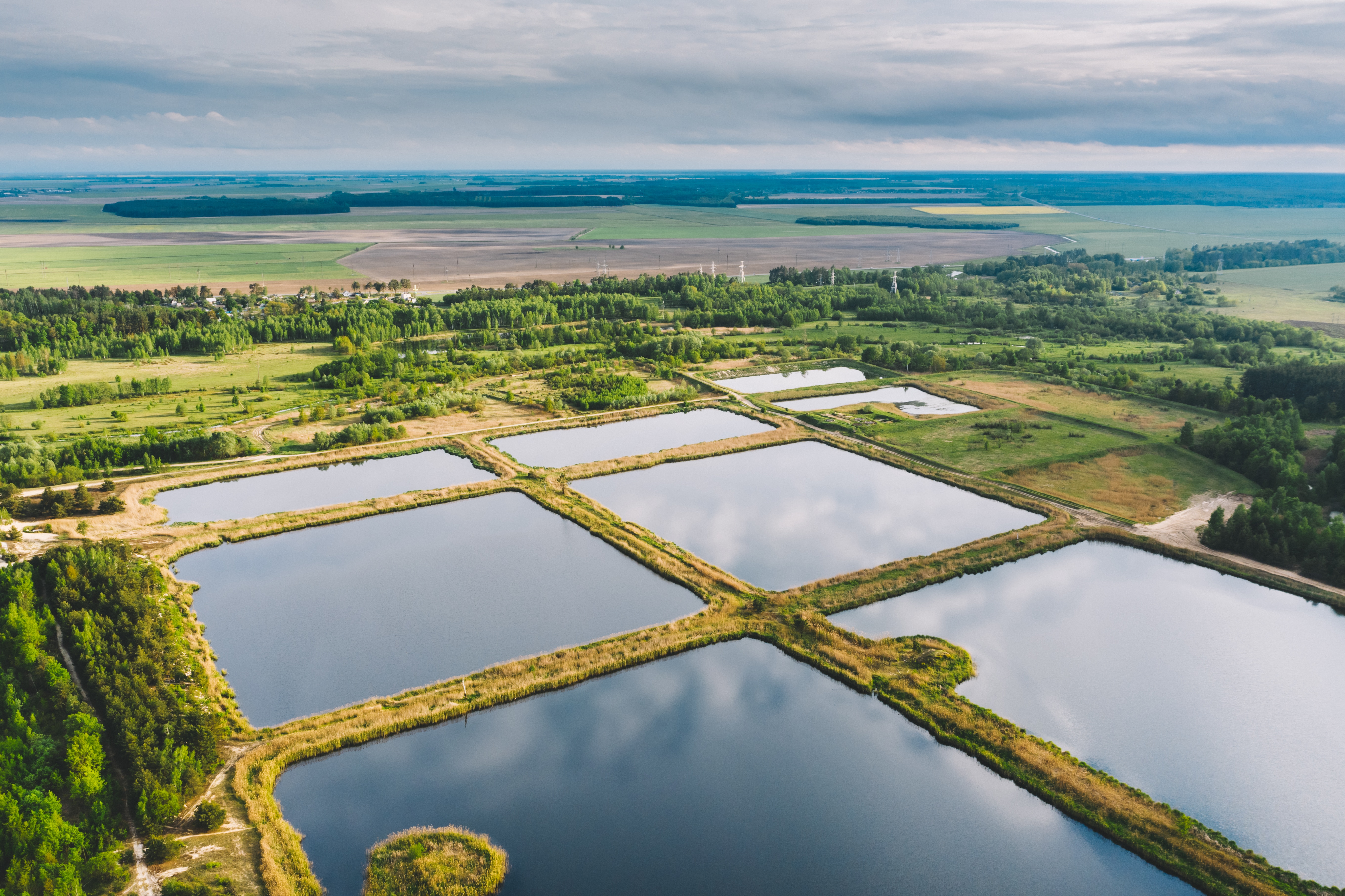
WOTUS Delineation for Proposed Stormwater Detention Improvements
ESE conducted a comprehensive Water Resources Evaluation for an approximately 102-acre tract to support planned stormwater detention improvements and assess potential impacts to Waters of the United States under Section 404 of the Clean Water Act.

Comprehensive Water Resources Evaluation for Linear Transportation Corridor
ESE conducted a comprehensive Wetland and Waters of the United States evaluation along an approximately 16-mile coastal transportation corridor in South Texas to support ongoing infrastructure planning and regulatory coordination.
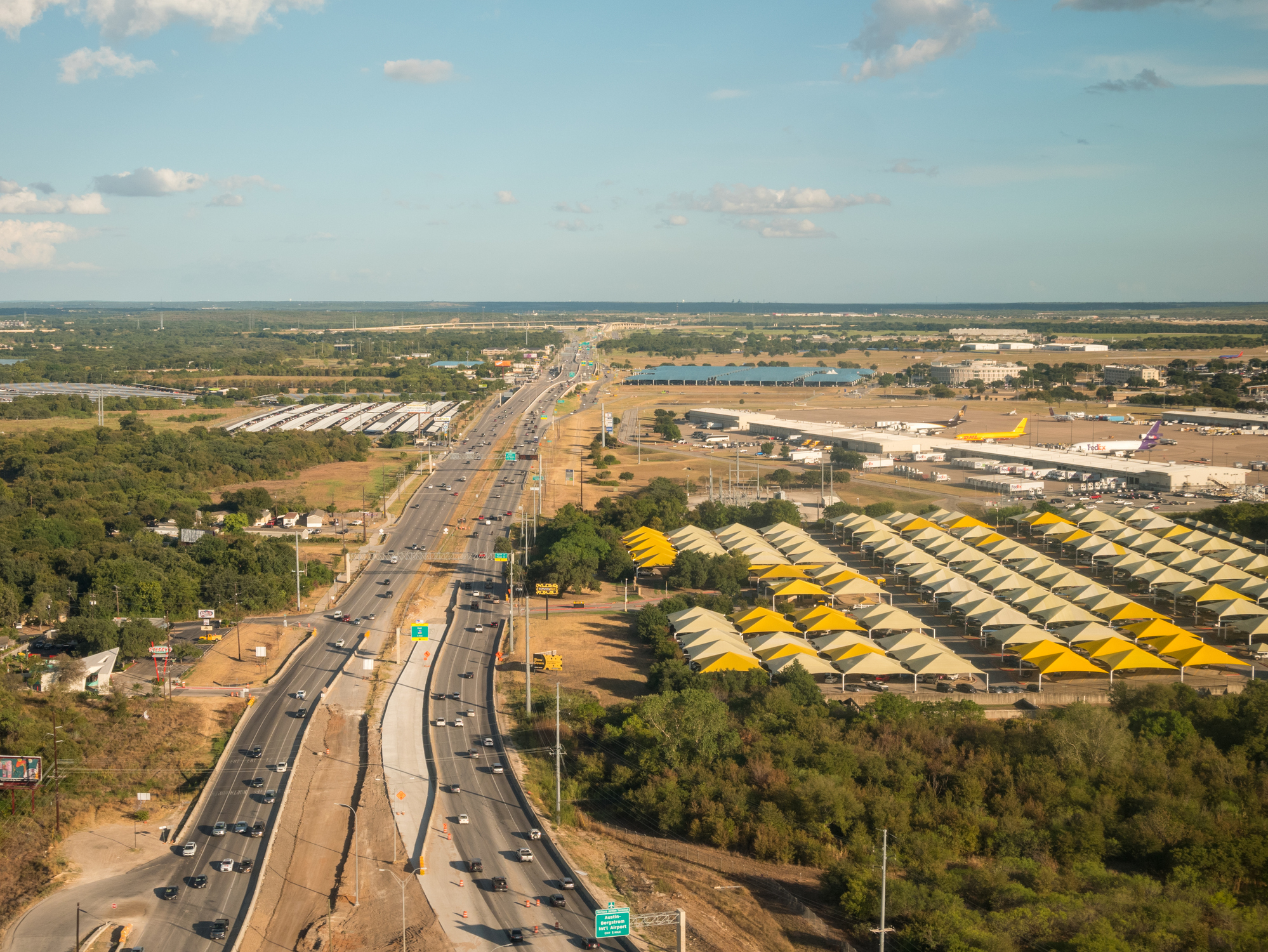
City of Austin ERI
ESE prepared a City of Austin Environmental Resources Inventory (ERI) to fulfill City of Austin requirements and support the project’s planning and development for regional airport parking.
Frequently Asked Questions About Water Resource Evaluation
What is a Water Resource Evaluation and what does it cover?
A Water Resource Evaluation is a targeted technical assessment of water availability, water quality, and water-related regulatory constraints for a specific site and intended use. Depending on your objectives, it can cover groundwater (aquifer presence, well feasibility, production potential, water levels, and water quality), surface water (nearby streams/reservoirs, intake feasibility, seasonality, and water rights considerations), supply strategy (new well(s), connection to a public water system, reuse options, or blended supply), and constraints and liabilities (contamination risk, treatment needs, and compliance requirements). It helps you answer the deal-critical questions early: Is there enough water, is it legally/contractually available, what are the quality constraints, and what does permitting and long-term risk look like? Where sampling is needed, results must be defensible — Texas programs commonly rely on TCEQ-accredited laboratory data for regulatory-grade decisions and documentation.
When is a Water Resource Evaluation required or advisable?
A Water Resource Evaluation is commonly required or strongly advisable when land acquisition or development depends on water supply feasibility, such as industrial projects, data centers, mixed-use developments, or subdivisions. It can also be important during lender or investor due diligence for water-dependent assets, including manufacturing, agricultural, energy, and infrastructure facilities. Existing facilities may need one for well siting, well rehabilitation, or suspected compliance concerns, and evaluations are also useful for redevelopment projects near known environmental impacts (legacy industrial areas, petroleum sites, landfills, or dry cleaners), projects involving permits tied to water quality, wastewater, stormwater, site discharge, construction, or dewatering, and supply planning under uncertain conditions such as drought resilience, declining groundwater levels, and changing demand.
What are the risks of skipping a Water Resource Evaluation or doing a minimal one?
Skipping a Water Resource Evaluation (or doing a “minimal” one) can create avoidable exposure, including deal delays (water uncertainty triggers lender conditions, redesign, or entitlement questions late in the process), capex surprises (treatment needs, low-yield wells, deeper drilling, or additional wells/pumps), schedule risk (permitting and agency coordination becomes reactive instead of planned), operational risk (unreliable supply, seasonal constraints, or quality variability that impacts process equipment), and compliance exposure (insufficient or non-defensible sampling can fail to satisfy agency or stakeholder expectations, especially if regulated decisions depend on lab data).
What does ESE Partners' Water Resource Evaluation process look like?
ESE Partners delivers Water Resource Evaluations that are Comprehensive by Design while staying focused on what moves a deal or project forward — emphasizing speed without shortcuts by beginning with early desktop feasibility reviews and adding field verification where it meaningfully reduces uncertainty. The process includes: defining the decision and demand profile (project water demand — peak/average, quality requirements, and reliability targets); desktop screening for fast feasibility (reviewing regional hydrogeology, nearby wells, known issues, and likely supply options); a regulatory and constraint scan (identifying governing agencies and likely permits/approvals, including TCEQ and others as applicable); a field program as needed (well inspection/integrity review, pump testing or production assessment, and a sampling plan with target analytes aligned to end use and compliance pathway); laboratory testing and data validation (using TCEQ lab accreditation expectations where defensibility matters); and conclusions and water strategy (a concise decision memo and/or technical report with supply options, constraints, and next steps).