Project Overview
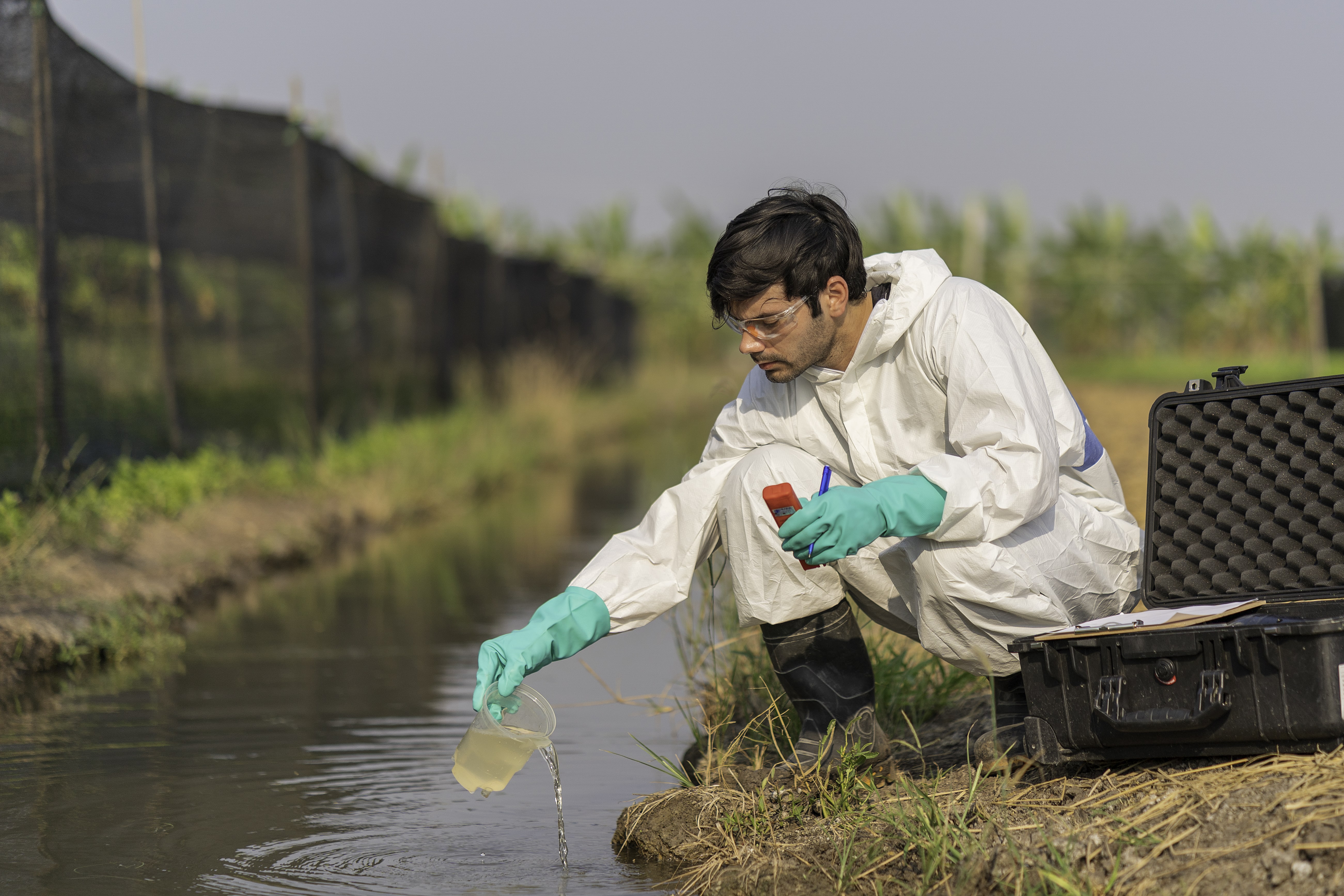
ESE prepared a Site Environmental Health and Safety Plan designed specifically for utility construction activities conducted within Potentially Petroleum Contaminated Areas associated with LPST/PST conditions, providing a clear framework to protect workers, maintain safe operations, and support compliant field execution during active construction.
Challenges
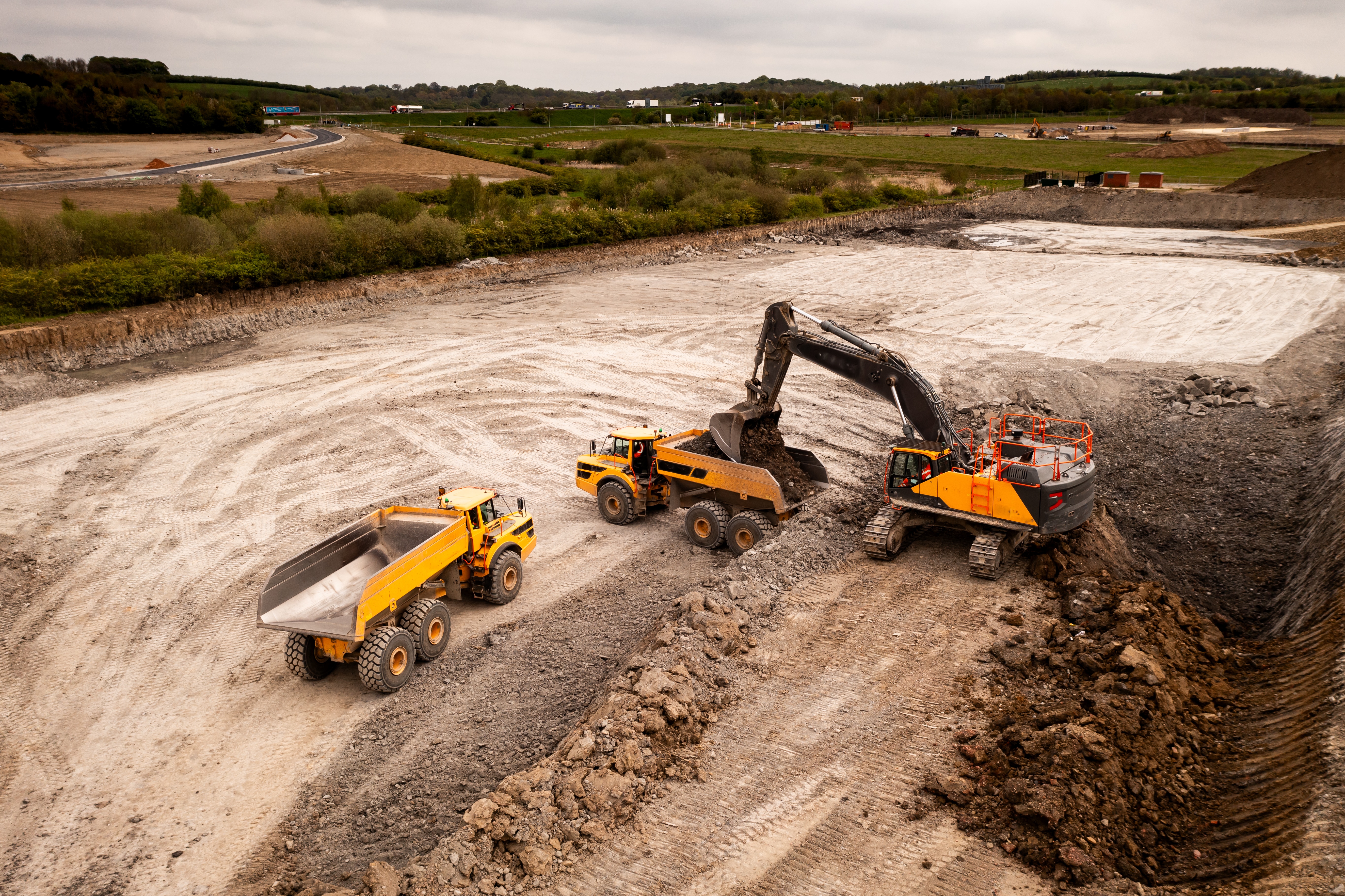
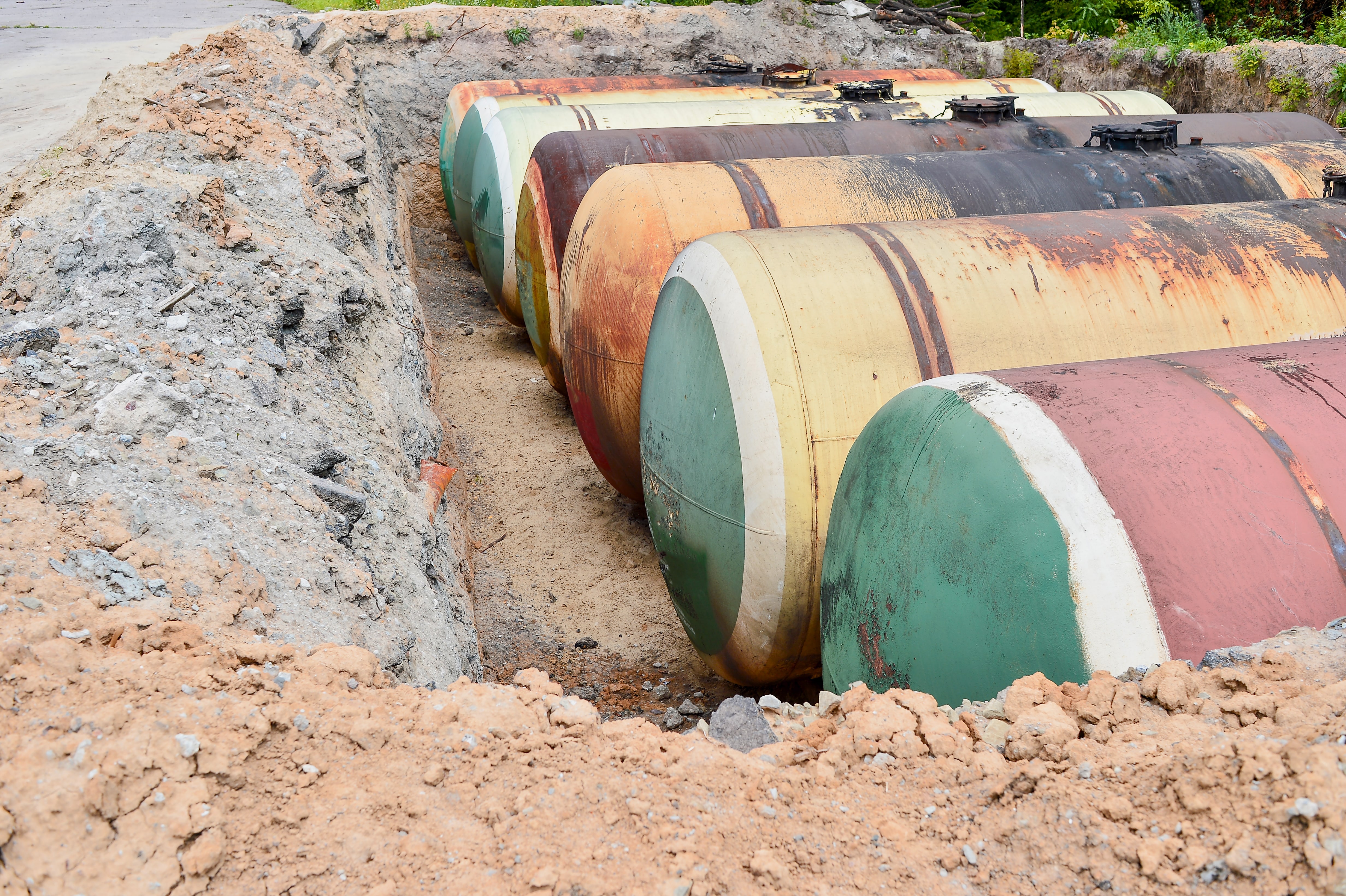
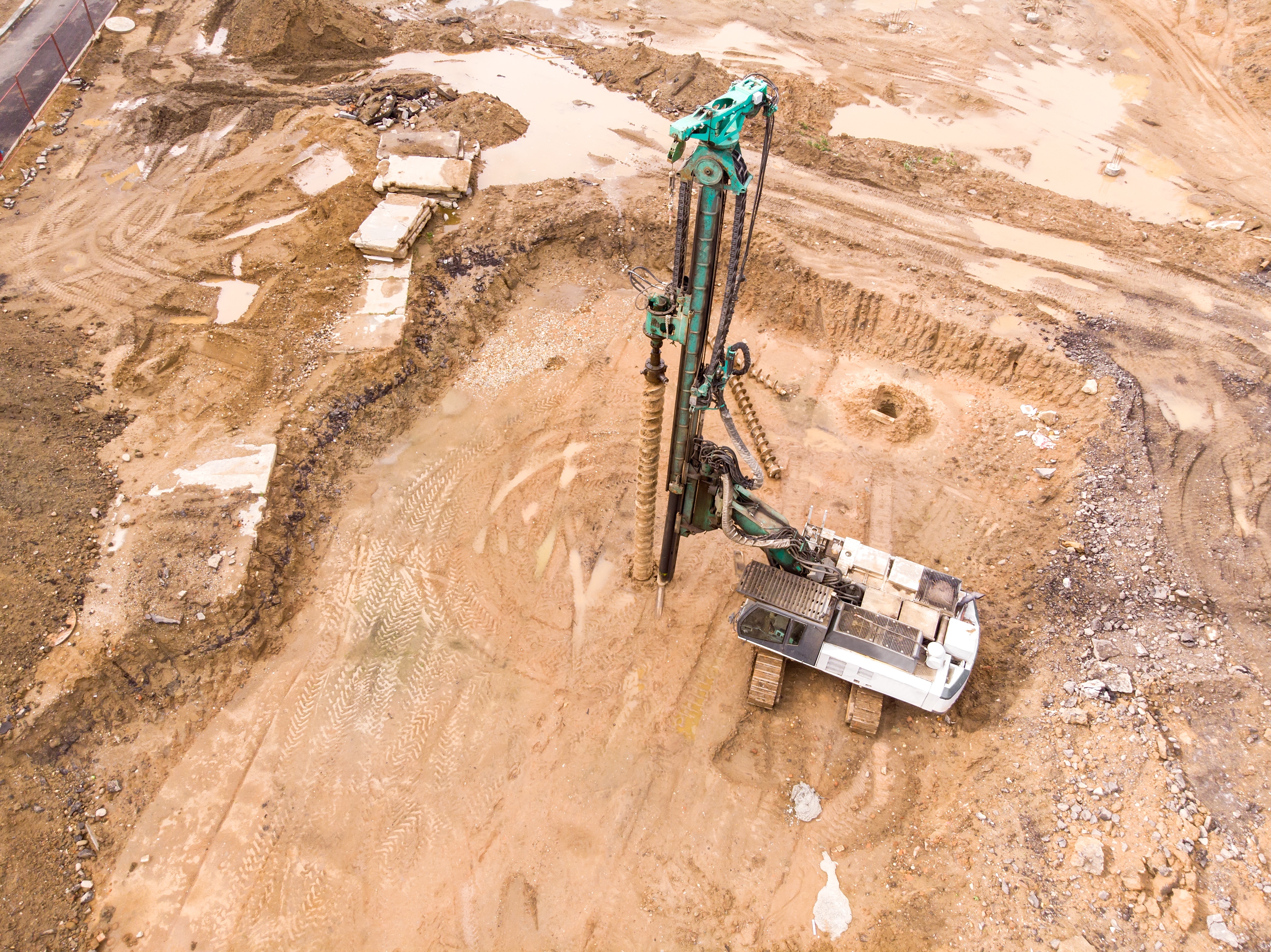
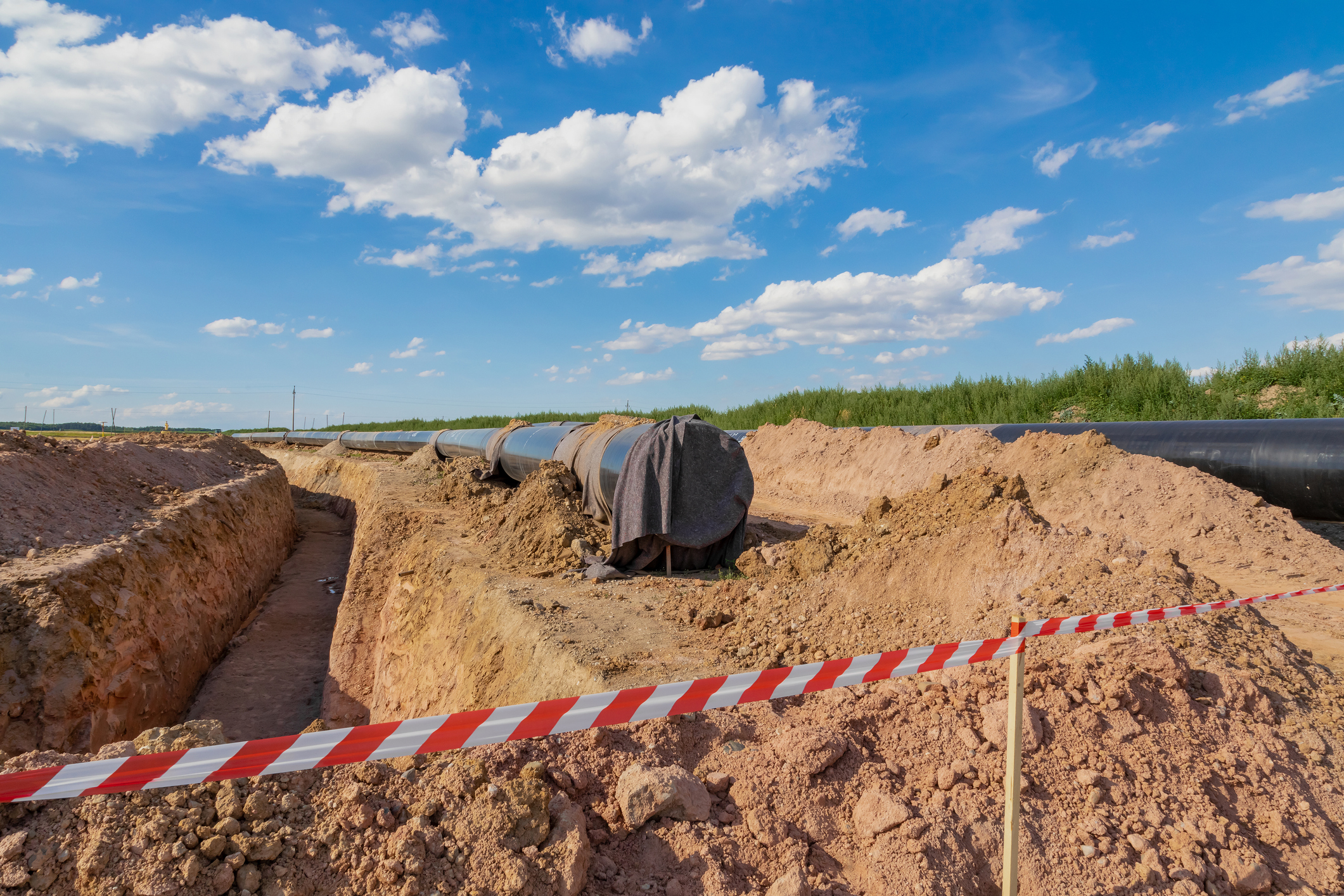
Construction activities in potentially petroleum contaminated areas can create exposure potential to impacted soil and vapors, particularly during excavation, trenching, and material handling, and the work must be performed safely while coordinating with a broader project Health and Safety Plan managed by the general contractor. The project required a practical plan that addressed petroleum-related hazards without duplicating site-wide requirements, so crews could follow one consistent set of controls when working inside designated PPCA work zones.
ESE’s Approach
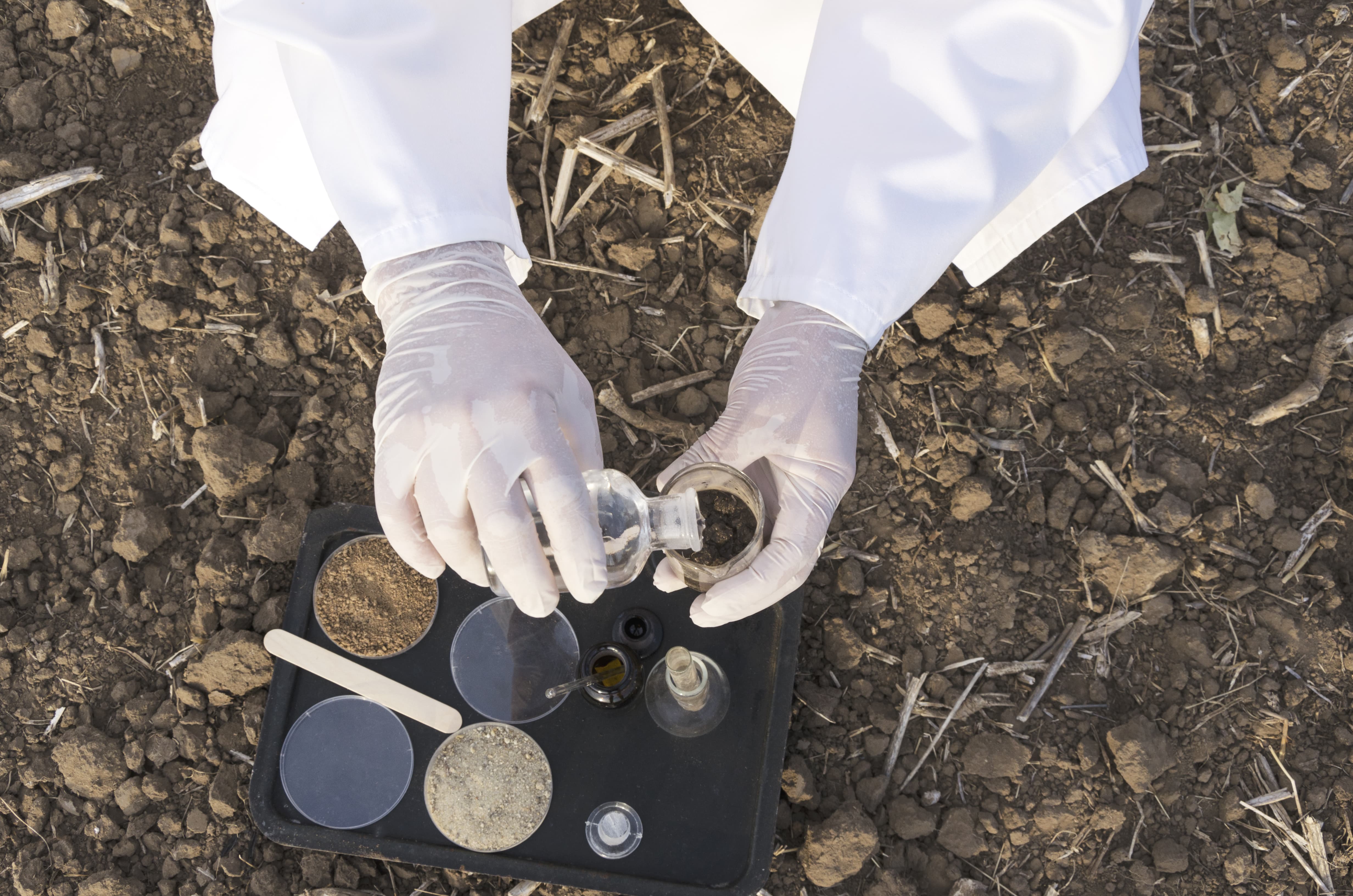
ESE developed an EHASP to serve as a supplement to the primary project HASP, focusing on petroleum contaminated soil and vapor exposure considerations specific to PPCA work areas and providing defined procedures for training, work practices, site controls, hazard mitigation, air monitoring, PPE, decontamination, documentation, and emergency response coordination. The plan establishes responsibility expectations for all participating personnel and requires workers to be trained on the hazards and procedures before performing field activities in PPCA areas.
Key Elements
- Defined roles and responsibilities for safe field operations, including requirements for trained personnel and adherence to site procedures
- Established work practices and site control zones tailored to PPCA utility construction activities
- Included hazard analyses and mitigation procedures to reduce exposure potential during intrusive work
- Provided air monitoring guidance, required PPE expectations, and decontamination procedures for work within potentially impacted areas
- Documented emergency equipment locations and response procedures to support prompt action during incidents
Results
The project team received an implementation-ready EHASP that clarifies petroleum-related exposure controls for PPCA work zones, supports consistent field practices across crews and subcontractors, and integrates with the overarching project HASP to maintain safe, efficient progress during utility and roadway construction.
Project Impact
Corrective action and infrastructure projects succeed when safety controls are defined upfront and applied consistently in the field. By developing a PPCA-specific EHASP that addresses petroleum exposure pathways, work zone controls, and response procedures, ESE helped reduce uncertainty, protect workers, and support compliant construction progress in areas with LPST/PST considerations.