What Is an MSGP?
A Multi-Sector General Permit, or MSGP, provides stormwater discharge authorization for many industrial facilities whose activities may expose materials, equipment, waste, or operations to stormwater. In Texas, this permit is administered by TCEQ under the TPDES program and is commonly referred to as TXR050000.
MSGP compliance typically requires a facility to evaluate whether its operations fall under a regulated industrial sector, obtain or maintain permit coverage where required, prepare and implement a site-specific SWP3/SWPPP, identify drainage areas and outfalls, conduct routine inspections and monitoring, train personnel, and maintain records that demonstrate ongoing compliance. Depending on the sector and site conditions, facilities may also be subject to benchmark monitoring, quarterly visual monitoring, corrective action documentation, annual reporting, and electronic reporting through NetDMR.
Request Your MSGP Today
Texas’ most trusted environmental experts – comprehensive by design.
When Is It Required?
MSGP coverage is commonly required or strongly expected when:
- An industrial facility has stormwater discharges associated with regulated industrial activity
- Materials, equipment, waste, loading areas, storage areas, or processing activities are exposed to stormwater
- A facility falls within one of the regulated MSGP industrial sectors under TCEQ’s TXR050000 permit
- A buyer, lender, investor, or corporate EHS team requests confirmation of stormwater permit coverage during due diligence
- A facility has outfalls, drainage pathways, or historical stormwater records that need to be evaluated before an audit or transaction
- Monitoring, inspection, or SWP3 documentation gaps create potential enforcement exposure
- Annual comprehensive site compliance inspection reporting, DMR reporting, or NetDMR submittals are due
MSGP requirements can vary by facility type, industrial sector, discharge characteristics, and permit status. ESE confirms applicability site-by-site and helps determine whether a facility needs MSGP coverage, another stormwater authorization, or documentation supporting a no-exposure or no-discharge position where applicable.
ESE Partners’ Approach
ESE Partners approaches MSGP compliance as an operational and documentation risk issue — not just a permit file exercise. Our team helps facilities quickly determine what applies, what is missing, and what matters most from a regulatory and business standpoint.
We begin with fast applicability screening to determine whether MSGP coverage is required, which sector applies, what monitoring obligations are triggered, and whether current documentation is defensible. From there, we develop or update SWP3/SWPPP materials to match real facility operations, not generic templates that fail during inspections. Our recommendations focus on practical BMPs, accurate outfall mapping, realistic inspection procedures, corrective action tracking, training, and reporting systems that field teams can actually use.
For transactions, ESE provides clear risk framing for buyers, lenders, counsel, and investment teams, identifying whether stormwater issues represent immediate compliance gaps, manageable post-close actions, or material liability concerns. For operators, we build compliance programs that are organized, inspection-ready, and aligned with TCEQ expectations.
Our Process
- Kickoff + facility information request: ESE gathers site plans, drainage maps, operations summaries, prior permits, SWP3/SWPPP documents, inspection records, monitoring data, and any enforcement or correspondence history.
- Applicability and sector determination: We evaluate whether MSGP coverage applies, identify the relevant industrial sector or sectors, and determine what monitoring, inspection, and reporting obligations may be triggered.
- Site reconnaissance and outfall review: Our team reviews drainage patterns, exposed industrial activities, material storage areas, potential pollutant sources, BMPs, outfalls, and receiving water considerations.
- SWP3/SWPPP development or update: We prepare or revise stormwater planning documents so they reflect actual site conditions, current operations, drainage areas, BMPs, personnel responsibilities, and inspection procedures.
- Monitoring and inspection program setup: ESE helps organize quarterly visual monitoring, analytical monitoring where required, routine inspections, annual comprehensive site compliance inspection documentation, and corrective action workflows.
- Reporting and recordkeeping support: We assist with permit records, DMR preparation, NetDMR support where applicable, annual reporting needs, and documentation packages designed to stand up during TCEQ inspections or audits.
- Corrective action and compliance closeout: If gaps are identified, ESE prioritizes corrective actions, tracks completion, and helps create defensible records showing how issues were addressed.
Regulatory Framework (What “Good” Looks Like)
Industrial stormwater compliance in Texas is commonly anchored by:
- TCEQ TPDES Multi-Sector General Permit TXR050000, the primary general permit for many industrial facilities with stormwater discharges associated with industrial activity.
- Stormwater Pollution Prevention Plan (SWP3/SWPPP) requirements, including pollutant source identification, BMP implementation, inspection procedures, employee training, and recordkeeping.
- Monitoring and sampling expectations, including quarterly visual monitoring and analytical monitoring requirements where applicable by sector or permit condition.
- Annual comprehensive site compliance inspection and reporting obligations, which help document whether the SWP3 is accurate, BMPs are functioning, and corrective actions are needed.
- Electronic reporting through NetDMR, where certain analytical monitoring results and Discharge Monitoring Reports must be submitted according to TCEQ requirements and reporting deadlines.
- Federal NPDES stormwater concepts, which provide the national basis for industrial stormwater permitting even when the program is administered in Texas through TPDES.
Because MSGP obligations depend on facility operations, industrial sector, exposure conditions, outfalls, and permit coverage, ESE confirms the correct compliance pathway for each site rather than assuming a one-size-fits-all approach.
Risks of Not Completing This Service
Failing to manage MSGP compliance can create operational, regulatory, and transaction exposure, including:
- Missed permit coverage or incorrect sector classification
- Outdated or generic SWP3/SWPPP documentation that does not reflect actual site conditions
- Incomplete inspection records, monitoring data, or corrective action documentation
- Missed DMR, NetDMR, or annual reporting deadlines
- Increased risk during TCEQ inspections, corporate EHS audits, or buyer/lender diligence
- Enforcement exposure tied to unauthorized discharges, inadequate BMPs, or poor recordkeeping
- Deal friction when buyers or lenders identify unresolved stormwater compliance gaps late in diligence
- Higher post-close costs if stormwater issues are not identified and scoped before acquisition
Strong MSGP compliance does more than satisfy a permit requirement — it helps facilities reduce risk, improve operational discipline, and protect transaction value.
More Environmental Compliance Services

Air Compliance
As an environmental compliance company, ESE Partners provides numerous air compliance services to the oil & gas, energy, chemical, and manufacturing market sectors. Our air expertise includes air permitting (Permits by Rule, Standard Permits, New Source Review, Title V Permits), air dispersion modeling, onsite auditing and inspections, federal and state regulatory analysis, emissions inventory, GHG analysis, and deviation and periodic reporting.

Water Compliance
ESE’s water compliance capabilities include industrial and construction stormwater permitting, stormwater pollution prevention plan (SWPPP) preparation, SPCC planning, FRPs, RMPs, Tier II reporting, TRI reporting, AST/UST registration/permitting, wastewater permitting and reporting, onsite inspections and compliance audits, drinking water assessments, wetlands determinations, and water sourcing/acquisition planning. Our environmental compliance services keep your facilities in line with state and federal regulations.
Industries We Serve
ESE operates in a wide range of industries, all with unique needs and regulatory obligations. We offer experts who understand the broad complexity of environmental challenges faced by today’s businesses.

Oil & Gas Operators
Environmental consulting for upstream, midstream, and downstream operations—due diligence, compliance support, and remediation strategy. ESE helps operators manage regulatory risk and maintain operational continuity in Texas.

Telecom & Data Center Developers
ESE supports telecom and data center development with due diligence, permitting support, and construction-phase compliance. We help teams identify environmental constraints early, manage site risk, and keep schedules intact.

Land Development & Redevelopment
ESE supports developers with site screening, Phase I/II ESAs, and remediation planning for redevelopment and infill projects. We help identify constraints early and reduce delays during entitlement and construction.
Why ESE Partners
As Texas’ Most Trusted Environmental Experts — Comprehensive by Design, ESE Partners is built to support industrial stormwater compliance where speed, clarity, and defensibility matter. Clients choose ESE because we bring Texas-first expertise under TCEQ permitting expectations, practical field experience, and integrated environmental capabilities that go beyond stormwater.
Our teams support facilities across Houston, Dallas-Fort Worth, Austin, San Antonio, and statewide industrial markets, with scalable delivery for single facilities, multi-site portfolios, and acquisition-driven compliance reviews. ESE also offers related services including environmental due diligence, compliance programs, remediation support, SPCC planning, air and waste compliance, natural and cultural resources, and building sciences.
Most importantly, we communicate clearly. Owners, operators, lenders, attorneys, and corporate EHS teams get decision-ready findings, prioritized corrective actions, and documentation that can support inspections, audits, financing, and transactions.
Need help with MSGP coverage, SWP3 updates, inspections, monitoring, or annual reporting?
Contact ESE Partners to get a proposal and a practical MSGP compliance plan for your facility or portfolio across Houston, Dallas-Fort Worth, Austin, San Antonio, and statewide Texas markets.
Our Environmental Compliance Projects
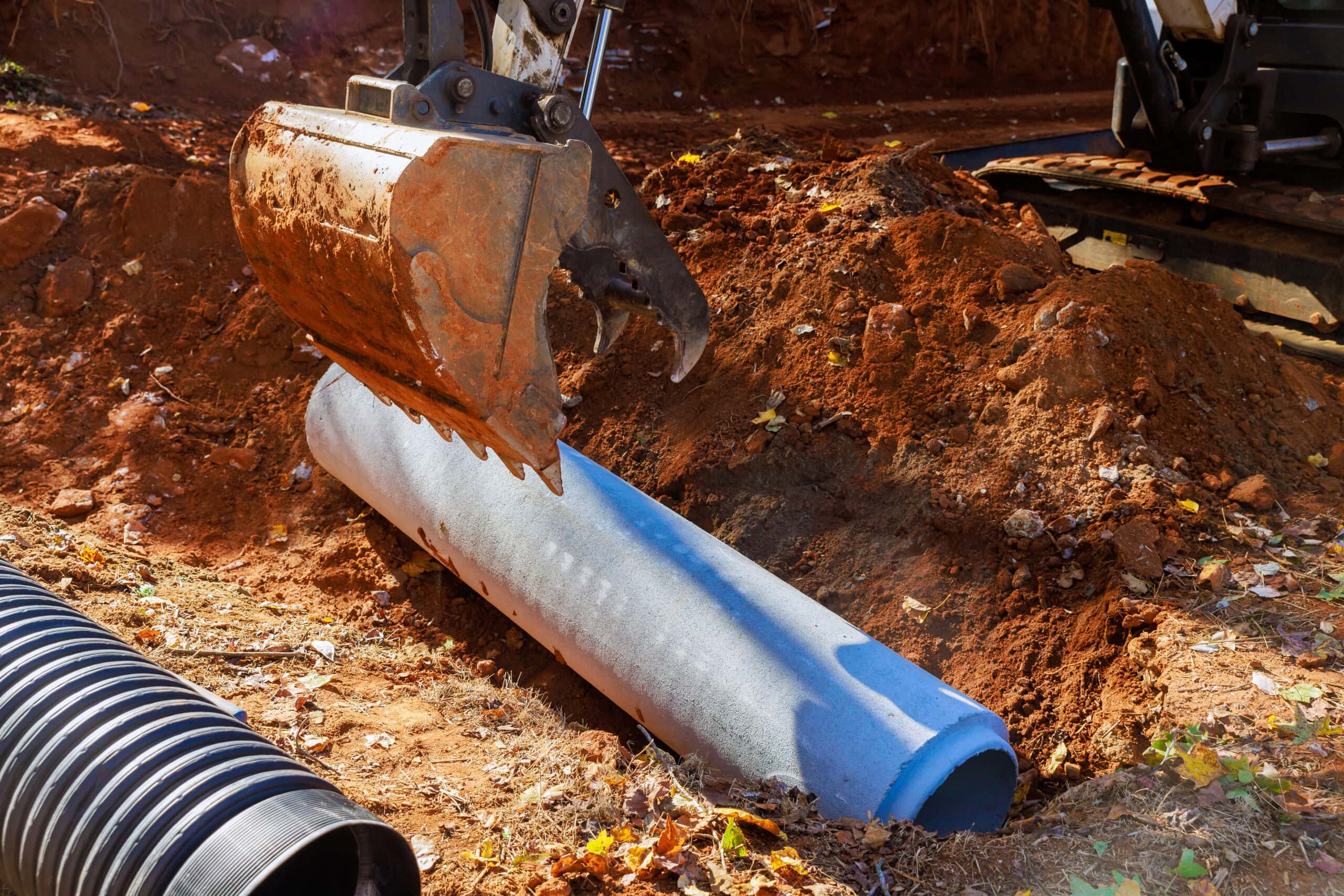
Construction SWPPP: Restaurant in Central Texas
ESE Partners developed a comprehensive Construction Storm Water Pollution Prevention Plan (SWPPP) to support construction of a new located in Central Texas.
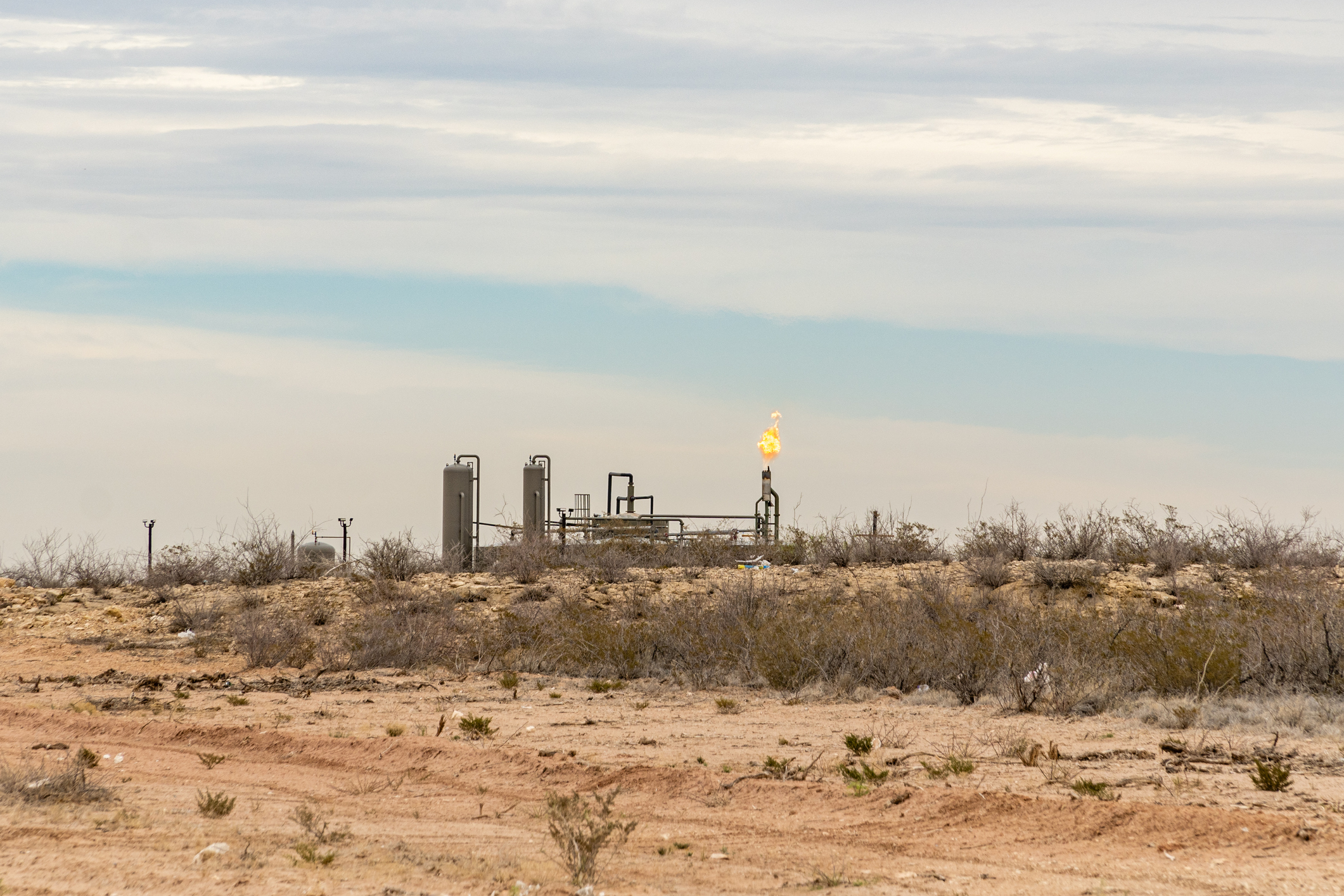
EHS Compliance Support, Air Permitting, and SPCC Plans
ESE Partners conducted comprehensive environmental compliance services for multiple facilities located in South Texas, including Spill Prevention, Control, and Countermeasure (SPCC) plan development and air permitting support.
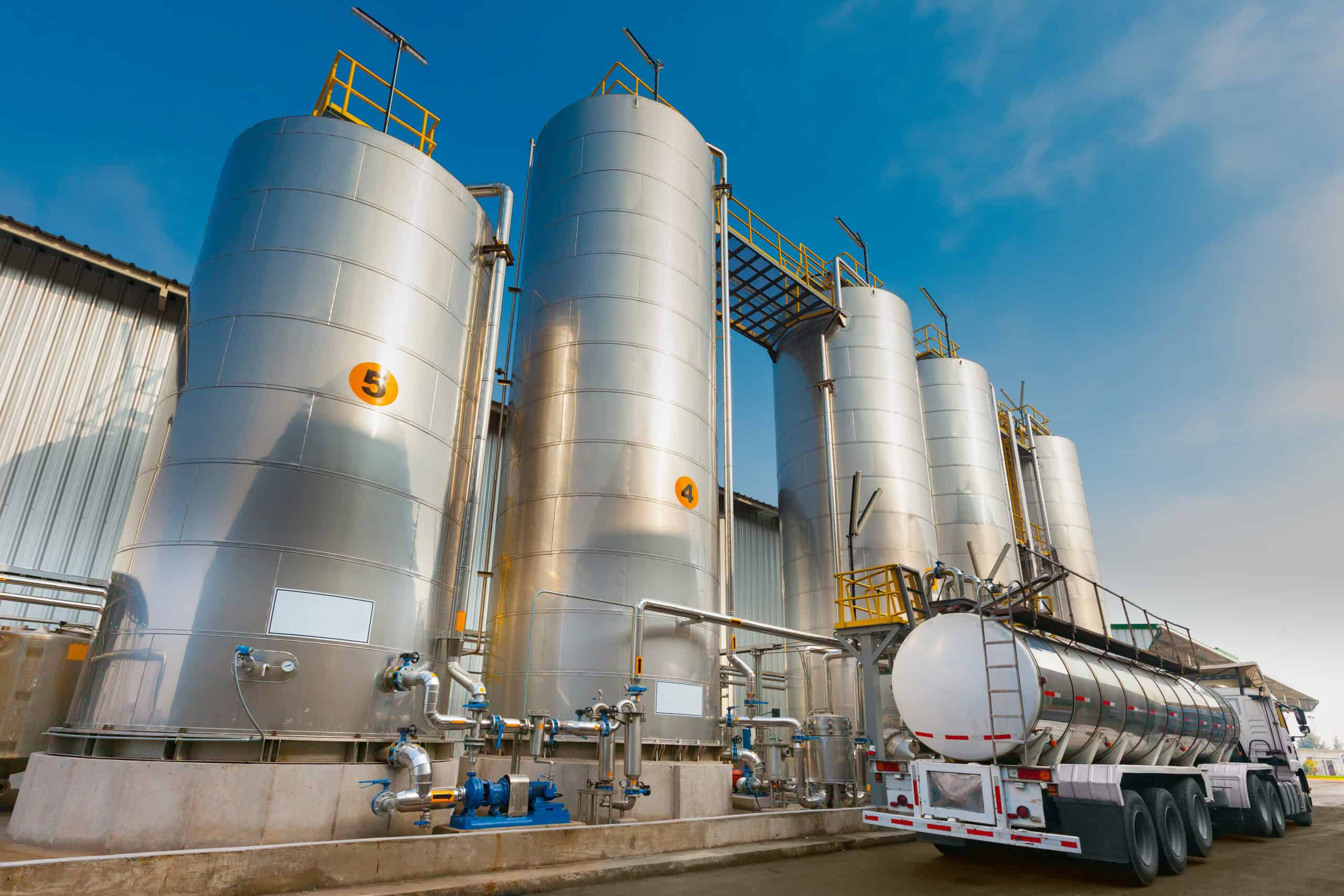
Efficient Air Permitting for New Transfer Operations
A bulk liquid storage and transfer operator sought to launch a new ethanol transloading operation involving rail-to-truck transfers using closed-loop loading.
Frequently Asked Questions About Multi-Sector General Permits
What is an MSGP and what does compliance involve?
A Multi-Sector General Permit, or MSGP, provides stormwater discharge authorization for many industrial facilities whose activities may expose materials, equipment, waste, or operations to stormwater. In Texas, this permit is administered by TCEQ under the TPDES program and is commonly referred to as TXR050000. MSGP compliance typically requires a facility to evaluate whether its operations fall under a regulated industrial sector, obtain or maintain permit coverage where required, prepare and implement a site-specific SWP3/SWPPP, identify drainage areas and outfalls, conduct routine inspections and monitoring, train personnel, and maintain records that demonstrate ongoing compliance. Depending on the sector and site conditions, facilities may also be subject to benchmark monitoring, quarterly visual monitoring, corrective action documentation, annual reporting, and electronic reporting through NetDMR.
When is MSGP coverage required for my facility?
MSGP coverage is commonly required or strongly expected when an industrial facility has stormwater discharges associated with regulated industrial activity, when materials, equipment, waste, loading areas, storage areas, or processing activities are exposed to stormwater, when a facility falls within one of the regulated MSGP industrial sectors under TCEQ’s TXR050000 permit, when a buyer, lender, investor, or corporate EHS team requests confirmation of stormwater permit coverage during due diligence, when a facility has outfalls, drainage pathways, or historical stormwater records that need to be evaluated before an audit or transaction, when monitoring, inspection, or SWP3 documentation gaps create potential enforcement exposure, or when annual comprehensive site compliance inspection reporting, DMR reporting, or NetDMR submittals are due. Because requirements can vary by facility type, industrial sector, discharge characteristics, and permit status, ESE confirms applicability site-by-site and helps determine whether a facility needs MSGP coverage, another stormwater authorization, or documentation supporting a no-exposure or no-discharge position where applicable.
What are the risks of not managing MSGP compliance?
Failing to manage MSGP compliance can create operational, regulatory, and transaction exposure, including missed permit coverage or incorrect sector classification, outdated or generic SWP3/SWPPP documentation that does not reflect actual site conditions, incomplete inspection records, monitoring data, or corrective action documentation, missed DMR, NetDMR, or annual reporting deadlines, increased risk during TCEQ inspections, corporate EHS audits, or buyer/lender diligence, enforcement exposure tied to unauthorized discharges, inadequate BMPs, or poor recordkeeping, deal friction when buyers or lenders identify unresolved stormwater compliance gaps late in diligence, and higher post-close costs if stormwater issues are not identified and scoped before acquisition. Strong MSGP compliance does more than satisfy a permit requirement — it helps facilities reduce risk, improve operational discipline, and protect transaction value.
What does ESE Partners' MSGP compliance process look like?
ESE Partners approaches MSGP compliance as an operational and documentation risk issue — not just a permit file exercise — beginning with fast applicability screening to determine whether MSGP coverage is required, which sector applies, what monitoring obligations are triggered, and whether current documentation is defensible, then developing or updating SWP3/SWPPP materials to match real facility operations rather than generic templates that fail during inspections. The process includes: kickoff and facility information request (gathering site plans, drainage maps, operations summaries, prior permits, SWP3/SWPPP documents, inspection records, monitoring data, and enforcement history); applicability and sector determination; site reconnaissance and outfall review (drainage patterns, exposed industrial activities, material storage areas, potential pollutant sources, BMPs, outfalls, and receiving water considerations); SWP3/SWPPP development or update; monitoring and inspection program setup (quarterly visual monitoring, analytical monitoring where required, routine inspections, annual comprehensive site compliance inspection documentation, and corrective action workflows); reporting and recordkeeping support (permit records, DMR preparation, NetDMR support, annual reporting, and audit-ready documentation packages); and corrective action and compliance closeout (prioritizing corrective actions, tracking completion, and creating defensible records showing how issues were addressed).