PROJECT OVERVIEW
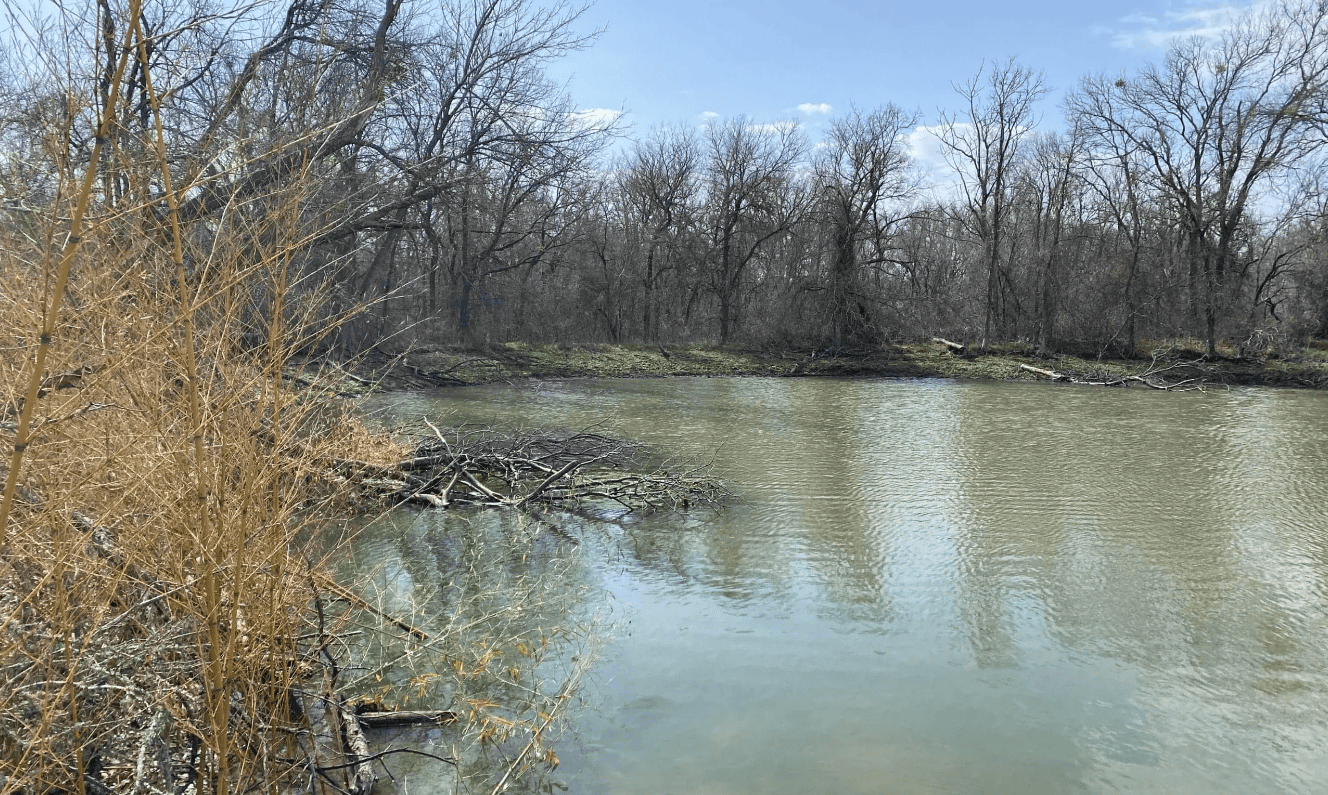
A municipal lake in Carlsbad, New Mexico required an adaptive aquatic plant management plan to address nuisance submerged vegetation while maintaining recreational access, water quality, and ecological function. The waterbody supports boating, fishing, public events, and shoreline recreation within a managed riverine system. ESE was engaged to evaluate vegetation conditions, management alternatives, ecological constraints, and regulatory considerations.
CHALLENGES
The lake supported widespread sago pondweed growth, with historical occurrence of Eurasian watermilfoil, brittle naiad, and toxic golden algae. Management decisions were constrained by Clean Water Act considerations, New Mexico water quality requirements, aquatic invasive species controls, USFWS protected species screening, and the risk that herbicides, dredging, or excessive disturbance could trigger nutrient releases and harmful algal blooms.
ESE’S APPROACH
ESE completed a records review, field vegetation survey, GIS mapping, ecological risk evaluation, and regulatory review to support an adaptive management framework. The approach prioritized nutrient export, targeted mechanical removal, and avoidance of control methods likely to increase dissolved nutrients, sediment disturbance, or golden algae toxicity risk. Recommendations were structured by management zone to align operational methods with recreational use, infrastructure protection, and ecological safeguards.
KEY ELEMENTS IMPLEMENTED
- Conducted rake-toss vegetation surveys and GPS-based mapping of species distribution, density, depth, and substrate conditions
- Evaluated aquatic plant control options, including harvesting, DASH, benthic barriers, drawdown, herbicides, dredging, dyes, fertilization, and grass carp
- Developed a chemical-free zonal management framework for open water, swim areas, docks, and static infrastructure
- Established golden algae monitoring thresholds to guide harvesting intensity and operational shutdown decisions
- Prepared regulatory considerations for NMED, NMDGF, EPA, USACE, USFWS, pesticide permitting, solid waste, and construction stormwater
- Integrated stormwater runoff improvement concepts to reduce long-term nutrient loading into the lake
RESULTS
The plan provided a defensible, science-based strategy for managing nuisance vegetation without relying on chemical treatment or broad sediment disturbance. ESE’s recommendations improved the municipality’s ability to maintain navigation, recreation, and public safety while reducing the risk of nutrient-driven golden algae blooms and associated fish kills.
PROJECT IMPACT
The project established an implementation-ready framework for adaptive lake management, annual harvesting, public communication, and regulatory coordination. By linking vegetation control to nutrient export and monitoring triggers, the plan supports long-term audit readiness, operational consistency, and defensible decision-making for a high-use public waterbody.