What Is an Environmental Desktop Review?
An Environmental Desktop Review compiles and interprets available information to identify potential environmental concerns such as:
- Historic uses (e.g., dry cleaner, service station, industrial operations)
- Nearby regulated sites or known releases
- Environmental liens and activity/use limitations (where available)
- Indicators of petroleum storage (USTs), hazardous materials, and waste handling
- Readily available agency database findings and historical mapping
Unlike a Phase I ESA, a desktop review is generally a risk-screening tool, not a formal AAI-compliant assessment. Phase I ESAs are commonly performed to ASTM E1527-21 and align with EPA’s AAI framework in 40 CFR Part 312.
Request Your Environmental Desktop Review (EDR) Today
Texas’ most trusted environmental experts – comprehensive by design.
When Is It Required (or Commonly Requested)?
Environmental Desktop Reviews are commonly used for:
- Early deal screening (before spending time/money on a Phase I ESA)
- Low-risk properties (e.g., newer retail/office with limited operational history)
- Portfolio triage (ranking sites for Phase I/Phase II prioritization)
- Compressed timelines (auction deals, short-option periods, rapid site selection)
- Internal lender or investor screening (when a full Phase I isn’t required yet)
If your goal is CERCLA liability protection (e.g., BFPP/innocent landowner defenses), a desktop review generally isn’t sufficient; that’s the purpose of AAI/Phase I diligence.
ESE Partners’ Approach
At ESE Partners, environmental desktop reviews are built to be deal-focused and decision-ready. Our team provides clear recommendations, such as “go,” “no-go,” or “proceed with Phase I,” so clients understand the practical implications of the findings. We apply Texas-specific context, including common legacy risks such as former service stations, oil and gas-related uses, rail corridors, and industrial areas. Our approach emphasizes practical risk framing, avoiding unnecessary overcalling while still identifying meaningful red flags. With fast turnarounds to support transaction velocity across Houston, Dallas–Fort Worth, Austin, San Antonio, and statewide markets, ESE helps deal teams make informed decisions quickly.
Our Process
- Scope confirmation (5–10 minutes): address, property type, planned use, timeline, and decision need
- Records & database review: federal/state/local sources as appropriate; nearby site screening
- Historical use review: aerials, topographic maps, city directories/data sources where available
- Risk screening memo/report: key findings, maps, and “what it means for the deal”
- Next-step options: proceed, proceed with conditions, Phase I ESA, or targeted Phase II sampling strategy
Regulatory Framework (How It Fits)
Environmental desktop reviews are not a single regulated product, but they sit within the same liability and due diligence ecosystem as more formal environmental assessments. The EPA’s All Appropriate Inquiries (AAI) rule, defined in 40 CFR Part 312, is commonly referenced for CERCLA liability defenses, and Phase I ESAs are designed to align with AAI requirements. The ASTM Phase I ESA standard, including ASTM E1527, is the widely used standard practice for Phase I ESAs. The bottom line is that if a lender, counsel, or equity partner needs AAI for liability protection, a Phase I ESA is typically required rather than only a desktop review.
Risks of Not Completing This Service
Skipping even a desktop-level screen can lead to:
- Surprise environmental issues late in the deal (schedule impacts, retrades, or termination)
- Lender friction if environmental risk isn’t framed early
- Unbudgeted Phase II costs after red flags surface (instead of planning proactively)
- Regulatory exposure when legacy issues are discovered after acquisition
More Environmental Due Diligence Services

Phase II Environmental Site Assessment (ESAs)
A Phase II Environmental Site Assessment is often warranted when a Phase I ESA identifies a Recognized Environmental Condition, requiring further investigation. The purpose of a Phase II ESA is to confirm or deny the presence of chemicals of concern in the environment. The Phase II ESA involves the sampling and laboratory analysis of multiple medias, often including soil, soil gas, and groundwater. The analytical testing results are compared to regulatory limits and criteria established by the applicable government agency. Further remedial action may be warranted based on the results of the Phase II ESA.

Property Condition Assessments (PCAs)
Costs for replacement or repair of major systems, components or equipment at a property can blindside buyers. ESE provides Property Condition Assessments (PCAs) on a variety of commercial structures to educate a buyer or lender with valuable insight regarding costs to remedy physical deficiencies. PCAs are conducted in accordance with the ASTM E 2018-15 guidance document and are often conducted concurrently with a Phase I ESA.
Industries We Serve
ESE operates in a wide range of industries, all with unique needs and regulatory obligations. We offer experts who understand the broad complexity of environmental challenges faced by today’s businesses.

Real Estate Brokers & Developers
ESE helps brokers and developers reduce deal friction and avoid surprises through fast, defensible environmental due diligence. We support property evaluations, redevelopment risk screening, and transaction-ready reporting for Texas assets.

Private Equity/Capital Investors
Transaction support for acquisitions and portfolio oversight, including Phase I/II ESAs and risk-based evaluation. We provide clear findings, practical recommendations, and scalable diligence support.

Financial Institutions
ESE supports lender-driven environmental due diligence and portfolio risk management, including Phase I/II ESAs and risk screening. We deliver consistent, defensible reporting aligned with credit and closing timelines.

Attorneys
Technical support for environmental risk, liability evaluation, and regulatory strategy. We provide clear documentation and expert collaboration to support transactions, compliance matters, and remediation planning.
Why ESE Partners
Texas’ Most Trusted Environmental Experts — Comprehensive by Design means clients get Texas-focused environmental due diligence teams that understand transaction pressure and the need for fast, defensible answers. ESE Partners offers full lifecycle capabilities beyond desktop screening, including Phase I ESAs, Phase II ESAs, remediation support, compliance, and building sciences. Our team provides clear communication and scalable delivery across major Texas metros, helping single-site and portfolio transactions move efficiently. Most importantly, we deliver practical recommendations that support real-world decisions, not academic reports.
Send us the property address and your timeline—ESE Partners will deliver a decision-ready environmental desktop review that keeps your deal moving.
Our Environmental Due Diligence Projects
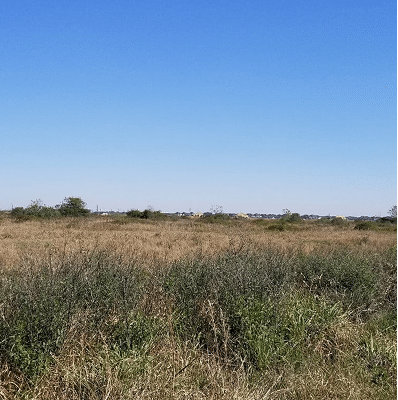
Phase I and II for residential Home Developer in Flushear, Texas
ESE performed a Phase I ESA on approximately 143-acre property in a future master-planned community in the greater Houston area.

Pre-Acquisition Due Diligence in Downtown San Antonio
ESE performed pre-acquisition due diligence for two contiguous city blocks in downtown San Antonio, Texas with development history dating back to the late 1800’s.

Phase I and II for residential Home Developer in Flushear, Texas
ESE performed a Phase I ESA on approximately 143-acre property in a future master-planned community in the greater Houston area.
Frequently Asked Questions About Environmental Desktop Reviews
What is an Environmental Desktop Review, and how does it differ from a Phase I ESA?
An Environmental Desktop Review is a fast, records-based environmental due diligence product used to screen a property for likely environmental risk without a full site visit. It compiles and interprets available information to identify potential environmental concerns such as historic uses (e.g., dry cleaner, service station, industrial operations), nearby regulated sites or known releases, environmental liens and activity/use limitations (where available), indicators of petroleum storage (USTs), hazardous materials, and waste handling, and readily available agency database findings and historical mapping. Unlike a Phase I ESA, a desktop review is generally a risk-screening tool, not a formal AAI-compliant assessment — and it typically does not meet EPA “All Appropriate Inquiries” (AAI) requirements for CERCLA liability protections, which is what a Phase I ESA (commonly performed to ASTM E1527-21) is designed to address.
When is an Environmental Desktop Review commonly used?
Environmental Desktop Reviews are commonly used for early deal screening (before spending time/money on a Phase I ESA), low-risk properties (e.g., newer retail/office with limited operational history), portfolio triage (ranking sites for Phase I / Phase II prioritization), compressed timelines (auction deals, short-option periods, rapid site selection), and internal lender or investor screening (when a full Phase I isn’t required yet). However, if your goal is CERCLA liability protection (e.g., BFPP/innocent landowner defenses), a desktop review generally isn’t sufficient — that’s the purpose of AAI/Phase I diligence.
What are the risks of skipping even a desktop-level environmental screen?
Skipping even a desktop-level screen can lead to surprise environmental issues late in the deal (schedule impacts, retrades, or termination), lender friction if environmental risk isn’t framed early, unbudgeted Phase II costs after red flags surface (instead of planning proactively), and regulatory exposure when legacy issues are discovered after acquisition.
What does ESE Partners' Environmental Desktop Review process look like?
ESE Partners builds environmental desktop reviews to be deal-focused and decision-ready — providing clear recommendations such as “go,” “no-go,” or “proceed with Phase I,” applying Texas-specific context (including common legacy risks such as former service stations, oil and gas-related uses, rail corridors, and industrial areas), and emphasizing practical risk framing that avoids unnecessary overcalling while still identifying meaningful red flags. The process includes: scope confirmation (address, property type, planned use, timeline, and decision need); records and database review (federal/state/local sources as appropriate, plus nearby site screening); historical use review (aerials, topographic maps, city directories/data sources where available); a risk screening memo/report (key findings, maps, and “what it means for the deal”); and next-step options (proceed, proceed with conditions, Phase I ESA, or a targeted Phase II sampling strategy).