What Is an Oil & Gas Pre-Drill Assessment?
An Oil & Gas Pre-Drill Assessment is a site-specific environmental due diligence and baseline documentation program completed before pad construction, drilling, or hydraulic fracturing. Unlike generic desktop reviews, a strong pre-drill package blends:
- Records review + site reconnaissance to identify historical and nearby sources of impact (legacy oilfield features, adjacent industrial uses, waste pits, pipelines, spills, etc.).
- Baseline sampling (when warranted) of media that commonly drive disputes or claims—typically water wells, sometimes soil/sediment and surface water.
- Regulatory pathway screening tied to Texas jurisdiction (Railroad Commission of Texas vs. TCEQ), plus any applicable federal overlays (e.g., Clean Air Act NSPS OOOOb for certain oil & gas sources).
- Practical recommendations to reduce risk without overcalling issues that don’t matter to the drill plan.
In short: it’s an operator-grade environmental snapshot of “what’s there today,” plus a forward-looking risk screen for “what could derail tomorrow.”
Request Your Oil & Gas Pre-Drill Environmental Assessment Today
Texas’ most trusted environmental experts – comprehensive by design.
When Is It Required?
Pre-drill assessments are not always explicitly mandated by a single rule for every well, but they are frequently required by deal terms, landowner agreements, or internal operator standards. They are also often one of the most cost-effective ways to prevent disputes, delays, and liability questions before drilling begins. Common triggers include a new drill pad or first well on a tract, especially where nearby domestic or livestock wells exist, as well as farm, ranch, or residential receptors located near the proposed pad, access road, or pipeline corridor. Pre-drill assessments are also valuable during acquisitions or divestitures when a buyer wants baseline protection before development, or when surface use agreements require baseline water well testing and documentation. They may also support disposal or injection planning where protecting usable-quality groundwater is central to permitting defensibility, and they are especially important in enforcement-sensitive areas where produced water management and disposal planning may face heightened scrutiny.
ESE Partners’ Approach
ESE Partners executes oil and gas pre-drill environmental assessments with the same mindset we bring to transaction due diligence: move fast, document defensibly, and stay practical. Clients value our schedule-first execution, with field mobilization aligned to survey, civil, and rig timelines. We develop baseline documentation that holds up through clear chain-of-custody procedures, accredited laboratory methods, and records designed for real-world disputes or stakeholder questions. With Texas regulatory fluency, ESE understands where Railroad Commission of Texas rules and TCEQ programs intersect—and where they do not. Our team avoids “gotcha” consulting by focusing on risks that affect drilling, liability, and stakeholder exposure, without adding noise that wastes time or money. We also provide clear deliverables for landowners, attorneys, insurers, and other stakeholders when applicable.
Our Process
- Kickoff & scope confirmation: Define receptors, radius, access constraints, schedule, and reporting needs (operator, landowner, counsel, insurer).
- Desktop screening (fast-turn): Review available regulatory and environmental context to focus field effort where it matters.
- Site reconnaissance: Document current conditions with geotagged photos: pad area, access roads, nearby wells, drainage, and potential legacy features.
- Baseline sampling (as needed): Typical packages include domestic/livestock water wells, plus optional soil/sediment or surface water based on risk profile.
- Data validation + interpretation: Results reviewed against appropriate reference points (e.g., drinking water benchmarks where relevant) and contextualized to local geology and land use.
- Pre-Drill Assessment Report: A concise, defensible report with findings, figures, lab reports, and clear recommendations.
Regulatory Framework (Texas-Focused)
A strong pre-drill assessment aligns with the regulatory realities that shape oil and gas development in Texas. This includes Railroad Commission of Texas (RRC) pollution prevention expectations for oil and gas operations, as well as Texas groundwater protection concepts that inform injection and disposal safeguards. Depending on the project, federal air compliance considerations may also apply, including NSPS OOOOb requirements for certain crude oil and natural gas sources. Produced water and disposal planning can also require heightened attention in certain basins and project contexts. ESE’s pre-drill assessments are designed to support compliance and defensibility; they do not replace required permits, but they can reduce permitting friction and help prevent allegations of environmental impact.
Risks of Not Completing This Service
Skipping a pre-drill baseline often costs far more later—especially when timelines are tight.
Key risks include:
- Water-well impact allegations without a baseline: Without pre-drill data, it is difficult to distinguish pre-existing issues from drilling-related claims—often driving legal expense and settlement pressure.
- Nonproductive time (NPT) from avoidable constraints: Discovering sensitive receptors, legacy contamination, or landowner requirements late can stall construction or spud dates.
- Disposal/injection and waste management complications: When produced water handling becomes a constraint, the lack of early risk planning can create schedule and cost impacts.
- Enforcement or reporting exposure: Poor documentation and weak field controls increase the chance that small issues become big ones under scrutiny.
More Environmental Due Diligence Services

Phase II Environmental Site Assessment (ESAs)
A Phase II Environmental Site Assessment is often warranted when a Phase I ESA identifies a Recognized Environmental Condition, requiring further investigation. The purpose of a Phase II ESA is to confirm or deny the presence of chemicals of concern in the environment. The Phase II ESA involves the sampling and laboratory analysis of multiple medias, often including soil, soil gas, and groundwater. The analytical testing results are compared to regulatory limits and criteria established by the applicable government agency. Further remedial action may be warranted based on the results of the Phase II ESA.

Property Condition Assessments (PCAs)
Costs for replacement or repair of major systems, components or equipment at a property can blindside buyers. ESE provides Property Condition Assessments (PCAs) on a variety of commercial structures to educate a buyer or lender with valuable insight regarding costs to remedy physical deficiencies. PCAs are conducted in accordance with the ASTM E 2018-15 guidance document and are often conducted concurrently with a Phase I ESA.
Industries We Serve
ESE operates in a wide range of industries, all with unique needs and regulatory obligations. We offer experts who understand the broad complexity of environmental challenges faced by today’s businesses.

Real Estate Brokers & Developers
ESE helps brokers and developers reduce deal friction and avoid surprises through fast, defensible environmental due diligence. We support property evaluations, redevelopment risk screening, and transaction-ready reporting for Texas assets.

Private Equity/Capital Investors
Transaction support for acquisitions and portfolio oversight, including Phase I/II ESAs and risk-based evaluation. We provide clear findings, practical recommendations, and scalable diligence support.

Financial Institutions
ESE supports lender-driven environmental due diligence and portfolio risk management, including Phase I/II ESAs and risk screening. We deliver consistent, defensible reporting aligned with credit and closing timelines.

Attorneys
Technical support for environmental risk, liability evaluation, and regulatory strategy. We provide clear documentation and expert collaboration to support transactions, compliance matters, and remediation planning.
Why ESE Partners
ESE Partners supports oil and gas, energy, and infrastructure clients across Texas with deal-aware environmental consulting built for speed, clarity, and defensibility. Our Texas-first execution extends across Houston, Dallas–Fort Worth, Austin, San Antonio, and statewide plays, with responsive teams that can scale from single-well pads to multi-county development programs. Comprehensive by Design means ESE provides due diligence, compliance, investigation, remediation support, and building sciences under one roof, helping clients manage environmental needs through one coordinated partner. Our operator-grade deliverables are designed to work for internal teams, lenders, landowners, counsel, and other stakeholders who need clear documentation and practical next steps.
Need a pre-drill baseline that won’t slow down your rig schedule?
Contact ESE Partners to get a scope and pricing—fast—and keep your project moving from pad to production.
Our Environmental Due Diligence Projects
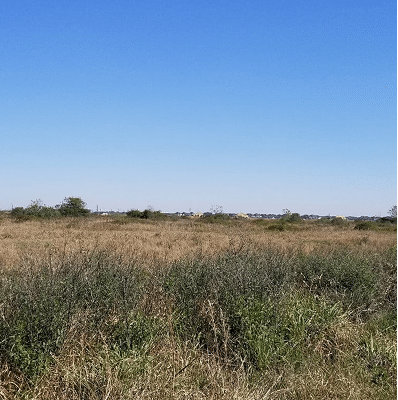
Phase I and II for residential Home Developer in Flushear, Texas
ESE performed a Phase I ESA on approximately 143-acre property in a future master-planned community in the greater Houston area.

Pre-Acquisition Due Diligence in Downtown San Antonio
ESE performed pre-acquisition due diligence for two contiguous city blocks in downtown San Antonio, Texas with development history dating back to the late 1800’s.
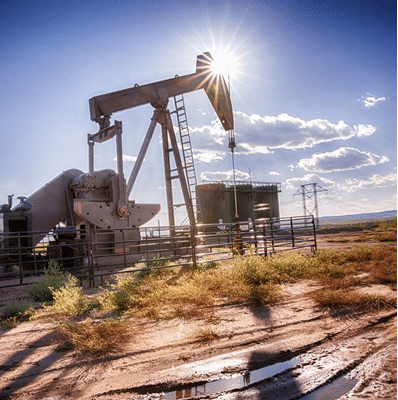
Phase I and II for residential Home Developer in Flushear, Texas
ESE performed a Phase I ESA on approximately 143-acre property in a future master-planned community in the greater Houston area.
Frequently Asked Questions About Oil & Gas Pre-Drill Environmental Assessments
What is an Oil & Gas Pre-Drill Assessment and what does it include?
An Oil & Gas Pre-Drill Assessment is a site-specific environmental due diligence and baseline documentation program completed before pad construction, drilling, or hydraulic fracturing. Unlike generic desktop reviews, a strong pre-drill package blends records review and site reconnaissance to identify historical and nearby sources of impact (legacy oilfield features, adjacent industrial uses, waste pits, pipelines, spills, etc.), baseline sampling (when warranted) of media that commonly drive disputes or claims — typically water wells, sometimes soil/sediment and surface water, regulatory pathway screening tied to Texas jurisdiction (Railroad Commission of Texas vs. TCEQ) plus any applicable federal overlays (e.g., Clean Air Act NSPS OOOOb for certain oil & gas sources), and practical recommendations to reduce risk without overcalling issues that don’t matter to the drill plan. In short, it’s an operator-grade environmental snapshot of “what’s there today,” plus a forward-looking risk screen for “what could derail tomorrow.”
When should I complete a pre-drill environmental assessment?
Pre-drill assessments are not always explicitly mandated by a single rule for every well, but they are frequently required by deal terms, landowner agreements, or internal operator standards — and they are often one of the most cost-effective ways to prevent disputes, delays, and liability questions before drilling begins. Common triggers include a new drill pad or first well on a tract (especially where nearby domestic or livestock wells exist), farm, ranch, or residential receptors located near the proposed pad, access road, or pipeline corridor, acquisitions or divestitures when a buyer wants baseline protection before development, surface use agreements that require baseline water well testing and documentation, disposal or injection planning where protecting usable-quality groundwater is central to permitting defensibility, and enforcement-sensitive areas where produced water management and disposal planning may face heightened scrutiny.
What are the risks of skipping a pre-drill baseline assessment?
Skipping a pre-drill baseline often costs far more later — especially when timelines are tight. Key risks include water-well impact allegations without a baseline (without pre-drill data, it is difficult to distinguish pre-existing issues from drilling-related claims, often driving legal expense and settlement pressure), nonproductive time (NPT) from avoidable constraints (discovering sensitive receptors, legacy contamination, or landowner requirements late can stall construction or spud dates), disposal/injection and waste management complications (when produced water handling becomes a constraint, the lack of early risk planning can create schedule and cost impacts), and enforcement or reporting exposure (poor documentation and weak field controls increase the chance that small issues become big ones under scrutiny).
What does ESE Partners' pre-drill assessment process look like?
ESE Partners executes pre-drill environmental assessments with the same mindset they bring to transaction due diligence: move fast, document defensibly, and stay practical — with schedule-first execution aligned to survey, civil, and rig timelines, and baseline documentation that holds up through clear chain-of-custody procedures, accredited laboratory methods, and records designed for real-world disputes or stakeholder questions. The process includes: kickoff and scope confirmation (defining receptors, radius, access constraints, schedule, and reporting needs for operator, landowner, counsel, insurer); fast-turn desktop screening (reviewing available regulatory and environmental context to focus field effort where it matters); site reconnaissance (documenting current conditions with geotagged photos — pad area, access roads, nearby wells, drainage, and potential legacy features); baseline sampling as needed (typically domestic/livestock water wells, plus optional soil/sediment or surface water based on risk profile); data validation and interpretation (results reviewed against appropriate reference points such as drinking water benchmarks and contextualized to local geology and land use); and a Pre-Drill Assessment Report (a concise, defensible report with findings, figures, lab reports, and clear recommendations).