What Is a Reactive Barrier?
A reactive barrier, typically a permeable reactive barrier (PRB), is an installed subsurface treatment zone placed in the path of contaminated groundwater. As groundwater migrates through the PRB, reactive media drives treatment via mechanisms such as:
- Abiotic reduction (commonly with zero-valent iron (ZVI) media)
- Biologically mediated degradation (e.g., carbon substrate approaches to support in-situ denitrification)
- Sorption/immobilization (media selected to bind or sequester target constituents)
Request Your Reactive Barrier Services Today
Texas’ most trusted environmental experts – comprehensive by design.
When Is It Required?
Reactive barriers are not typically “required” in the same way a Phase I ESA may be required for due diligence, but they are often selected or negotiated when a site needs a defensible corrective action pathway or when passive treatment provides a stronger business case. Common triggers include property acquisition or divestiture where groundwater impacts could threaten closing timelines, lender or equity requirements to control plume migration and liability exposure, and redevelopment of impacted sites such as industrial properties, logistics facilities, terminals, rail corridors, or legacy dry cleaner areas. Reactive barriers may also be appropriate for corrective action when a plume is stable but still requires a long-term control or treatment remedy, or as part of a post-release response where an intercept remedy can help prevent offsite migration.
ESE Partners’ Approach
“Comprehensive by Design” means ESE Partners evaluates permeable reactive barriers (PRBs) the way deal teams and regulators actually experience them: as a performance commitment, not just a design detail. Our approach starts with practical remedy screening, matching the appropriate PRB type and treatment media to site-specific geochemistry, hydraulics, and remedial objectives while avoiding one-size-fits-all designs. We also emphasize right-sizing and constructability, focusing on installation methods that fit real Texas constraints such as utilities, tight rights-of-way, active facilities, and limited access. To support confident decision-making, ESE builds monitoring programs around measurable performance outcomes, including mass flux reduction, downgradient concentrations, and plume stability. Throughout the process, we provide fast, plain-language communication for brokers, counsel, lenders, regulators, and other stakeholders.
Our Process
- Conceptual Site Model (CSM) + plume/hydrogeology review (source, pathways, receptors, plume stability).
- Media screening (as needed): ZVI versus carbon substrate versus specialty media based on contaminants and water chemistry.
- Hydraulic design: Capture zone, thickness, residence time, potential for bypass.
- Constructability plan: Trench/slurry trench, keyed barrier, or injectable PRB concepts (where feasible), plus access and utility review.
- Regulatory coordination (as applicable) and work planning.
- Installation oversight + QA/QC for media placement and continuity.
- Performance monitoring: Upgradient/in-barrier/downgradient wells; geochemical indicators; long-term trends and optimization.
Regulatory Framework
Permeable reactive barriers (PRBs) are typically implemented under state and federal corrective action frameworks rather than a single dedicated “PRB regulation.” In practice, PRBs are evaluated using EPA contaminated site cleanup technology resources that address in-situ reduction and PRB applications, including zero-valent iron (ZVI) PRBs as a common example. In Texas, PRBs may also be reviewed under applicable corrective action programs, with the specific pathway depending on the site type and regulatory driver. In each case, remedy selection must demonstrate protectiveness and meet defined performance objectives.
Risks of Not Completing This Service
- Plume migration risk (including offsite impacts) that becomes harder—and costlier—to unwind
- Deal friction: lender holdbacks, escrow demands, extended DD, or renegotiated price
- Long-term O&M burden if the fallback becomes pump-and-treat
- Regulatory exposure if performance objectives aren’t met or plume stability can’t be demonstrated
More Environmental Remediation Services

Remediation Design & Implementation
When active remediation is necessary, our site investigation and remediation consulting team selects the most technically sound approach for each unique site. We evaluate a full spectrum of remedial methods before committing to a strategy, because the right solution depends on contaminant type, site geology, regulatory program, and end-use goals.

Brownfields & Redevelopment Support
ESE Partners is committed to recycling the land and revitalizing cities and neighborhoods. Environmentally impacted properties carry hidden financial potential, and we help our clients unlock it through strategic environmental risk management and engineering.
Industries We Serve
ESE operates in a wide range of industries, all with unique needs and regulatory obligations. We offer experts who understand the broad complexity of environmental challenges faced by today’s businesses.

Real Estate Brokers & Developers
ESE helps brokers and developers reduce deal friction and avoid surprises through fast, defensible environmental due diligence. We support property evaluations, redevelopment risk screening, and transaction-ready reporting for Texas assets.

Private Equity/Capital Investors
Transaction support for acquisitions and portfolio oversight, including Phase I/II ESAs and risk-based evaluation. We provide clear findings, practical recommendations, and scalable diligence support.

Financial Institutions
ESE supports lender-driven environmental due diligence and portfolio risk management, including Phase I/II ESAs and risk screening. We deliver consistent, defensible reporting aligned with credit and closing timelines.

Attorneys
Technical support for environmental risk, liability evaluation, and regulatory strategy. We provide clear documentation and expert collaboration to support transactions, compliance matters, and remediation planning.
Why ESE Partners
As Texas’ Most Trusted Environmental Experts — Comprehensive by Design, ESE Partners delivers reactive barrier solutions with the technical depth, regional knowledge, and responsiveness Texas projects require. Clients choose ESE for our Texas-first execution, supported by teams that understand local site conditions and regulator expectations. Our integrated services span environmental due diligence, site characterization, remedy evaluation and design support, compliance, and building sciences, allowing clients to manage complex environmental needs through one coordinated partner. We also provide responsive project management that keeps attorneys, lenders, and deal teams aligned, along with scalable statewide delivery for everything from single-site acquisitions to portfolio programs.
Evaluating a reactive barrier (PRB) for a Texas site?
Send us your site summary and available data—we’ll turn a clear scope and budget quickly so you can keep the deal moving.
Our Environmental Remediation Projects

Environmental Health and Safety Plan for Utility and Roadway Improvements in PPCA Areas
ESE prepared a Site Environmental Health and Safety Plan designed specifically for utility construction activities conducted within Potentially Petroleum Contaminated Areas associated with LPST/PST conditions, providing a clear framework to protect workers, maintain safe operations, and support compliant field execution during active construction.
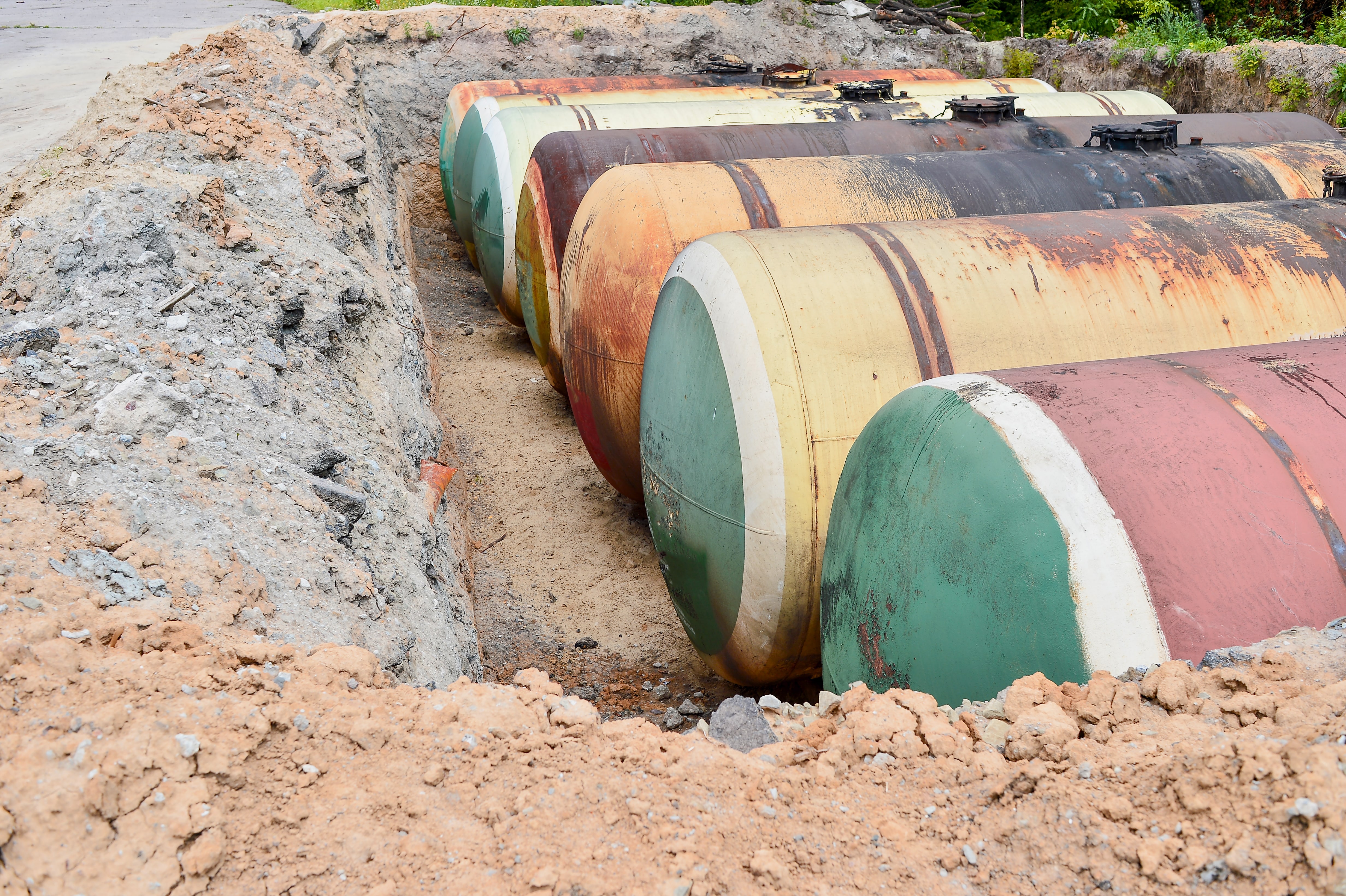
Tank Removal and Release Determination for Diesel UST
ESE completed a tank removal and release determination for a diesel underground storage tank at an active healthcare facility in Texas, delivering regulator-ready documentation to support compliant closure and reduce environmental liability.

EPA-Funded Brownfields QAPP and Sampling Plan for Municipal Redevelopment
ESE prepared a Quality Assurance Project Plan for an EPA-funded Brownfields effort supporting a municipal brownfields program, providing the quality framework and sampling plan needed to conduct limited subsurface investigations and produce defensible, regulator-ready data.
Frequently Asked Questions About Reactive Barriers
What is a reactive barrier (PRB) and how does it work?
A reactive barrier, typically a permeable reactive barrier (PRB), is an installed subsurface treatment zone placed in the path of contaminated groundwater. As groundwater migrates through the PRB, reactive media drives treatment via mechanisms such as abiotic reduction (commonly with zero-valent iron (ZVI) media), biologically mediated degradation (e.g., carbon substrate approaches to support in-situ denitrification), and sorption/immobilization (media selected to bind or sequester target constituents). A PRB can be a high-confidence, lower-O&M remedy that intercepts a plume and treats it in place — helping owners, lenders, and developers control risk while keeping projects moving.
When is a reactive barrier the right remediation solution for a site?
Reactive barriers aren’t “required” in the way a Phase I ESA is, but they are commonly selected or negotiated when a site needs a defensible corrective action pathway or when the business case favors passive treatment. Common triggers include property acquisition or divestiture where groundwater impacts threaten closing timelines, lender or equity requirements to control plume migration and liability exposure, redevelopment of impacted sites (industrial, logistics, terminals, rail, legacy dry cleaner corridors), corrective action where a plume is stable but needs a long-term control/treatment remedy, and post-release response where an intercept remedy can prevent offsite migration.
What are the risks of not addressing groundwater contamination with a reactive barrier or equivalent remedy?
Failing to implement a defensible corrective action remedy can create serious business and regulatory consequences, including plume migration risk (including offsite impacts) that becomes harder and costlier to unwind, deal friction such as lender holdbacks, escrow demands, extended due diligence, or renegotiated price, a long-term operations and maintenance (O&M) burden if the fallback becomes pump-and-treat, and regulatory exposure if performance objectives aren’t met or plume stability can’t be demonstrated.
What does ESE Partners' reactive barrier design and implementation process look like?
ESE Partners’ Comprehensive by Design approach evaluates PRBs as a performance commitment, not just a design detail — matching PRB type and media to site-specific geochemistry, hydraulics, and remedial objectives while avoiding one-size-fits-all designs. The process includes: a Conceptual Site Model (CSM) and plume/hydrogeology review (source, pathways, receptors, plume stability); media screening (ZVI vs. carbon substrate vs. specialty media based on contaminants and water chemistry); hydraulic design (capture zone, thickness, residence time, potential for bypass); a constructability plan (trench/slurry trench, keyed barrier, or injectable PRB concepts, plus access and utility review); regulatory coordination and work planning; installation oversight and QA/QC for media placement and continuity; and performance monitoring including upgradient/in-barrier/downgradient wells, geochemical indicators, and long-term trends and optimization.