What Is a Brownfield Redevelopment Strategy?
A Brownfield Redevelopment Strategy is a practical environmental roadmap for evaluating, acquiring, cleaning up, funding, and repositioning a property where redevelopment may be complicated by known or suspected contamination.
For commercial real estate and infrastructure projects, this strategy typically integrates environmental due diligence, Phase I Environmental Site Assessment, Phase II Environmental Site Assessment, remedial cost estimating, regulatory pathway selection, liability management, and redevelopment planning.
Where a buyer is seeking CERCLA liability protections, All Appropriate Inquiries and the ASTM E1527-21 Phase I ESA standard are key due diligence frameworks. In Texas, brownfield strategy often involves aligning real estate objectives with TCEQ programs such as the Brownfields Site Assessment Program, Voluntary Cleanup Program, Innocent Owner/Operator Program, and other applicable remediation pathways.
Request A Brownfield Redevelopment Strategy Today
Texas’ most trusted environmental experts – comprehensive by design.
When Is a Brownfield Redevelopment Strategy Required?
A brownfield redevelopment strategy is recommended when a property has environmental uncertainty that could affect acquisition, financing, entitlement, construction, or exit value.
Common triggers include:
- Acquisition of former industrial, manufacturing, rail, warehouse, dry cleaner, automotive, or petroleum-use sites
- Redevelopment of urban infill properties in Houston, Dallas-Fort Worth, Austin, San Antonio, and other Texas markets
- Lender concerns following a Phase I ESA or historical records review.
- Recognized Environmental Conditions, vapor concerns, underground storage tanks, fill material, or legacy operations
- Phase II ESA findings requiring cleanup planning or risk-based closure
- Public-private redevelopment projects seeking grant, assessment, or cleanup funding
- Municipal revitalization, affordable housing, mixed-use, or infrastructure projects
- Portfolio acquisitions where environmental risk must be prioritized across multiple assets
- Sites entering TCEQ VCP, Brownfields, LPST, MSD, IOP, or other cleanup programs
- Oil and gas-impacted properties that may fall under Railroad Commission of Texas cleanup programs rather than TCEQ oversight.
ESE Partners’ Approach
ESE Partners approaches brownfield redevelopment with one goal: converting environmental uncertainty into a clear, financeable path forward. We do not treat brownfields as purely technical problems; instead, we evaluate each site in the context of the transaction, redevelopment plan, construction schedule, lender requirements, regulatory expectations, and long-term ownership strategy. Our approach emphasizes fast, transaction-aware due diligence to support acquisitions, closings, and financing, along with practical risk interpretation that distinguishes material environmental concerns from manageable issues. With Texas regulatory expertise across TCEQ, EPA, and Railroad Commission pathways, ESE helps clients understand the cost and schedule implications of cleanup, closure, and redevelopment. We also strategically sequence Phase I ESAs, Phase II ESAs, remediation, permitting, and construction activities while communicating clearly with lenders, attorneys, municipalities, developers, and equity partners. Our recommendations are focused on supporting site reuse, not just achieving regulatory closure.
Our Process
- Project Kickoff & Redevelopment Objectives: We begin with the business plan: acquisition timing, proposed use, financing requirements, construction schedule, exit strategy, and stakeholder concerns.
- Environmental Due Diligence Review: ESE evaluates available Phase I ESA reports, historical use data, regulatory records, prior investigations, title information, site plans, and known environmental constraints.
- Risk Ranking & Data Gap Analysis: We identify key environmental risks, missing information, likely regulatory issues, and potential cost drivers that could affect the project
- Investigation Strategy: If warranted, we design targeted Phase II ESA or additional sampling to answer specific redevelopment questions—soil, groundwater, vapor, asbestos, lead-based paint, regulated building materials, or waste characterization.
- Regulatory Pathway Selection: ESE helps determine whether the project may benefit from TCEQ Brownfields, Voluntary Cleanup Program, Innocent Owner/Operator Program, Leaking Petroleum Storage Tank program, Municipal Setting Designation, or other applicable remediation programs.
- Cleanup & Cost Strategy: We develop realistic remedial alternatives, cost estimates, schedule assumptions, and risk-based closure options aligned with the redevelopment plan.
- Funding & Incentive Support: For eligible public-sector or nonprofit-led projects, ESE can help evaluate brownfields assessment and cleanup funding opportunities.
- Implementation Support: ESE supports sampling, remediation oversight, waste management, regulatory coordination, closure documentation, and construction-phase environmental response.
- Closeout & Redevelopment Readiness: We help position the site for financing, permitting, construction, sale, or long-term ownership with defensible documentation and a clear risk narrative.
Regulatory Framework
Brownfield redevelopment strategy may involve multiple federal and Texas regulatory frameworks depending on site history, contaminants, ownership, and intended reuse. Common federal frameworks include the ASTM E1527 Phase I ESA Standard, which is used to support environmental due diligence and All Appropriate Inquiries for certain CERCLA liability protections; the EPA All Appropriate Inquiries Rule, which is relevant for purchasers seeking liability protections related to releases or threatened releases of hazardous substances; and the EPA Brownfields Program, which provides federal support for assessment, cleanup, and revitalization of brownfield properties.
In Texas, brownfield redevelopment may also involve the TCEQ Brownfields Site Assessment Program, which supports assessment of qualifying brownfield properties, as well as the TCEQ Voluntary Cleanup Program, which provides a structured pathway for investigation, cleanup, regulatory review, and closure. The TCEQ Innocent Owner/Operator Program may be relevant when a property owner did not cause or contribute to contamination but needs a regulatory determination to support property use or transaction goals. Other applicable pathways may include the TCEQ Leaking Petroleum Storage Tank Program for petroleum tank releases, Municipal Setting Designations where affected groundwater is not used as potable water, Texas Railroad Commission programs for oil and gas-related impacts, and the Texas Risk Reduction Program, which often informs cleanup standards, closure strategies, and risk-based decision-making for contaminated sites in Texas.
Risks of Not Completing Vapor Extraction a Brownfield Redevelopment Strategy
Skipping a brownfield redevelopment strategy can turn a manageable issue into a deal, financing, or construction problem.
Potential risks include:
- Unpriced environmental liability discovered after acquisition
- Lender objections due to unresolved Recognized Environmental Conditions
- Delayed closings caused by incomplete due diligence or unclear regulatory status
- Unexpected cleanup costs during grading, excavation, demolition, or utility installation
- Construction delays from contaminated soil, groundwater, vapor, or waste handling issues
- Loss of liability protections if due diligence is not properly completed before purchase
- Regulatory enforcement exposure if contamination is mishandled or improperly characterized
- Reduced property value due to unresolved environmental stigma
- Missed funding opportunities for eligible public or community redevelopment projects
- Poor remedial design that conflicts with the future site use or construction schedule
The right strategy does not eliminate all risk—but it gives decision-makers the information needed to price, transfer, mitigate, or close the risk before it controls the project.
More Environmental Remediation Services

Remediation Design & Implementation
When active remediation is necessary, our site investigation and remediation consulting team selects the most technically sound approach for each unique site. We evaluate a full spectrum of remedial methods before committing to a strategy, because the right solution depends on contaminant type, site geology, regulatory program, and end-use goals.

Brownfields & Redevelopment Support
ESE Partners is committed to recycling the land and revitalizing cities and neighborhoods. Environmentally impacted properties carry hidden financial potential, and we help our clients unlock it through strategic environmental risk management and engineering.
Industries We Serve
ESE operates in a wide range of industries, all with unique needs and regulatory obligations. We offer experts who understand the broad complexity of environmental challenges faced by today’s businesses.

Real Estate Brokers & Developers
ESE helps brokers and developers reduce deal friction and avoid surprises through fast, defensible environmental due diligence. We support property evaluations, redevelopment risk screening, and transaction-ready reporting for Texas assets.

Private Equity/Capital Investors
Transaction support for acquisitions and portfolio oversight, including Phase I/II ESAs and risk-based evaluation. We provide clear findings, practical recommendations, and scalable diligence support.

Financial Institutions
ESE supports lender-driven environmental due diligence and portfolio risk management, including Phase I/II ESAs and risk screening. We deliver consistent, defensible reporting aligned with credit and closing timelines.

Attorneys
Technical support for environmental risk, liability evaluation, and regulatory strategy. We provide clear documentation and expert collaboration to support transactions, compliance matters, and remediation planning.
Why ESE Partners
Texas’ Most Trusted Environmental Experts – Comprehensive by Design.
ESE Partners is built for complex Texas redevelopment, with teams that understand how environmental conditions can affect real estate value, lender confidence, regulatory closure, and construction execution. Clients choose ESE for Texas-focused environmental expertise across Houston, Dallas-Fort Worth, Austin, San Antonio, and statewide markets, as well as integrated brownfield redevelopment support from due diligence through remediation and closure. Our team provides practical recommendations that help clients avoid over-investigating minor issues while addressing material risk, and we respond quickly to acquisition deadlines, lender review cycles, and development schedules. ESE’s comprehensive service lines include Phase I ESAs, Phase II ESAs, remediation, compliance, natural and cultural resources, and building sciences, allowing clients to coordinate complex redevelopment needs through one firm. With experience supporting commercial real estate, energy, infrastructure, municipal, and industrial projects, ESE can scale from single-site redevelopment to large land projects and multi-site portfolios. Our value is not just identifying environmental risk; it is helping clients use that information to make better business decisions.
Keep Your Brownfield Project Moving
Need a clear path from environmental uncertainty to redevelopment readiness?
Talk to ESE Partners today to develop a Brownfield Redevelopment Strategy that supports your acquisition, financing, cleanup, and construction goals. Get a proposal within 24 hours and keep your deal moving.
Our Environmental Remediation Projects

Environmental Health and Safety Plan for Utility and Roadway Improvements in PPCA Areas
ESE prepared a Site Environmental Health and Safety Plan designed specifically for utility construction activities conducted within Potentially Petroleum Contaminated Areas associated with LPST/PST conditions, providing a clear framework to protect workers, maintain safe operations, and support compliant field execution during active construction.
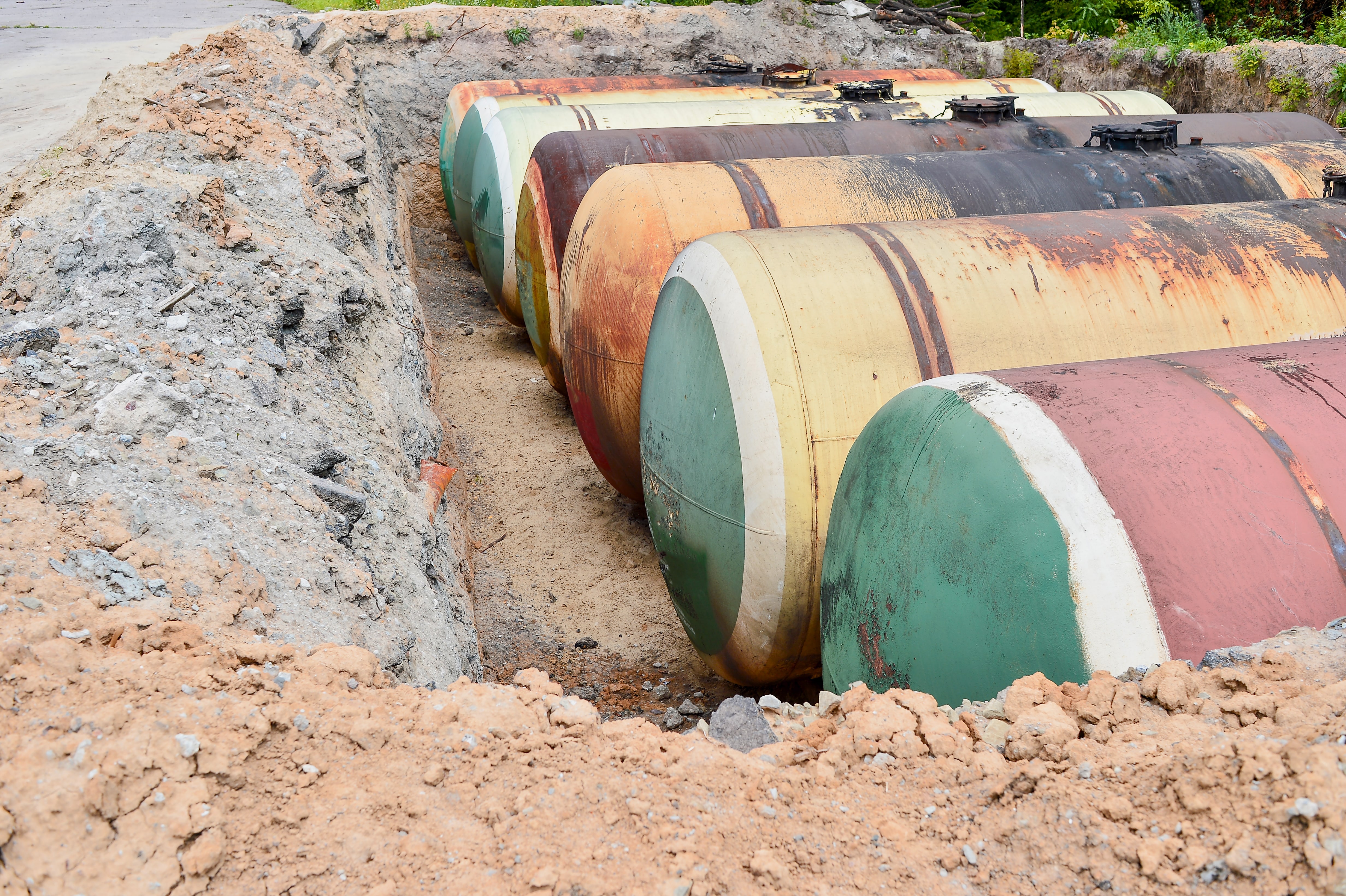
Tank Removal and Release Determination for Diesel UST
ESE completed a tank removal and release determination for a diesel underground storage tank at an active healthcare facility in Texas, delivering regulator-ready documentation to support compliant closure and reduce environmental liability.

EPA-Funded Brownfields QAPP and Sampling Plan for Municipal Redevelopment
ESE prepared a Quality Assurance Project Plan for an EPA-funded Brownfields effort supporting a municipal brownfields program, providing the quality framework and sampling plan needed to conduct limited subsurface investigations and produce defensible, regulator-ready data.
Frequently Asked Questions About Brownfield Redevelopment Strategies
What is a Brownfield Redevelopment Strategy?
A Brownfield Redevelopment Strategy is a practical environmental roadmap for evaluating, acquiring, cleaning up, funding, and repositioning a property where redevelopment may be complicated by known or suspected contamination. For commercial real estate and infrastructure projects, this strategy typically integrates environmental due diligence, Phase I Environmental Site Assessment, Phase II Environmental Site Assessment, remedial cost estimating, regulatory pathway selection, liability management, and redevelopment planning. Where a buyer is seeking CERCLA liability protections, All Appropriate Inquiries and the ASTM E1527-21 Phase I ESA standard are key due diligence frameworks, and in Texas, brownfield strategy often involves aligning real estate objectives with TCEQ programs such as the Brownfields Site Assessment Program, Voluntary Cleanup Program, Innocent Owner/Operator Program, and other applicable remediation pathways.
When is a Brownfield Redevelopment Strategy recommended?
A brownfield redevelopment strategy is recommended when a property has environmental uncertainty that could affect acquisition, financing, entitlement, construction, or exit value. Common triggers include acquisition of former industrial, manufacturing, rail, warehouse, dry cleaner, automotive, or petroleum-use sites; redevelopment of urban infill properties in Texas markets; lender concerns following a Phase I ESA or historical records review; Recognized Environmental Conditions, vapor concerns, underground storage tanks, fill material, or legacy operations; Phase II ESA findings requiring cleanup planning or risk-based closure; public-private redevelopment projects seeking grant, assessment, or cleanup funding; municipal revitalization, affordable housing, mixed-use, or infrastructure projects; portfolio acquisitions where environmental risk must be prioritized across multiple assets; sites entering TCEQ VCP, Brownfields, LPST, MSD, IOP, or other cleanup programs; and oil and gas-impacted properties that may fall under Railroad Commission of Texas cleanup programs rather than TCEQ oversight.
What are the risks of skipping a Brownfield Redevelopment Strategy?
Skipping a brownfield redevelopment strategy can turn a manageable issue into a deal, financing, or construction problem. Potential risks include unpriced environmental liability discovered after acquisition, lender objections due to unresolved Recognized Environmental Conditions, delayed closings caused by incomplete due diligence or unclear regulatory status, unexpected cleanup costs during grading, excavation, demolition, or utility installation, construction delays from contaminated soil, groundwater, vapor, or waste handling issues, loss of liability protections if due diligence is not properly completed before purchase, regulatory enforcement exposure if contamination is mishandled or improperly characterized, reduced property value due to unresolved environmental stigma, missed funding opportunities for eligible public or community redevelopment projects, and poor remedial design that conflicts with future site use or construction schedule. The right strategy doesn’t eliminate all risk — but it gives decision-makers the information needed to price, transfer, mitigate, or close the risk before it controls the project.
What does ESE Partners' Brownfield Redevelopment Strategy process look like?
ESE Partners approaches brownfield redevelopment with one goal: converting environmental uncertainty into a clear, financeable path forward — evaluating each site in the context of the transaction, redevelopment plan, construction schedule, lender requirements, regulatory expectations, and long-term ownership strategy, with recommendations focused on supporting site reuse, not just achieving regulatory closure. The process includes: project kickoff and redevelopment objectives (starting with the business plan — acquisition timing, proposed use, financing requirements, construction schedule, exit strategy, and stakeholder concerns); environmental due diligence review (Phase I ESA reports, historical use data, regulatory records, prior investigations, title information, site plans, and known constraints); risk ranking and data gap analysis; investigation strategy (targeted Phase II ESA or additional sampling for soil, groundwater, vapor, asbestos, lead-based paint, regulated building materials, or waste characterization); regulatory pathway selection (TCEQ Brownfields, VCP, IOP, LPST, Municipal Setting Designation, or other programs); cleanup and cost strategy (realistic remedial alternatives, cost estimates, schedule assumptions, and risk-based closure options); funding and incentive support (evaluating brownfields assessment and cleanup funding for eligible public-sector or nonprofit-led projects); implementation support (sampling, remediation oversight, waste management, regulatory coordination, closure documentation, and construction-phase environmental response); and closeout and redevelopment readiness (positioning the site for financing, permitting, construction, sale, or long-term ownership with defensible documentation and a clear risk narrative).