
Data Center Environmental Compliance
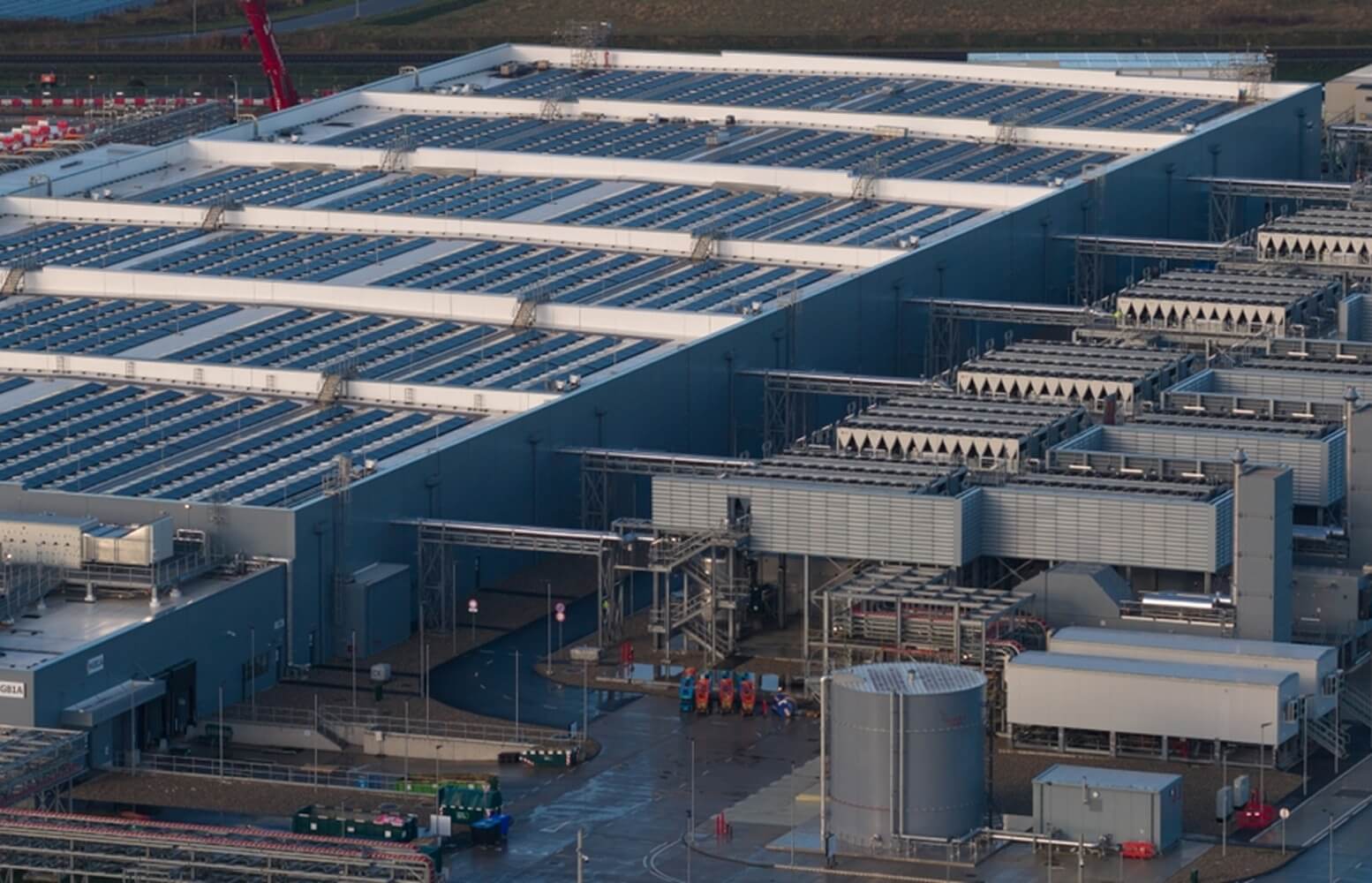
Data center environmental compliance has become one of the hardest gates between a signed land deal and a powered facility. Across Texas, the rush to build hyperscale and AI computing campuses is running headfirst into environmental review, and a permit that surfaces late can stall construction for months. Backup generators draw the most regulatory scrutiny, but stormwater, fuel storage, and protected habitat all carry their own requirements.
ESE Partners helps developers and operators meet data center environmental standards without surrendering the construction schedule.
Industry Use Cases
Environmental obligations follow a data center through its entire life, not just at permitting. Below are the types of situations where operators bring in ESE Partners.
New Site Development
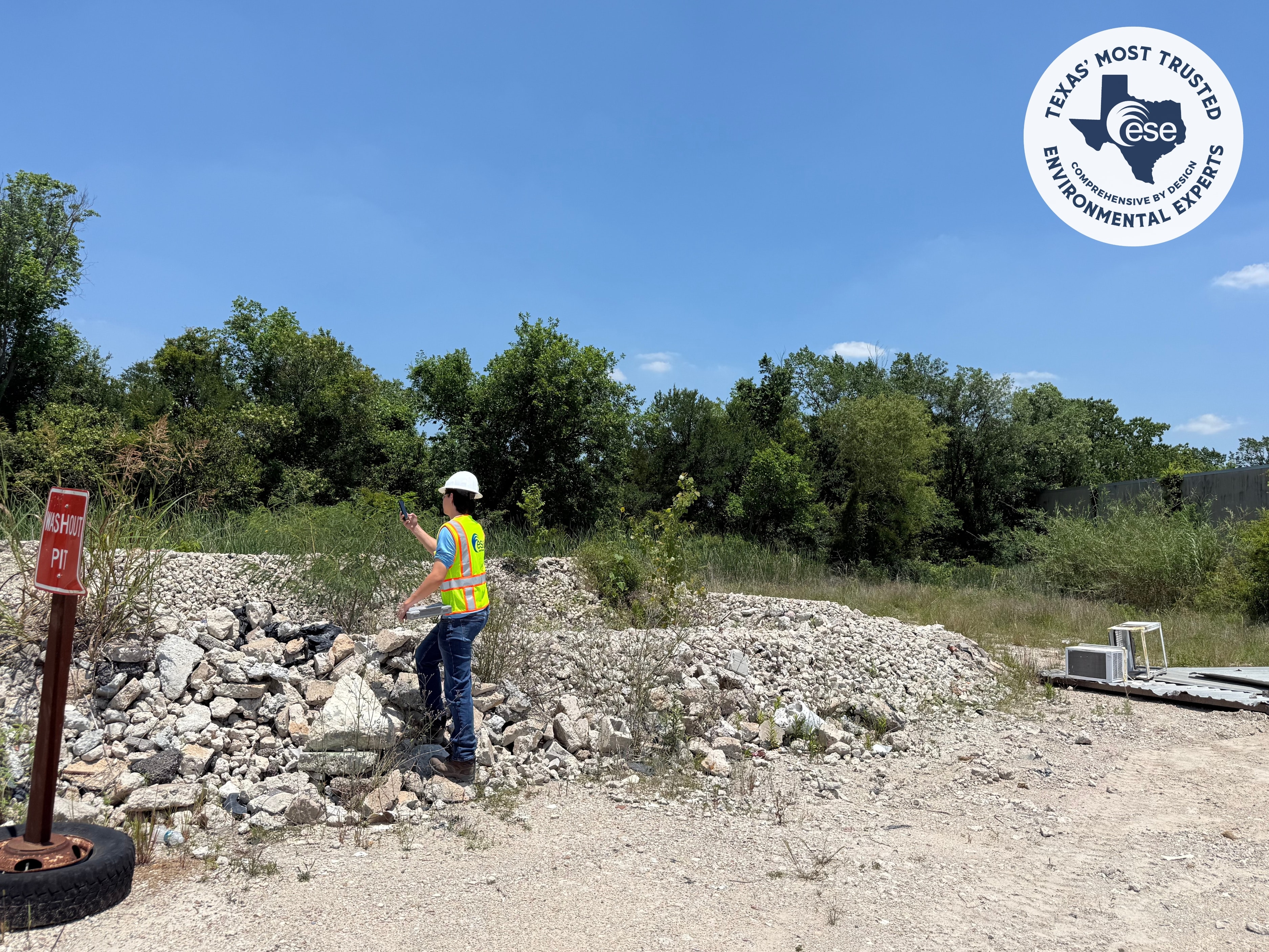
Before a campus breaks ground, developers need to know what environmental problems a site may hold. ESE runs Phase I and Phase II Environmental Site Assessments, wetlands delineations, and endangered species reviews, so any issues show up during due diligence rather than after construction starts. When a project involves federal funding or permits, we also handle the required NEPA review.
Backup Power Permitting
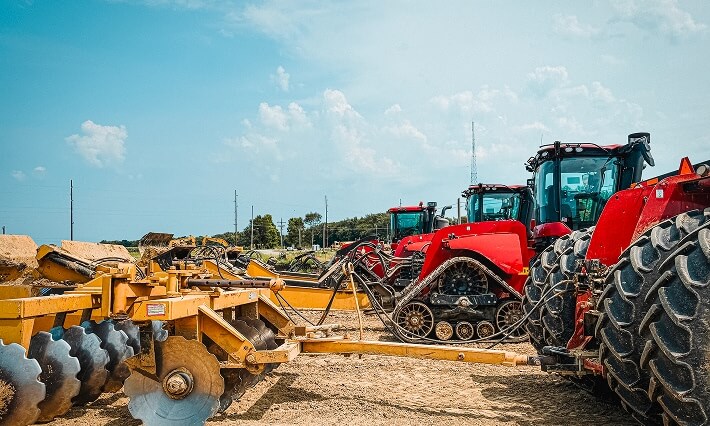
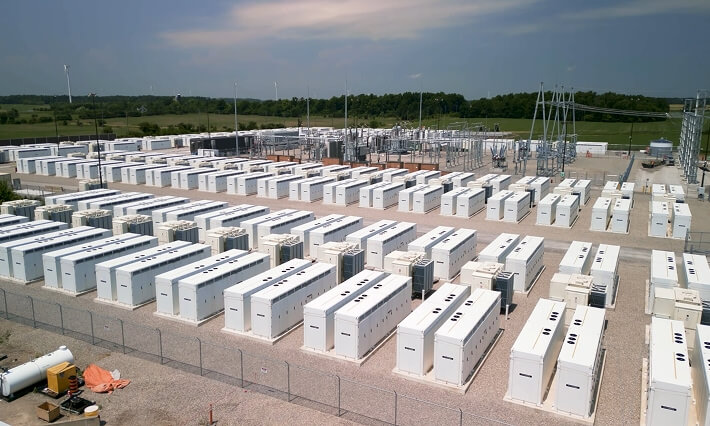
Diesel and natural gas generators are the emissions source regulators scrutinize most. We prepare air permit applications and dispersion modeling, then set up the recordkeeping that keeps data center emissions compliance defensible whenever the engines run.
Facility Expansion
Adding data halls or fuel capacity often reopens permits that an operator assumed were settled. Before the work starts, ESE checks how the expansion changes a site’s air and stormwater obligations so it does not trigger a violation.


Ongoing Operations
Live facilities carry continuing duties: SPCC plans, stormwater monitoring, hazardous and universal waste handling, and reporting. We keep those programs current, so an inspection never becomes an interruption.
Why Choose ESE Partners for Data Centers Environmental Compliance Services
Speed matters when every day of delay is capital sitting idle. ESE completes environmental work an average of 30% faster than competing firms without cutting corners on compliance. We know how TCEQ reviews air and stormwater permits and how federal rules under the Clean Air Act and Clean Water Act apply to mission-critical infrastructure, so applications don’t get bounced back by regulators and stall the timeline.
Our disciplines sit under one roof. Due diligence, permitting, remediation, natural resources, and building sciences are staffed internally, so a wetlands finding or a species conflict is resolved by the same team managing your air permit rather than handed to an outside subcontractor. For owners running multiple Texas sites, that consolidation closes the coordination gaps that cause delay.
We also work ahead of problems, catching the permit issue or protected species conflict during planning, rather than when crews are on site.
How ESE Partners Serves Data Centers
ESE supports data centers from site selection through decommissioning. Depending on where a project stands, that work includes:
- Site assessment and due diligence: Phase I and II Environmental Site Assessments, wetlands and waters of the U.S. assessments, and protected species surveys
- Development permitting: Air permitting for backup generators, TPDES stormwater permitting and SWPPP development, and SPCC plans for on-site fuel storage
- Federal review: NEPA documentation for projects tied to federal funding or permits
- Ongoing compliance: Stormwater inspections, waste determinations, emissions recordkeeping and reporting, and permit renewals
- Agency coordination: Direct communication with TCEQ, USACE, and U.S. Fish and Wildlife Service to keep regulators informed and projects moving
Headquartered in Houston with offices in Dallas-Fort Worth, Austin, San Antonio, and League City, ESE brings on-the-ground knowledge of the Texas markets where data center demand is heaviest, backed by national project reach.
Get in Touch With ESE Partners
Frequently Asked Questions
Do data center backup generators need an air permit in Texas?
In most cases, yes. TCEQ authorizes backup engines through an air quality standard permit or, for larger fleets, a case-by-case new source review. Because diesel and natural gas engines emit nitrogen oxides, particulate matter, and carbon monoxide, federal engine standards apply as well. Facilities large enough to approach major-source thresholds often pursue a synthetic minor permit with enforceable runtime and emission limits, which can require air dispersion modeling.
What environmental issues most often delay Texas data center construction?
Late discovery of protected species habitat, wetlands, or stormwater obligations. In Central Texas, the golden-cheeked warbler in the Hill Country around Austin and San Antonio and the Houston toad can require U.S. Fish and Wildlife Service consultation and, in some cases, a Habitat Conservation Plan. Any site disturbing one acre or more needs coverage under the TPDES Construction General Permit and a SWPPP before earthwork begins.
Is data center water use regulated in Texas?
Water is becoming one of the most consequential permitting issues for Texas data centers. Cooling water discharges can require a TPDES wastewater permit, and groundwater sourcing may fall under local groundwater conservation district rules. Water strategy is best evaluated during site selection, alongside power.
When does a data center need an SPCC plan?
Under EPA’s SPCC rule (40 CFR 112), any facility with more than 1,320 gallons of aggregate aboveground oil storage, in containers of 55 gallons or larger, and a reasonable potential to discharge to waters must have a plan. Data centers cross this threshold easily with diesel day tanks and bulk fuel for generator fleets. Plans must be reviewed at least every five years, and facilities above 10,000 gallons of aggregate storage require certification by a licensed professional engineer.
Representatives

Latest Insights
Why Early Environmental Compliance Planning Reduces Project Delays and Cost Overruns in Texas
In today’s development environment, early environmental planning is not just a best practice. It is a key factor in delivering projects on time and on budget.
Data Center Growth in Texas: Why Early Environmental Due Diligence Is Now Critical to Project Timelines
At ESE Partners, we work with developers, engineers, and owners to evaluate environmental risk at the front end of data center projects.
Environmental Planning in the Age of Data Center Expansion in Texas
Over the past year, ESE Partners has supported more than 40 proposed and operating data center facilities across Texas and beyond, representing several gigawatts of power capacity.
Request a Proposal