What Is Development of Abatement Specifications & Design?
Abatement specifications & design is the process of translating survey/sampling results (asbestos, lead-based paint, mold, etc.) into a project manual and design package that defines:
- Scope of removal/controls (what gets abated, what stays in place, what is protected)
- Means & methods (containment, negative air, wet methods, decon, cleaning criteria)
- Regulatory compliance requirements (notifications, work practices, waste handling)
- Verification requirements (visual clearance criteria, air monitoring/clearance where applicable)
- Construction interface (phasing, access, off-hours work, sequencing with trades)
For asbestos demolition/renovation activities, the design should reflect required work practices under the Clean Air Act asbestos NESHAP during facility demolition/renovation, where applicable.
Request Your Development of Abatement Specifications & Design Today
Texas’ most trusted environmental experts – comprehensive by design.
When Is It Required?
You typically need abatement specs/design when:
- Pre-demolition / renovation surveys identify ACM and you need a bid-ready scope for removal (often NESHAP-driven).
- A lender, owner, or CM needs a competitive bid package (apples-to-apples pricing) before closing or GMP.
- You’re executing an occupied-building abatement where isolation, phasing, and IAQ protection drive cost and risk.
- A project includes lead-safe renovation triggers where EPA’s Renovation, Repair and Painting (RRP) requirements may apply.
- You need to reduce uncertainty (and change orders) on public-sector or institutional projects where documentation is scrutinized.
ESE Partners’ Approach
Comprehensive by Design is how we prevent scope gaps that turn into change orders. Our specifications are bid-ready and contractor-usable, with clear quantities, locations, and assumptions tied back to survey data and field constraints. We align deliverables to your closing date, notice to proceed (NTP), and long-lead items such as notifications, permits, and specialty subcontractors. We manage risk practically by defining realistic containment and clearance criteria that protect occupants and the project without overcalling the scope. We design around how abatement is actually performed in Texas markets, including Houston, Dallas–Fort Worth, Austin, and San Antonio, and how projects are managed locally, while still meeting federal requirements.
Our Process
- Data validation & constructability review: Confirm survey/sample coverage, building plans, access constraints, and demolition/renovation intent. (If gaps exist, we recommend targeted supplemental sampling.)
- Define regulated vs. non-regulated scope: Separate what is required for compliance versus owner preference—critical for cost control.
- Develop the abatement design basis: Containment strategy, phasing, air control concepts, shutdown needs, and occupant protection.
- Write project specifications (project manual): Means/methods, submittals, QA/QC, waste handling, documentation, and closeout deliverables.
- Produce bid package exhibits: Location plans, quantity tables, sequencing notes, and scope clarifications.
- Bid support & contractor Q&A: Answer RFIs, issue addenda, and keep pricing comparable.
- Optional: third-party oversight: Progress inspections, air monitoring coordination (when applicable), and closeout documentation review.
Regulatory Framework
Abatement specifications and design commonly reference and incorporate several sets of requirements. EPA’s Asbestos NESHAP (Clean Air Act) requirements apply to asbestos during demolition and renovation, when applicable. OSHA worker protection requirements apply to hazardous materials work, including training, controls, personal protective equipment (PPE), and regulated areas as applicable. EPA’s Lead Renovation, Repair and Painting (RRP) requirements apply to covered renovation activities, including firm certification, trained personnel, and lead-safe work practices. Texas program and licensing requirements may also apply depending on hazard type and project category, such as asbestos licensing and mold program requirements where regulated. Requirements can also include local jurisdictional rules from the building department or air authority, owner standards, and site-specific safety plans.
Risks of Not Completing This Service
Skipping proper abatement specs/design often leads to:
- Bid spread and scope ambiguity (contractors price different assumptions → lost time and inflated costs)
- Change orders once hidden conditions or missing requirements surface
- Schedule delays due to incomplete notification/work practice planning
- Compliance exposure if work practices, certifications, and documentation expectations aren’t embedded in the scope
- Lender/owner friction when closeout documentation is incomplete or not aligned with the transaction’s risk tolerance
More Building Sciences Services

Mold Consulting Surveys
Moisture intrusion, water damage, HVAC issues, and construction defects can create conditions for mold and fungal growth. ESE’s state-licensed professionals work with building owners and facility managers to promptly identify mold and moisture damage, assess affected areas, and coordinate safe remediation. Throughout the process, our team verifies that the structure is restored to prevent future microbial growth while keeping occupants and building contents protected.

Lead & Lead-Based Paint Consulting Services
Lead and lead compounds have historically been used in paints, coatings, ceramics, pipes, and plumbing materials across numerous structures. ESE’s accredited professionals provide timely, cost-effective solutions to lead-related issues, whether you are preparing for renovation, managing an existing facility, or responding to regulatory requirements.
Industries We Serve
ESE operates in a wide range of industries, all with unique needs and regulatory obligations. We offer experts who understand the broad complexity of environmental challenges faced by today’s businesses.

Real Estate Brokers & Developers
ESE helps brokers and developers reduce deal friction and avoid surprises through fast, defensible environmental due diligence. We support property evaluations, redevelopment risk screening, and transaction-ready reporting for Texas assets.

Private Equity/Capital Investors
Transaction support for acquisitions and portfolio oversight, including Phase I/II ESAs and risk-based evaluation. We provide clear findings, practical recommendations, and scalable diligence support.

Financial Institutions
ESE supports lender-driven environmental due diligence and portfolio risk management, including Phase I/II ESAs and risk screening. We deliver consistent, defensible reporting aligned with credit and closing timelines.

Attorneys
Technical support for environmental risk, liability evaluation, and regulatory strategy. We provide clear documentation and expert collaboration to support transactions, compliance matters, and remediation planning.
Why ESE Partners
Texas’ Most Trusted Environmental Experts – Comprehensive by Design.
ESE Partners is built for projects where time, liability, and clarity matter. We are Texas-first environmental consultants supporting statewide portfolios and one-off deals. Our end-to-end capability spans building sciences, environmental due diligence, and remediation support, so abatement design aligns with your broader risk strategy. Our responsive, scalable teams handle multi-site rollouts and fast-track redevelopments. We provide documentation that holds up from bid packages to closeout records, so you can move from discovery to demolition without surprises.
Need abatement specifications & design that contractors can bid quickly and stakeholders can trust?
Talk to ESE Partners—get a proposal within 24 hours and keep your project moving in Houston, Dallas–Fort Worth, Austin, San Antonio, or anywhere in Texas.
Our Building Sciences Projects

Lead Dust Cleaning Protocol for Manufacturing Operations
ESE developed a Lead Dust Cleaning Protocol for a Texas manufacturing facility where select employees regularly handle lead components as part of routine production tasks.

Comprehensive Asbestos Survey: Houston High-Rise Renovation
A commercial real estate owner was considering a large-scale renovation of a commercial high-rise office building in downtown Houston. ESE Partners was engaged to conduct a full-building asbestos survey across all interior levels and accessible roof areas.
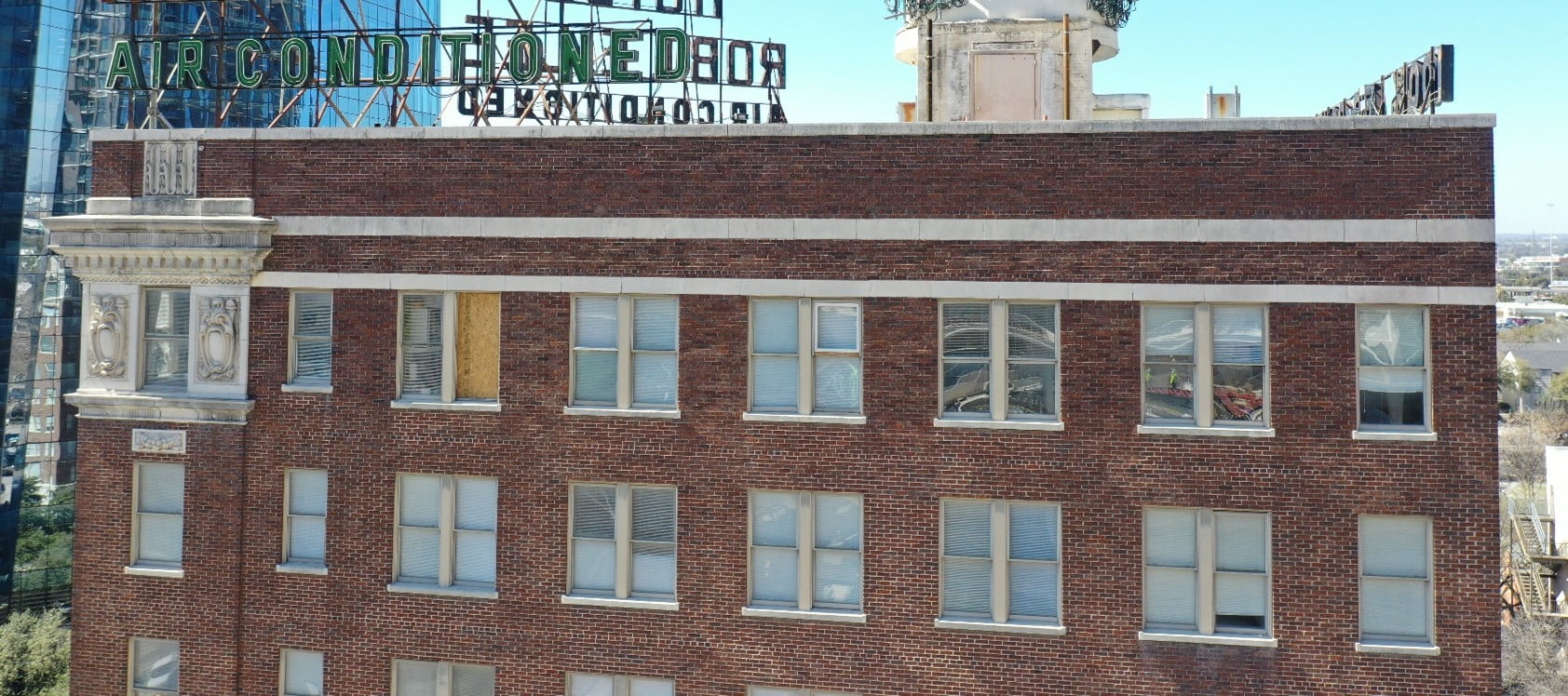
Property Condition Assessment of Historic Hotel
ESE recently completed a Property Condition Assessment (PCA) of a historic hotel which was originally constructed in 1923.
Frequently Asked Questions About Development of Abatement Specifications and Design
What is development of abatement specifications and design?
Abatement specifications and design is the process of translating survey and sampling results for asbestos, lead-based paint, mold, and other hazards into a project manual and design package. The package defines the scope of removal and controls, including what gets abated, what stays in place, and what is protected. It also covers means and methods such as containment, negative air, wet methods, decontamination, and cleaning criteria, along with regulatory compliance requirements for notifications, work practices, and waste handling. Verification requirements, such as visual clearance criteria and air monitoring or clearance where applicable, and the construction interface, including phasing, access, off-hours work, and sequencing with trades, complete the package. For asbestos work during demolition or renovation, the design should reflect the required work practices under the Clean Air Act asbestos NESHAP, where applicable.
When do I need abatement specifications and design?
You typically need abatement specifications and design when pre-demolition or renovation surveys identify asbestos-containing material (ACM) and you need a bid-ready scope for removal, often driven by NESHAP. They are also needed when a lender, owner, or construction manager wants a competitive bid package for apples-to-apples pricing before closing or a guaranteed maximum price (GMP). Other common triggers include occupied-building abatement where isolation, phasing, and indoor air quality protection drive cost and risk, projects with lead-safe renovation triggers where EPA’s Renovation, Repair and Painting (RRP) requirements may apply, and public-sector or institutional projects where documentation is scrutinized and you need to reduce uncertainty and change orders.
What are the risks of skipping proper abatement specifications and design?
Skipping proper abatement specifications and design often leads to bid spread and scope ambiguity, because contractors price different assumptions, which costs time and inflates budgets. It can also lead to change orders once hidden conditions or missing requirements surface, and schedule delays from incomplete notification and work practice planning. Compliance exposure rises if work practices, certifications, and documentation expectations aren’t embedded in the scope, and lenders and owners may push back when closeout documentation is incomplete or not aligned with the transaction’s risk tolerance.
What does ESE Partners’ process include, and which requirements does the design reference?
ESE Partners starts with data validation and a constructability review of survey and sample coverage, building plans, access constraints, and demolition or renovation intent, recommending targeted supplemental sampling if gaps exist. We separate regulated from non-regulated scope, develop the abatement design basis, and write the project specifications, including means and methods, submittals, QA/QC, waste handling, and closeout deliverables. We then produce bid package exhibits such as location plans, quantity tables, and sequencing notes, provide bid support and contractor Q&A, and offer optional third-party oversight. The design commonly references EPA’s asbestos NESHAP under the Clean Air Act, OSHA worker protection requirements, EPA lead RRP requirements for covered renovation activities, and Texas program and licensing requirements that apply by hazard type and project category. Local jurisdictional rules, owner standards, and site-specific safety plans can add further requirements.