What Is PSD/NNSR?
PSD (Prevention of Significant Deterioration) is a major NSR permit program that applies to new major stationary sources and major modifications in areas that are meeting the National Ambient Air Quality Standards (NAAQS) or are unclassifiable for a regulated pollutant. PSD projects typically require Best Available Control Technology (BACT), and many projects also require air dispersion modeling for applicable pollutants. Depending on the project, PSD review may also include additional impacts analysis, such as soils, vegetation, or visibility considerations, as well as public notice and comment.
NNSR (Nonattainment New Source Review) is the major NSR permit program for new major stationary sources and major modifications located in areas designated nonattainment for a NAAQS pollutant. NNSR requirements are generally more stringent than PSD and typically include Lowest Achievable Emission Rate (LAER) controls, emissions offsets such as ERCs, DERCs, or other approvable offset mechanisms depending on the pollutant and Texas rules, and a demonstration of compliance with State Implementation Plan (SIP) requirements and other nonattainment-specific conditions.
Request Your PSD/NNSR Permit Today
Texas’ most trusted environmental experts – comprehensive by design.
When Is PSD/NNSR Required?
PSD/NNSR is commonly triggered when you are:
- Building a new major stationary source (greenfield or new facility)
- Expanding or revamping an existing facility in a way that qualifies as a major modification
- Reactivating or restarting a long-idled unit/source where NSR applicability must be evaluated (a nuanced, high-risk area)
Typical deal and project scenarios:
- New or expanded petrochemical, refining, midstream, power, manufacturing, or large combustion projects
- Major expansions tied to debottlenecking, throughput increases, or new process units
- M&A/diligence where NSR exposure could become a lender/investor issue
- Projects in or near ozone nonattainment regions (where NNSR may apply for NOx/VOC)
ESE Partners’ Approach
ESE Partners focuses on fast, defensible PSD/NNSR applicability decisions and permit strategies that match business objectives without overcalling risk. Our approach is applicability-first, meaning we start by confirming whether PSD or NNSR is truly triggered and, if so, for which pollutants. With Texas-focused execution, we align early with how NSR permitting is practically implemented in Texas and what documentation will stand up to review. We integrate engineering and permitting considerations by evaluating controls, design basis, and operating scenarios together to help avoid late-stage redesign. ESE also builds a clear record that supports business decision-making and can withstand scrutiny from agencies, lenders, and other stakeholders.
Our Process
- Kickoff + data request (PFDs/P&IDs where available, equipment lists, fuels, operating scenarios, project schedule)
- Emissions basis development (PTE, baseline actual, projected actual, netting as applicable)
- PSD/NNSR applicability analysis (major source & major modification testing; significance; pollutant-by-pollutant area status)
- Control strategy: PSD: BACT analysis framework | NNSR: LAER + offset strategy (where applicable)
- Modeling & technical support (as required—often a schedule driver)
- Permit package preparation + agency support
- Public notice support + responsiveness during review
- Construction/operational compliance planning (conditions, monitoring, recordkeeping)
Regulatory Framework (What Standards Govern PSD/NNSR)
Key federal implementing regulations commonly referenced in PSD and NNSR evaluations include Nonattainment NSR requirements under 40 CFR 51.165, along with major NSR permitting concepts and related rules applied across the broader NSR program. EPA policy memoranda may also affect how applicability is interpreted in specific situations, such as “reactivation” considerations for idled or modified sources. In Texas, NSR is implemented through the State Implementation Plan (SIP) and TCEQ permitting program, so applicability determinations and supporting documentation must align with both federal NSR requirements and Texas-adopted rules.
Risks of Not Completing PSD/NNSR Correctly
If PSD/NNSR is missed or mishandled, common consequences include:
- Construction delays (stop-work risk or inability to commence)
- Major redesign late in the project (controls, stack parameters, operational limits)
- Investor/lender friction (permitting uncertainty is a diligence red flag)
- Enforcement exposure if construction begins without the required major NSR permit
- Offset/LAER surprises in nonattainment areas (often the biggest commercial risk in NNSR)
More Environmental Compliance Services

Water Compliance
ESE’s water compliance capabilities include industrial and construction stormwater permitting, stormwater pollution prevention plan (SWPPP) preparation, SPCC planning, FRPs, RMPs, Tier II reporting, TRI reporting, AST/UST registration/permitting, wastewater permitting and reporting, onsite inspections and compliance audits, drinking water assessments, wetlands determinations, and water sourcing/acquisition planning. Our environmental compliance services keep your facilities in line with state and federal regulations.

Multimedia Compliance
ESE also provides custom-tailored, cost-effective multimedia compliance solutions to help clients manage regulatory, permitting, and internal requirements. Our multimedia environmental compliance services include compliance audits, regulatory applicability and interpretation, EHS management systems design and implementation, EHS risk assessments, compliance assurance tool design, EHS organizational strategies, best management practices/corporate EHS standards development, and other permitting, planning, and compliance support.
Industries We Serve
ESE operates in a wide range of industries, all with unique needs and regulatory obligations. We offer experts who understand the broad complexity of environmental challenges faced by today’s businesses.

Oil & Gas Operators
Environmental consulting for upstream, midstream, and downstream operations—due diligence, compliance support, and remediation strategy. ESE helps operators manage regulatory risk and maintain operational continuity in Texas.

Telecom & Data Center Developers
ESE supports telecom and data center development with due diligence, permitting support, and construction-phase compliance. We help teams identify environmental constraints early, manage site risk, and keep schedules intact.

Land Development & Redevelopment
ESE supports developers with site screening, Phase I/II ESAs, and remediation planning for redevelopment and infill projects. We help identify constraints early and reduce delays during entitlement and construction.
Why ESE Partners
As Texas’ Most Trusted Environmental Experts — Comprehensive by Design, ESE Partners brings Texas-first permitting strategy to PSD and NNSR projects across Houston, Dallas–Fort Worth, Austin, San Antonio, and statewide markets. Clients choose ESE for end-to-end support that includes environmental due diligence, air permitting, compliance, remediation, and building sciences, allowing project teams to coordinate related environmental needs through one firm. Our responsive teams communicate clearly with owners, engineers, attorneys, lenders, and deal professionals so permitting risks, schedules, and next steps are understood early. With scalable execution for single-site projects and multi-site portfolios, ESE helps clients navigate major NSR permitting with technical defensibility and practical business awareness.
Need to determine whether your project triggers PSD or NNSR—and what that means for schedule and cost?
Talk to ESE Partners today. We can typically provide a clear applicability path and proposal timeline quickly so you can keep your deal—and your design—moving.
Our Environmental Compliance Projects

Construction SWPPP: Restaurant in Central Texas
ESE Partners developed a comprehensive Construction Storm Water Pollution Prevention Plan (SWPPP) to support construction of a new located in Central Texas.
EHS Compliance Support, Air Permitting, and SPCC Plans
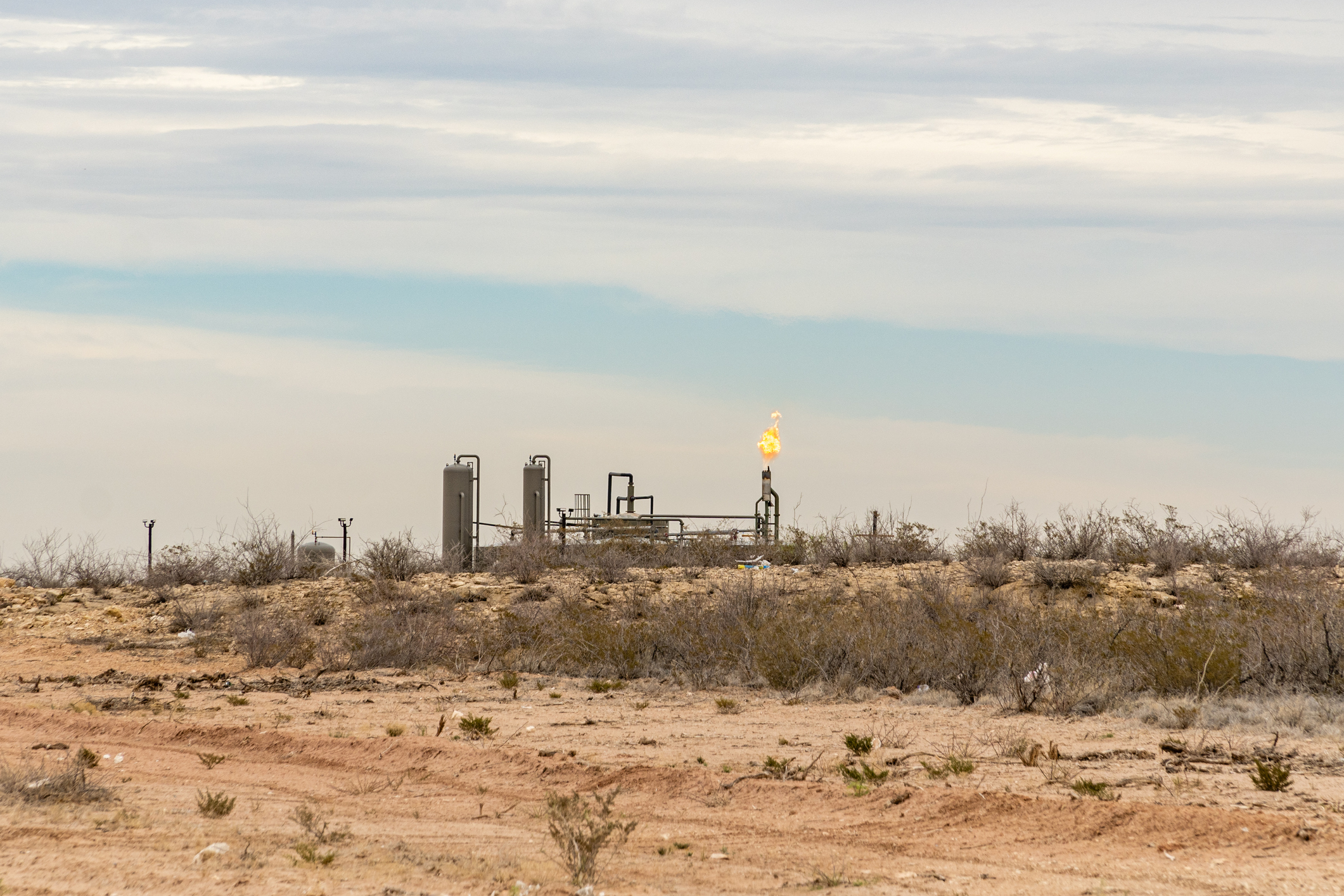
ESE Partners conducted comprehensive environmental compliance services for multiple facilities located in South Texas, including Spill Prevention, Control, and Countermeasure (SPCC) plan development and air permitting support.
Efficient Air Permitting for New Transfer Operations
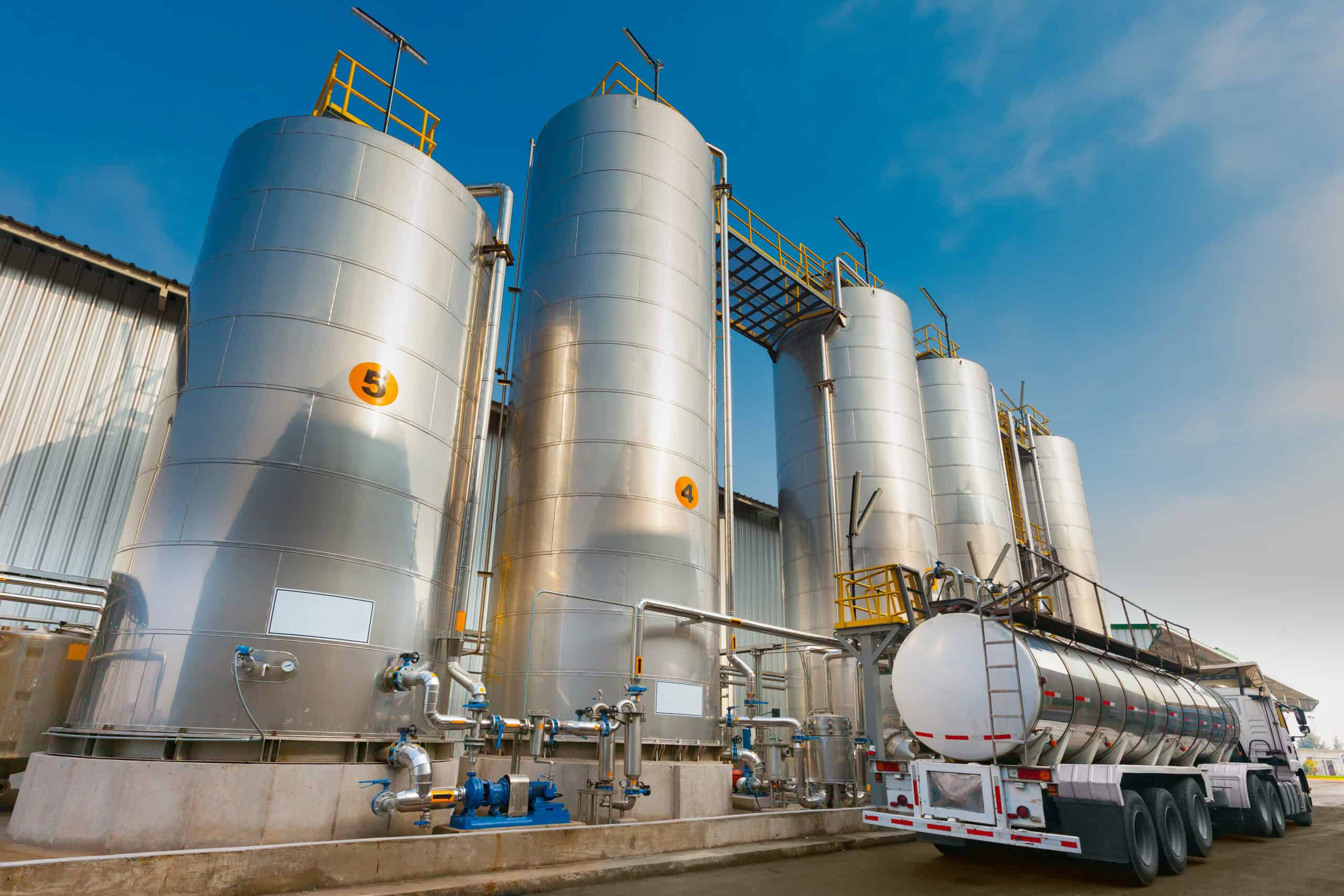
A bulk liquid storage and transfer operator sought to launch a new ethanol transloading operation involving rail-to-truck transfers using closed-loop loading.
Frequently Asked Questions About PSD and NNSR Permitting
What are PSD and NNSR, and how do they differ?
PSD and NNSR are the two major New Source Review (NSR) construction permitting programs under the federal Clean Air Act framework. Prevention of Significant Deterioration (PSD) is a major NSR permit program that applies to new major stationary sources and major modifications in areas that are meeting the National Ambient Air Quality Standards (NAAQS) or are unclassifiable for a regulated pollutant — and PSD projects typically require Best Available Control Technology (BACT), with many also requiring air dispersion modeling. Nonattainment New Source Review (NNSR) is the major NSR permit program for new major stationary sources and major modifications located in areas designated nonattainment for a NAAQS pollutant. NNSR requirements are generally more stringent than PSD and typically include Lowest Achievable Emission Rate (LAER) controls, emissions offsets (such as ERCs, DERCs, or other approvable mechanisms), and a demonstration of compliance with State Implementation Plan (SIP) requirements and other nonattainment-specific conditions.
When is PSD or NNSR permitting required?
PSD/NNSR is commonly triggered when you are building a new major stationary source (greenfield or new facility), expanding or revamping an existing facility in a way that qualifies as a major modification, or reactivating or restarting a long-idled unit/source where NSR applicability must be evaluated (a nuanced, high-risk area). Typical deal and project scenarios include new or expanded petrochemical, refining, midstream, power, manufacturing, or large combustion projects; major expansions tied to debottlenecking, throughput increases, or new process units; M&A/diligence where NSR exposure could become a lender/investor issue; and projects in or near ozone nonattainment regions where NNSR may apply for NOx/VOC. For Texas projects across major industrial markets, PSD/NNSR applicability is often a critical path issue that can drive schedule, design, and transaction risk.
What are the risks of missing or mishandling PSD/NNSR?
If PSD/NNSR is missed or mishandled, common consequences include construction delays (stop-work risk or inability to commence), major redesign late in the project (controls, stack parameters, operational limits), investor/lender friction (permitting uncertainty is a diligence red flag), enforcement exposure if construction begins without the required major NSR permit, and offset/LAER surprises in nonattainment areas (often the biggest commercial risk in NNSR).
What does ESE Partners' PSD/NNSR permitting process look like?
ESE Partners focuses on fast, defensible PSD/NNSR applicability decisions and permit strategies that match business objectives without overcalling risk — taking an applicability-first approach that starts by confirming whether PSD or NNSR is truly triggered and, if so, for which pollutants, while integrating engineering and permitting considerations to help avoid late-stage redesign. The process includes: kickoff and data request (PFDs/P&IDs where available, equipment lists, fuels, operating scenarios, project schedule); emissions basis development (PTE, baseline actual, projected actual, netting as applicable); PSD/NNSR applicability analysis (major source and major modification testing; significance; pollutant-by-pollutant area status); control strategy (BACT analysis framework for PSD; LAER plus offset strategy for NNSR); modeling and technical support (as required — often a schedule driver); permit package preparation and agency support; public notice support and responsiveness during review; and construction/operational compliance planning (conditions, monitoring, recordkeeping). In Texas, NSR is implemented through the SIP and TCEQ permitting program, so applicability determinations and supporting documentation must align with both federal NSR requirements and Texas-adopted rules.