What Is Deed Recordation?
Deed recordation is the formal filing of an executed deed (e.g., General Warranty Deed, Special Warranty Deed, Deed Without Warranty, quitclaim where applicable) in the real property records maintained by the County Clerk in the county where the property is located.
In Texas, a deed is generally effective between the parties upon proper execution and delivery, but recording is what provides public notice and priority protections in the real estate marketplace.
Request Deed Recordation Services Today
Texas’ most trusted environmental experts – comprehensive by design.
When Is It Required?
Deed recordations are typically required or strongly expected in these scenarios:
- Acquisitions/dispositions: standard closing requirement to perfect title in public records.
- Lender financing/refinancing: lenders and title insurers generally require recorded documents to confirm lien priority and ownership chain.
- Portfolio transfers across multiple Texas counties: ensure every county’s OPR reflects the transfer.
- Entity or authority-driven conveyances: e.g., deeds executed by attorney-in-fact where related authority documents may also need recordation in connection with the transaction.
- Corrections/clean-up title work: correction instruments may need to be filed of record to resolve errors in prior instruments.
ESE Partners’ Approach (Deal-Focused + Documentation-Disciplined)
ESE Partners supports deed recordation as part of commercial due diligence execution, helping deal teams avoid preventable county rejections, closing delays, and post-closing title clean-up. Our approach is built around the closing, so we align with your title company, counsel, and lender timelines to keep the transaction moving. Texas recording is county-administered, which means formatting and submission workflows can vary, and we reduce resubmittals by confirming requirements up front. We focus on what actually triggers recording risk, including priority, notice, and chain-of-title impacts under Texas recording rules. Our support covers the whole state, including Houston, Dallas–Fort Worth, Austin, and San Antonio, as well as rural counties where process variance is often the biggest risk.
Our Process
- Confirm county of record (property location county; multi-county parcels handled separately).
- Pre-check instrument package (execution, notary acknowledgment, and other commonly required elements).
- Submission coordination (eRecording where available or physical submission where required).
- Track acceptance/rejection and cure issues quickly.
- Deliver recorded copies and recording data back to the deal team for closing binder/lender file.
Regulatory Framework
Key legal concepts that drive deed recordation importance in Texas start with the recording statute, which sets the rules of priority and notice. Under it, a conveyance that is not properly recorded may be void as to a creditor or a subsequent purchaser for value without notice. Execution and delivery requirements also matter, because Texas law recognizes that a conveyance must be in writing, signed by the grantor, and delivered to be effective between the parties. Finally, acknowledgment is required for recording, since county clerks generally require a proper notary acknowledgment before they will record a deed.
Risks of Not Completing This Service
Failing to record (or recording incorrectly) can create real deal exposure:
- Priority and enforceability issues against later purchasers/creditors without notice (recording statute risk).
- Title insurance exceptions and post-closing underwriting problems (often discovered only when you sell/refinance).
- Closing delays due to county rejections (often tied to acknowledgment or execution defects).
- Costly cleanup (correction instruments and re-recordings).
More Environmental Remediation Services

Remediation Design & Implementation
When active remediation is necessary, our site investigation and remediation consulting team selects the most technically sound approach for each unique site. We evaluate a full spectrum of remedial methods before committing to a strategy, because the right solution depends on contaminant type, site geology, regulatory program, and end-use goals.

Brownfields & Redevelopment Support
ESE Partners is committed to recycling the land and revitalizing cities and neighborhoods. Environmentally impacted properties carry hidden financial potential, and we help our clients unlock it through strategic environmental risk management and engineering.
Industries We Serve
ESE operates in a wide range of industries, all with unique needs and regulatory obligations. We offer experts who understand the broad complexity of environmental challenges faced by today’s businesses.

Real Estate Brokers & Developers
ESE helps brokers and developers reduce deal friction and avoid surprises through fast, defensible environmental due diligence. We support property evaluations, redevelopment risk screening, and transaction-ready reporting for Texas assets.

Private Equity/Capital Investors
Transaction support for acquisitions and portfolio oversight, including Phase I/II ESAs and risk-based evaluation. We provide clear findings, practical recommendations, and scalable diligence support.

Financial Institutions
ESE supports lender-driven environmental due diligence and portfolio risk management, including Phase I/II ESAs and risk screening. We deliver consistent, defensible reporting aligned with credit and closing timelines.

Attorneys
Technical support for environmental risk, liability evaluation, and regulatory strategy. We provide clear documentation and expert collaboration to support transactions, compliance matters, and remediation planning.
Why ESE Partners
Texas’ Most Trusted Environmental Experts – Comprehensive by Design means we help clients execute transactions with fewer surprises. Clients rely on ESE Partners for Texas-first execution across the major metros and statewide county jurisdictions. Our full due diligence coverage includes environmental due diligence, remediation support, compliance, natural and cultural resources, and building sciences, so recordation support fits into a broader, integrated transaction workflow. Our responsive teams understand lender and closing urgency, and our delivery scales for single assets or multi-county portfolios.
Need deed recordation support in Texas to keep your closing on schedule?
Talk to ESE Partners today – we’ll coordinate with your title team and help you avoid preventable county rejections and post-closing title issues.
Our Environmental Remediation Projects

Environmental Health and Safety Plan for Utility and Roadway Improvements in PPCA Areas
ESE prepared a Site Environmental Health and Safety Plan designed specifically for utility construction activities conducted within Potentially Petroleum Contaminated Areas associated with LPST/PST conditions, providing a clear framework to protect workers, maintain safe operations, and support compliant field execution during active construction.
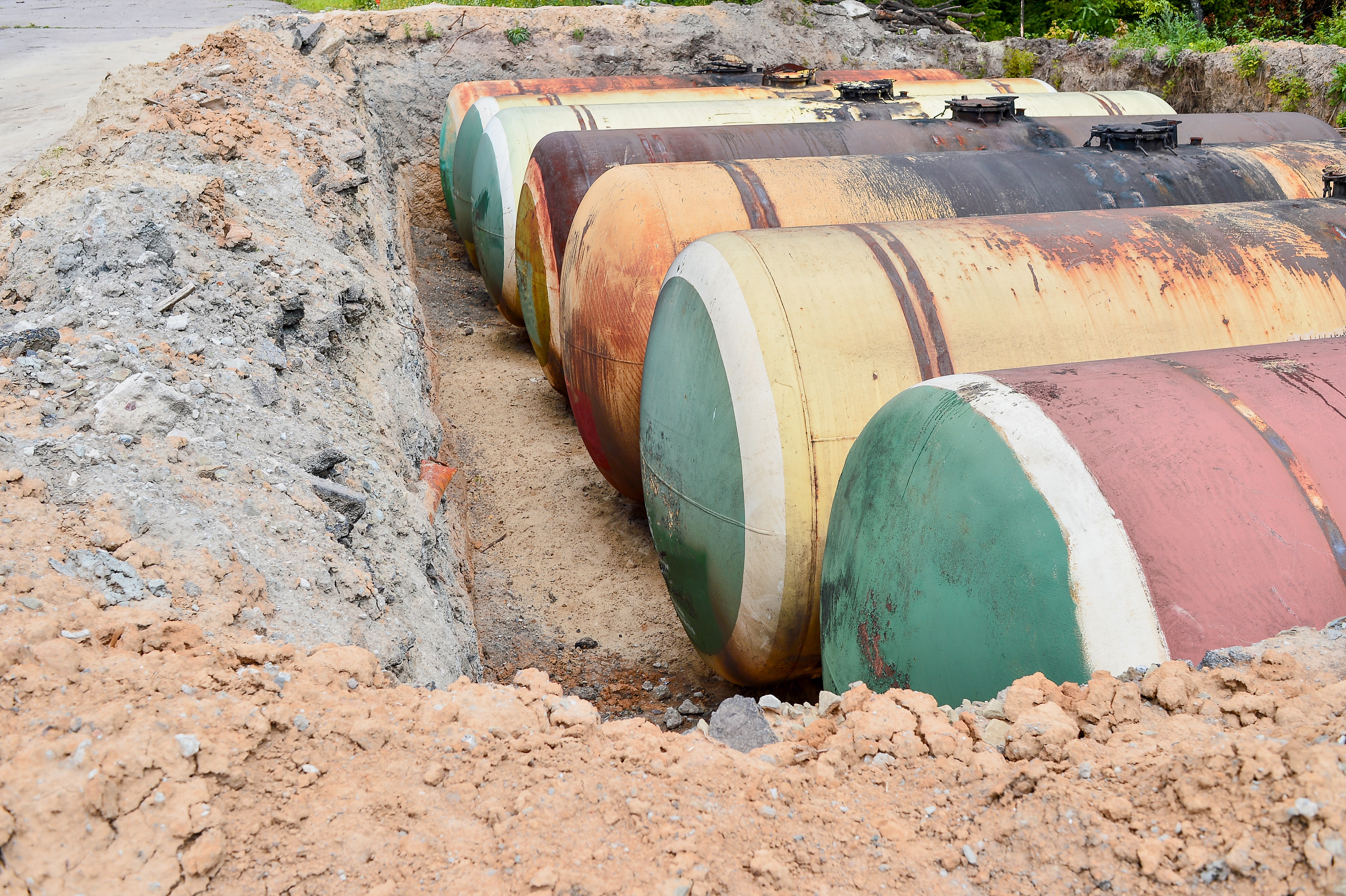
Tank Removal and Release Determination for Diesel UST
ESE completed a tank removal and release determination for a diesel underground storage tank at an active healthcare facility in Texas, delivering regulator-ready documentation to support compliant closure and reduce environmental liability.

EPA-Funded Brownfields QAPP and Sampling Plan for Municipal Redevelopment
ESE prepared a Quality Assurance Project Plan for an EPA-funded Brownfields effort supporting a municipal brownfields program, providing the quality framework and sampling plan needed to conduct limited subsurface investigations and produce defensible, regulator-ready data.
Frequently Asked Questions About Deed Recordations in Texas
What is deed recordation in Texas?
Deed recordation is the formal filing of an executed deed, such as a general warranty deed, special warranty deed, or deed without warranty, in the Official Public Records maintained by the County Clerk in the county where the property is located. A deed is generally effective between the parties once it is properly executed and delivered. Recording is what gives buyers, lenders, and title companies public notice of the transfer and protects the new owner’s priority under the Texas recording statute.
What happens if a deed is not recorded?
Under Texas’ recording statute, an unrecorded conveyance may be void as to a creditor or a subsequent purchaser for value without notice. An unrecorded or incorrectly recorded deed can also lead to title insurance exceptions and underwriting problems that often surface only when you sell or refinance. Fixing the problem later usually means correction instruments and re-recordings, which add cost and delay.
When is deed recordation required for a transaction?
Recordation is typically required or strongly expected at the close of an acquisition or disposition, and lenders and title insurers generally require recorded documents to confirm lien priority and the chain of ownership during financing or refinancing. It also applies to portfolio transfers across multiple Texas counties, where every county’s records must reflect the transfer. Deeds signed by an attorney-in-fact, where the authority documents may also need to be recorded, and title clean-up work that requires correction instruments to be filed of record, are other common cases.
How does ESE Partners help prevent county rejections and closing delays?
ESE Partners confirms the county of record, then pre-checks the instrument package for execution, notary acknowledgment, and other commonly required elements. Because Texas recording is county-administered and requirements can vary, we confirm each county’s requirements up front, coordinate submission by eRecording where available or by physical delivery where required, and track acceptance or rejection so any issue is cured quickly. We then deliver recorded copies and recording data back to the deal team for the closing binder and lender file.