What Is End Use Strategic Development?
End Use Strategic Development is the process of designing an environmental strategy around the specific future use of a site (industrial, commercial, mixed-use, residential), then executing the investigations, risk evaluations, and corrective actions needed to make that end use achievable.
This commonly includes:
- Targeted site assessment to confirm conditions and reduce uncertainty
- Feasibility evaluation of remediation approaches (including bench/pilot testing when needed)
- Risk-based strategies that can reduce unnecessary cleanup while still protecting human health (e.g., engineering/institutional controls, exposure pathway management)
- Program alignment under applicable agencies (EPA, TCEQ, Railroad Commission), depending on jurisdiction and site history
Request End Use Strategic Development Services Today
Texas’ most trusted environmental experts – comprehensive by design.
When Is It Required?
End Use Strategic Development is often necessary when:
- You’re buying/selling a site with known impacts and need a clear closeout path for lender/insurance comfort.
- A Phase II ESA confirms contamination and the deal needs a cost and schedule plan to proceed.
- You’re redeveloping a brownfield and need to match cleanup to the planned site layout and exposure pathways.
- You want to avoid over-remediation by using risk-based approaches and controls where appropriate.
- The project falls under or adjacent to oversight by EPA, TCEQ, or RRC programs.
ESE Partners’ Approach
“Comprehensive by Design” means we connect remediation to the rest of the project. We tie it to real estate objectives, including closing timelines, lender expectations, and title constraints. We tie it to engineering reality, including constructability, dewatering, utility corridors, and cap designs. And we tie it to regulatory strategy, meaning the right program pathway and documentation for closure.
Clients value our fast, decision-grade deliverables, without academic over-analysis. We frame risk clearly for lenders, investors, and attorneys. We also bring Texas regulatory fluency and practical corrective action execution under multiple jurisdictions.
Our Process
- End use definition workshop
planned use, receptors, construction scope, schedule drivers - Data gap review
Phase I/II, historical operations, prior agency files, conceptual site model - Targeted investigation plan
only what you need to support decisions - Feasibility and remedy screening
including bench/pilot tests when warranted - Corrective action/risk management plan
practical, constructible, defensible - Agency coordination
EPA/TCEQ/RRC pathway as applicable - Implementation and documentation
contractor support, confirmation sampling, closeout package
Regulatory Framework
Depending on site conditions and jurisdiction, End Use Strategic Development may be implemented alongside corrective action and cleanup frameworks administered by EPA, which provides federal oversight on certain sites and programs. TCEQ, the Texas Commission on Environmental Quality, administers others, as does the Texas Railroad Commission (RRC) for certain oil and gas-related matters. ESE routinely supports corrective action projects under these jurisdictions and program pathways.
Risks of Not Completing This Service
Skipping an end-use-driven strategy often leads to:
- Deal delays when lenders/insurers can’t get comfortable with uncertainty
- Scope creep (investigations and cleanup expanding mid-project)
- Overpaying for remediation by defaulting to unnecessary excavation instead of risk-based alternatives
- Regulatory exposure if the chosen approach doesn’t align with the governing program expectations
More Environmental Remediation Services

Remediation Design & Implementation
When active remediation is necessary, our site investigation and remediation consulting team selects the most technically sound approach for each unique site. We evaluate a full spectrum of remedial methods before committing to a strategy, because the right solution depends on contaminant type, site geology, regulatory program, and end-use goals.

Brownfields & Redevelopment Support
ESE Partners is committed to recycling the land and revitalizing cities and neighborhoods. Environmentally impacted properties carry hidden financial potential, and we help our clients unlock it through strategic environmental risk management and engineering.
Industries We Serve
ESE operates in a wide range of industries, all with unique needs and regulatory obligations. We offer experts who understand the broad complexity of environmental challenges faced by today’s businesses.

Real Estate Brokers & Developers
ESE helps brokers and developers reduce deal friction and avoid surprises through fast, defensible environmental due diligence. We support property evaluations, redevelopment risk screening, and transaction-ready reporting for Texas assets.

Private Equity/Capital Investors
Transaction support for acquisitions and portfolio oversight, including Phase I/II ESAs and risk-based evaluation. We provide clear findings, practical recommendations, and scalable diligence support.

Financial Institutions
ESE supports lender-driven environmental due diligence and portfolio risk management, including Phase I/II ESAs and risk screening. We deliver consistent, defensible reporting aligned with credit and closing timelines.

Attorneys
Technical support for environmental risk, liability evaluation, and regulatory strategy. We provide clear documentation and expert collaboration to support transactions, compliance matters, and remediation planning.
Why ESE Partners
Texas’ Most Trusted Environmental Experts – Comprehensive by Design.
ESE Partners is trusted across Texas because we bring end-use thinking that protects return on investment (ROI) and schedule. We have deep capabilities across due diligence, remediation, compliance, and program management, and the ability to scale across Houston, Dallas–Fort Worth, Austin, and San Antonio. Our team is built to communicate clearly with developers, lenders, attorneys, and technical stakeholders.
If you have a site with environmental constraints and a redevelopment deadline, we’ll help you map a realistic path to the finish line.
Request an End Use Strategic Development proposal—keep your deal moving.
Our Environmental Remediation Projects

Environmental Health and Safety Plan for Utility and Roadway Improvements in PPCA Areas
ESE prepared a Site Environmental Health and Safety Plan designed specifically for utility construction activities conducted within Potentially Petroleum Contaminated Areas associated with LPST/PST conditions, providing a clear framework to protect workers, maintain safe operations, and support compliant field execution during active construction.
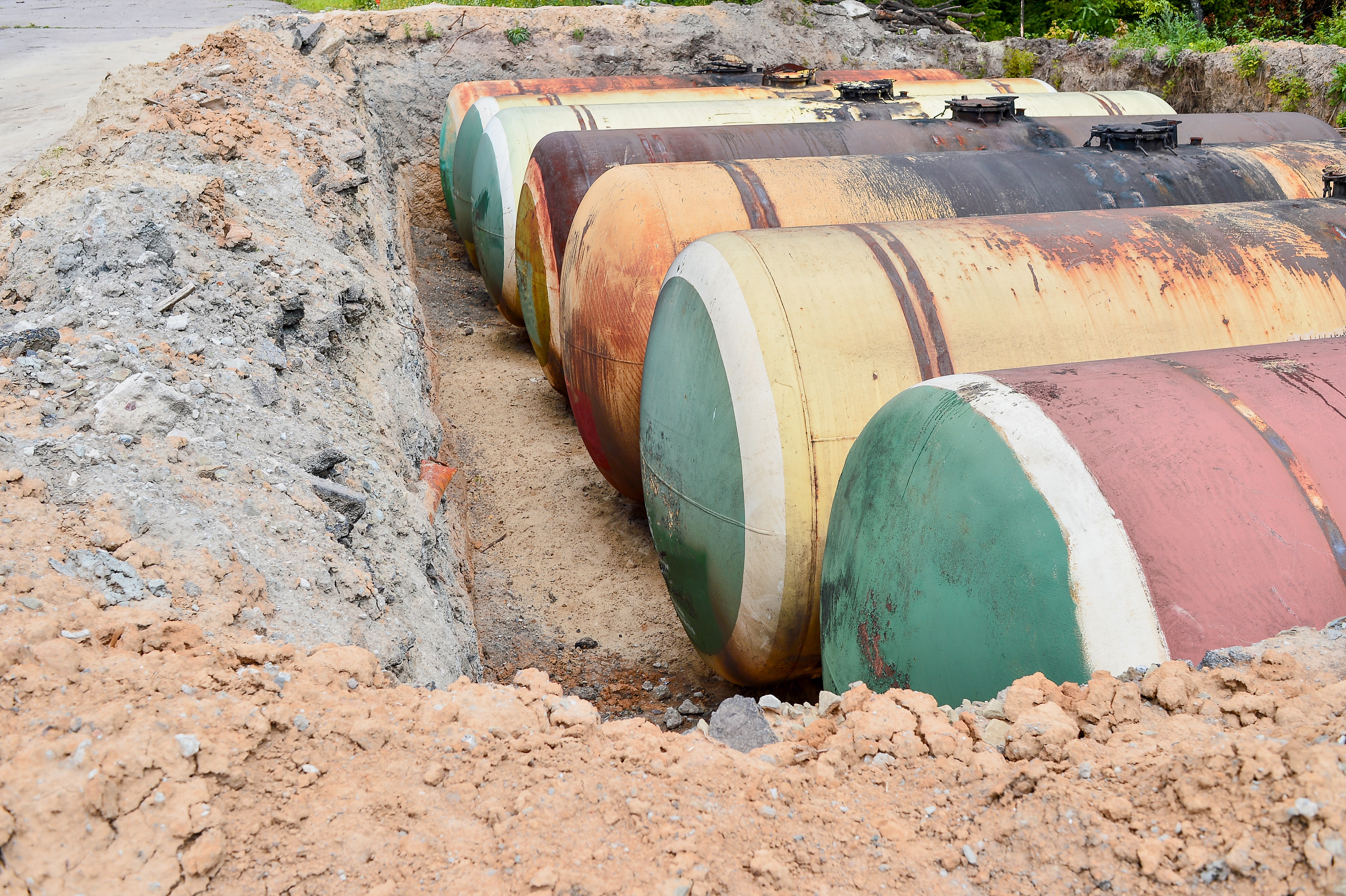
Tank Removal and Release Determination for Diesel UST
ESE completed a tank removal and release determination for a diesel underground storage tank at an active healthcare facility in Texas, delivering regulator-ready documentation to support compliant closure and reduce environmental liability.

EPA-Funded Brownfields QAPP and Sampling Plan for Municipal Redevelopment
ESE prepared a Quality Assurance Project Plan for an EPA-funded Brownfields effort supporting a municipal brownfields program, providing the quality framework and sampling plan needed to conduct limited subsurface investigations and produce defensible, regulator-ready data.
Frequently Asked Questions About End Use Strategic Development
What is End Use Strategic Development?
End Use Strategic Development is the process of designing an environmental strategy around the specific future use of a site, such as industrial, commercial, mixed-use, or residential, then executing the investigations, risk evaluations, and corrective actions needed to make that end use achievable. It commonly includes targeted site assessment to confirm conditions and reduce uncertainty, and feasibility evaluation of remediation approaches, including bench or pilot testing when needed. It also includes risk-based strategies, such as engineering and institutional controls and exposure pathway management, that can reduce unnecessary cleanup while still protecting human health. Program alignment under applicable agencies, including EPA, the Texas Commission on Environmental Quality (TCEQ), and the Texas Railroad Commission (RRC), depends on jurisdiction and site history.
When is End Use Strategic Development needed?
It is often necessary when you are buying or selling a site with known impacts and need a clear closeout path for lender and insurer confidence. It also applies when a Phase II Environmental Site Assessment confirms contamination and the deal needs a cost and schedule plan to proceed, or when you are redeveloping a brownfield and need to match cleanup to the planned site layout and exposure pathways. It fits owners who want to avoid over-remediation by using risk-based approaches and controls where appropriate, and projects that fall under or adjacent to oversight by EPA, TCEQ, or RRC programs.
What are the risks of skipping an end-use-driven strategy?
Skipping an end-use-driven strategy often leads to deal delays when lenders and insurers can’t accept the uncertainty. It can also cause scope creep as investigations and cleanup expand mid-project, and overpayment for remediation by defaulting to unnecessary excavation instead of risk-based alternatives. Regulatory exposure follows if the chosen approach doesn’t align with the governing program’s expectations.
What does ESE Partners’ End Use Strategic Development process look like?
ESE Partners starts with an end use definition workshop covering the planned use, receptors, construction scope, and schedule drivers. We review data gaps across Phase I and Phase II findings, historical operations, prior agency files, and the conceptual site model, then build a targeted investigation plan that covers only what you need to support decisions. Our team screens feasibility and remedies, including bench or pilot tests when warranted, and develops a practical, constructible, defensible corrective action or risk management plan. We coordinate with the applicable EPA, TCEQ, or RRC pathway, and support implementation with contractor support, confirmation sampling, and a closeout package.