What Is Excavation (Environmental Scope)?
From an environmental risk standpoint, excavation includes any earth disturbance, such as mass grading, trenching, foundations, utility installation, or tank removals, that could encounter subsurface conditions affecting safety, cost, schedule, or compliance. This may include underground utilities, such as gas, electric, telecom, water, or sewer lines, which require legal notification through the Texas one-call system before digging. Excavation can also uncover potentially impacted soil or groundwater, including petroleum staining or odors, historic fill, or industrial residues, which may require characterization and managed disposal under Texas rules, often using TCEQ TRRP decision frameworks. In addition, trenching and excavation safety constraints, such as sloping, shoring, and competent person inspections, can affect constructability and must be managed under OSHA excavation requirements.
Request Your Excavation Environmental Support Services Today
Texas’ most trusted environmental experts – comprehensive by design.
When Is It Required?
You typically need excavation-focused environmental support when:
- Buying, developing, or redeveloping commercial property where subsurface conditions are uncertain (environmental due diligence risk)
- Installing utilities (water/sewer, storm, fiber, power) with trenching in tight ROWs or developed sites (utility conflict and schedule risk).
- Removing USTs/ASTs or excavating near former fueling/maintenance areas (petroleum-impacted soil risk)
- Dewatering is anticipated (high groundwater, seepage, wet-weather excavation) and discharge management must be planned
- Lenders, counsel, or owners want documented controls for unknowns before releasing funds or GMP contingencies
ESE Partners’ Approach
Comprehensive by Design means ESE Partners integrates environmental reality into construction means and methods without overcalling risk. Our team provides fast field response when soil conditions change, including same-day or next-day mobilization when needed. We develop clear decision trees for distinguishing clean versus impacted excavations, helping teams avoid unnecessary disposal costs while maintaining defensible documentation. With Texas regulatory fluency, ESE applies TRRP concepts, waste profiling requirements, and practical coordination with landfills and haulers to keep soil management moving. We also provide constructability-minded oversight aligned with contractor workflows and OSHA excavation constraints, so environmental support fits the way work actually happens in the field.
Our Process
- Pre-excavation risk screening: Review available records, site history, and planned cut/fill limits
- Utility and conflict coordination: Confirm one-call notification timing and markouts are aligned with the schedule.
- Field monitoring during excavation (as needed): Observe soils for staining/odor/debris; segregate and stockpile appropriately
- Sampling & laboratory testing (if suspect media encountered): Rapid characterization for disposal profiling and/or risk evaluation
- Material management plan: Stockpile controls, haul-off logistics, documentation, and confirmation sampling strategies
- Disposal coordination: Support special waste determinations/authorization pathways when required by receiving facilities.
- Closeout documentation: Daily logs, photo documentation, analytical summaries, and recommendations for next steps
Regulatory Framework (Common Touchpoints)
Texas one-call/underground facility damage prevention
Texas law requires notifying a certified one-call center before excavation.
OSHA Trenching & Excavation (29 CFR 1926 Subpart P)
Core excavation safety framework (competent person, protective systems, inspections).
TCEQ Texas Risk Reduction Program (TRRP)
Tier 1 PCLs are default cleanup benchmarks in TRRP.
TCEQ Waste & Disposal (Special Waste)
Special waste authorization may be required depending on waste characteristics and receiving facility requirements.
Risks of Not Completing This Service
- Costly delays from surprise contamination, failed landfill acceptance, or re-handling/stockpiling
- Change orders and disputes when responsibilities for impacted soil, dewatering, or confirmatory sampling aren’t defined
- Utility strikes leading to shutdowns, repairs, liability exposure, and reputational damage.
- Regulatory exposure if impacted media is mishandled or off-site disposal documentation is incomplete.
More Environmental Remediation Services

Remediation Design & Implementation
When active remediation is necessary, our site investigation and remediation consulting team selects the most technically sound approach for each unique site. We evaluate a full spectrum of remedial methods before committing to a strategy, because the right solution depends on contaminant type, site geology, regulatory program, and end-use goals.

Brownfields & Redevelopment Support
ESE Partners is committed to recycling the land and revitalizing cities and neighborhoods. Environmentally impacted properties carry hidden financial potential, and we help our clients unlock it through strategic environmental risk management and engineering.
Industries We Serve
ESE operates in a wide range of industries, all with unique needs and regulatory obligations. We offer experts who understand the broad complexity of environmental challenges faced by today’s businesses.

Real Estate Brokers & Developers
ESE helps brokers and developers reduce deal friction and avoid surprises through fast, defensible environmental due diligence. We support property evaluations, redevelopment risk screening, and transaction-ready reporting for Texas assets.

Private Equity/Capital Investors
Transaction support for acquisitions and portfolio oversight, including Phase I/II ESAs and risk-based evaluation. We provide clear findings, practical recommendations, and scalable diligence support.

Financial Institutions
ESE supports lender-driven environmental due diligence and portfolio risk management, including Phase I/II ESAs and risk screening. We deliver consistent, defensible reporting aligned with credit and closing timelines.

Attorneys
Technical support for environmental risk, liability evaluation, and regulatory strategy. We provide clear documentation and expert collaboration to support transactions, compliance matters, and remediation planning.
Why ESE Partners
ESE Partners provides Texas-first excavation environmental support across Houston, Dallas–Fort Worth, Austin, San Antonio, and statewide markets, with teams built around real project schedules. As one firm that can scale from environmental due diligence to construction support, remediation, and compliance, ESE helps clients manage environmental issues across the full project lifecycle. Our team provides straight answers and practical risk controls that keep the job moving without inflating uncertainty into unnecessary scope.
Need excavation support for a site with schedule pressure or subsurface risk?
ESE Partners can turn a proposal within 24 hours—and mobilize quickly to keep your excavation, utility work, and development timeline on track.
Our Environmental Remediation Projects

Environmental Health and Safety Plan for Utility and Roadway Improvements in PPCA Areas
ESE prepared a Site Environmental Health and Safety Plan designed specifically for utility construction activities conducted within Potentially Petroleum Contaminated Areas associated with LPST/PST conditions, providing a clear framework to protect workers, maintain safe operations, and support compliant field execution during active construction.
Tank Removal and Release Determination for Diesel UST
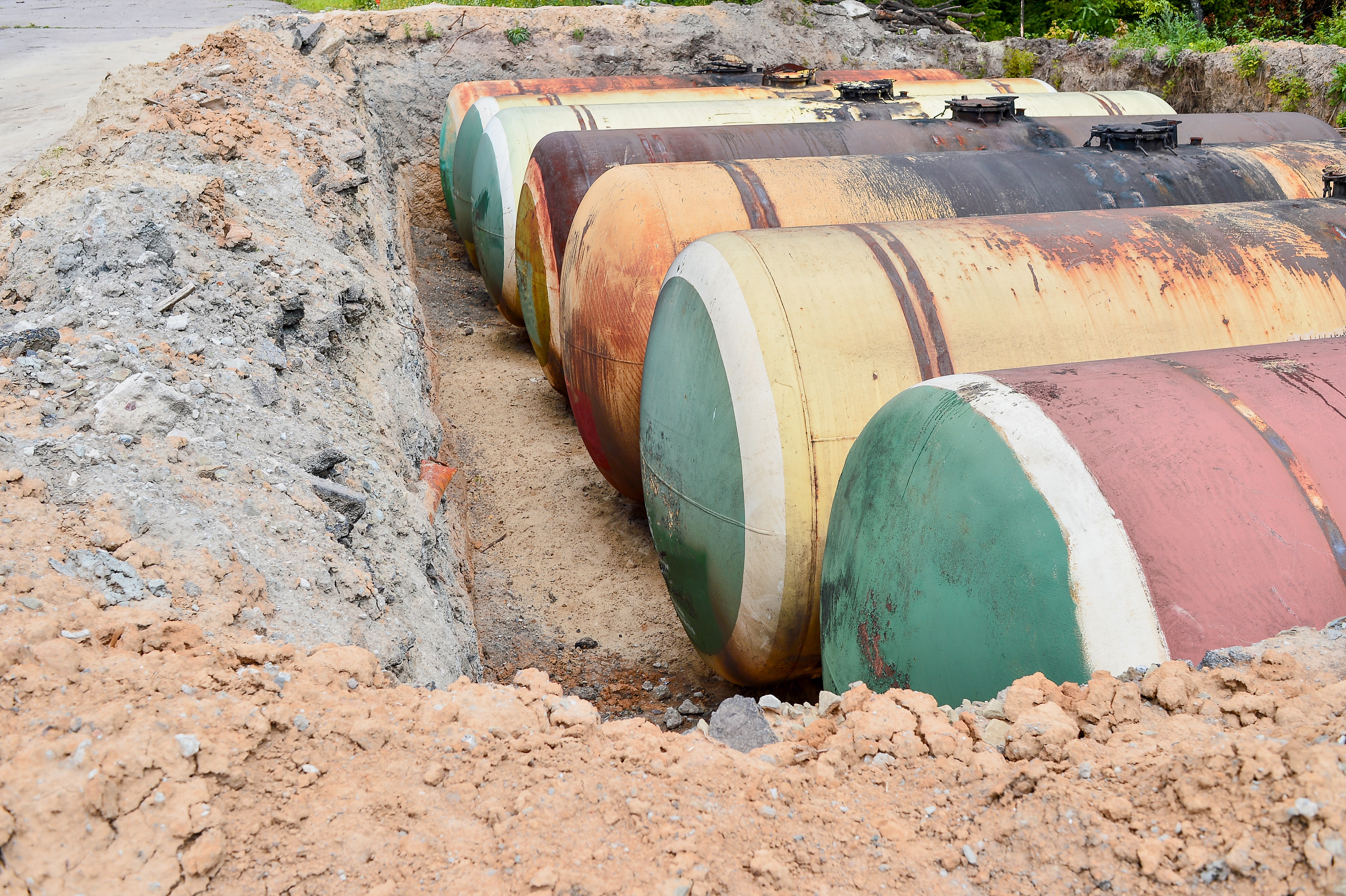
ESE completed a tank removal and release determination for a diesel underground storage tank at an active healthcare facility in Texas, delivering regulator-ready documentation to support compliant closure and reduce environmental liability.
EPA-Funded Brownfields QAPP and Sampling Plan for Municipal Redevelopment
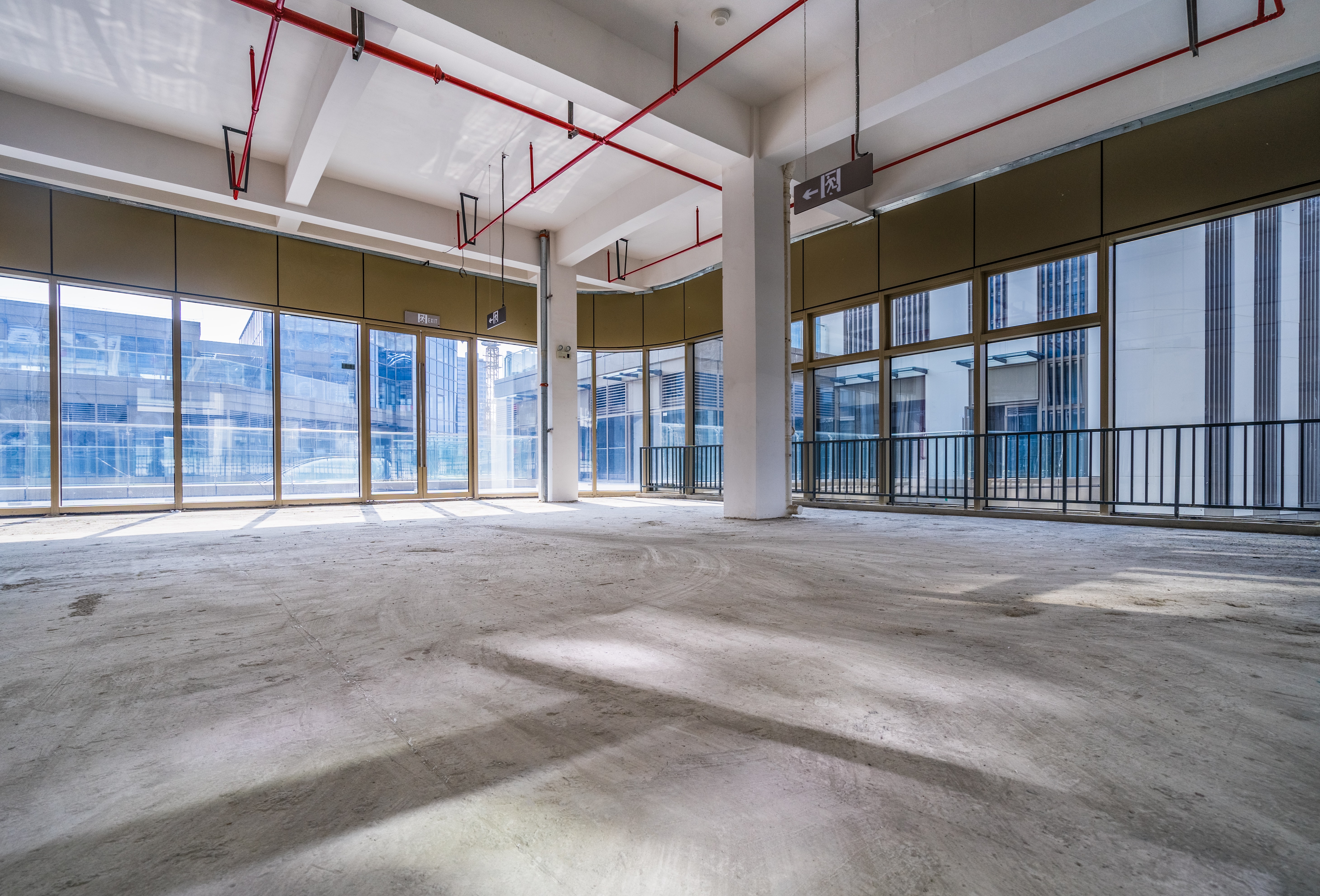
ESE prepared a Quality Assurance Project Plan for an EPA-funded Brownfields effort supporting a municipal brownfields program, providing the quality framework and sampling plan needed to conduct limited subsurface investigations and produce defensible, regulator-ready data.
Frequently Asked Questions About Excavation Environmental Support
What does "excavation" mean from an environmental risk standpoint?
From an environmental risk standpoint, excavation includes any earth disturbance — such as mass grading, trenching, foundations, utility installation, or tank removals — that could encounter subsurface conditions affecting safety, cost, schedule, or compliance. This may include underground utilities (gas, electric, telecom, water, or sewer lines), which require legal notification through the Texas one-call system before digging. Excavation can also uncover potentially impacted soil or groundwater — including petroleum staining or odors, historic fill, or industrial residues — which may require characterization and managed disposal under Texas rules, often using TCEQ TRRP decision frameworks. In addition, trenching and excavation safety constraints such as sloping, shoring, and competent person inspections can affect constructability and must be managed under OSHA excavation requirements.
When do I need excavation-focused environmental support?
You typically need excavation-focused environmental support when buying, developing, or redeveloping commercial property where subsurface conditions are uncertain (environmental due diligence risk), installing utilities (water/sewer, storm, fiber, power) with trenching in tight ROWs or developed sites (utility conflict and schedule risk), removing USTs/ASTs or excavating near former fueling/maintenance areas (petroleum-impacted soil risk), when dewatering is anticipated (high groundwater, seepage, wet-weather excavation) and discharge management must be planned, or when lenders, counsel, or owners want documented controls for unknowns before releasing funds or GMP contingencies.
What are the risks of not having excavation environmental support?
Not having excavation environmental support can lead to costly delays from surprise contamination, failed landfill acceptance, or re-handling/stockpiling, change orders and disputes when responsibilities for impacted soil, dewatering, or confirmatory sampling aren’t defined, utility strikes leading to shutdowns, repairs, liability exposure, and reputational damage, and regulatory exposure if impacted media is mishandled or off-site disposal documentation is incomplete. Texas excavation projects move fast — until an unexpected utility conflict, contaminated soil, or dewatering issue stops the job and triggers change orders.
What does ESE Partners' excavation environmental support process look like?
ESE Partners’ Comprehensive by Design approach integrates environmental reality into construction means and methods without overcalling risk — providing fast field response when soil conditions change (including same-day or next-day mobilization when needed), clear decision trees for distinguishing clean versus impacted excavations that help teams avoid unnecessary disposal costs, and constructability-minded oversight aligned with contractor workflows and OSHA excavation constraints. The process includes: pre-excavation risk screening (reviewing available records, site history, and planned cut/fill limits); utility and conflict coordination (confirming one-call notification timing and markouts are aligned with the schedule); field monitoring during excavation as needed (observing soils for staining/odor/debris and segregating/stockpiling appropriately); sampling and laboratory testing if suspect media is encountered (rapid characterization for disposal profiling and/or risk evaluation); a material management plan (stockpile controls, haul-off logistics, documentation, and confirmation sampling strategies); disposal coordination (supporting special waste determinations/authorization pathways when required by receiving facilities); and closeout documentation (daily logs, photo documentation, analytical summaries, and recommendations for next steps). Common regulatory touchpoints include the Texas one-call/underground facility damage prevention system, OSHA Trenching & Excavation (29 CFR 1926 Subpart P), the TCEQ Texas Risk Reduction Program (TRRP), and TCEQ special waste and disposal requirements.