What Is a Feasibility Study?
A real estate feasibility study is a structured due diligence evaluation that answers one question: Should you buy, develop, redevelop, or finance this property—on these terms—right now?
It typically evaluates:
- Site constraints + engineering feasibility
- Environmental and regulatory risk
- Entitlement/zoning pathway
- Market positioning
- High-level design/testing
- Order-of-magnitude costs and schedule
- Financial model sensitivity (rent, cap rate, construction costs, timing)
Request A Feasibility Study in Texas Today
Texas’ most trusted environmental experts – comprehensive by design.
When Is It Required?
Feasibility studies are commonly used when:
- Acquiring land for development (multifamily, industrial, retail, mixed-use)
- Buying an existing asset for repositioning or adaptive reuse
- Seeking construction financing or recapitalization
- Evaluating entitlement uncertainty (rezoning, variances, conditional use)
- Assessing physical constraints (utilities, drainage, access, floodplain, wetlands)
- Confirming environmental risk exposure before committing (Phase I ESA / Phase II triggers)
ESE Partners’ Approach
ESE Partners runs feasibility studies like a deal team. Our deliverables are decision-grade, with clear go, no-go, or renegotiate findings. We rank constraints by risk, separating manageable issues from true deal killers. We bring Texas-first permitting awareness, with practical insight into local review pathways and agency expectations. We also integrate environmental due diligence. When environmental concerns are likely, we align feasibility with the Phase I ESA and All Appropriate Inquiries (AAI) timeline to protect your escrow schedule. Our execution is responsive, with fast turnarounds and frequent check-ins to keep brokers, counsel, and lenders aligned.
Our Process
- Kickoff + deal objectives
Use case, schedule, exit strategy, financing requirements, risk tolerance. - Desktop due diligence
Zoning/land use, overlays, known constraints, prior site history, agency records, and mapping. - Site reconnaissance (as needed)
Access, adjacent uses, drainage patterns, visible constraints, operational red flags. - Engineering feasibility screening
Utilities availability, detention/drainage, grading, access/ROW constraints, constructability. - Environmental feasibility alignment
Phase I ESA integration and “next steps” planning if Recognized Environmental Conditions (RECs) are identified. - Order-of-magnitude budget + schedule
Entitlements, offsites, utilities, earthwork, environmental line items, and key path risks. - Pro forma validation + sensitivity
Stress-test rents, cap rates, construction escalation, absorption, and permitting duration. - Findings memo + strategy call
Clear recommendations: proceed, redesign, add contingencies, seek seller cures, or re-price.
Regulatory Framework (Where Feasibility and Environmental Due Diligence Intersect)
Feasibility studies often run in parallel with environmental due diligence for transactions and financing. EPA’s “All Appropriate Inquiries” (AAI) rule is codified at 40 CFR Part 312 and is commonly satisfied through a Phase I Environmental Site Assessment (ESA) performed by an Environmental Professional. Many lenders require Phase I ESAs to follow the AAI rule and ASTM E1527, with ASTM E1527-21 the current standard commonly referenced.
While feasibility studies aren’t governed by a single ASTM feasibility standard, they often depend on the same underlying facts that environmental and entitlement reviews will uncover: site history, regulatory constraints, and redevelopment obstacles.
Risks of Not Completing a Feasibility Study
Skipping feasibility commonly leads to:
- Deal delays (surprise entitlement hurdles, utility constraints, drainage requirements)
- Budget overruns (offsite improvements, detention volume, poor soils, demolition scope creep)
- Lost leverage (issues discovered after option periods or financing deadlines)
- Environmental cost exposure (discovering potential impacts late, triggering Phase II under time pressure)
- Mispricing the asset (pro forma built on assumptions that don’t survive agency review)
More Environmental Remediation Services

Remediation Design & Implementation
When active remediation is necessary, our site investigation and remediation consulting team selects the most technically sound approach for each unique site. We evaluate a full spectrum of remedial methods before committing to a strategy, because the right solution depends on contaminant type, site geology, regulatory program, and end-use goals.

Brownfields & Redevelopment Support
ESE Partners is committed to recycling the land and revitalizing cities and neighborhoods. Environmentally impacted properties carry hidden financial potential, and we help our clients unlock it through strategic environmental risk management and engineering.
Industries We Serve
ESE operates in a wide range of industries, all with unique needs and regulatory obligations. We offer experts who understand the broad complexity of environmental challenges faced by today’s businesses.

Real Estate Brokers & Developers
ESE helps brokers and developers reduce deal friction and avoid surprises through fast, defensible environmental due diligence. We support property evaluations, redevelopment risk screening, and transaction-ready reporting for Texas assets.

Private Equity/Capital Investors
Transaction support for acquisitions and portfolio oversight, including Phase I/II ESAs and risk-based evaluation. We provide clear findings, practical recommendations, and scalable diligence support.

Financial Institutions
ESE supports lender-driven environmental due diligence and portfolio risk management, including Phase I/II ESAs and risk screening. We deliver consistent, defensible reporting aligned with credit and closing timelines.

Attorneys
Technical support for environmental risk, liability evaluation, and regulatory strategy. We provide clear documentation and expert collaboration to support transactions, compliance matters, and remediation planning.
Why ESE Partners
Texas’ Most Trusted Environmental Experts – Comprehensive by Design.
Clients choose ESE Partners because we bring feasibility into the real world of Texas transactions. We offer statewide capability with metro execution in Houston, Dallas–Fort Worth, Austin, and San Antonio. Our full due diligence stack includes Phase I ESA and Phase II ESA work, compliance support, remediation support, and building sciences, so your feasibility study identifies the risk and the path forward. We communicate clearly for brokers, lenders, attorneys, and principals. Our teams scale for single assets or portfolio rollups.
Keep Your Project Moving
Need a feasibility study that keeps your deal moving?
Contact ESE Partners for a scoped, transaction-aligned feasibility proposal—built around your timeline, lender requirements, and Texas permitting realities.
Our Environmental Remediation Projects

Environmental Health and Safety Plan for Utility and Roadway Improvements in PPCA Areas
ESE prepared a Site Environmental Health and Safety Plan designed specifically for utility construction activities conducted within Potentially Petroleum Contaminated Areas associated with LPST/PST conditions, providing a clear framework to protect workers, maintain safe operations, and support compliant field execution during active construction.
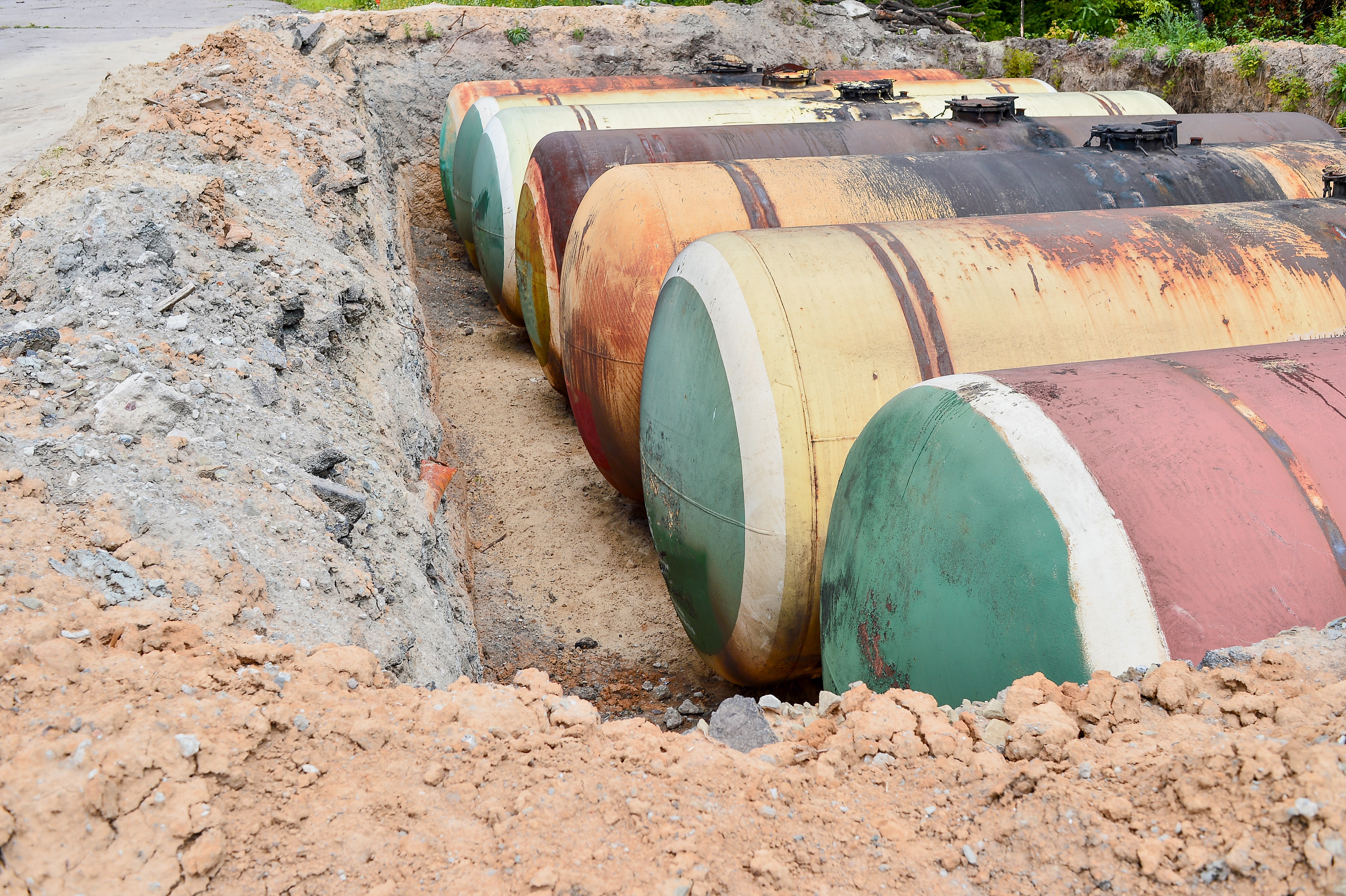
Tank Removal and Release Determination for Diesel UST
ESE completed a tank removal and release determination for a diesel underground storage tank at an active healthcare facility in Texas, delivering regulator-ready documentation to support compliant closure and reduce environmental liability.

EPA-Funded Brownfields QAPP and Sampling Plan for Municipal Redevelopment
ESE prepared a Quality Assurance Project Plan for an EPA-funded Brownfields effort supporting a municipal brownfields program, providing the quality framework and sampling plan needed to conduct limited subsurface investigations and produce defensible, regulator-ready data.
Frequently Asked Questions About Feasibility Studies
What is a real estate feasibility study?
A real estate feasibility study is a structured due diligence evaluation that answers one question: should you buy, develop, redevelop, or finance this property, on these terms, right now? It typically evaluates site constraints and engineering feasibility, environmental and regulatory risk, the entitlement and zoning pathway, market positioning, high-level design, and order-of-magnitude costs and schedule. It also tests the financial model’s sensitivity to rent, cap rate, construction costs, and timing.
When is a feasibility study used?
Feasibility studies are commonly used when acquiring land for development, such as multifamily, industrial, retail, or mixed-use, or when buying an existing asset for repositioning or adaptive reuse. They also apply when seeking construction financing or recapitalization, evaluating entitlement uncertainty such as rezoning, variances, and conditional use, or assessing physical constraints such as utilities, drainage, access, floodplain, and wetlands. Many buyers use one to confirm environmental risk exposure before committing, including Phase I Environmental Site Assessment (ESA) and Phase II triggers.
What are the risks of skipping a feasibility study?
Skipping a feasibility study commonly leads to deal delays from surprise entitlement hurdles, utility constraints, and drainage requirements. It can also cause budget overruns from offsite improvements, detention volume, poor soils, and demolition scope creep, and lost leverage when issues are discovered after option periods or financing deadlines. Environmental cost exposure rises when potential impacts are discovered late and trigger a Phase II under time pressure, and the asset can be mispriced when the pro forma rests on assumptions that don’t survive agency review.
What does ESE Partners’ feasibility study process look like?
ESE Partners starts with a kickoff to confirm deal objectives, including use case, schedule, exit strategy, financing requirements, and risk tolerance. We complete desktop due diligence on zoning and land use, overlays, known constraints, prior site history, agency records, and mapping, followed by site reconnaissance as needed, and screen engineering feasibility for utilities availability, detention and drainage, grading, access and right-of-way constraints, and constructability. We align environmental feasibility with Phase I ESA integration and next-steps planning if Recognized Environmental Conditions (RECs) are identified. Our team then builds an order-of-magnitude budget and schedule, validates the pro forma with sensitivity testing, and delivers a findings memo and strategy call with clear recommendations to proceed, redesign, add contingencies, seek seller cures, or re-price. Feasibility studies aren’t governed by a single ASTM feasibility standard, but they often depend on the same underlying facts, such as site history, regulatory constraints, and redevelopment obstacles, that environmental and entitlement reviews will uncover.