What Is a Functional Assessment for Streams and Wetlands?
Common frameworks/tools include:
- Wetlands: The Hydrogeomorphic (HGM) Approach used to assess wetland functions using models calibrated to regional wetland types and reference sites.
- Streams: EPA’s Framework for Stream Assessment and Restoration Projects (used to align functional lift/impairment with CWA Section 404).
- Flow duration/supporting methods (as needed): EPA Streamflow Duration Assessment Methods (SDAM) resources can support streamflow duration characterization where appropriate.
Request Your Functional Assessment for Streams and Wetlands Today
Texas’ most trusted environmental experts – comprehensive by design.
When Is It Required?
Functional assessments are commonly required—or strategically valuable—when:
- Clean Water Act Section 404 permitting is anticipated for impacts to streams or wetlands.
- Compensatory mitigation is being proposed and you need baseline condition, functional loss, and functional lift.
- Alternative analysis/design optimization is needed to reduce impacts and avoid late-stage redesign.
- Mitigation bank credit selection must be supported (resource type, service area, functional equivalency).
- Restoration design is part of the project (stability, floodplain reconnection, habitat objectives).
- High-visibility transactions (acquisitions, energy/infrastructure corridors) need clear documentation for counsel, lenders, and project managers.
ESE Partners’ Approach
ESE Partners delivers functional assessments for streams and wetlands that are permit-ready, technically defensible, and deal-aware. Our Texas-first execution reflects an understanding of how functional performance ties to real permitting pathways and review expectations across different Texas project types. We provide practical recommendations focused on what materially changes risk, mitigation needs, and design decisions without overcalling impacts. ESE also uses integrated field teams, combining wetland scientists with fluvial geomorphology support when stream processes are important to the outcome. Our communication is fast and clear, with decision-grade figures, maps, and summaries that attorneys, lenders, project managers, and design teams can use immediately.
Our Process
- Scoping & tool selection: Confirm regulatory context and select an assessment approach appropriate to the resource and project goals (e.g., HGM for wetlands; function-based stream framework).
- Desktop screening: Review watershed context, soils, hydrography, LiDAR/topography, floodplain data, aerials, and prior studies.
- Field assessment: Document wetland/stream condition indicators, hydrology evidence, vegetation/soils (wetlands), geomorphic stability indicators (streams), buffers, and stressors.
- Functional scoring/narrative: Summarize functions, constraints, and drivers; develop functional ratings/scores per the selected method.
- Impact & mitigation support (if needed): Translate functional results into permitting and mitigation implications (avoid/minimize, restoration targets, mitigation strategy).
- Deliverables: Provide figures, photo logs, GIS exhibits, and a concise technical memorandum designed for agency and stakeholder use.
Regulatory Framework
Functional assessments often support or align with established stream and wetland evaluation frameworks used in permitting and mitigation planning. These may include Clean Water Act Section 404 stream assessment and restoration planning guidance, including EPA’s function-based framework for evaluating stream condition and performance. Wetland functional assessment methods, such as the Hydrogeomorphic (HGM) Approach, may also be used to evaluate wetland functions in relation to landscape position, hydrology, and ecological characteristics. Where relevant, streamflow duration assessment support may be informed by EPA Streamflow Duration Assessment Method (SDAM) materials to help evaluate flow permanence and support defensible aquatic resource determinations.
Risks of Not Completing This Service
Skipping a functional assessment (or using an ill-fitting method) can lead to:
- Mitigation surprises: Underestimated functional loss can increase mitigation requirements late in design.
- Permitting delays: Additional information requests when functional impacts aren’t clearly supported.
- Design rework: Avoidance/minimization decisions made without understanding which functions are most sensitive.
- Cost uncertainty: Buyers, lenders, and counsel lack a defensible basis for risk allocation.
More Natural Resources Services

Protected Species and Wildlife
ESE Partners provides a wide range of protected species and other wildlife-related services to our clients. ESE’s seasoned Biologists are permitted to conduct presence/absence surveys for federally endangered species and habitat assessments. We have conducted acoustic monitoring and analysis in multiple states for a wide variety of bat and herpetological species. We provide natural resource assessments and federal and state regulatory consultation services as required by our clients’ projects.

Regulatory and Planning Documentation
ESE is experienced with a variety of reporting and field investigations required under the National Environmental Policy Act (NEPA) including Environmental Assessments and Categorical Exclusions and other similar studies requested by our clients. ESE conducts Critical Issues Analyses and Site Characterization Studies for a variety of clients, but primarily for proposed renewable energy development. ESE is experienced with studies required by municipalities, including but not limited to, Environmental Resource Inventories required by the City of Austin.
Industries We Serve
ESE operates in a wide range of industries, all with unique needs and regulatory obligations. We offer experts who understand the broad complexity of environmental challenges faced by today’s businesses.

Real Estate Brokers & Developers
ESE helps brokers and developers reduce deal friction and avoid surprises through fast, defensible environmental due diligence. We support property evaluations, redevelopment risk screening, and transaction-ready reporting for Texas assets.

Private Equity/Capital Investors
Transaction support for acquisitions and portfolio oversight, including Phase I/II ESAs and risk-based evaluation. We provide clear findings, practical recommendations, and scalable diligence support.

Financial Institutions
ESE supports lender-driven environmental due diligence and portfolio risk management, including Phase I/II ESAs and risk screening. We deliver consistent, defensible reporting aligned with credit and closing timelines.

Attorneys
Technical support for environmental risk, liability evaluation, and regulatory strategy. We provide clear documentation and expert collaboration to support transactions, compliance matters, and remediation planning.
Why ESE Partners
Texas’ Most Trusted Environmental Experts – Comprehensive by Design
Clients choose ESE Partners for functional assessments because we connect field conditions, regulatory strategy, and business outcomes while scaling support statewide. Our team integrates environmental due diligence and permitting support with wetland delineation, aquatic resource assessments, stream and wetland functional assessments, and mitigation planning. ESE also provides remediation and compliance services, natural and cultural resource support, and building sciences when needed for broader portfolio risk management. This coordinated approach helps clients understand what site conditions mean for permitting, mitigation, design, cost, and schedule.
Need a functional assessment for streams and wetlands to keep your project moving?
Talk to ESE Partners today—we’ll scope the right approach quickly and deliver a proposal built around your schedule, permitting pathway, and risk profile.
Our Natural Resource Projects
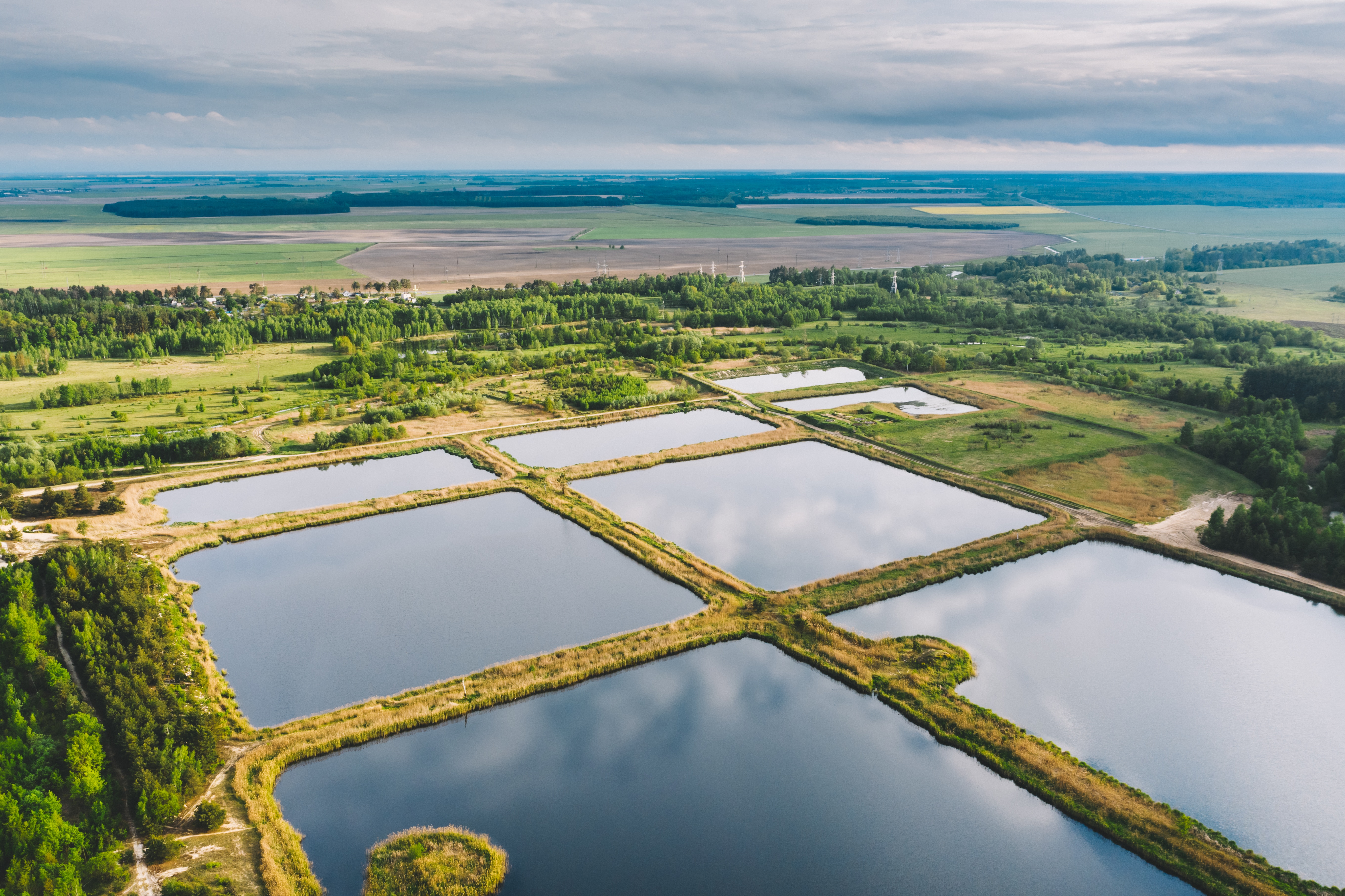
WOTUS Delineation for Proposed Stormwater Detention Improvements
ESE conducted a comprehensive Water Resources Evaluation for an approximately 102-acre tract to support planned stormwater detention improvements and assess potential impacts to Waters of the United States under Section 404 of the Clean Water Act.

Comprehensive Water Resources Evaluation for Linear Transportation Corridor
ESE conducted a comprehensive Wetland and Waters of the United States evaluation along an approximately 16-mile coastal transportation corridor in South Texas to support ongoing infrastructure planning and regulatory coordination.
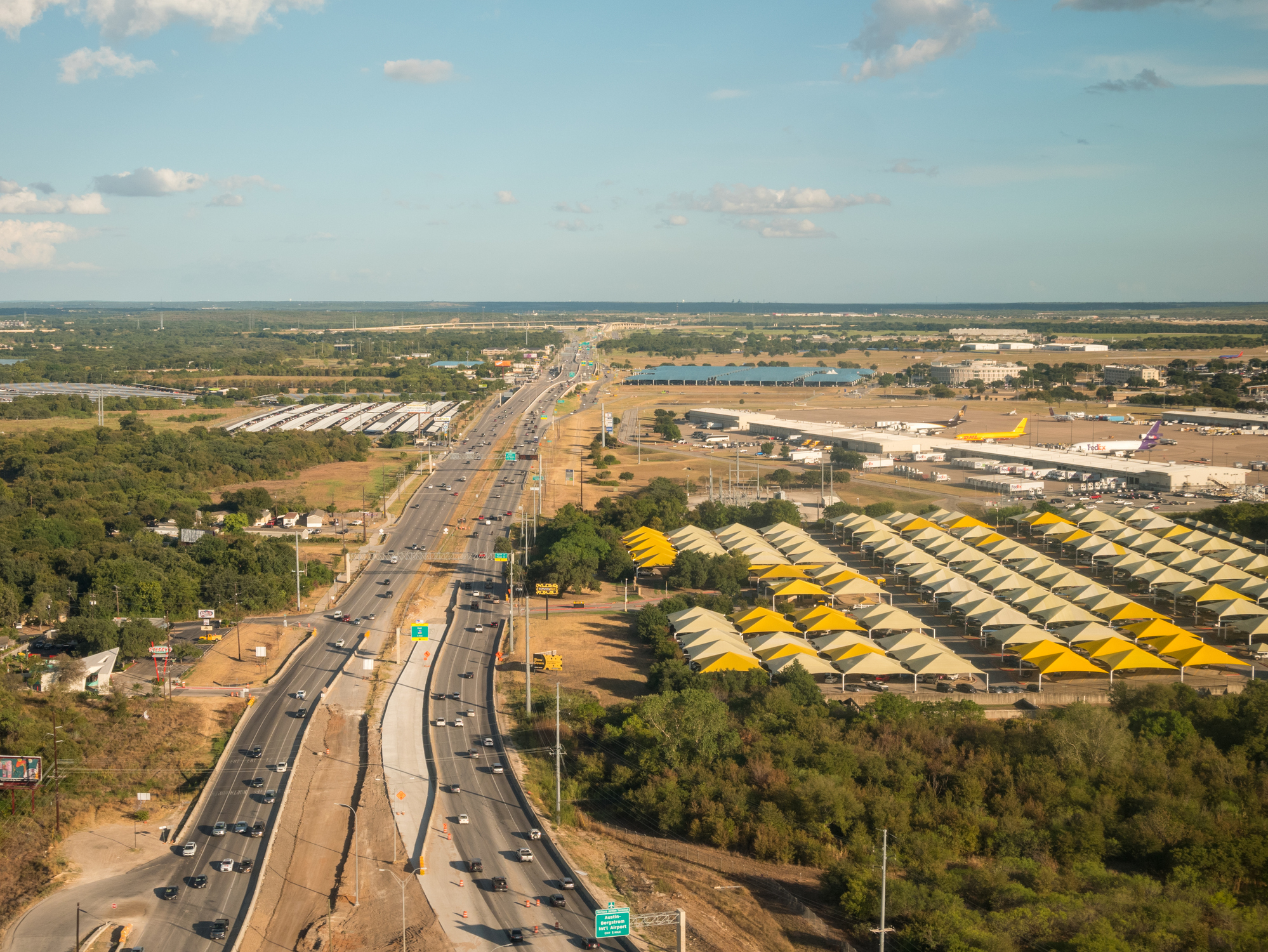
City of Austin ERI
ESE prepared a City of Austin Environmental Resources Inventory (ERI) to fulfill City of Austin requirements and support the project’s planning and development for regional airport parking.
Frequently Asked Questions About Functional Assessments for Streams and Wetlands
What is a functional assessment for streams and wetlands?
A functional assessment is a structured, documented evaluation of a stream’s or wetland’s ability to perform key ecological and physical functions — such as floodwater storage, nutrient processing, sediment transport, habitat support, and bank stability — using field indicators, landscape context, and (as needed) hydrologic/geomorphic data. In other words, functional assessments quantify what a stream or wetland does, not just where it is. Common frameworks and tools include the Hydrogeomorphic (HGM) Approach for wetlands (assessing functions using models calibrated to regional wetland types and reference sites), EPA’s Function-Based Framework for Stream Assessment and Restoration Projects (used to align functional lift/impairment with Clean Water Act Section 404 decision-making), and EPA Streamflow Duration Assessment Methods (SDAM) resources to support streamflow duration characterization where appropriate.
When is a functional assessment required or valuable?
Functional assessments are commonly required — or strategically valuable — when Clean Water Act Section 404 permitting is anticipated for impacts to streams or wetlands, when compensatory mitigation is being proposed and you need baseline condition, functional loss, and functional lift, when alternative analysis/design optimization is needed to reduce impacts and avoid late-stage redesign, when mitigation bank credit selection must be supported (resource type, service area, functional equivalency), when restoration design is part of the project (stability, floodplain reconnection, habitat objectives), or when high-visibility transactions (acquisitions, energy/infrastructure corridors) need clear documentation for counsel, lenders, and project managers. A defensible functional assessment is often the difference between a smooth agency review and a redesign late in the deal.
What are the risks of skipping a functional assessment or using an ill-fitting method?
Skipping a functional assessment (or using an ill-fitting method) can lead to mitigation surprises (underestimated functional loss can increase mitigation requirements late in design), permitting delays (additional information requests when functional impacts aren’t clearly supported), design rework (avoidance/minimization decisions made without understanding which functions are most sensitive), and cost uncertainty (buyers, lenders, and counsel lack a defensible basis for risk allocation).
What does ESE Partners' functional assessment process look like?
ESE Partners delivers functional assessments that are permit-ready, technically defensible, and deal-aware — providing practical recommendations focused on what materially changes risk, mitigation needs, and design decisions without overcalling impacts, and using integrated field teams that combine wetland scientists with fluvial geomorphology support when stream processes are important to the outcome. The process includes: scoping and tool selection (confirming regulatory context and selecting an assessment approach appropriate to the resource and project goals, e.g., HGM for wetlands or the function-based stream framework); desktop screening (reviewing watershed context, soils, hydrography, LiDAR/topography, floodplain data, aerials, and prior studies); field assessment (documenting wetland/stream condition indicators, hydrology evidence, vegetation/soils for wetlands, geomorphic stability indicators for streams, buffers, and stressors); functional scoring/narrative (summarizing functions, constraints, and drivers, and developing functional ratings/scores per the selected method); impact and mitigation support if needed (translating functional results into permitting and mitigation implications — avoid/minimize, restoration targets, mitigation strategy); and deliverables (figures, photo logs, GIS exhibits, and a concise technical memorandum designed for agency and stakeholder use). ESE aligns assessments with established frameworks including EPA’s function-based stream framework, the Hydrogeomorphic (HGM) Approach for wetlands, and EPA SDAM materials where relevant.