What Are Indoor Air Quality Services?
Indoor Air Quality Services evaluate the environmental conditions inside commercial, industrial, institutional, and multifamily buildings. These assessments may include investigation of ventilation concerns, moisture intrusion, mold-related conditions, odors, volatile organic compounds, particulate matter, carbon monoxide, radon, asbestos-related concerns, and other potential airborne contaminants.
For commercial real estate, indoor air quality assessments are often used to support tenant relations, pre-acquisition due diligence, property condition evaluations, renovation planning, and post-water-event investigations.
Request Your Indoor Air Quality Services Today
Texas’ most trusted environmental experts – comprehensive by design.
When Are Indoor Air Quality Services Required?
Indoor air quality services may be needed when:
- Tenants or occupants report odors, irritation, headaches, respiratory concerns, or comfort complaints
- A property has experienced water intrusion, roof leaks, plumbing failures, or elevated humidity
- A buyer, lender, or investor requests additional environmental due diligence
- A building is being renovated, repurposed, or prepared for occupancy
- HVAC performance, ventilation, or filtration concerns are suspected
- Mold growth or moisture damage is observed
- Industrial, laboratory, medical, or manufacturing operations may affect indoor air
- A transaction involves sensitive uses, such as schools, healthcare, multifamily, hospitality, or office environments
- Asbestos, radon, or chemical vapor concerns need to be evaluated
- Property owners need defensible documentation before or after remediation, repair, or tenant improvements
ESE Partners’ Approach
ESE’s approach to indoor air quality consulting is practical, technical, and deal-conscious. We understand that IAQ concerns can quickly become operational, financial, legal, or reputational issues, especially during acquisitions, lease negotiations, financing, or redevelopment. Our team focuses on fast response and clear communication so owners, brokers, lenders, attorneys, and operations teams understand the next steps. We use targeted investigation rather than unnecessary testing for every possible contaminant, combining building-science-based evaluations that consider moisture, HVAC systems, occupant patterns, materials, and site history. ESE also brings Texas regulatory awareness, including mold, asbestos, and environmental complaint pathways, along with practical recommendations that help clients solve the issue without overcalling risk. Our defensible reporting is suitable for transaction files, lenders, property managers, counsel, and operations teams. The goal is simple: identify the concern, document the facts, and provide a path forward that protects people, property value, and project timelines.
Our Process
- Initial Consultation: We review the complaint, property type, building history, transaction timeline, and known conditions.
- Document and Background Review: Relevant materials may include prior Phase I ESA reports, property condition assessments, maintenance records, HVAC documentation, water intrusion history, tenant complaints, or remediation records.
- Site Reconnaissance: ESE evaluates interior and exterior conditions, including moisture indicators, ventilation patterns, staining, odors, suspect materials, occupant use areas, and potential contaminant sources.
- Moisture and Building Diagnostics: Where appropriate, we use field screening tools such as moisture meters, thermal imaging, relative humidity readings, temperature measurements, and visual mapping.
- Targeted Sampling, If Needed: Sampling may include air, surface, bulk, or material testing depending on the concern. Common parameters may include mold, particulate matter, volatile organic compounds, carbon monoxide, radon, or asbestos-related materials.
- Data Interpretation: We compare findings to applicable standards, guidelines, site conditions, and professional judgment — not just isolated lab numbers.
- Clear Reporting and Recommendations: ESE provides concise findings, risk context, and recommended corrective actions, which may include further investigation, HVAC adjustments, moisture control, remediation planning, or clearance evaluation.
Regulatory Framework
Indoor air quality is not governed by one single universal regulation. The applicable framework depends on the contaminant, property type, building use, and activity being performed.
Key standards and regulatory considerations may include:
- ASHRAE Standard 62.1 – Ventilation and acceptable indoor air quality for many nonresidential buildings
- ASHRAE Standard 62.2 – Ventilation and acceptable indoor air quality in residential buildings
- EPA Indoor Air Quality Guidance – Federal guidance related to common indoor pollutants, including mold, radon, carbon monoxide, particulate matter, volatile organic compounds, combustion sources, and building materials
- EPA Radon Guidance – EPA recommends action to reduce radon where levels are 4 pCi/L or higher and recommends considering mitigation between 2 and 4 pCi/L
- OSHA Workplace Considerations – Workplace indoor air quality concerns may involve ventilation, water damage, mold, temperature, humidity, and chemical exposures
- Texas Mold Regulations – Texas mold assessment and remediation activities are regulated under Texas Occupations Code Chapter 1958 and 16 Texas Administrative Code Chapter 78
- Texas Asbestos Requirements – Asbestos-related activities in Texas public buildings require appropriate licensing or registration
- TCEQ Odor and Air Concerns – Odor or air-quality complaints may involve TCEQ investigation procedures depending on the source and jurisdiction
Risks of Not Completing Indoor Air Quality Services
Skipping or delaying an IAQ assessment can create avoidable risk, especially during transactions or active occupancy.
Potential consequences include:
- Deal delays caused by unresolved tenant, lender, buyer, or attorney concerns
- Unplanned remediation costs if moisture, mold, asbestos, or chemical issues are discovered late
- Occupant complaints escalating into legal or regulatory issues
- Reduced property value or negotiating leverage
- Lender hesitation when environmental concerns are not properly documented
- Operational disruptions from building closures, delayed renovations, or tenant turnover
- Incomplete remediation if the source of the IAQ issue is not correctly identified
- Regulatory exposure where licensed mold, asbestos, or other regulated work is required
Indoor air quality problems are often solvable — but they need to be evaluated correctly and early.
More Environmental Due Diligence Services

Phase I Environmental Site Assessment (ESAs)
ESE provides lender approved ASTM-E1527 and similar Phase I Environmental Site Assessments and related transaction screens which are often required when a property is externally financed. The purpose of a Phase I ESA is to identify Recognized Environmental Conditions (RECs) associated with a parcel of commercial real estate with respect to the range of contamination within the scope of CERCLA and petroleum products.

Phase II Environmental Site Assessment (ESAs)
A Phase II Environmental Site Assessment is often warranted when a Phase I ESA identifies a Recognized Environmental Condition, requiring further investigation. The purpose of a Phase II ESA is to confirm or deny the presence of chemicals of concern in the environment. The Phase II ESA involves the sampling and laboratory analysis of multiple medias, often including soil, soil gas, and groundwater. The analytical testing results are compared to regulatory limits and criteria established by the applicable government agency. Further remedial action may be warranted based on the results of the Phase II ESA.
Industries We Serve
ESE operates in a wide range of industries, all with unique needs and regulatory obligations. We offer experts who understand the broad complexity of environmental challenges faced by today’s businesses.

Real Estate Brokers & Developers
ESE helps brokers and developers reduce deal friction and avoid surprises through fast, defensible environmental due diligence. We support property evaluations, redevelopment risk screening, and transaction-ready reporting for Texas assets.

Private Equity/Capital Investors
Transaction support for acquisitions and portfolio oversight, including Phase I/II ESAs and risk-based evaluation. We provide clear findings, practical recommendations, and scalable diligence support.

Financial Institutions
ESE supports lender-driven environmental due diligence and portfolio risk management, including Phase I/II ESAs and risk screening. We deliver consistent, defensible reporting aligned with credit and closing timelines.

Attorneys
Technical support for environmental risk, liability evaluation, and regulatory strategy. We provide clear documentation and expert collaboration to support transactions, compliance matters, and remediation planning.
Why ESE Partners
ESE Partners is trusted by commercial real estate, energy, infrastructure, industrial, and development clients across Texas because we combine technical depth with transaction awareness. Clients choose ESE for Texas-focused environmental expertise, responsive teams that understand deal velocity, and experience supporting brokers, lenders, attorneys, developers, and property owners. Our integrated environmental service lines include due diligence, remediation, compliance, natural and cultural resources, and building sciences, allowing IAQ concerns to be evaluated within the broader context of property risk and project needs. ESE provides practical, defensible recommendations and statewide coverage across Houston, Dallas-Fort Worth, Austin, San Antonio, and surrounding markets. From a single tenant complaint to a portfolio-wide indoor air quality evaluation, ESE delivers the technical clarity clients need to make confident decisions.
Keep Your Building — and Your Deal — Moving
Need an Indoor Air Quality Assessment in Texas? Talk to ESE Partners today.
Request a proposal within 24 hours and get clear answers from Texas’ most trusted environmental experts.
Our Environmental Due Diligence Projects
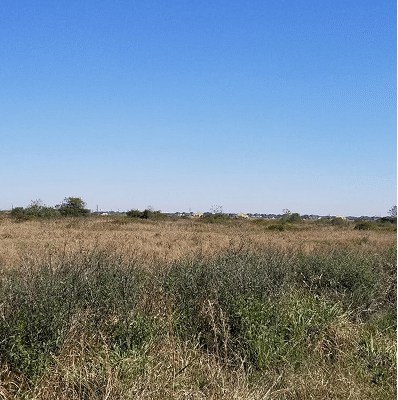
Phase I and II for residential Home Developer in Flushear, Texas
ESE performed a Phase I ESA on approximately 143-acre property in a future master-planned community in the greater Houston area.

Pre-Acquisition Due Diligence in Downtown San Antonio
ESE performed pre-acquisition due diligence for two contiguous city blocks in downtown San Antonio, Texas with development history dating back to the late 1800’s.
Phase I and II for residential Home Developer in Flushear, Texas
ESE performed a Phase I ESA on approximately 143-acre property in a future master-planned community in the greater Houston area.
Frequently Asked Questions About Indoor Air Quality Services
What are Indoor Air Quality Services, and what do they evaluate?
Indoor Air Quality Services evaluate the environmental conditions inside commercial, industrial, institutional, and multifamily buildings. These assessments may include investigation of ventilation concerns, moisture intrusion, mold-related conditions, odors, volatile organic compounds, particulate matter, carbon monoxide, radon, asbestos-related concerns, and other potential airborne contaminants. For commercial real estate, indoor air quality assessments are often used to support tenant relations, pre-acquisition due diligence, property condition evaluations, renovation planning, and post-water-event investigations.
When are Indoor Air Quality Services needed?
Indoor air quality services may be needed when tenants or occupants report odors, irritation, headaches, respiratory concerns, or comfort complaints, when a property has experienced water intrusion, roof leaks, plumbing failures, or elevated humidity, when a buyer, lender, or investor requests additional environmental due diligence, when a building is being renovated, repurposed, or prepared for occupancy, when HVAC performance, ventilation, or filtration concerns are suspected, when mold growth or moisture damage is observed, when industrial, laboratory, medical, or manufacturing operations may affect indoor air, when a transaction involves sensitive uses (such as schools, healthcare, multifamily, hospitality, or office environments), when asbestos, radon, or chemical vapor concerns need to be evaluated, or when property owners need defensible documentation before or after remediation, repair, or tenant improvements.
What are the risks of skipping or delaying an IAQ assessment?
Skipping or delaying an IAQ assessment can create avoidable risk, especially during transactions or active occupancy. Potential consequences include deal delays caused by unresolved tenant, lender, buyer, or attorney concerns, unplanned remediation costs if moisture, mold, asbestos, or chemical issues are discovered late, occupant complaints escalating into legal or regulatory issues, reduced property value or negotiating leverage, lender hesitation when environmental concerns are not properly documented, operational disruptions from building closures, delayed renovations, or tenant turnover, incomplete remediation if the source of the IAQ issue is not correctly identified, and regulatory exposure where licensed mold, asbestos, or other regulated work is required. Indoor air quality problems are often solvable — but they need to be evaluated correctly and early.
What does ESE Partners' Indoor Air Quality process look like, and what standards apply?
ESE’s approach to indoor air quality consulting is practical, technical, and deal-conscious — using targeted investigation rather than unnecessary testing for every possible contaminant, combining building-science-based evaluations that consider moisture, HVAC systems, occupant patterns, materials, and site history, with defensible reporting suitable for transaction files, lenders, property managers, counsel, and operations teams. The process includes: initial consultation (reviewing the complaint, property type, building history, transaction timeline, and known conditions); document and background review (prior Phase I ESA reports, property condition assessments, maintenance records, HVAC documentation, water intrusion history, tenant complaints, or remediation records); site reconnaissance (evaluating interior and exterior conditions, moisture indicators, ventilation patterns, staining, odors, suspect materials, occupant use areas, and potential contaminant sources); moisture and building diagnostics (field screening tools such as moisture meters, thermal imaging, relative humidity readings, temperature measurements, and visual mapping); targeted sampling if needed (air, surface, bulk, or material testing for parameters such as mold, particulate matter, VOCs, carbon monoxide, radon, or asbestos-related materials); data interpretation (comparing findings to applicable standards, guidelines, site conditions, and professional judgment); and clear reporting and recommendations. Because IAQ is not governed by one single universal regulation, applicable standards and considerations may include ASHRAE Standard 62.1 and 62.2 (ventilation), EPA Indoor Air Quality and Radon guidance, OSHA workplace considerations, Texas mold regulations (Texas Occupations Code Chapter 1958 and 16 TAC Chapter 78), Texas asbestos requirements, and TCEQ odor/air complaint procedures — depending on the contaminant, property type, building use, and activity being performed.