What Is a Stream & Wetland Mitigation Plan?
A stream and wetland mitigation plan is a permit-ready technical package that lays out:
- The aquatic impacts (what resource, how much, and what functions are affected)
- How impacts were avoided and minimized
- The compensatory mitigation proposed to offset unavoidable impacts (e.g., mitigation bank credits, in-lieu fee, or permittee-responsible restoration)
For many projects, mitigation planning is driven by the federal compensatory mitigation framework implemented through USACE and EPA regulations (commonly referred to as the 2008 Mitigation Rule).
Request Your Mitigation Plans for Streams and Wetlands Today
Texas’ most trusted environmental experts – comprehensive by design.
When Is It Required?
You typically need a mitigation plan when a project will:
- Fill or excavate jurisdictional wetlands or streams (triggering a USACE Section 404 authorization)
- Require an Individual Permit (IP) or a Nationwide Permit (NWP) with special conditions requiring mitigation
- Trigger 401 certification conditions (Texas: TCEQ) that require compensatory mitigation or additional protection measures
- Affect higher-value aquatic resources where the Corps determines compensation is necessary to offset losses (even if the footprint seems “small”)
Mitigation Options (What “Counts”)
Mitigation for stream and wetland impacts is usually satisfied through one of several pathways, often considered in a general preference order depending on watershed availability and project circumstances. These pathways may include purchasing mitigation bank credits for streams and/or wetlands, using in-lieu fee program credits, or developing permittee-responsible mitigation (PRM), which may involve on-site or off-site restoration, enhancement, establishment, and in some cases preservation. When PRM is proposed, the U.S. Army Corps of Engineers typically requires a much higher level of detail because the project sponsor must demonstrate that the mitigation will be properly constructed, legally protected, monitored, and successful over the long term.
What Regulators Expect to See in a “Complete” Mitigation Plan
A strong mitigation plan is structured so a reviewer can quickly answer five questions:
- What is being impacted?
- What mitigation method is proposed (bank/ILF/PRM)?
- Is the mitigation ecologically appropriate and in-kind/in-watershed where needed?
- How will success be measured (performance standards + monitoring)?
- Who is responsible and how is long-term protection assured?
Many agencies also publish checklists that mirror the federal rule’s “core components” (objectives, site selection, baseline, performance standards, monitoring, adaptive management, etc.).
ESE Partners’ Approach
At ESE Partners, we treat mitigation planning as a critical path deliverable, not a “nice-to-have” narrative. Our approach starts with permit strategy, aligning early with U.S. Army Corps of Engineers and TCEQ expectations so mitigation does not become a late-stage redesign issue. We provide practical, defensible impact accounting that right-sizes the mitigation need without overcalling or underestimating impacts. With Texas-focused execution, ESE plans around local hydrology, soils, and vegetation conditions so performance standards are realistic and achievable. We also build submittals with deal-focused timelines in mind, helping reduce “stop-the-clock” review rounds and keep schedules intact for projects in Houston, Dallas–Fort Worth, Austin, San Antonio, and across Texas.
Our Process (Stream & Wetland Mitigation Plans)
1. Confirm jurisdiction & permitting path
404/NWP/IP; anticipated 401 needs
2. Quantify impacts
wetland acres; stream linear feet; type/quality where required
3. Avoidance/minimization narrative + exhibits
alternatives, construction sequencing, BMPs
4. Select mitigation approach
- Bank/ILF: identify service area, credit type, and availability
- PRM: screen candidate sites (on-/off-site)
5. Draft mitigation plan package
- Figures, calculations, conceptual grading/planting (as needed)
- Performance standards, monitoring plan, adaptive management triggers
6. Agency coordination support
USACE/TCEQ comments, revisions, finalization
Regulatory Framework (What Drives the Requirements)
Mitigation planning for stream and wetland impacts is commonly shaped by Clean Water Act Section 404, which gives the U.S. Army Corps of Engineers authority over permits for the discharge of dredged or fill material into jurisdictional waters, and Clean Water Act Section 401, which addresses state water quality certification and is administered in Texas by TCEQ. Federal compensatory mitigation requirements, commonly referenced as the CWA Mitigation Rule, also define what a mitigation plan must address, including monitoring, adaptive management, and long-term site protection concepts. For projects using Nationwide Permits, USACE periodically reissues or updates NWP terms and regional conditions, which can affect mitigation expectations, documentation needs, and project schedules.
Risks of Not Completing (or Under-Scoping) Mitigation Planning
- Permit delays: “Incomplete” mitigation packages trigger additional information requests and schedule slips.
- Budget shocks: Late discovery of credit needs or PRM feasibility issues can materially change project costs.
- Construction risk: If mitigation requirements aren’t aligned with design, you risk field changes, work stoppages, or noncompliance.
- Transaction friction: Lenders, investors, and attorneys may pause closing when permitting risk is unclear.
More Natural Resources Services

Protected Species and Wildlife
ESE Partners provides a wide range of protected species and other wildlife-related services to our clients. ESE’s seasoned Biologists are permitted to conduct presence/absence surveys for federally endangered species and habitat assessments. We have conducted acoustic monitoring and analysis in multiple states for a wide variety of bat and herpetological species. We provide natural resource assessments and federal and state regulatory consultation services as required by our clients’ projects.

Regulatory and Planning Documentation
ESE is experienced with a variety of reporting and field investigations required under the National Environmental Policy Act (NEPA) including Environmental Assessments and Categorical Exclusions and other similar studies requested by our clients. ESE conducts Critical Issues Analyses and Site Characterization Studies for a variety of clients, but primarily for proposed renewable energy development. ESE is experienced with studies required by municipalities, including but not limited to, Environmental Resource Inventories required by the City of Austin.
Industries We Serve
ESE operates in a wide range of industries, all with unique needs and regulatory obligations. We offer experts who understand the broad complexity of environmental challenges faced by today’s businesses.

Real Estate Brokers & Developers
ESE helps brokers and developers reduce deal friction and avoid surprises through fast, defensible environmental due diligence. We support property evaluations, redevelopment risk screening, and transaction-ready reporting for Texas assets.

Private Equity/Capital Investors
Transaction support for acquisitions and portfolio oversight, including Phase I/II ESAs and risk-based evaluation. We provide clear findings, practical recommendations, and scalable diligence support.

Financial Institutions
ESE supports lender-driven environmental due diligence and portfolio risk management, including Phase I/II ESAs and risk screening. We deliver consistent, defensible reporting aligned with credit and closing timelines.

Attorneys
Technical support for environmental risk, liability evaluation, and regulatory strategy. We provide clear documentation and expert collaboration to support transactions, compliance matters, and remediation planning.
Why ESE Partners
As Texas’ Most Trusted Environmental Experts — Comprehensive by Design, ESE Partners brings one coordinated team across due diligence, permitting, and compliance to connect aquatic resource permitting with real estate schedules and construction realities. Our statewide capacity allows us to support everything from single-site developments to linear infrastructure projects across multiple counties. We provide clear communication through decision-grade summaries for deal teams and technically rigorous documentation for regulators. Most importantly, ESE develops mitigation plans that are buildable, meaning they are written not only to be permitted, but also to be implemented successfully in the field.
Need a mitigation plan that keeps your project financeable and buildable?
Contact ESE Partners to confirm the permitting path, mitigation strategy, and schedule—and get a proposal within 24 hours.
Our Natural Resource Projects
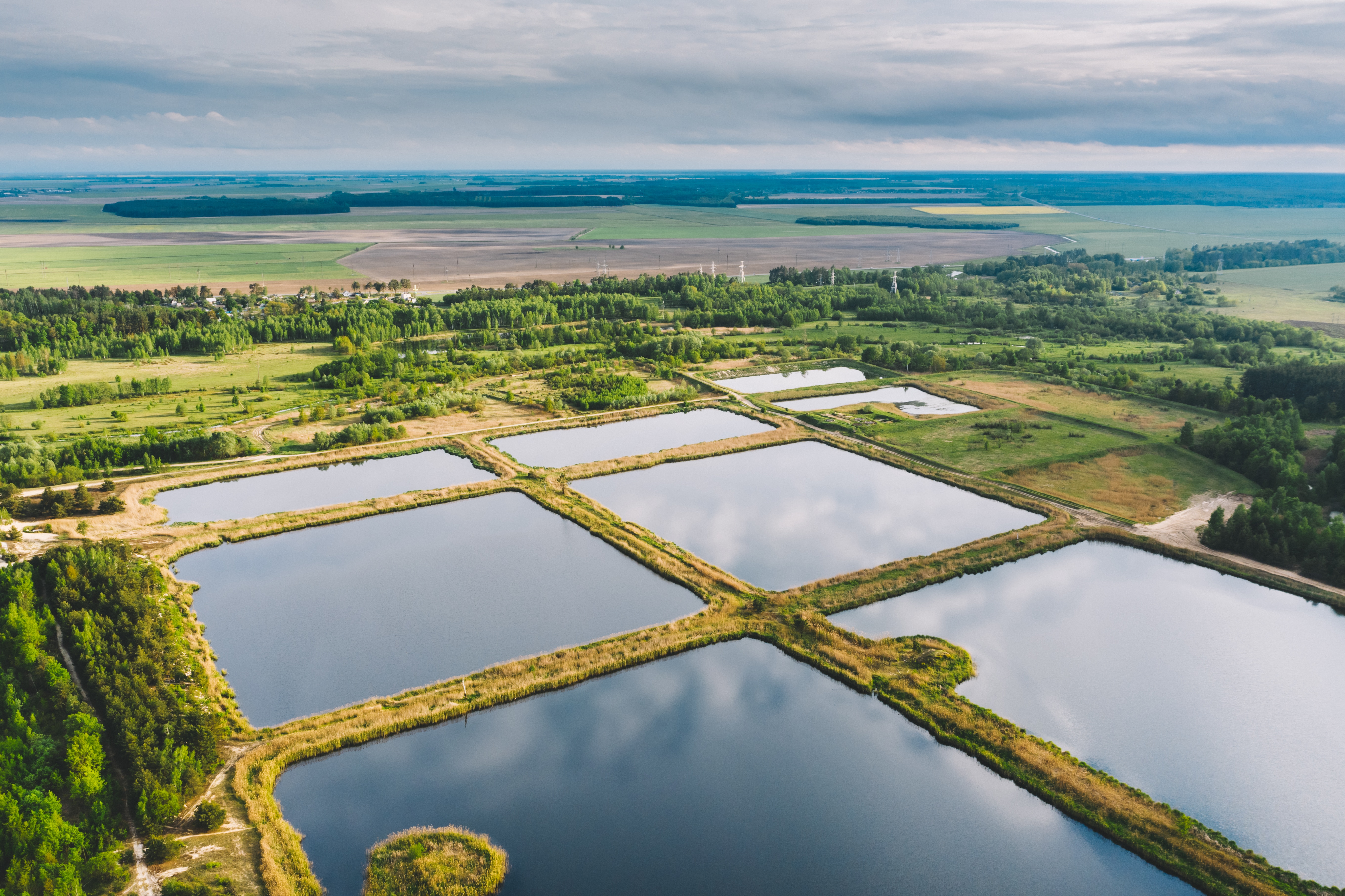
WOTUS Delineation for Proposed Stormwater Detention Improvements
ESE conducted a comprehensive Water Resources Evaluation for an approximately 102-acre tract to support planned stormwater detention improvements and assess potential impacts to Waters of the United States under Section 404 of the Clean Water Act.
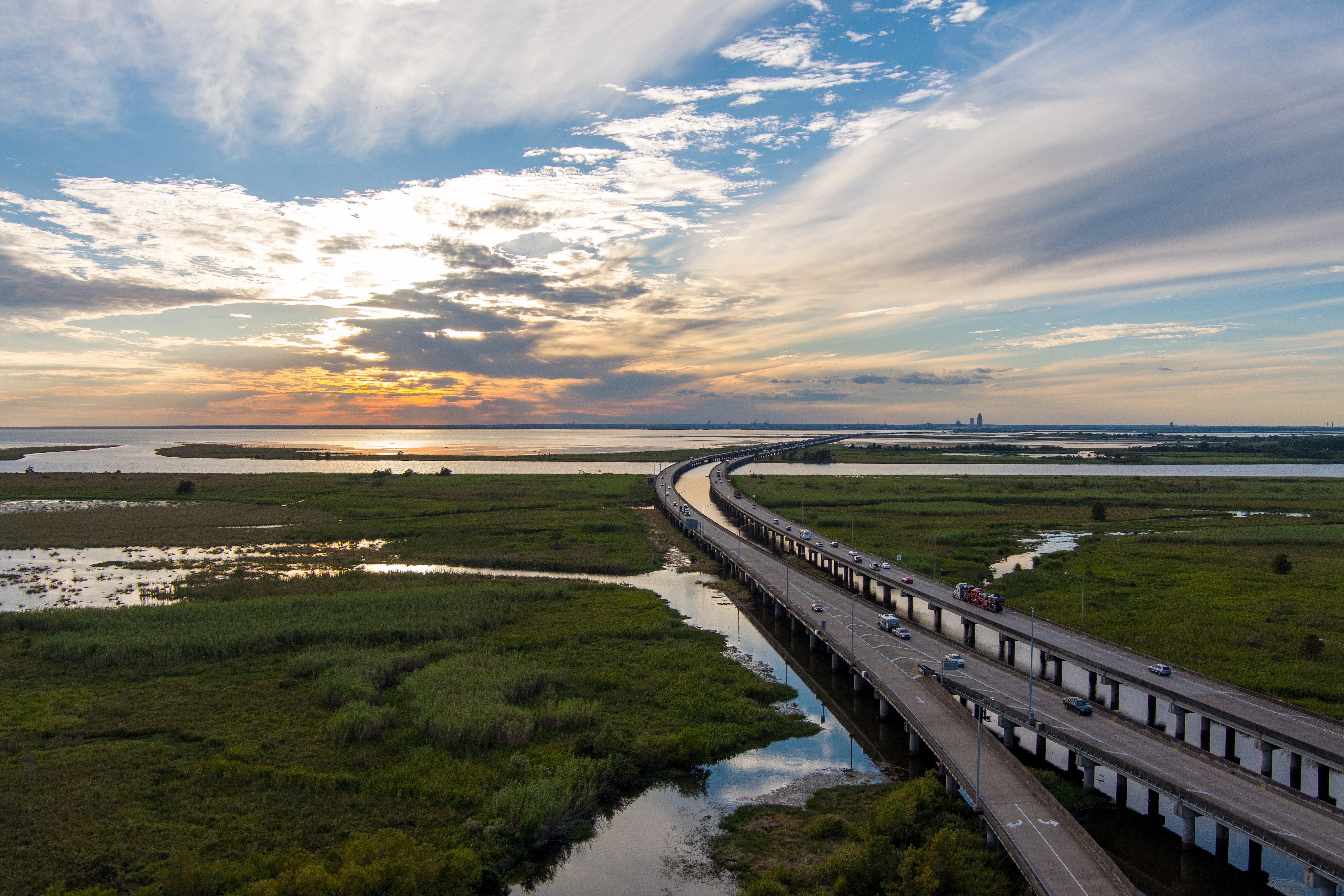
Comprehensive Water Resources Evaluation for Linear Transportation Corridor
ESE conducted a comprehensive Wetland and Waters of the United States evaluation along an approximately 16-mile coastal transportation corridor in South Texas to support ongoing infrastructure planning and regulatory coordination.
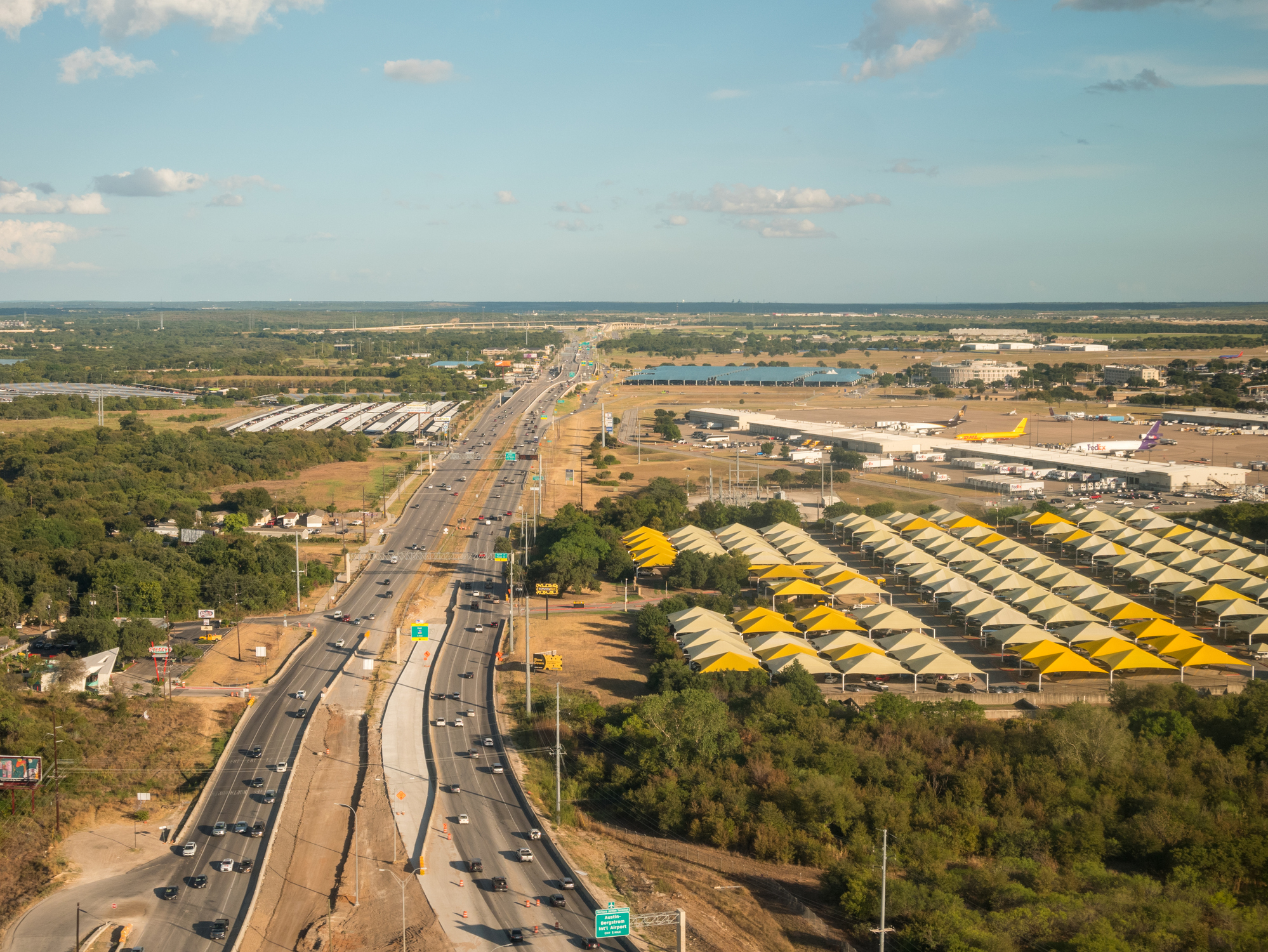
City of Austin ERI
ESE prepared a City of Austin Environmental Resources Inventory (ERI) to fulfill City of Austin requirements and support the project’s planning and development for regional airport parking.
Frequently Asked Questions About Mitigation Plans for Streams and Wetlands
What is a stream and wetland mitigation plan?
A stream and wetland mitigation plan is a permit-ready technical package that lays out the aquatic impacts (what resource, how much, and what functions are affected), how impacts were avoided and minimized, and the compensatory mitigation proposed to offset unavoidable impacts (e.g., mitigation bank credits, in-lieu fee, or permittee-responsible restoration). These plans demonstrate how a project will avoid, minimize, and then compensate for unavoidable impacts to waters of the U.S. (including jurisdictional wetlands and streams) so the permit can be issued and the deal can move forward. In Texas, they are most commonly tied to Clean Water Act (CWA) Section 404 permits administered by the U.S. Army Corps of Engineers (USACE), often alongside CWA Section 401 water quality certification administered by TCEQ. For many projects, mitigation planning is driven by the federal compensatory mitigation framework (commonly referred to as the 2008 Mitigation Rule).
When is a mitigation plan required, and what mitigation options count?
You typically need a mitigation plan when a project will fill or excavate jurisdictional wetlands or streams (triggering a USACE Section 404 authorization), require an Individual Permit (IP) or a Nationwide Permit (NWP) with special conditions requiring mitigation, trigger 401 certification conditions (Texas: TCEQ) that require compensatory mitigation or additional protection measures, or affect higher-value aquatic resources where the Corps determines compensation is necessary to offset losses (even if the footprint seems “small”). Mitigation is usually satisfied through one of several pathways — often considered in a general preference order depending on watershed availability and project circumstances — including purchasing mitigation bank credits, using in-lieu fee program credits, or developing permittee-responsible mitigation (PRM), which may involve on-site or off-site restoration, enhancement, establishment, and in some cases preservation. When PRM is proposed, USACE typically requires a much higher level of detail because the project sponsor must demonstrate that the mitigation will be properly constructed, legally protected, monitored, and successful over the long term.
What are the risks of not completing or under-scoping mitigation planning?
Not completing (or under-scoping) mitigation planning can create permit delays (“incomplete” mitigation packages trigger additional information requests and schedule slips), budget shocks (late discovery of credit needs or PRM feasibility issues can materially change project costs), construction risk (if mitigation requirements aren’t aligned with design, you risk field changes, work stoppages, or noncompliance), and transaction friction (lenders, investors, and attorneys may pause closing when permitting risk is unclear).
What does ESE Partners' stream and wetland mitigation planning process look like?
ESE Partners treats mitigation planning as a critical path deliverable, not a “nice-to-have” narrative — starting with permit strategy (aligning early with USACE and TCEQ expectations so mitigation doesn’t become a late-stage redesign issue), providing practical, defensible impact accounting that right-sizes the mitigation need, planning around local Texas hydrology, soils, and vegetation conditions so performance standards are realistic, and developing plans that are “buildable” (written not only to be permitted, but also to be implemented successfully in the field). The process includes: confirming jurisdiction and permitting path (404/NWP/IP; anticipated 401 needs); quantifying impacts (wetland acres; stream linear feet; type/quality where required); developing an avoidance/minimization narrative and exhibits (alternatives, construction sequencing, BMPs); selecting the mitigation approach (bank/ILF — identifying service area, credit type, and availability; or PRM — screening candidate on-/off-site locations); drafting the mitigation plan package (figures, calculations, conceptual grading/planting, performance standards, monitoring plan, and adaptive management triggers); and agency coordination support (USACE/TCEQ comments, revisions, and finalization). A strong plan is structured so a reviewer can quickly answer five questions: what is being impacted, what mitigation method is proposed, whether the mitigation is ecologically appropriate and in-kind/in-watershed, how success will be measured, and who is responsible for long-term protection.