What Is a NAPL Assessment?
NAPL (Non-Aqueous Phase Liquid) is an immiscible liquid contaminant that can occur as:
- LNAPL (Light NAPL): typically petroleum hydrocarbons (gasoline, diesel, jet fuel) that are lighter than water and tend to accumulate at/near the water table.
- DNAPL (Dense NAPL): typically chlorinated solvents (e.g., PCE/TCE) that are denser than water and can migrate downward below the water table, potentially pooling on low-permeability layers and acting as a long-term source.
A NAPL assessment determines whether free product is present, its distribution, whether it is mobile, and how it impacts (or could impact) dissolved groundwater plumes and vapor intrusion risk.
Request Your NAPL Assessment Today
Texas’ most trusted environmental experts – comprehensive by design.
When Is It Required?
NAPL-specific assessment is commonly triggered when you have one or more of the following:
- Sheen, odors, or measurable product thickness in a monitoring well (or historical documentation of free product)
- Petroleum release sites (UST/AST) where groundwater impacts persist or rebound after recovery
- Chlorinated solvent sites where concentrations suggest a continuing source (DNAPL concern)
- Vapor intrusion pathway evaluations where LNAPL/DNAPL residuals may be driving soil gas risk
- Transactions and financing: buyer/lender wants to quantify source strength and confirm the remedy and timeline are realistic (environmental due diligence)
- Remedy selection or redesign: prior remedy underperformed and the likely reason is unresolved NAPL mass
ESE Partners’ Approach
Texas’ Most Trusted Environmental Experts – Comprehensive by Design
Comprehensive by Design means ESE Partners does not overcall NAPL risk, but we also do not leave clients exposed to surprise source zone findings late in a deal or during corrective action. Clients can expect deal-focused scoping that aligns the investigation with the decision being made, whether it involves acquisition, redevelopment, lender closure, or a corrective action milestone. Our team provides rapid field execution across Houston, Dallas–Fort Worth, Austin, San Antonio, and statewide markets, supported by defensible conceptual site models that integrate geology, hydraulics, chemistry, and exposure pathways, including vapor intrusion where relevant. ESE’s recommendations are practical and focused on mobility, recoverability, and risk, not simply whether product is present.
Our Process (Typical NAPL Assessment Workflow)
- Data review & CSM build: Prior reports, well logs, gauging history, analytical trends, facility operations/release history.
- Field screening & confirmation: Product gauging, interface probe where applicable, targeted soil/groundwater sampling.
- Source zone delineation: Vertical/horizontal extent, key stratigraphy, preferential pathways, potential pooling horizons (especially for DNAPL).
- Mobility and transmissivity evaluation (LNAPL): Determine whether LNAPL is recoverable/mobile versus residual (often the real decision point for regulators and remedy design).
- Plume linkage/mass flux evaluation: Evaluate whether NAPL is sustaining dissolved groundwater impacts and/or soil vapor.
- Remedy strategy & compliance pathway: Product recovery feasibility, containment, in situ options, NSZD applicability for petroleum sites, and a monitoring plan aligned with the regulatory program.
Regulatory Framework
NAPL work is typically completed under state cleanup programs and risk-based corrective action frameworks, and it is often coordinated with vapor intrusion guidance when volatile compounds are present. Common reference points used in NAPL assessment and remedy decision-making include state release characterization expectations for NAPL investigation and monitoring, EPA technical resources addressing DNAPL behavior and subsurface characterization concepts, and established industry guidance for petroleum LNAPL management, including natural source zone depletion concepts where appropriate. These frameworks help guide decisions about NAPL mobility, recoverability, exposure risk, monitoring needs, and practical remedy options.
Risks of Not Completing This Service
- Deal delays and retrades: late discovery of free product/source zone issues can force price changes or lender holdbacks
- Open-ended cleanup timelines: remedies underperform when NAPL mass and mobility aren’t understood
- Vapor intrusion exposure pathway surprises: residual LNAPL/DNAPL can drive soil vapor issues that weren’t anticipated
- Regulatory setbacks: incomplete source characterization can prevent closure, delay milestones, or expand corrective action scope
More Environmental Remediation Services

Remediation Design & Implementation
When active remediation is necessary, our site investigation and remediation consulting team selects the most technically sound approach for each unique site. We evaluate a full spectrum of remedial methods before committing to a strategy, because the right solution depends on contaminant type, site geology, regulatory program, and end-use goals.

Brownfields & Redevelopment Support
ESE Partners is committed to recycling the land and revitalizing cities and neighborhoods. Environmentally impacted properties carry hidden financial potential, and we help our clients unlock it through strategic environmental risk management and engineering.
Industries We Serve
ESE operates in a wide range of industries, all with unique needs and regulatory obligations. We offer experts who understand the broad complexity of environmental challenges faced by today’s businesses.

Real Estate Brokers & Developers
ESE helps brokers and developers reduce deal friction and avoid surprises through fast, defensible environmental due diligence. We support property evaluations, redevelopment risk screening, and transaction-ready reporting for Texas assets.

Private Equity/Capital Investors
Transaction support for acquisitions and portfolio oversight, including Phase I/II ESAs and risk-based evaluation. We provide clear findings, practical recommendations, and scalable diligence support.

Financial Institutions
ESE supports lender-driven environmental due diligence and portfolio risk management, including Phase I/II ESAs and risk screening. We deliver consistent, defensible reporting aligned with credit and closing timelines.

Attorneys
Technical support for environmental risk, liability evaluation, and regulatory strategy. We provide clear documentation and expert collaboration to support transactions, compliance matters, and remediation planning.
Why ESE Partners
As Texas’ Most Trusted Environmental Experts — Comprehensive by Design, ESE Partners provides one coordinated team for due diligence, investigation, remedy support, compliance, and building sciences, helping ensure NAPL findings do not become a handoff problem. Our responsive teams understand commercial real estate transaction schedules and lender expectations, so documentation stays tight, findings are clearly communicated, and decisions remain focused on what matters most for the deal, corrective action strategy, or closure pathway.
Need to confirm whether you have LNAPL/DNAPL, whether it’s mobile, and what it means for your transaction or cleanup strategy?
Talk to ESE Partners today for a NAPL assessment scope and schedule—get a proposal within 24 hours and keep your deal moving.
Our Environmental Remediation Projects

Environmental Health and Safety Plan for Utility and Roadway Improvements in PPCA Areas
ESE prepared a Site Environmental Health and Safety Plan designed specifically for utility construction activities conducted within Potentially Petroleum Contaminated Areas associated with LPST/PST conditions, providing a clear framework to protect workers, maintain safe operations, and support compliant field execution during active construction.
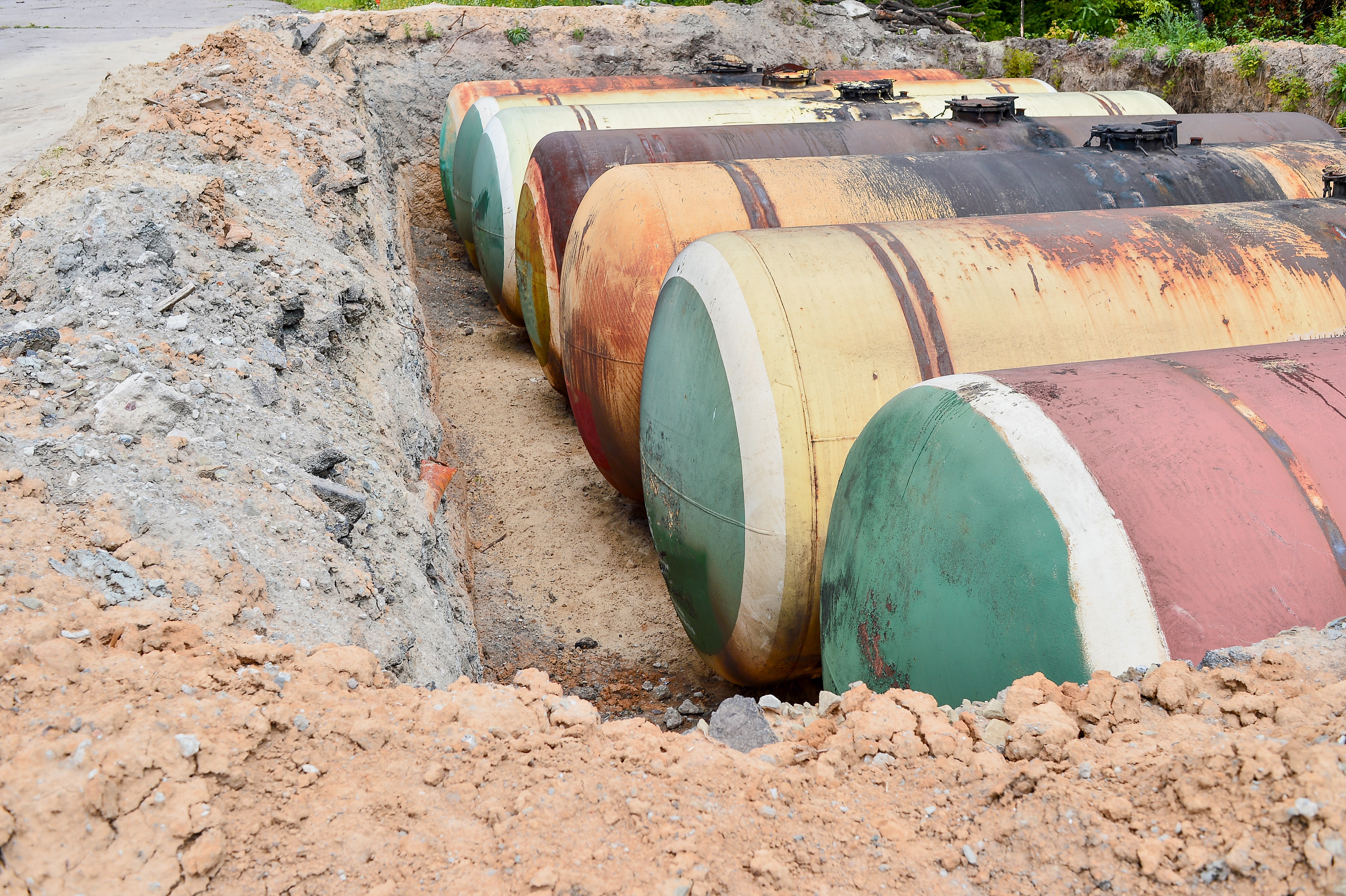
Tank Removal and Release Determination for Diesel UST
ESE completed a tank removal and release determination for a diesel underground storage tank at an active healthcare facility in Texas, delivering regulator-ready documentation to support compliant closure and reduce environmental liability.

EPA-Funded Brownfields QAPP and Sampling Plan for Municipal Redevelopment
ESE prepared a Quality Assurance Project Plan for an EPA-funded Brownfields effort supporting a municipal brownfields program, providing the quality framework and sampling plan needed to conduct limited subsurface investigations and produce defensible, regulator-ready data.
Frequently Asked Questions About NAPL Assessments
What is a NAPL assessment, and what's the difference between LNAPL and DNAPL?
NAPL (Non-Aqueous Phase Liquid) is an immiscible liquid contaminant that exists as a separate phase in the subsurface (not fully dissolved in groundwater). It can occur as LNAPL (Light NAPL) — typically petroleum hydrocarbons (gasoline, diesel, jet fuel) that are lighter than water and tend to accumulate at or near the water table — or DNAPL (Dense NAPL) — typically chlorinated solvents (e.g., PCE/TCE) that are denser than water and can migrate downward below the water table, potentially pooling on low-permeability layers and acting as a long-term source. A NAPL assessment determines whether free product is present, its distribution, whether it is mobile, and how it impacts (or could impact) dissolved groundwater plumes and vapor intrusion risk. These assessments are often the difference between a manageable cleanup strategy and an open-ended liability.
When is a NAPL assessment required?
NAPL-specific assessment is commonly triggered when you have sheen, odors, or measurable product thickness in a monitoring well (or historical documentation of free product), petroleum release sites (UST/AST) where groundwater impacts persist or rebound after recovery, chlorinated solvent sites where concentrations suggest a continuing source (DNAPL concern), vapor intrusion pathway evaluations where LNAPL/DNAPL residuals may be driving soil gas risk, transactions and financing where a buyer/lender wants to quantify source strength and confirm the remedy and timeline are realistic (environmental due diligence), or remedy selection/redesign where a prior remedy underperformed and the likely reason is unresolved NAPL mass.
What are the risks of not completing a NAPL assessment?
Not completing a NAPL assessment can create deal delays and retrades (late discovery of free product/source zone issues can force price changes or lender holdbacks), open-ended cleanup timelines (remedies underperform when NAPL mass and mobility aren’t understood), vapor intrusion exposure pathway surprises (residual LNAPL/DNAPL can drive soil vapor issues that weren’t anticipated), and regulatory setbacks (incomplete source characterization can prevent closure, delay milestones, or expand corrective action scope).
What does ESE Partners' NAPL assessment process look like?
ESE Partners’ Comprehensive by Design approach means they don’t overcall NAPL risk, but they also don’t leave clients exposed to surprise source zone findings late in a deal or during corrective action — providing deal-focused scoping aligned with the decision being made, rapid field execution, and defensible conceptual site models that integrate geology, hydraulics, chemistry, and exposure pathways (including vapor intrusion), with recommendations focused on mobility, recoverability, and risk rather than simply whether product is present. The typical workflow includes: data review and CSM build (prior reports, well logs, gauging history, analytical trends, facility operations/release history); field screening and confirmation (product gauging, interface probe where applicable, targeted soil/groundwater sampling); source zone delineation (vertical/horizontal extent, key stratigraphy, preferential pathways, potential pooling horizons — especially for DNAPL); mobility and transmissivity evaluation for LNAPL (determining whether LNAPL is recoverable/mobile versus residual — often the real decision point for regulators and remedy design); plume linkage/mass flux evaluation (whether NAPL is sustaining dissolved groundwater impacts and/or soil vapor); and remedy strategy and compliance pathway (product recovery feasibility, containment, in situ options, NSZD applicability for petroleum sites, and a monitoring plan aligned with the regulatory program). NAPL work is typically completed under state cleanup programs and risk-based corrective action frameworks, coordinated with vapor intrusion guidance when volatile compounds are present.