What Is Post-Closure Care?
Post-closure care is the ongoing inspection, monitoring, and maintenance performed after landfill closure to ensure waste containment systems keep working as designed. For municipal solid waste landfills (MSWLFs), EPA describes key post-closure systems as:
- Final cover system
- Leachate collection system
- Groundwater monitoring system
- Methane gas monitoring system
TCEQ guidance also describes post-closure care as a landfill area that has final cover constructed, is not accepting more waste, and is conducting periodic monitoring, but has not yet been approved for final closure by the executive director.
Request Post-Closure Care Today
Texas’ most trusted environmental experts – comprehensive by design.
When Is It Required?
Post-closure care is typically required in situations like:
- When a landfill unit or facility closes and final cover is installed
- Acquisition, divestiture, or refinancing of properties tied to closed/closing landfill assets (where lenders and counsel need proof of enforceable obligations and compliance)
- Ongoing MSW permit compliance under Texas’ program (TCEQ administers MSW permitting requirements under 30 TAC Chapter 330)
- Long-term groundwater protection, including continued monitoring after closure
ESE Partners’ Approach
ESE Partners supports owners, operators, municipalities, developers, and counsel with post-closure care programs that are defensible, permit-aligned, and transaction-ready. We take a compliance-first, practical approach, focusing on what your permit or plan requires without overcalling risk. Our monitoring data is decision-grade and organized for regulators, lenders, and internal stakeholders. Our work follows how the Texas Commission on Environmental Quality (TCEQ) applies municipal solid waste (MSW) rules under 30 Texas Administrative Code (TAC) Chapter 330. We also communicate quickly, which protects deal velocity and project schedules.
Our Process
- Document & permit review
closure documentation, post-closure care plan, MSW permit conditions, operating record needs - System inventory
final cover, stormwater controls, leachate components (if applicable), monitoring network, and gas controls. - Monitoring execution
groundwater and gas monitoring coordination, sampling events, and QA/QC (frequency per plan/permit). - Inspection & maintenance
cover integrity (erosion/settlement), access control, and system performance checks. - Reporting & closeout support
compile records and support end-of-period certifications (EPA framework notes certification is signed by an independent PE or the state director and placed in the operating record). - Exit strategy
support agency coordination and documentation to close post-closure obligations when eligible.
Regulatory Framework
Federal (EPA Subtitle D, Municipal Solid Waste Landfills)
Under the federal Subtitle D rules, the post-closure care period runs 30 years from site closure, and the director of an approved state program may shorten or extend it. Owners and operators must prepare a written post-closure care plan that describes the required monitoring and maintenance activities and their frequency, along with key contacts and the planned land use during the post-closure period. They must also maintain the final cover, leachate collection system, groundwater monitoring system, and methane gas monitoring system. Financial assurance is required as well, so owners and operators must demonstrate the ability to pay for closure and post-closure care.
Texas (TCEQ)
In Texas, the Texas Commission on Environmental Quality (TCEQ) bases its municipal solid waste permitting program on the requirements in 30 Texas Administrative Code (TAC) Chapter 330. TCEQ guidance indicates that groundwater monitoring continues for 30 years after closure, with Type I landfills as the context.
Risks of Not Completing Post-Closure Care
- Regulatory exposure if required monitoring/maintenance isn’t performed or documented.
- Undetected groundwater impacts leading to escalated corrective action obligations and cost.
- Deal friction and lender concerns when post-closure plans, financial assurance, or compliance records are incomplete.
- Redevelopment constraints: land use during post-closure must not disturb containment or monitoring systems.
More Environmental Remediation Services

Remediation Design & Implementation
When active remediation is necessary, our site investigation and remediation consulting team selects the most technically sound approach for each unique site. We evaluate a full spectrum of remedial methods before committing to a strategy, because the right solution depends on contaminant type, site geology, regulatory program, and end-use goals.

Brownfields & Redevelopment Support
ESE Partners is committed to recycling the land and revitalizing cities and neighborhoods. Environmentally impacted properties carry hidden financial potential, and we help our clients unlock it through strategic environmental risk management and engineering.
Industries We Serve
ESE operates in a wide range of industries, all with unique needs and regulatory obligations. We offer experts who understand the broad complexity of environmental challenges faced by today’s businesses.

Real Estate Brokers & Developers
ESE helps brokers and developers reduce deal friction and avoid surprises through fast, defensible environmental due diligence. We support property evaluations, redevelopment risk screening, and transaction-ready reporting for Texas assets.

Private Equity/Capital Investors
Transaction support for acquisitions and portfolio oversight, including Phase I/II ESAs and risk-based evaluation. We provide clear findings, practical recommendations, and scalable diligence support.

Financial Institutions
ESE supports lender-driven environmental due diligence and portfolio risk management, including Phase I/II ESAs and risk screening. We deliver consistent, defensible reporting aligned with credit and closing timelines.

Attorneys
Technical support for environmental risk, liability evaluation, and regulatory strategy. We provide clear documentation and expert collaboration to support transactions, compliance matters, and remediation planning.
Why ESE Partners
Texas’ Most Trusted Environmental Experts – Comprehensive by Design means you get a team that can manage post-closure care end-to-end. We deliver across the major Texas metros, including Houston, Dallas–Fort Worth, Austin, and San Antonio. Our integrated capabilities cover due diligence, compliance, monitoring, and remediation support, so you don’t need to coordinate several firms. We communicate responsively with owners, attorneys, and deal professionals. Our documentation packages are built to stand up to agency review and transaction scrutiny.
Need a post-closure care plan update, monitoring execution, or transaction support for a closed landfill in Texas?
Contact ESE Partners for a fast scope and schedule so you stay compliant and keep the project moving.
Our Environmental Remediation Projects

Environmental Health and Safety Plan for Utility and Roadway Improvements in PPCA Areas
ESE prepared a Site Environmental Health and Safety Plan designed specifically for utility construction activities conducted within Potentially Petroleum Contaminated Areas associated with LPST/PST conditions, providing a clear framework to protect workers, maintain safe operations, and support compliant field execution during active construction.
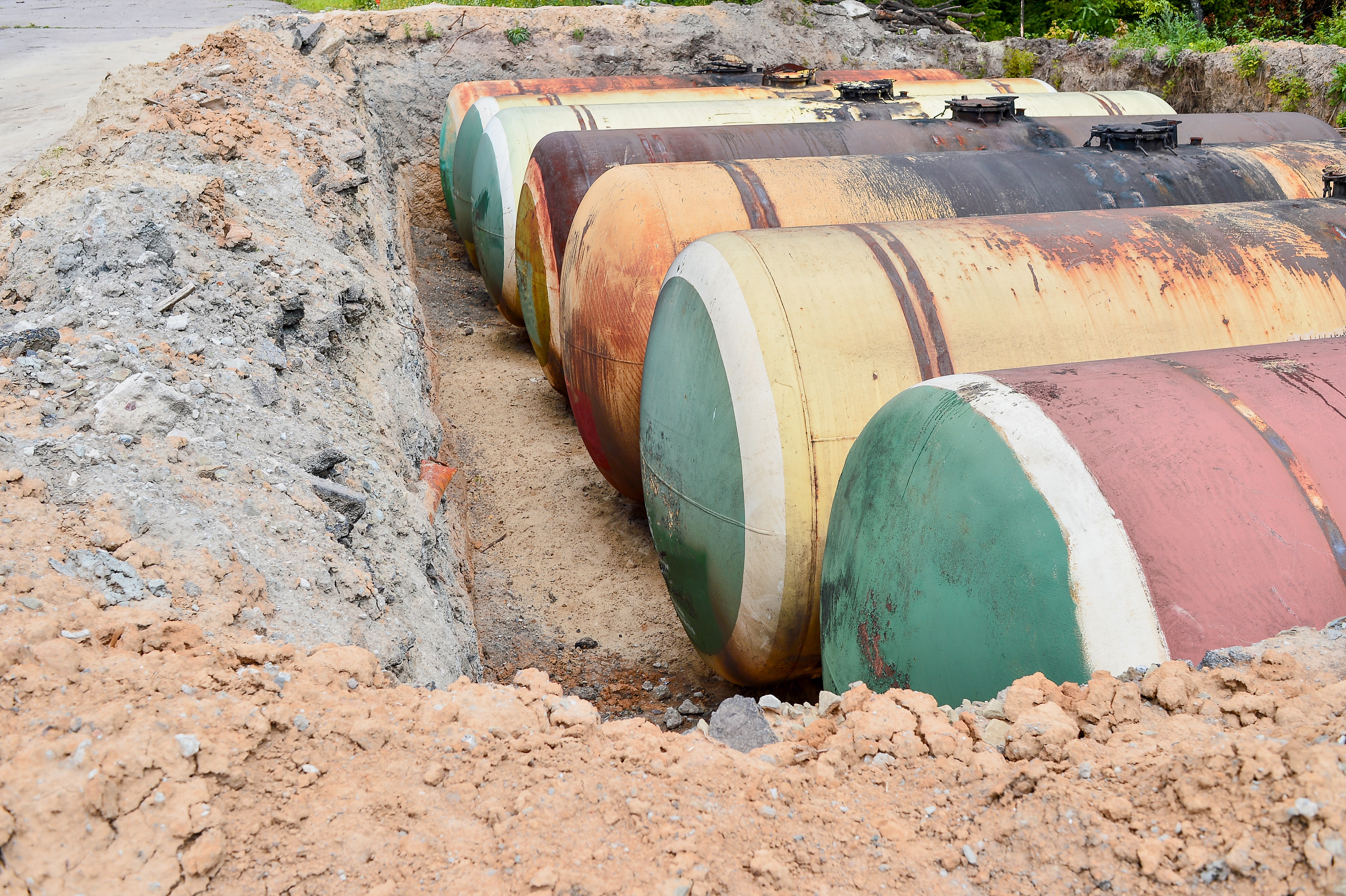
Tank Removal and Release Determination for Diesel UST
ESE completed a tank removal and release determination for a diesel underground storage tank at an active healthcare facility in Texas, delivering regulator-ready documentation to support compliant closure and reduce environmental liability.

EPA-Funded Brownfields QAPP and Sampling Plan for Municipal Redevelopment
ESE prepared a Quality Assurance Project Plan for an EPA-funded Brownfields effort supporting a municipal brownfields program, providing the quality framework and sampling plan needed to conduct limited subsurface investigations and produce defensible, regulator-ready data.
Frequently Asked Questions About Post-Closure Care
What is post-closure care for a landfill in Texas?
Post-closure care is the ongoing inspection, monitoring, and maintenance performed after a landfill stops accepting waste and closes, to make sure containment systems keep working as designed. For municipal solid waste landfills, that includes the final cover system, leachate collection system, groundwater monitoring system, and methane gas monitoring system. In Texas, requirements are typically driven by Texas Commission on Environmental Quality (TCEQ) rules under 30 Texas Administrative Code (TAC) Chapter 330 and the federal Subtitle D framework in 40 CFR Part 258.
How long does post-closure care last?
Under the federal Subtitle D rules, the post-closure care period runs 30 years from site closure. The director of an approved state program may shorten or extend it. TCEQ guidance also indicates that groundwater monitoring continues for 30 years after closure for Type I landfills. The exact requirements for your site depend on your permit and approved post-closure care plan.
When is post-closure care needed?
Post-closure care begins when a landfill unit or facility closes and final cover is installed. It also comes into play in transactions such as an acquisition, sale, or refinancing of a property tied to a closed or closing landfill, when lenders and counsel need proof of enforceable obligations and compliance. It continues alongside ongoing municipal solid waste permit compliance and long-term groundwater protection.
What are the risks of not completing post-closure care?
Skipping or poorly documenting required monitoring and maintenance creates regulatory exposure. Undetected groundwater impacts can lead to escalated corrective action obligations and cost. Incomplete post-closure plans, financial assurance, or compliance records create deal friction and lender concerns. Redevelopment is also constrained, because land use during the post-closure period must not disturb containment or monitoring systems.