

Texas Air Permit Compliance: Understanding TCEQ’s Annual Operational Status Reporting Requirement
Certain Texas air permits and authorizations require annual operational status reporting, even when they do not expire. Learn which authorizations may be subject to TCEQ’s December 31 reporting deadline and why reviewing your facility’s air permits is an important part of ongoing environmental compliance.

Building Environmental Assessments: What to Evaluate Before a Renovation or Redevelopment Project
Before renovating, acquiring, or redeveloping a building, property owners should understand the environmental conditions that may affect the project. Learn how asbestos surveys, lead-based paint assessments, and indoor air quality evaluations can help identify potential concerns and support better project planning.
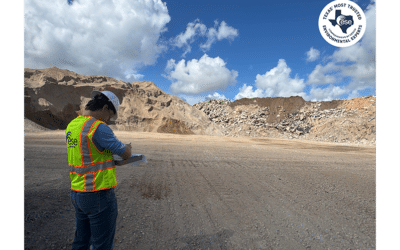
Environmental Compliance for Texas Aggregate Operations: Understanding APO Registration and Permitting Requirements
Texas aggregate operations are subject to environmental registration, permitting, and ongoing compliance requirements. Learn what aggregate operators should consider when managing APO registration, air quality, stormwater, and other environmental responsibilities.

Understanding TCEQ Title V Permit Requirements: A Guide to Ongoing Air Quality Compliance
A Title V Federal Operating Permit establishes more than a facility’s authorization to operate. It outlines ongoing air quality requirements involving emissions limits, monitoring, operating practices, recordkeeping, and reporting. Understanding how these conditions apply to daily operations helps industrial facilities maintain compliance and manage their environmental responsibilities throughout the year.

Texas Air Permit Compliance: Understanding TCEQ’s Annual Reporting Requirement for Certain Non-Expiring Permits
An air permit or authorization without an expiration date may still carry an annual reporting obligation. Under Texas Water Code Section 5.587, certain facilities must report the operational status of qualifying air authorizations to TCEQ by December 31 each year. Understanding which permits are covered and reviewing authorizations before year-end can help facilities avoid overlooking this requirement.

Environmental Considerations for Texas Broadband Expansion: What Infrastructure Developers Need to Know
Broadband expansion requires more than installing fiber and connecting communities. From wetlands and stream crossings to protected species and cultural resources, environmental considerations can influence project routes, permitting requirements, and construction schedules. Early environmental due diligence helps broadband developers identify potential constraints and plan infrastructure projects with greater confidence.