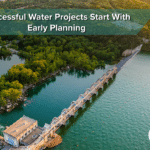
The Cost of Addressing Environmental Constraints Too Late
For infrastructure projects, few things are more disruptive than discovering an environmental or cultural resource constraint after engineering and design decisions have already been made.
A pipeline alignment may cross regulated waters, an endangered species concern may affect a proposed development area, or archaeological resources may require additional investigation and coordination. Historic properties can also introduce additional review requirements that affect project timelines.
These challenges are not unusual for infrastructure projects in Texas. However, the timing of when they are identified can make a significant difference in how a project moves forward.
When environmental considerations are introduced late in the planning process, project teams may need to revisit established designs, evaluate alternative locations, conduct additional studies, or obtain permits and approvals that were not initially anticipated. Each of these steps can introduce additional costs and create uncertainty around project schedules.
In some cases, what begins as an environmental review can become a larger engineering and project management challenge.
Common Environmental and Cultural Resource Considerations
Texas infrastructure projects can encounter a range of environmental and cultural resource considerations depending on their location, scope, and proposed activities. Some of the more common considerations include:
Regulated Waters and Wetlands: Proposed pipeline routes, water infrastructure, and other construction activities may cross streams, wetlands, or other regulated aquatic resources. Identifying these features early can help project teams understand potential permitting requirements and evaluate alignment alternatives before finalizing designs.
Threatened and Endangered Species: Certain project areas may provide habitat for federally or state-listed threatened and endangered species. Biological evaluations can help identify potential habitat concerns, determine whether additional surveys or coordination may be necessary, and inform project planning.
Archaeological and Cultural Resources: Undocumented archaeological resources or previously identified cultural resource sites can affect where and how construction activities proceed. Early cultural resource investigations help identify potential concerns and determine whether additional coordination or investigation is warranted.
Historic Properties: Projects involving older infrastructure, historic structures, or areas with potential historic significance may require additional consideration under applicable historic preservation requirements. Identifying these considerations early can help teams account for the necessary review and coordination.
While each project presents different circumstances, these considerations can influence project feasibility, design, permitting, and construction schedules.
Why Environmental Evaluations Should Begin During Project Planning
Environmental and cultural resource evaluations are most valuable when they occur early enough to influence project decisions.
Conducting these evaluations during preliminary planning allows project teams to identify potential constraints while multiple options may still be available. Rather than responding to an unexpected issue after an alignment or site layout has been established, teams can use environmental information to inform decisions from the beginning.
Early evaluations can help project owners and engineering teams:
- Identify potential environmental and cultural resource constraints before finalizing project designs.
- Evaluate alternative sites, routes, or alignments to avoid or minimize potential impacts.
- Understand anticipated permitting requirements and agency coordination needs.
- Incorporate additional studies or surveys into the project schedule.
- Reduce the likelihood of unexpected design changes, permitting delays, and additional costs.
This approach also supports better communication among project stakeholders. When environmental considerations are understood early, engineers, project managers, environmental consultants, and funding agencies can work from a more complete understanding of the project.
Environmental Planning for Projects Seeking TWDB Funding
For water and wastewater infrastructure projects pursuing funding through the Texas Water Development Board (TWDB), environmental planning is an important consideration in the overall project development process.
Projects seeking TWDB assistance may be subject to environmental review requirements, depending on the funding program and project circumstances. These reviews can involve evaluating potential impacts to natural resources, cultural resources, and other environmental considerations, as well as determining whether additional documentation, studies, or agency coordination are necessary.
Waiting until later stages of project development to address these requirements can create challenges for project teams, particularly when environmental findings affect the proposed project location, design, or construction approach.
Incorporating environmental and cultural resource evaluations into early planning helps project owners better understand potential review requirements and account for them as the project progresses. This can support funding preparedness, improve coordination, and help reduce avoidable schedule uncertainty.
Understanding these considerations before advancing into later design stages gives project teams more opportunities to address potential issues proactively.
A More Coordinated Approach to Infrastructure Development
Successful infrastructure projects require coordination across multiple disciplines. Engineering, environmental compliance, cultural resources, permitting, and funding considerations are all connected, and decisions in one area can influence the others.
Bringing environmental and cultural resource professionals into the planning process early helps create a more comprehensive understanding of project constraints. It also gives project teams the opportunity to evaluate potential issues before they become more difficult or expensive to address.
For Texas infrastructure projects, early planning is not simply about completing environmental evaluations. It is about using that information to make better project decisions, establish realistic schedules, and responsibly move projects forward.
How ESE Partners Supports Texas Infrastructure Projects
ESE Partners provides environmental and cultural resource services to support infrastructure planning and development throughout Texas.
Our multidisciplinary team helps project owners and engineering partners identify potential constraints, understand applicable environmental requirements, and navigate the evaluations and coordination that may be necessary throughout project development.
Services include:
- Natural Resources: Biological evaluations, threatened and endangered species assessments, aquatic resource delineations, and wetland and waters evaluations.
- Cultural Resources: Archaeological investigations, historic resources evaluations, and cultural resource coordination.
- Environmental Permitting and Compliance: Environmental permitting support, regulatory coordination, and compliance services.
By integrating these services into the early stages of project planning, ESE helps clients identify potential challenges, evaluate project alternatives, and make informed decisions as infrastructure projects move from planning and design toward construction.
Planning an infrastructure project in Texas? Engaging environmental and cultural resource professionals early can help your team better understand project constraints and avoid unnecessary complications later in the process.