
What Is a Building Survey / Facility Inspection?
A Building Survey or Facility Inspection, often delivered as a Property Condition Assessment (PCA) or Facility Condition Assessment (FCA), is a structured evaluation of a property’s readily observable physical condition. These assessments typically focus on major building systems and components, including the roof and building envelope, exterior walls, openings, and drainage; visible structural components and indicators of distress or movement; MEP systems such as HVAC, electrical, and plumbing; life safety and fire protection elements where visible and accessible; interior finishes and common areas; and site improvements such as paving, sidewalks, lighting, grading, and stormwater features. Many commercial PCAs follow ASTM E2018, the Standard Guide for Property Condition Assessments, which establishes a baseline approach commonly used in real estate, lending, and investment decisions.
Request Your Building Surveys & Facility Inspections Today
Texas’ most trusted environmental experts – comprehensive by design.
When Is It Required?
Building surveys and facility inspections are commonly requested when:
- Buying or selling commercial real estate (confirm near-term capital needs and negotiation leverage)
- Refinancing or obtaining new financing (lender due diligence / baseline condition)
- Portfolio acquisitions (standardized, comparable condition reporting across multiple assets)
- Pre-lease / lease renewal (supporting tenant improvements, maintenance responsibilities, or long-term planning)
- Insurance renewals and risk reviews (documenting condition and prioritizing mitigation)
- Capital planning (reserve planning, multi-year budgeting, and prioritization)
In certain Texas affordable housing underwriting contexts, agencies may reference ASTM E2018 as an acceptable PCA standard for property condition assessments.
ESE Partners’ Approach
ESE Partners delivers building surveys and facility inspections with a deal-focused mindset, helping clients move quickly without sacrificing quality. Our team provides right-sized scoping and rapid scheduling to match LOI, financing, and closing timelines, while producing plain-English deliverables that clearly describe deficiencies and explain what they mean financially or operationally. We offer practical recommendations that distinguish between deferred maintenance, capital replacement needs, and monitor-only items, helping clients avoid overcalling risk. With Texas field experience, ESE accounts for regional building conditions such as heat loads, storm exposure, expansive soils, and coastal corrosion where applicable. When needed, we also coordinate building condition assessments with environmental due diligence to reduce handoffs, streamline communication, and minimize friction.
Our Process
- Scope confirmation (PCA/FCA/BSA): Define intended use, reporting format, and key concerns (roof, HVAC age, moisture history, etc.).
- Document request & review: Available plans, prior reports, maintenance logs, warranties, and capital records (as provided/available).
- On-site facility inspection: Visual review of accessible areas and representative spaces; photo documentation.
- Interviews (as available): Discussions with property management/maintenance personnel to understand recurring issues and planned repairs (typical in PCA workflows).
- Repair and replacement opinions: Budget-level opinions of probable costs and timelines (near-term and planned).
- Report delivery & call: Findings summary, risk flags, and a decision-focused debrief to keep your transaction moving.
Regulatory Framework (What Governs These Inspections)
Facility inspections are not “one-code-fits-all” in Texas; they typically sit at the intersection of ASTM E2018, local code adoption, and client or lender requirements. ASTM E2018 is widely used as the baseline for commercial Property Condition Assessments in transaction and lending contexts. At the local level, Texas is largely jurisdiction-driven, with municipalities adopting versions of ICC model codes, such as building, fire, and property maintenance codes, along with local amendments. For example, the City of Austin publishes its adopted technical codes and local amendments. In addition, many lenders establish their own PCA requirements, including scope, capital planning horizons such as immediate needs plus 5 to 12 years, and preferred reporting formats, even when ASTM remains the backbone of the assessment. A PCA is typically a baseline condition review and not a full design-level engineering evaluation or exhaustive code compliance audit unless those services are specifically scoped.
Risks of Not Completing This Service
Skipping a building survey / facility inspection can create avoidable exposure, including:
- Unplanned CapEx (roof, HVAC, electrical gear, parking lot failures)
- Deal friction (re-trades, escrow holds, delayed closings)
- Lender issues (additional conditions, tighter reserves, or reduced proceeds)
- Operational disruption (emergency repairs, tenant complaints, downtime)
- Mispriced leases or recoveries (maintenance responsibility misunderstandings and disputes)
More Building Sciences Services

Mold Consulting Surveys
Moisture intrusion, water damage, HVAC issues, and construction defects can create conditions for mold and fungal growth. ESE’s state-licensed professionals work with building owners and facility managers to promptly identify mold and moisture damage, assess affected areas, and coordinate safe remediation. Throughout the process, our team verifies that the structure is restored to prevent future microbial growth while keeping occupants and building contents protected.

Lead & Lead-Based Paint Consulting Services
Lead and lead compounds have historically been used in paints, coatings, ceramics, pipes, and plumbing materials across numerous structures. ESE’s accredited professionals provide timely, cost-effective solutions to lead-related issues, whether you are preparing for renovation, managing an existing facility, or responding to regulatory requirements.
Industries We Serve
ESE operates in a wide range of industries, all with unique needs and regulatory obligations. We offer experts who understand the broad complexity of environmental challenges faced by today’s businesses.

Real Estate Brokers & Developers
ESE helps brokers and developers reduce deal friction and avoid surprises through fast, defensible environmental due diligence. We support property evaluations, redevelopment risk screening, and transaction-ready reporting for Texas assets.

Private Equity/Capital Investors
Transaction support for acquisitions and portfolio oversight, including Phase I/II ESAs and risk-based evaluation. We provide clear findings, practical recommendations, and scalable diligence support.

Financial Institutions
ESE supports lender-driven environmental due diligence and portfolio risk management, including Phase I/II ESAs and risk screening. We deliver consistent, defensible reporting aligned with credit and closing timelines.

Attorneys
Technical support for environmental risk, liability evaluation, and regulatory strategy. We provide clear documentation and expert collaboration to support transactions, compliance matters, and remediation planning.
Why ESE Partners
Texas’ Most Trusted Environmental Experts – Comprehensive by Design.
As Texas’ Most Trusted Environmental Experts — Comprehensive by Design, ESE Partners delivers more than a checklist for building surveys and facility inspections. Our Texas-first execution gives clients access to teams that understand local building conditions, market expectations, and project timelines statewide. We provide deal-aligned reporting that supports negotiations, underwriting, and internal approvals, helping stakeholders understand property condition risks in practical terms. ESE also offers full-service capabilities beyond facility inspections, including environmental due diligence, remediation support, compliance, natural and cultural resources, and building sciences coordination. With responsive communication throughout the process, clients know what we found, what matters, and what to do next.
Need a Building Survey / Facility Inspection fast—without uncertainty or overblown findings?
Contact ESE Partners and get a proposal within 24 hours to keep your acquisition, refinance, or capital plan on track.
Our Building Sciences Projects

Lead Dust Cleaning Protocol for Manufacturing Operations
ESE developed a Lead Dust Cleaning Protocol for a Texas manufacturing facility where select employees regularly handle lead components as part of routine production tasks.

Comprehensive Asbestos Survey: Houston High-Rise Renovation
A commercial real estate owner was considering a large-scale renovation of a commercial high-rise office building in downtown Houston. ESE Partners was engaged to conduct a full-building asbestos survey across all interior levels and accessible roof areas.
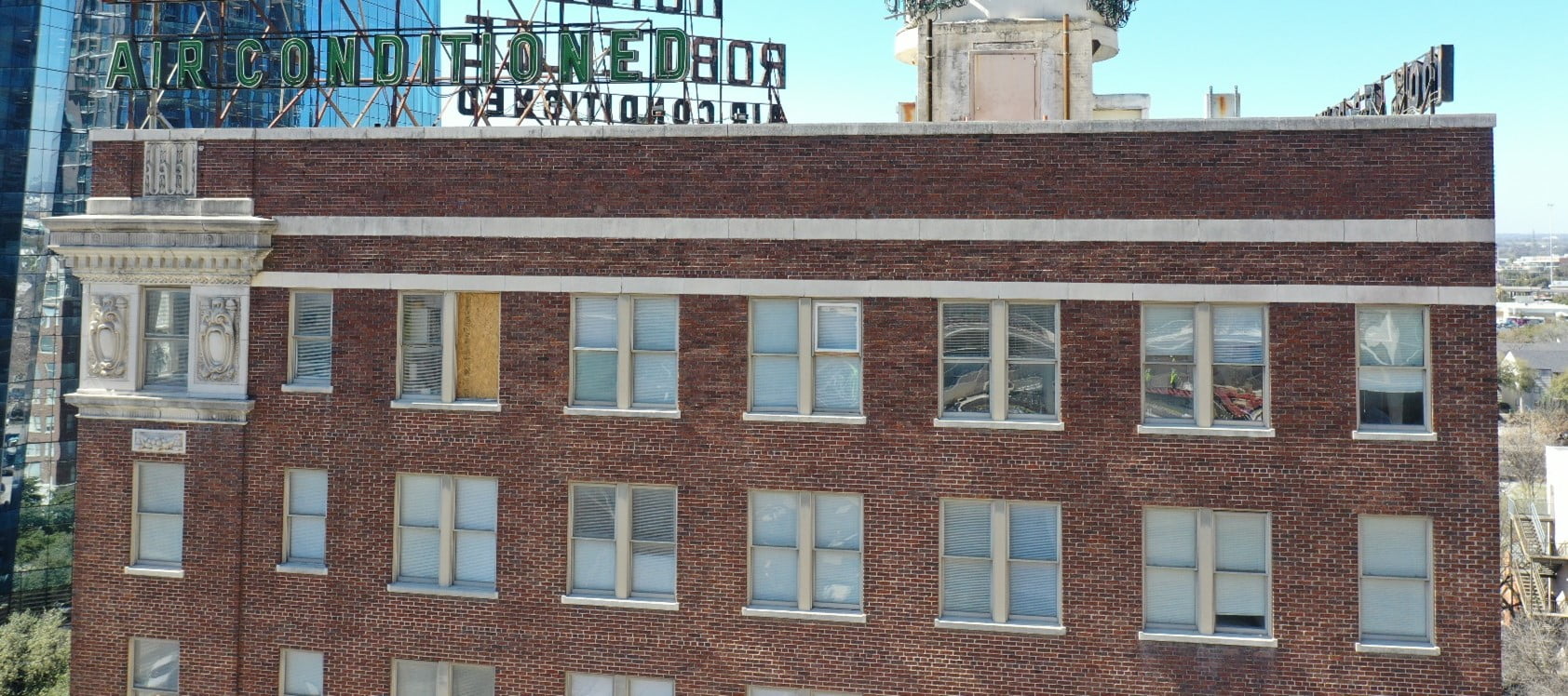
Property Condition Assessment of Historic Hotel
ESE recently completed a Property Condition Assessment (PCA) of a historic hotel which was originally constructed in 1923.
Frequently Asked Questions About Building Surveys & Facility Inspections
What is a building survey or facility inspection, and what does it cover?
A Building Survey or Facility Inspection, often delivered as a Property Condition Assessment (PCA) or Facility Condition Assessment (FCA), is a structured evaluation of a property’s readily observable physical condition. These assessments typically focus on major building systems and components, including the roof and building envelope, exterior walls, openings, and drainage; visible structural components and indicators of distress or movement; MEP systems such as HVAC, electrical, and plumbing; life safety and fire protection elements where visible and accessible; interior finishes and common areas; and site improvements such as paving, sidewalks, lighting, grading, and stormwater features. Many commercial PCAs follow ASTM E2018, the Standard Guide for Property Condition Assessments, which establishes a baseline approach commonly used in real estate, lending, and investment decisions. Importantly, a PCA is typically a baseline condition review and not a full design-level engineering evaluation or exhaustive code compliance audit unless those services are specifically scoped.
When do I need a building survey or facility inspection for my Texas property?
Building surveys and facility inspections are commonly requested when buying or selling commercial real estate (to confirm near-term capital needs and negotiation leverage), refinancing or obtaining new financing (lender due diligence and baseline condition), portfolio acquisitions (standardized, comparable condition reporting across multiple assets), pre-lease and lease renewal (supporting tenant improvements, maintenance responsibilities, or long-term planning), insurance renewals and risk reviews (documenting condition and prioritizing mitigation), and capital planning (reserve planning, multi-year budgeting, and prioritization). In certain Texas affordable housing underwriting contexts, agencies may also reference ASTM E2018 as an acceptable PCA standard for property condition assessments.
What are the risks of skipping a building survey or facility inspection?
Skipping a building survey or facility inspection can create avoidable exposure, including unplanned capital expenditures (roof, HVAC, electrical gear, parking lot failures), deal friction (re-trades, escrow holds, delayed closings), lender issues (additional conditions, tighter reserves, or reduced proceeds), operational disruption (emergency repairs, tenant complaints, downtime), and mispriced leases or recoveries (maintenance responsibility misunderstandings and disputes). A building survey or facility inspection is one of the fastest ways to uncover hidden capital needs before they become a pricing dispute, a lease problem, or a post-close emergency.
What does ESE Partners' building survey and facility inspection process look like?
ESE Partners delivers building surveys and facility inspections with a deal-focused mindset — providing right-sized scoping and rapid scheduling to match LOI, financing, and closing timelines, while producing plain-English deliverables that clearly describe deficiencies and explain what they mean financially or operationally. ESE also offers practical recommendations that distinguish between deferred maintenance, capital replacement needs, and monitor-only items, and accounts for regional Texas building conditions such as heat loads, storm exposure, expansive soils, and coastal corrosion where applicable. The process includes: scope confirmation (defining intended use, reporting format, and key concerns such as roof, HVAC age, and moisture history); document request and review (available plans, prior reports, maintenance logs, warranties, and capital records); on-site facility inspection (visual review of accessible areas and representative spaces with photo documentation); interviews as available (discussions with property management and maintenance personnel to understand recurring issues and planned repairs); repair and replacement opinions (budget-level opinions of probable costs and timelines for near-term and planned needs); and report delivery and call (findings summary, risk flags, and a decision-focused debrief to keep your transaction moving).
