What Is a Critical Issues Analysis (CIA)?
A CIA is typically a desktop (or limited field-check) environmental due diligence review focused on identifying material environmental constraints that can impact:
- Development feasibility (e.g., wetlands, floodplain, protected species/habitat, cultural resources red flags)
- Permitting complexity and schedule risk
- Known or likely contamination liabilities (e.g., former industrial use, petroleum storage, nearby releases)
- High-level compliance/land use constraints that could affect project design
In many projects, a CIA is used as “site due diligence” alongside (not instead of) a Phase I Environmental Site Assessment (ESA).
Important distinction: A CIA is not a substitute for AAI/Phase I ESA when liability protections or lender requirements are in play. A Phase I ESA is the recognized standard process used in commercial transactions and is performed under the EPA’s All Appropriate Inquiries (AAI) framework (40 CFR Part 312) and the ASTM E1527 standard.
Request Your Critical Issues Analysis Today
Texas’ most trusted environmental experts – comprehensive by design.
When Is It Required?
A CIA is not generally a statutory requirement; it’s a business tool used to manage schedule and risk. It’s most commonly requested when you need an early “go / no-go” read, such as:
- Site selection / portfolio screening (multiple candidate sites)
- Pre-LOI / pre-PSA decisions where speed matters more than formal reporting
- Renewable energy, data center, industrial, or infrastructure siting where permitting risk is a major driver
- Early development planning to avoid designing around constraints too late
- Projects where a Phase I ESA will be required later, but you want to avoid spending that budget on sites that won’t pencil
ESE Partners’ Approach
At ESE Partners, our Critical Issues Analysis (CIA) deliverable is built for decision-makers, not just the file. We provide fast turnarounds aligned with deal deadlines across Houston, Dallas–Fort Worth, Austin, San Antonio, and statewide markets. Our Texas-first practicality means we flag what is truly material rather than every theoretical issue, helping clients focus on constraints that can affect outcomes. Each CIA includes clear deal impact framing that explains what findings may mean for schedule, cost, design, and permitting path. With scalable screening and consistent methodology, ESE can support both single-site evaluations and large portfolio reviews.
Our Process
- Kickoff + deal drivers (target use, schedule, sensitivity, lender/investor expectations)
- Desktop constraint screening (regulatory + environmental + mapping intelligence)
- High-risk historical use review (where contamination risk is plausible)
- Optional site reconnaissance (when visuals/operations materially change risk)
- Critical issues matrix with recommended next steps (Phase I ESA, wetland delineation, Phase II, cultural survey, etc.)
- Decision call (we walk the team through implications and tradeoffs)
Regulatory Framework
Because Critical Issues Analysis (CIA) scopes vary by project, regulatory references typically function as screening lenses, while formal compliance is handled in later-phase studies. Key frameworks commonly tied to downstream diligence include the EPA All Appropriate Inquiries (AAI) rule under 40 CFR Part 312 and the ASTM E1527 Phase I ESA standard, both of which may become relevant when a project requires formal environmental due diligence. When a Phase I ESA is used to satisfy AAI, it must be prepared by an Environmental Professional (EP) as defined under 40 CFR § 312.10. In Texas, CIA findings may also inform strategy for permitting, redevelopment planning, and agency coordination, including with TCEQ where applicable.
Risks of Not Completing This Service
Skipping a CIA can create avoidable surprises that hit the two things deals can’t tolerate: time and certainty.
- Late discovery of “fatal flaws” (forcing site changes after money is sunk)
- Permitting and entitlement delays that blow up schedules
- Underestimated environmental costs (mitigation, investigation, redesign)
- Mis-sequenced diligence (paying for Phase I/Phase II on sites you’ll drop anyway)
More Renewable Energy Services
Regulatory & Planning Documentation
We produce the analyses and federal documentation that keep projects defensible and on schedule.
- NEPA Environmental Assessments and Categorical Exclusions
- Critical Issues Analyses (CIA)
- Site Characterization Studies (SCS)
- Environmental Evaluation Studies
Due Diligence
Early-stage environmental risk identification protects deal value and prevents costly surprises during financing or construction.
- Phase I Environmental Site Assessments
- Environmental Audits
- Transaction Screenings
- Risk Assessments
- Corridor Assessments
Industries We Serve
ESE operates in a wide range of industries, all with unique needs and regulatory obligations. We offer experts who understand the broad complexity of environmental challenges faced by today’s businesses.

Real Estate Brokers & Developers
ESE helps brokers and developers reduce deal friction and avoid surprises through fast, defensible environmental due diligence. We support property evaluations, redevelopment risk screening, and transaction-ready reporting for Texas assets.

Private Equity/Capital Investors
Transaction support for acquisitions and portfolio oversight, including Phase I/II ESAs and risk-based evaluation. We provide clear findings, practical recommendations, and scalable diligence support.

Financial Institutions
ESE supports lender-driven environmental due diligence and portfolio risk management, including Phase I/II ESAs and risk screening. We deliver consistent, defensible reporting aligned with credit and closing timelines.

Attorneys
Technical support for environmental risk, liability evaluation, and regulatory strategy. We provide clear documentation and expert collaboration to support transactions, compliance matters, and remediation planning.
Why ESE Partners
Texas’ Most Trusted Environmental Experts – Comprehensive by Design
Clients choose ESE Partners because we combine transaction speed with technical depth across the full project lifecycle. Our capabilities include environmental due diligence, such as Phase I and Phase II ESAs, risk evaluation, and lender support, as well as remediation support, regulatory strategy, compliance, permitting, natural and cultural resources, and building sciences when applicable for redevelopment or operations and maintenance risk. ESE is built to support commercial real estate, energy, and infrastructure teams that need responsive communication, practical guidance, and defensible recommendations across Texas.
Need to screen a site (or 50) fast?
Request a Critical Issues Analysis (CIA) proposal today—and keep your deal moving with a clear “go / no-go” view of environmental risk within your timeline.
Our Renewable Energy Projects

CIA and Permitting Matrix for BESS
ESE completed a CIA and Permit Matrix for two alternate locations near the Gulf Coast along with alternative Transmission Line routes to help the client determine the best option for building a new BESS facility.
Webb County Solar Site
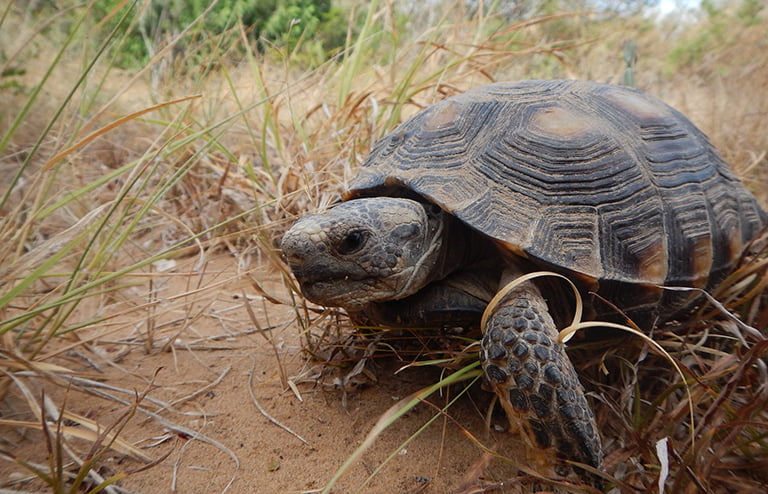
ESE conducted wetland delineations, threatened and endangered species habitat evaluations, Phase I Environmental Site Assessment, Phase II Environmental Site Assessment, and oversaw cultural resources studies for a purposed 3,925-acre utility-scale solar installation in South Texas.
Large Scale Solar Site in Columbia County, Florida
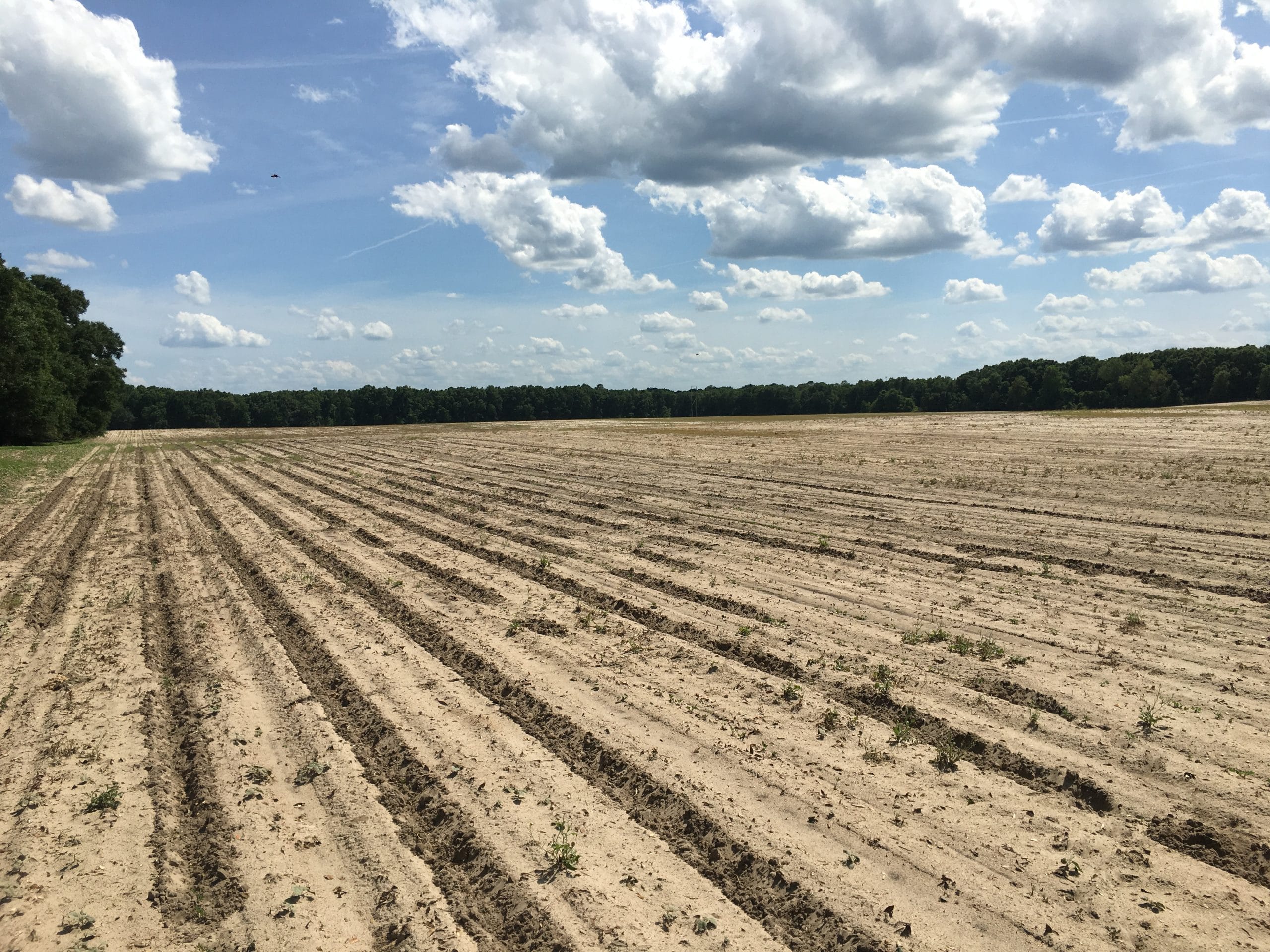
ESE conducted a Phase I Environmental Site Assessment (ESA) for a proposed large-scale solar installation in Columbia County, Florida.
Frequently Asked Questions About Critical Issues Analyses
What is a Critical Issues Analysis (CIA), and how does it differ from a Phase I ESA?
A Critical Issues Analysis (CIA) is a fast, deal-driven environmental “fatal flaw” screening used early in a transaction or site selection to identify the few environmental constraints most likely to kill a deal, delay entitlements, or materially change costs — before you spend time and money on full diligence (like a Phase I ESA) or engineering. It’s typically a desktop (or limited field-check) environmental due diligence review focused on identifying material environmental constraints affecting development feasibility (e.g., wetlands, floodplain, protected species/habitat, cultural resources red flags), permitting complexity and schedule risk, known or likely contamination liabilities, and high-level compliance/land use constraints. Importantly, a CIA is not a substitute for AAI/Phase I ESA when liability protections or lender requirements are in play — a Phase I ESA is the recognized standard process performed under the EPA’s All Appropriate Inquiries (AAI) framework (40 CFR Part 312) and the ASTM E1527 standard.
When is a Critical Issues Analysis most useful?
A CIA is not generally a statutory requirement — it’s a business tool used to manage schedule and risk, most commonly requested when you need an early “go / no-go” read, such as for site selection/portfolio screening (multiple candidate sites), pre-LOI/pre-PSA decisions where speed matters more than formal reporting, renewable energy, data center, industrial, or infrastructure siting where permitting risk is a major driver, early development planning to avoid designing around constraints too late, and projects where a Phase I ESA will be required later but you want to avoid spending that budget on sites that won’t pencil.
What are the risks of skipping a Critical Issues Analysis?
Skipping a CIA can create avoidable surprises that hit the two things deals can’t tolerate: time and certainty. Specific risks include late discovery of “fatal flaws” (forcing site changes after money is sunk), permitting and entitlement delays that blow up schedules, underestimated environmental costs (mitigation, investigation, redesign), and mis-sequenced diligence (paying for Phase I/Phase II on sites you’ll drop anyway).
What does ESE Partners' Critical Issues Analysis process look like?
ESE Partners’ CIA deliverable is built for decision-makers, not just the file — providing fast turnarounds aligned with deal deadlines, Texas-first practicality that flags what is truly material rather than every theoretical issue, and clear deal impact framing that explains what findings may mean for schedule, cost, design, and permitting path. The process includes: kickoff and deal drivers (target use, schedule, sensitivity, lender/investor expectations); desktop constraint screening (regulatory, environmental, and mapping intelligence); high-risk historical use review (where contamination risk is plausible); optional site reconnaissance (when visuals/operations materially change risk); a critical issues matrix with recommended next steps (Phase I ESA, wetland delineation, Phase II, cultural survey, etc.); and a decision call (walking the team through implications and tradeoffs). With scalable screening and consistent methodology, ESE can support both single-site evaluations and large portfolio reviews.