What Is an Environmental Evaluation Study (EES)?
An Environmental Evaluation Study is a structured assessment that typically combines:
- Baseline environmental conditions (existing site and surrounding environment)
- Impact screening (what the project could change and how significant that change may be)
- Regulatory/permitting applicability (what approvals may be required)
- Compliance evaluation (for existing operations or expansions, where applicable)
In practice, EES is often paired with (or functions similarly to) an environmental audit or authorisation-support environmental evaluation, depending on the regulator and project type.
Request Your Environmental Evaluation Study Today
Texas’ most trusted environmental experts – comprehensive by design.
When Is It Required?
An Environmental Evaluation Study is commonly requested or becomes necessary when:
- Permitting or authorizations require an environmental evaluation package to support agency decisions (especially for linear infrastructure, renewables, or greenfield development).
- You need early constraint identification (wetlands/waters, sensitive species habitat, cultural resources) before finalizing routing, site selection, or design.
- A project team needs a defensible record to support stakeholder engagement and reduce surprise findings during construction.
- An owner/operator needs a compliance and operational impact assessment as part of an audit-style evaluation.
- A broader NEPA pathway is anticipated (Environmental Assessment/Categorical Exclusion support), and you need upfront environmental screening to inform scope and schedule.
ESE Partners’ Approach
ESE’s Environmental Evaluation Studies are built for decision-speed and defensibility, with a permitting-first mindset focused on what agencies will care about and what could stall approvals. Our team provides practical risk framing that clearly distinguishes between fatal flaws, manageable constraints, and standard permit conditions, helping clients understand what matters most. With field-ready teams and Texas-specific permitting experience across state and federal interfaces, ESE supports development, energy, and infrastructure projects with practical execution. We also communicate at the pace of the deal, offering fast scoping calls, concise deliverables, and direct coordination with counsel, engineers, and other project stakeholders when needed.
Our Process
- Project intake & constraint hypothesis: Proposed footprint, alternatives, schedule drivers, known agency touchpoints.
- Records review & regulatory applicability screen: Identify likely triggers: waters/wetlands, species, cultural, floodplain, stormwater, etc.
- Site reconnaissance / field verification (as appropriate): Targeted field work proportional to project stage and risk.
- Impact evaluation & mitigation concepts: Avoid/minimize/mitigate options; constructability and schedule implications.
- Deliverable package: Map exhibits, constraints table, permitting pathway, and action plan for next steps.
Regulatory Framework (How EES Fits in Texas)
Because “Environmental Evaluation Study” is a flexible term used differently by different programs and jurisdictions, ESE scopes each EES around the actual approval pathway for the project. At ESE, Environmental Evaluation Studies commonly align with natural resources permitting support and may include NEPA-related documentation, such as Environmental Assessments or Categorical Exclusions, when a federal nexus exists. They may also support broader permitting and assessment workflows where an environmental evaluation is needed to inform an authorization decision. Once the project type and reviewing agency are identified, such as USACE, USFWS, TxDOT, a county, or a city, ESE aligns the EES deliverable with what reviewers expect.
Risks of Not Completing This Service
Skipping an Environmental Evaluation Study can lead to:
- Design rework (late discovery of wetlands, habitat constraints, or cultural conflicts)
- Permitting delays and missed closing/construction windows
- Cost escalation from unplanned mitigation, seasonal survey windows, or reroutes
- Regulatory exposure if field conditions trigger permits that were not anticipated
- Reputational and stakeholder risk if impacts are discovered late or poorly documented
More Renewable Energy Services
Regulatory & Planning Documentation
We produce the analyses and federal documentation that keep projects defensible and on schedule.
- NEPA Environmental Assessments and Categorical Exclusions
- Critical Issues Analyses (CIA)
- Site Characterization Studies (SCS)
- Environmental Evaluation Studies
Due Diligence
Early-stage environmental risk identification protects deal value and prevents costly surprises during financing or construction.
- Phase I Environmental Site Assessments
- Environmental Audits
- Transaction Screenings
- Risk Assessments
- Corridor Assessments
Industries We Serve
ESE operates in a wide range of industries, all with unique needs and regulatory obligations. We offer experts who understand the broad complexity of environmental challenges faced by today’s businesses.

Real Estate Brokers & Developers
ESE helps brokers and developers reduce deal friction and avoid surprises through fast, defensible environmental due diligence. We support property evaluations, redevelopment risk screening, and transaction-ready reporting for Texas assets.

Private Equity/Capital Investors
Transaction support for acquisitions and portfolio oversight, including Phase I/II ESAs and risk-based evaluation. We provide clear findings, practical recommendations, and scalable diligence support.

Financial Institutions
ESE supports lender-driven environmental due diligence and portfolio risk management, including Phase I/II ESAs and risk screening. We deliver consistent, defensible reporting aligned with credit and closing timelines.

Attorneys
Technical support for environmental risk, liability evaluation, and regulatory strategy. We provide clear documentation and expert collaboration to support transactions, compliance matters, and remediation planning.
Why ESE Partners
Texas’ Most Trusted Environmental Experts – Comprehensive by Design
As Texas’ Most Trusted Environmental Experts — Comprehensive by Design, ESE Partners supports Environmental Evaluation Studies with Texas-centric delivery across major metros and rural project areas statewide. Clients choose ESE because we combine integrated service lines, including due diligence, remediation, compliance, natural and cultural resources, and building sciences, giving project teams one firm and fewer handoffs. Our responsive teams are built to match transaction and construction timelines, with scalable execution for multi-site projects and linear corridor programs. ESE’s natural resources group routinely supports permitting and assessment work, including Environmental Evaluation Studies, across renewables, oil and gas, transportation, and development markets.
Need an Environmental Evaluation Study (EES) to support permitting, routing, or project approvals in Texas?
Request a proposal within 24 hours and keep your schedule protected—contact ESE Partners to scope the right level of evaluation for your project stage and risk profile.
Our Renewable Energy Projects
CIA and Permitting Matrix for BESS
ESE completed a CIA and Permit Matrix for two alternate locations near the Gulf Coast along with alternative Transmission Line routes to help the client determine the best option for building a new BESS facility.

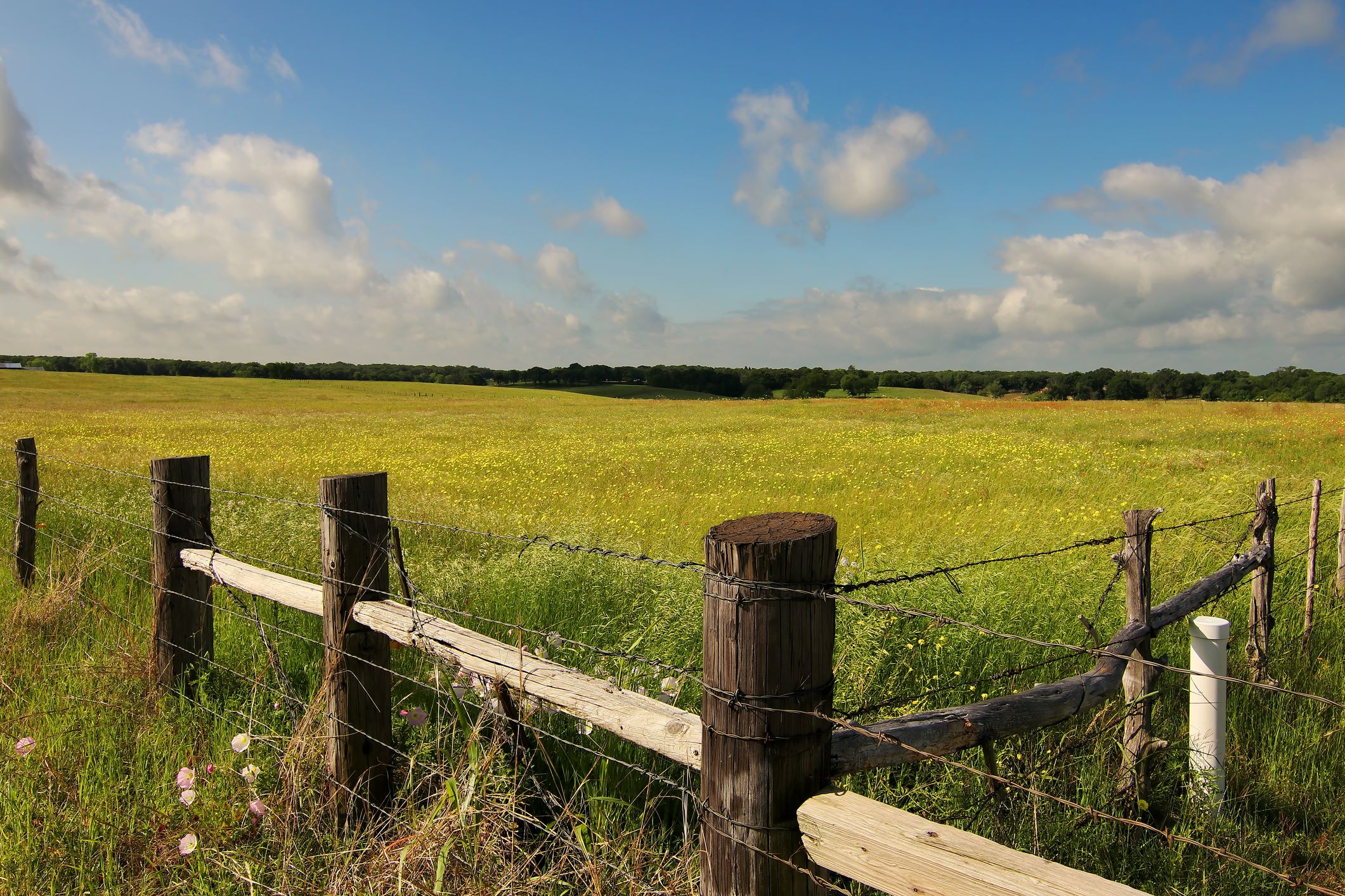
Webb County Solar Site
ESE conducted wetland delineations, threatened and endangered species habitat evaluations, Phase I Environmental Site Assessment, Phase II Environmental Site Assessment, and oversaw cultural resources studies for a purposed 3,925-acre utility-scale solar installation in South Texas.
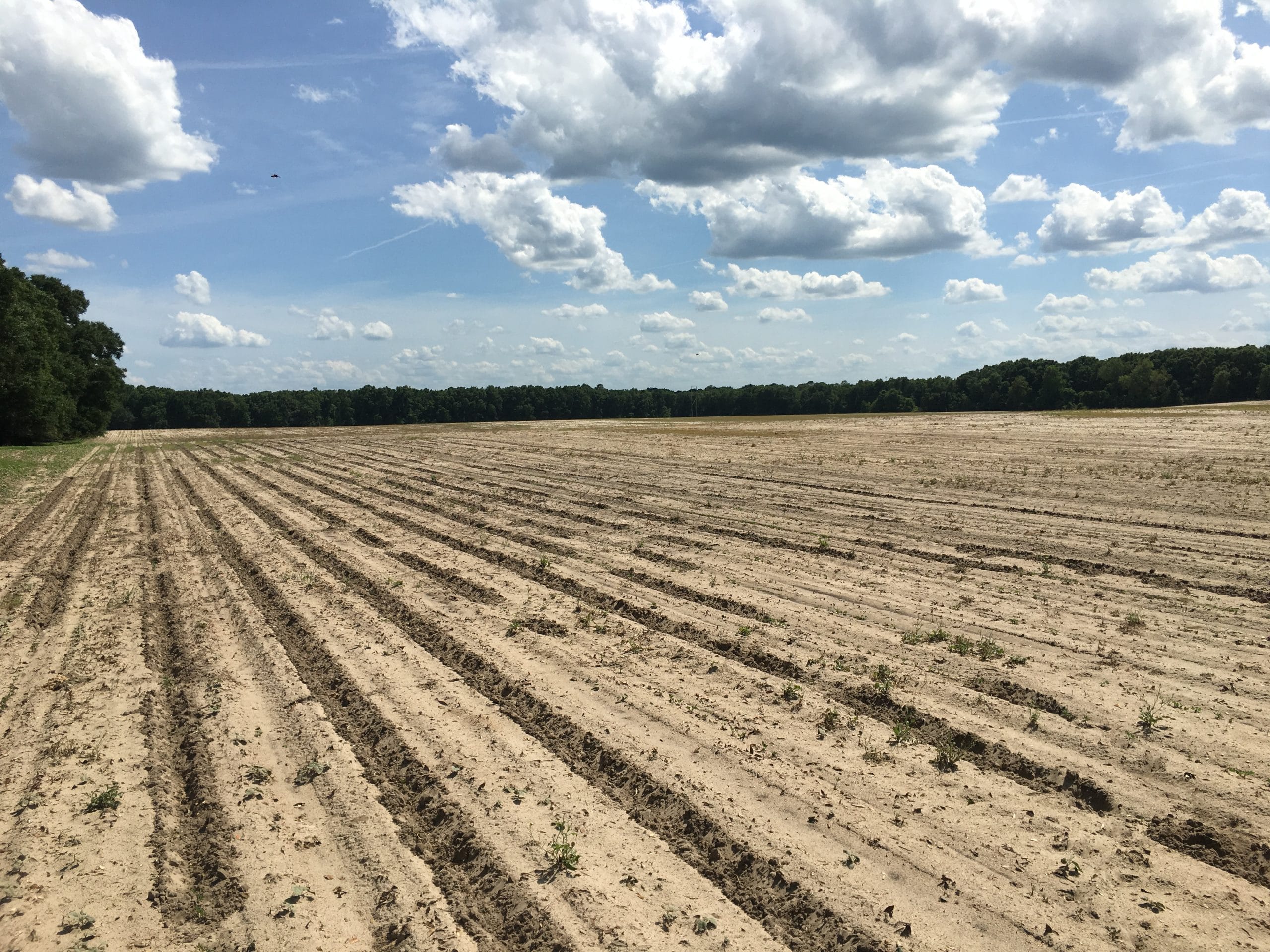
Large Scale Solar Site in Columbia County, Florida
ESE conducted a Phase I Environmental Site Assessment (ESA) for a proposed large-scale solar installation in Columbia County, Florida.
Frequently Asked Questions About Environmental Evaluation Studies
What is an Environmental Evaluation Study (EES) and how does it differ from a Phase I ESA?
An Environmental Evaluation Study is a structured assessment that typically combines baseline environmental conditions (existing site and surrounding environment), impact screening (what the project could change and how significant that change may be), regulatory/permitting applicability (what approvals may be required), and compliance evaluation (for existing operations or expansions, where applicable). It differs from common U.S. due diligence products in a key way: a Phase I ESA is a property transaction tool focused on potential releases and liability defenses under CERCLA/AAI, whereas an EES is more often a project-environment fit and permitting/impact evaluation (e.g., habitat, waters, wetlands, cultural resources, construction impacts).
When is an Environmental Evaluation Study needed?
An EES is commonly requested or becomes necessary when permitting or authorizations require an environmental evaluation package to support agency decisions (especially for linear infrastructure, renewables, or greenfield development), when you need early constraint identification (wetlands/waters, sensitive species habitat, cultural resources) before finalizing routing, site selection, or design, when a project team needs a defensible record to support stakeholder engagement and reduce surprise findings during construction, when an owner/operator needs a compliance and operational impact assessment as part of an audit-style evaluation, or when a broader NEPA pathway is anticipated (Environmental Assessment/Categorical Exclusion support) and you need upfront environmental screening to inform scope and schedule.
What are the risks of skipping an Environmental Evaluation Study?
Skipping an EES can lead to design rework (late discovery of wetlands, habitat constraints, or cultural conflicts), permitting delays and missed closing/construction windows, cost escalation from unplanned mitigation, seasonal survey windows, or reroutes, regulatory exposure if field conditions trigger permits that were not anticipated, and reputational and stakeholder risk if impacts are discovered late or poorly documented.
What does ESE Partners' Environmental Evaluation Study process look like?
ESE’s Environmental Evaluation Studies are built for decision-speed and defensibility, with a permitting-first mindset focused on what agencies will care about and what could stall approvals — providing practical risk framing that clearly distinguishes between fatal flaws, manageable constraints, and standard permit conditions. Because “Environmental Evaluation Study” is a flexible term used differently by different programs, ESE scopes each EES around the actual approval pathway for the project. The process includes: project intake and constraint hypothesis (proposed footprint, alternatives, schedule drivers, known agency touchpoints); records review and regulatory applicability screen (identifying likely triggers such as waters/wetlands, species, cultural, floodplain, stormwater); site reconnaissance/field verification as appropriate (targeted field work proportional to project stage and risk); impact evaluation and mitigation concepts (avoid/minimize/mitigate options; constructability and schedule implications); and a deliverable package (map exhibits, constraints table, permitting pathway, and action plan for next steps). Once the project type and reviewing agency are identified — such as USACE, USFWS, TxDOT, a county, or a city — ESE aligns the EES deliverable with what reviewers expect.