What Is a Habitat Assessment?
A habitat assessment is a site-specific evaluation of existing habitat conditions to determine whether a project area contains—or could support—federally or state-protected species and other sensitive ecological resources.
A typical habitat assessment may include:
- Desktop screening (aerials, soils, hydrology, land cover, known species records where available)
- Field reconnaissance to document vegetation communities, structure, and disturbance
- Identification of potential habitat features (e.g., roost trees, wetlands/riparian corridors, nesting substrate)
- A clear finding (e.g., no suitable habitat, potential habitat present, or habitat present—surveys recommended) aligned with the decision needs of the project and permitting pathway
For some taxa, USFWS issues species-specific guidance that recognizes habitat assessment results as part of project decision-making (often paired with additional survey requirements depending on impacts and timing).
Request Your Habitat Assessment Today
Texas’ most trusted environmental experts – comprehensive by design.
When Is It Required?
Habitat assessments are commonly needed when:
- Buying or developing land where natural cover remains (even partially)
- A lender, investor, or counsel requests environmental due diligence beyond a Phase I ESA (ecological constraint risk)
- Your project needs a federal permit/approval (e.g., triggers an environmental review where protected species must be considered)
- You’re pursuing transportation, utility, energy, or infrastructure projects that require a protected species evaluation (species analysis is commonly required for projects needing environmental review in TxDOT-style workflows)
- You anticipate Clean Water Act or other permitting where ESA coordination may be part of the schedule risk
ESE Partners’ Approach
Comprehensive by Design, practical in execution. ESE Partners focuses habitat assessments on what matters in real projects. We provide fast screening for early decisions such as site selection, feasibility, and acquisition. Our documentation is clear and defensible, so agencies and stakeholders can follow it. Our recommendations are right-sized. We don’t overcall risk, and if habitat is marginal or heavily disturbed, we say so. We bring Texas-specific ecological context, including ecoregions, seasonality, and realistic constraints for development schedules. When needed, we hand off cleanly into targeted species surveys instead of defaulting to costly one-size-fits-all field programs.
Our Process
- Define the action area and project description (limits, impacts, schedule drivers)
- Desktop constraints screening (land cover, hydrology indicators, existing disturbance, known resource layers as applicable)
- Field habitat reconnaissance (photo-documentation, vegetation/habitat mapping notes, key features)
- Protected species habitat potential evaluation (federal + Texas-listed considerations)
- Impact pathway and next-step recommendations (avoidance, minimization, survey needs, seasonal constraints)
- Reporting package suitable for permitting files, internal investment memos, or environmental review documentation
Regulatory Framework
Habitat assessments are commonly used to support compliance and documentation under:
Endangered Species Act (ESA)
Requires evaluation of effects to listed species and critical habitat for applicable federal actions/projects.
USFWS project screening tools and species guidance (where applicable)
May define how habitat assessments/surveys are performed and how long results remain valid for certain species.
Texas listed species considerations
State threatened/endangered species are addressed under Texas rules (often integrated into species analysis documentation on projects requiring environmental review).
Environmental review / funding programs
Some state/federal funding programs require environmental impact evaluation documentation where biological resources are part of the review.
Risks of Not Completing This Service
Skipping habitat assessment work can create real deal and schedule exposure:
- Permitting delays when protected species questions surface late (redesign, seasonal windows, re-scoping)
- Cost escalation from avoidable targeted surveys, mitigation, or construction constraints
- Transaction friction (uncertainty in underwriting, environmental contingencies, lender/investor Q&A)
- Regulatory exposure if impacts to protected species/habitat occur without appropriate evaluation and documentation under the applicable compliance pathway
More Renewable Energy Services
Regulatory & Planning Documentation
We produce the analyses and federal documentation that keep projects defensible and on schedule.
- NEPA Environmental Assessments and Categorical Exclusions
- Critical Issues Analyses (CIA)
- Site Characterization Studies (SCS)
- Environmental Evaluation Studies
Due Diligence
Early-stage environmental risk identification protects deal value and prevents costly surprises during financing or construction.
- Phase I Environmental Site Assessments
- Environmental Audits
- Transaction Screenings
- Risk Assessments
- Corridor Assessments
Industries We Serve
ESE operates in a wide range of industries, all with unique needs and regulatory obligations. We offer experts who understand the broad complexity of environmental challenges faced by today’s businesses.

Real Estate Brokers & Developers
ESE helps brokers and developers reduce deal friction and avoid surprises through fast, defensible environmental due diligence. We support property evaluations, redevelopment risk screening, and transaction-ready reporting for Texas assets.

Private Equity/Capital Investors
Transaction support for acquisitions and portfolio oversight, including Phase I/II ESAs and risk-based evaluation. We provide clear findings, practical recommendations, and scalable diligence support.

Financial Institutions
ESE supports lender-driven environmental due diligence and portfolio risk management, including Phase I/II ESAs and risk screening. We deliver consistent, defensible reporting aligned with credit and closing timelines.

Attorneys
Technical support for environmental risk, liability evaluation, and regulatory strategy. We provide clear documentation and expert collaboration to support transactions, compliance matters, and remediation planning.
Why ESE Partners
Texas’ Most Trusted Environmental Experts – Comprehensive by Design
Texas’ Most Trusted Environmental Experts – Comprehensive by Design. Clients choose ESE Partners for habitat assessments because of our Texas-first delivery, with coverage across Houston, Dallas–Fort Worth, Austin, San Antonio, and statewide. We offer integrated service lines, including due diligence, National Environmental Policy Act (NEPA) and permit support, wetlands, ecological surveys, compliance, and remediation. We take a deal-minded approach, with responsive communication, schedule control, and clear recommendations. Our teams scale for portfolios and multi-site programs while keeping technical consistency.
Need a habitat assessment to keep permitting and development moving?
Contact ESE Partners to scope the action area and get a proposal within 24 hours—so you can make decisions with clarity and confidence.
Our Renewable Energy Projects

CIA and Permitting Matrix for BESS
ESE completed a CIA and Permit Matrix for two alternate locations near the Gulf Coast along with alternative Transmission Line routes to help the client determine the best option for building a new BESS facility.
Webb County Solar Site
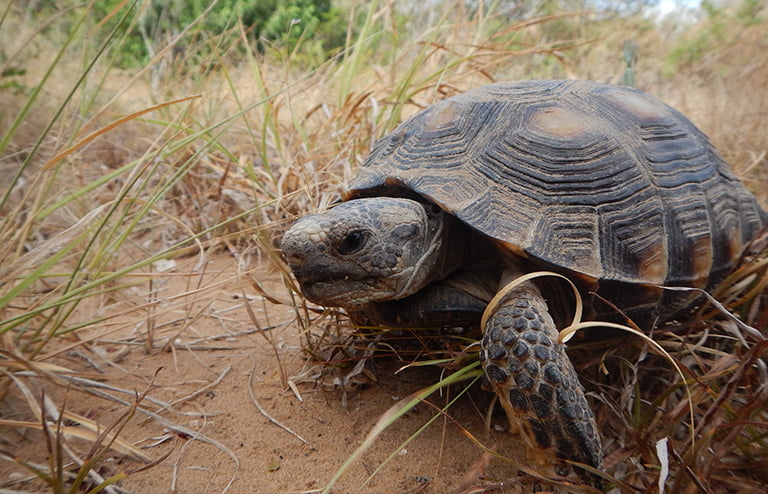
ESE conducted wetland delineations, threatened and endangered species habitat evaluations, Phase I Environmental Site Assessment, Phase II Environmental Site Assessment, and oversaw cultural resources studies for a purposed 3,925-acre utility-scale solar installation in South Texas.
Large Scale Solar Site in Columbia County, Florida
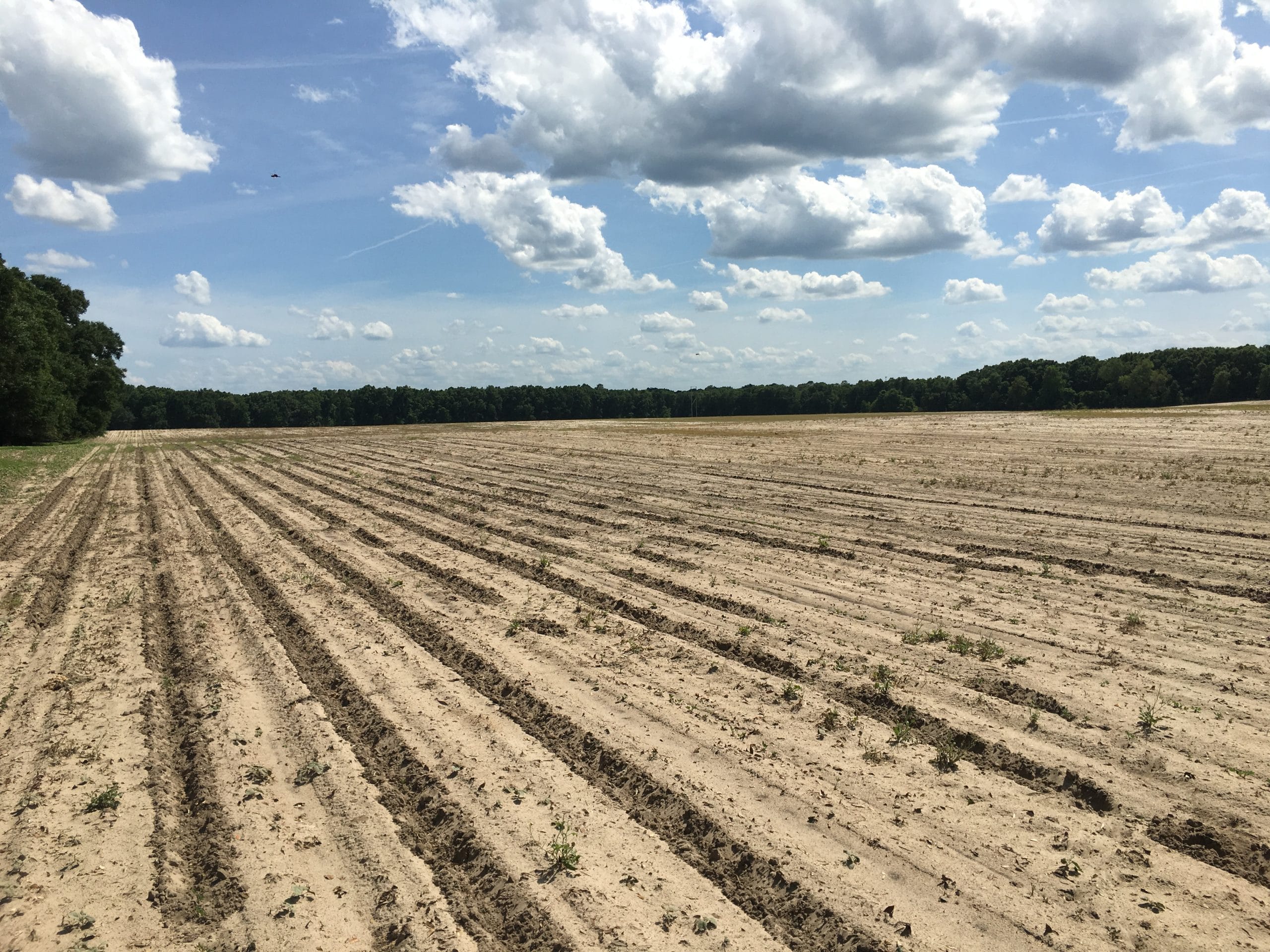
ESE conducted a Phase I Environmental Site Assessment (ESA) for a proposed large-scale solar installation in Columbia County, Florida.
Frequently Asked Questions About Habitat Assessments
What is a habitat assessment?
A habitat assessment is a site-specific evaluation of existing habitat conditions to determine whether a project area contains, or could support, federally or state-protected species and other sensitive ecological resources. A typical assessment includes desktop screening of aerials, soils, hydrology, land cover, and known species records where available. It also includes field reconnaissance to document vegetation communities, structure, and disturbance, and identification of potential habitat features such as roost trees, wetlands and riparian corridors, and nesting substrate. The result is a clear finding, such as no suitable habitat, potential habitat present, or habitat present with surveys recommended, aligned with the project’s decision needs and permitting pathway.
When is a habitat assessment required or recommended?
Habitat assessments are commonly needed when you are buying or developing land where natural cover remains, even partially. They are also needed when a lender, investor, or counsel requests environmental due diligence beyond a Phase I Environmental Site Assessment to address ecological constraint risk, or when a project needs a federal permit or approval that triggers an environmental review where protected species must be considered. Transportation, utility, energy, and infrastructure projects that require a protected species evaluation commonly need one, as do projects that anticipate Clean Water Act or other permitting where Endangered Species Act (ESA) coordination may add schedule risk.
What are the risks of skipping a habitat assessment?
Skipping habitat assessment work can cause permitting delays when protected species questions surface late, forcing redesign, seasonal windows, or re-scoping. It can also lead to cost escalation from avoidable targeted surveys, mitigation, or construction constraints, and transaction friction when uncertainty complicates underwriting, environmental contingencies, and lender or investor questions. Regulatory exposure follows if impacts to protected species or habitat occur without appropriate evaluation and documentation under the applicable compliance pathway.
What does ESE Partners’ habitat assessment process look like?
ESE Partners starts by defining the action area and project description, including limits, impacts, and schedule drivers. We then screen constraints on the desktop, reviewing land cover, hydrology indicators, existing disturbance, and known resource layers, and complete field habitat reconnaissance with photo documentation, vegetation and habitat mapping notes, and key features. Our team evaluates habitat potential for federally and Texas-listed species, then recommends next steps on impact pathways, including avoidance, minimization, survey needs, and seasonal constraints. The reporting package is suitable for permitting files, internal investment memos, or environmental review documentation.