What Is a Site Characterization Study (SCS)?
A Site Characterization Study (SCS) is a targeted environmental investigation designed to confirm whether contamination is present and, if so, define the nature and extent (horizontal/vertical) and the likely exposure pathways (e.g., direct contact, vapor intrusion, groundwater migration). SCS commonly includes intrusive fieldwork (borings, monitoring wells), sampling (soil/groundwater/soil vapor), and a reporting package that supports next-step decisions such as redevelopment design, lender comfort, or regulatory strategy.
SCS scope is typically developed using widely accepted site characterization and sampling/QA concepts (e.g., data quality planning, field QA/QC, and defensible sampling methods).
Request Your Site Characterization Study Today
Texas’ most trusted environmental experts – comprehensive by design.
When Is It Required?
You’ll typically need an SCS when:
- Phase I ESA identifies Recognized Environmental Conditions (RECs) and stakeholders need confirmation and delineation before closing or development.
- Lenders/investors require subsurface data to quantify liability and establish conditions to close (escrows, price adjustments, indemnities).
- Brownfield or infill redevelopment needs clarity on soil handling, groundwater management, and construction risk.
- Industrial/fleet/warehouse properties have likely release mechanisms (USTs, ASTs, degreasers, hydraulic oils, chemical storage).
- Regulatory programs require investigation data to support risk-based decisions and remedy selection (common in Texas risk-based cleanup approaches).
- Vapor intrusion questions exist due to historical VOC use (e.g., dry cleaners, manufacturing solvents) and project teams need soil vapor/sub-slab clarity.
ESE Partners’ Approach
“Comprehensive by Design” is not just a slogan; it is how ESE Partners keeps Site Characterization Studies predictable, practical, and decision-focused. Our team develops deal-focused scopes around the decision clients need to make, whether that is closing, building, financing, or remediating, rather than defaulting to a generic drilling program. We right-size each investigation to collect enough data to reduce uncertainty and support action without unnecessary sampling or overcalling risk. With Texas regulatory fluency, ESE scopes studies around state-specific risk, affected media, and exposure pathway considerations so deliverables can stand up under review. We also provide clear communication through daily field updates when needed, fast turnarounds on laboratory data, and concise findings for attorneys, lenders, principals, and other stakeholders.
Our Process
- Define the decision & data needs: Align with client/lender/attorney requirements, schedule, and target confidence level.
- Conceptual Site Model (CSM) + work plan: Identify likely sources, release mechanisms, migration routes, and receptors.
- Utility clearance + access coordination: Minimize downtime and keep fieldwork safe and efficient.
- Field investigation: Soil borings/test pits, groundwater monitoring wells, soil vapor probes, indoor air/sub-slab (as needed).
- Laboratory analysis + QA/QC review: Confirm usability of data for the intended decision.
- Interpretation & reporting: Nature/extent, pathway evaluation, and practical next steps (no filler).
- Strategy & next steps: Risk evaluation, remediation planning, construction management measures, or regulatory engagement—based on what the data actually says.
Regulatory Framework
Site Characterization Studies are typically performed to support one or more regulatory, technical, or due diligence frameworks. In Texas, they often support TCEQ risk-based evaluation and cleanup expectations, meaning the investigation and data quality practices should be sufficient to support risk decisions and defensible documentation packages. They may also align with EPA sampling and site characterization best practices, using established environmental sampling and monitoring concepts recognized by EPA and state programs. When an SCS follows a Phase I ESA, it often fits within an ASTM-aligned due diligence context because a non-intrusive Phase I may identify Recognized Environmental Conditions (RECs) that require subsurface confirmation. Unlike a Phase I ESA, however, an SCS is not a single ASTM “standard product”; it is a tailored scope based on site history, affected media, and the decisions the client needs to make.
Risks of Not Completing This Service
Skipping or under-scoping an SCS can create:
- Post-close liability surprises: Unbudgeted remediation, vapor mitigation, or groundwater management costs.
- Deal delays and retrades: Data gaps trigger lender hold-ups, increased escrows, or re-negotiated pricing.
- Construction disruptions: Unexpected impacted soil, dewatering constraints, or disposal profiles that blow schedules.
- Regulatory exposure: Inadequate characterization can lead to re-work, additional rounds of sampling, and extended timelines.
More Renewable Energy Services
Regulatory & Planning Documentation
We produce the analyses and federal documentation that keep projects defensible and on schedule.
- NEPA Environmental Assessments and Categorical Exclusions
- Critical Issues Analyses (CIA)
- Site Characterization Studies (SCS)
- Environmental Evaluation Studies
Due Diligence
Early-stage environmental risk identification protects deal value and prevents costly surprises during financing or construction.
- Phase I Environmental Site Assessments
- Environmental Audits
- Transaction Screenings
- Risk Assessments
- Corridor Assessments
Industries We Serve
ESE operates in a wide range of industries, all with unique needs and regulatory obligations. We offer experts who understand the broad complexity of environmental challenges faced by today’s businesses.

Real Estate Brokers & Developers
ESE helps brokers and developers reduce deal friction and avoid surprises through fast, defensible environmental due diligence. We support property evaluations, redevelopment risk screening, and transaction-ready reporting for Texas assets.

Private Equity/Capital Investors
Transaction support for acquisitions and portfolio oversight, including Phase I/II ESAs and risk-based evaluation. We provide clear findings, practical recommendations, and scalable diligence support.

Financial Institutions
ESE supports lender-driven environmental due diligence and portfolio risk management, including Phase I/II ESAs and risk screening. We deliver consistent, defensible reporting aligned with credit and closing timelines.

Attorneys
Technical support for environmental risk, liability evaluation, and regulatory strategy. We provide clear documentation and expert collaboration to support transactions, compliance matters, and remediation planning.
Why ESE Partners
Texas’ Most Trusted Environmental Experts – Comprehensive by Design
Texas clients choose ESE because we deliver clarity that supports real decisions. Our Texas-focused teams understand local regulators, geology, and transaction realities, helping clients interpret site characterization findings in the right context. With full lifecycle capability across environmental due diligence, investigation, remediation support, compliance, and building sciences, ESE can support a project even when it pivots from diligence to sampling, cleanup, or closure strategy. Our responsive, scalable delivery across Houston, Dallas–Fort Worth, Austin, and San Antonio is built for tight closing schedules and fast-moving development timelines. We also provide practical recommendations that protect clients without inflating perceived risk.
Need an SCS scope and budget that fits your closing timeline?
Talk to ESE Partners today—get a proposal within 24 hours and keep your deal moving.
Our Renewable Energy Projects
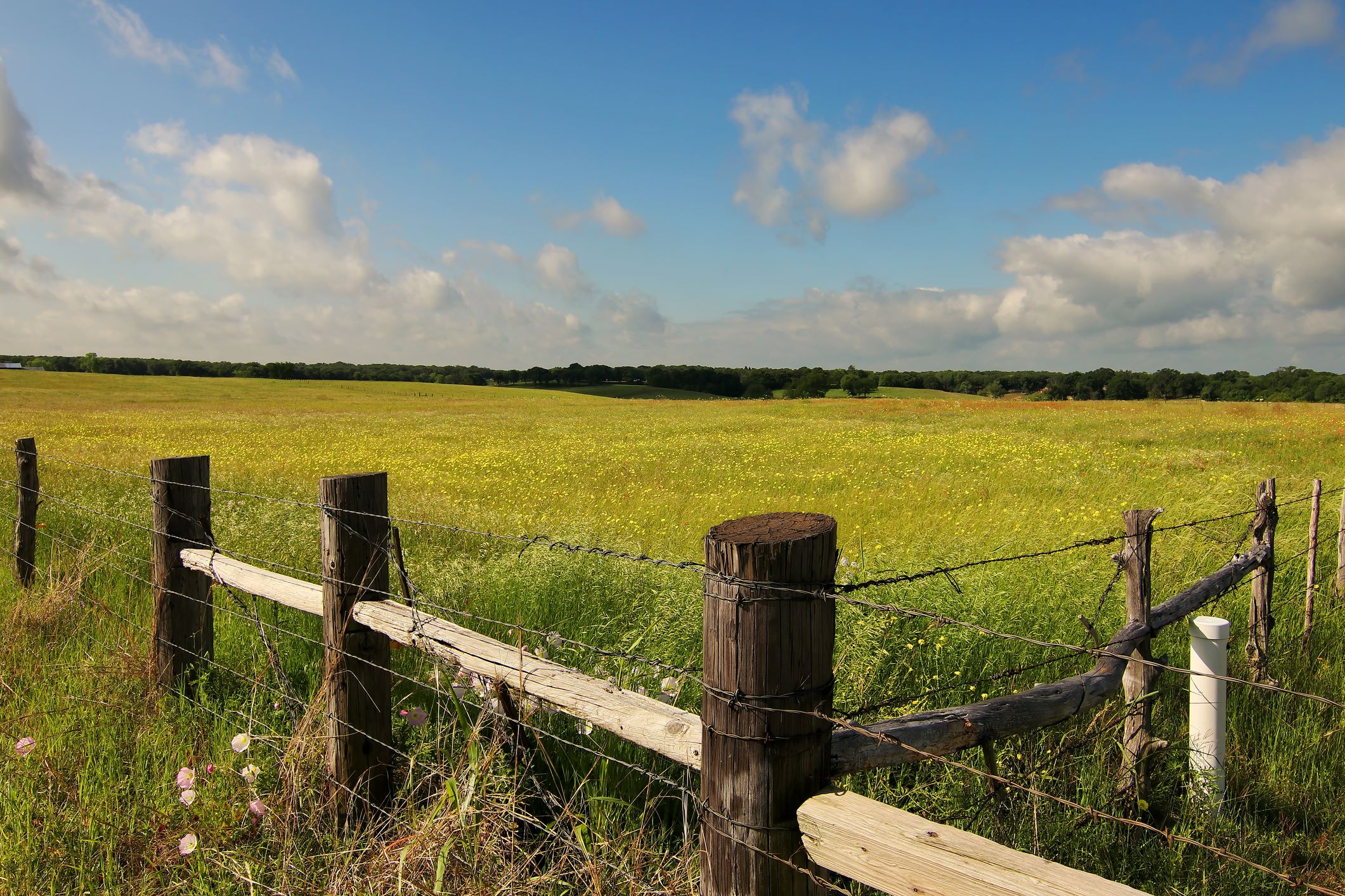
CIA and Permitting Matrix for BESS
ESE completed a CIA and Permit Matrix for two alternate locations near the Gulf Coast along with alternative Transmission Line routes to help the client determine the best option for building a new BESS facility.
Webb County Solar Site
ESE conducted wetland delineations, threatened and endangered species habitat evaluations, Phase I Environmental Site Assessment, Phase II Environmental Site Assessment, and oversaw cultural resources studies for a purposed 3,925-acre utility-scale solar installation in South Texas.
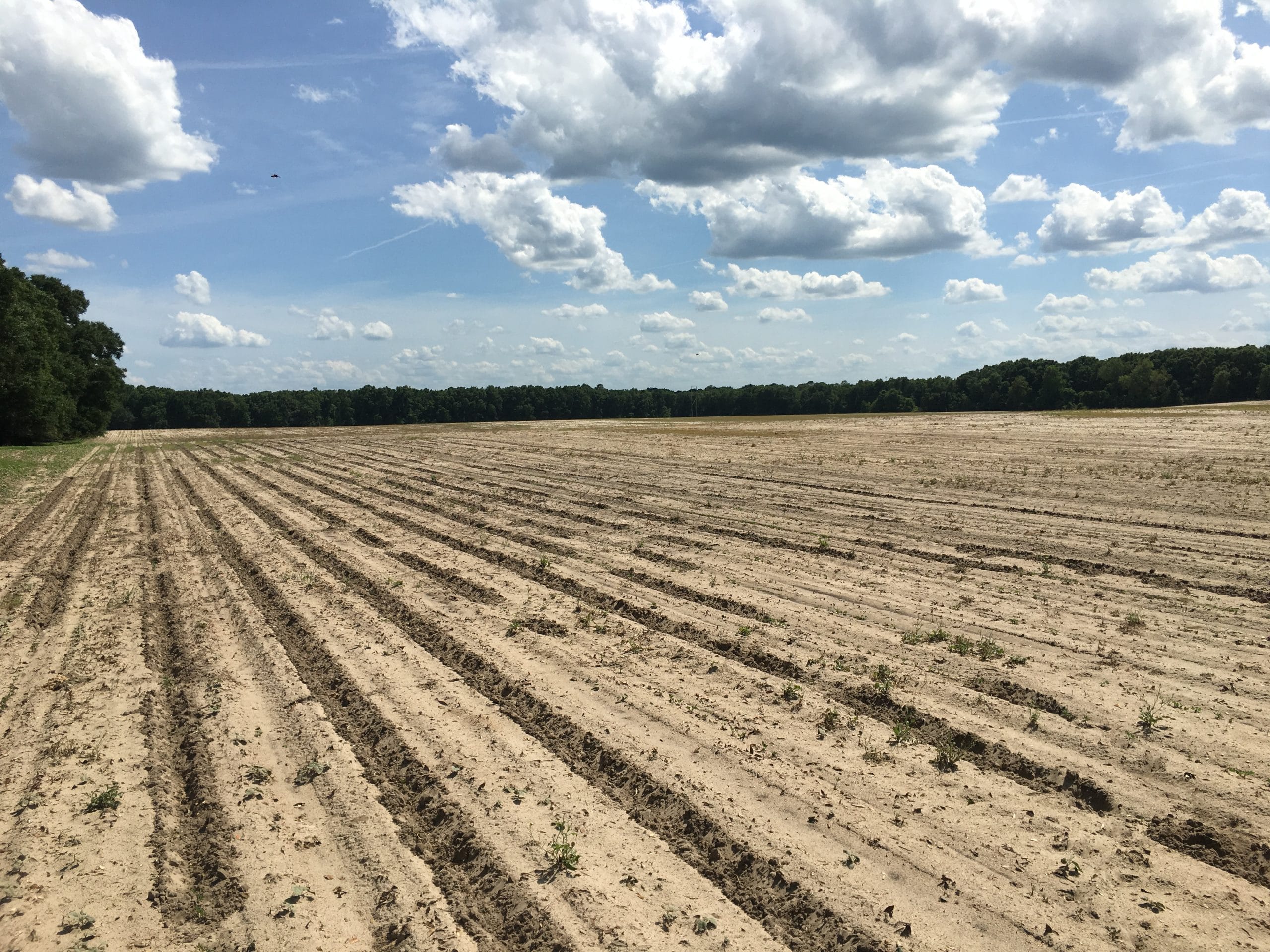
Large Scale Solar Site in Columbia County, Florida
ESE conducted a Phase I Environmental Site Assessment (ESA) for a proposed large-scale solar installation in Columbia County, Florida.
Frequently Asked Questions About Site Characterization Studies
What is a Site Characterization Study (SCS)?
A Site Characterization Study (SCS) is a targeted environmental investigation designed to confirm whether contamination is present and, if so, define the nature and extent (horizontal/vertical) and the likely exposure pathways (e.g., direct contact, vapor intrusion, groundwater migration). SCS commonly includes intrusive fieldwork (borings, monitoring wells), sampling (soil/groundwater/soil vapor), and a reporting package that supports next-step decisions such as redevelopment design, lender comfort, or regulatory strategy. Unlike a Phase I ESA, an SCS is not a single ASTM “standard product” — it is a tailored scope based on site history, affected media, and the decisions the client needs to make.
When do I need a Site Characterization Study?
You’ll typically need an SCS when a Phase I ESA identifies Recognized Environmental Conditions (RECs) and stakeholders need confirmation and delineation before closing or development, when lenders/investors require subsurface data to quantify liability and establish conditions to close (escrows, price adjustments, indemnities), when brownfield or infill redevelopment needs clarity on soil handling, groundwater management, and construction risk, when industrial/fleet/warehouse properties have likely release mechanisms (USTs, ASTs, degreasers, hydraulic oils, chemical storage), when regulatory programs require investigation data to support risk-based decisions and remedy selection, or when vapor intrusion questions exist due to historical VOC use (e.g., dry cleaners, manufacturing solvents) and project teams need soil vapor/sub-slab clarity.
What are the risks of skipping or under-scoping an SCS?
Skipping or under-scoping an SCS can create post-close liability surprises (unbudgeted remediation, vapor mitigation, or groundwater management costs), deal delays and retrades (data gaps that trigger lender hold-ups, increased escrows, or re-negotiated pricing), construction disruptions (unexpected impacted soil, dewatering constraints, or disposal profiles that blow schedules), and regulatory exposure (inadequate characterization that can lead to re-work, additional rounds of sampling, and extended timelines).
What does ESE Partners' Site Characterization Study process look like?
ESE Partners develops deal-focused scopes around the decision clients need to make — whether that’s closing, building, financing, or remediating — rather than defaulting to a generic drilling program, right-sizing each investigation to collect enough data to reduce uncertainty and support action without unnecessary sampling or overcalling risk. The process includes: defining the decision and data needs (aligning with client/lender/attorney requirements, schedule, and target confidence level); developing a Conceptual Site Model (CSM) and work plan (identifying likely sources, release mechanisms, migration routes, and receptors); utility clearance and access coordination; field investigation (soil borings/test pits, groundwater monitoring wells, soil vapor probes, indoor air/sub-slab as needed); laboratory analysis and QA/QC review (confirming usability of data for the intended decision); interpretation and reporting (nature/extent, pathway evaluation, and practical next steps); and strategy and next steps (risk evaluation, remediation planning, construction management measures, or regulatory engagement — based on what the data actually says). In Texas, these studies often support TCEQ risk-based evaluation and cleanup expectations and may align with EPA sampling and site characterization best practices.