What Is Wetlands & WOTUS Permitting?
Wetlands and WOTUS permitting is the process of determining whether project impacts occur in jurisdictional waters/wetlands and obtaining required authorizations—most commonly from the U.S. Army Corps of Engineers (USACE) under CWA Section 404 for discharges of dredged or fill material into WOTUS.
For certain projects involving navigable waters, USACE may also require authorization under Section 10 of the Rivers and Harbors Act for structures or work in those waters (e.g., crossings, intake/outfall structures, or other in-water work).
Because WOTUS jurisdiction has been in flux following the Supreme Court’s Sackett v. EPA (2023) decision, confirmable jurisdiction and a defensible record are more important than ever—especially for linear utilities and renewable buildouts crossing multiple drainages.
Request Your Wetlands and WOTUS Permit Today
Texas’ most trusted environmental experts – comprehensive by design.
When Is It Required? (Real-World Renewable Energy Triggers)
You may need wetlands/WOTUS permitting when your renewable project includes:
- Access roads and road improvements involving culverts, embankments, or wet crossings (fill).
- Crane pads, laydown yards, and grading that place fill in low areas or wetlands (fill).
- Collection lines and transmission lines requiring trenching, temporary work pads, or permanent fill in/adjacent to WOTUS.
- Substations and interconnect facilities that require pad construction in areas with mapped or field-indicated wetlands/drainages.
- Battery energy storage (BESS) sites with stormwater features that interface with jurisdictional channels (often a screening/coordination need).
- Work in navigable waters (rare for solar/wind, more common for port/industrial power): potential Section 10 authorization.
ESE Partners’ Approach
ESE Partners’ wetland and WOTUS permitting support is built for transactions and fast-moving construction windows. We screen for fatal flaws early to guide site selection and interconnect routing before engineering is locked. We recommend practical impact avoidance and minimization to reduce permitting level, mitigation cost, and schedule risk. Our permitting strategy aligns design with the right U.S. Army Corps of Engineers (USACE) pathway, Nationwide or Individual. We bring a Texas-first perspective and scalable nationwide delivery for multi-site portfolios and linear projects. We also provide clear, lender-ready documentation for diligence packages and investment committees.
Our Process
- Desktop screening & constraints mapping (wetlands, streams, floodplain indicators, prior jurisdictional records).
- Field wetland/waters delineation (data collection and mapping for project planning).
- Jurisdictional strategy under the current WOTUS framework (what is likely federal, what may be state-only).
- Impact quantification (temporary vs. permanent, aquatic resource types, construction methods).
- Permit pathway selection
- Nationwide Permit (NWP) evaluation when impacts may be minimal.
- Individual Permit support when impacts, controversy, or resource sensitivity drive a higher level of review.
- Agency coordination & submittals (USACE, and where applicable: EPA/404(b)(1) considerations and state coordination).
- Mitigation strategy (avoid/minimize first; then mitigation planning when unavoidable).
- Construction compliance support (special conditions, monitoring, documentation to close out permits cleanly).
Regulatory Framework (What Actually Governs)
Key federal elements typically include Clean Water Act Section 404, which requires permits for discharges of dredged or fill material into waters of the United States (WOTUS). The U.S. Army Corps of Engineers (USACE) administers it, with EPA playing a role in the overall program. USACE Nationwide Permits (NWPs) are general permits for certain activities with minimal impacts, and they can apply to activities requiring Section 404 authorization, Section 10 authorization, or both. Rivers and Harbors Act Section 10 applies to certain work and structures in navigable waters of the United States. The WOTUS definition has also been updated since the Supreme Court’s Sackett decision, and the agencies have continued rulemaking and updates intended to align implementation with Sackett and provide regulatory clarity.
A practical note for renewable developers: federal jurisdiction may be narrower than in prior years in some landscapes, but that does not eliminate permitting needs where jurisdiction remains. State and local aquatic resource requirements, along with drainage and floodplain constraints, can also still affect constructability.
Risks of Not Completing This Service
Skipping or delaying wetlands/WOTUS work can create immediate deal and build risks:
- Redesign late in engineering (reroutes, structure changes, constructability impacts).
- Permitting delays that miss interconnection or energization windows.
- Enforcement exposure if fill occurs before authorization under CWA Section 404 and/or Section 10.
- Unexpected mitigation costs and land control needs.
- Financing friction: lenders/investors typically expect clear permitting pathway and quantified impacts during diligence.
More Renewable Energy Services
Regulatory & Planning Documentation
We produce the analyses and federal documentation that keep projects defensible and on schedule.
- NEPA Environmental Assessments and Categorical Exclusions
- Critical Issues Analyses (CIA)
- Site Characterization Studies (SCS)
- Environmental Evaluation Studies
Due Diligence
Early-stage environmental risk identification protects deal value and prevents costly surprises during financing or construction.
- Phase I Environmental Site Assessments
- Environmental Audits
- Transaction Screenings
- Risk Assessments
- Corridor Assessments
Industries We Serve
ESE operates in a wide range of industries, all with unique needs and regulatory obligations. We offer experts who understand the broad complexity of environmental challenges faced by today’s businesses.

Real Estate Brokers & Developers
ESE helps brokers and developers reduce deal friction and avoid surprises through fast, defensible environmental due diligence. We support property evaluations, redevelopment risk screening, and transaction-ready reporting for Texas assets.

Private Equity/Capital Investors
Transaction support for acquisitions and portfolio oversight, including Phase I/II ESAs and risk-based evaluation. We provide clear findings, practical recommendations, and scalable diligence support.

Financial Institutions
ESE supports lender-driven environmental due diligence and portfolio risk management, including Phase I/II ESAs and risk screening. We deliver consistent, defensible reporting aligned with credit and closing timelines.

Attorneys
Technical support for environmental risk, liability evaluation, and regulatory strategy. We provide clear documentation and expert collaboration to support transactions, compliance matters, and remediation planning.
Why ESE Partners
Texas’ Most Trusted Environmental Experts – Comprehensive by Design
ESE Partners delivers wetland and WOTUS permitting with the responsiveness renewable projects demand. Texas’ Most Trusted Environmental Experts – Comprehensive by Design. We offer full-service environmental support, including due diligence, permitting, compliance, remediation, and building sciences under one roof. Our teams understand engineering, procurement, and construction (EPC) sequencing and constructability, and they apply that knowledge to mapping and paperwork. Our delivery scales for multi-county Texas portfolios and multi-state buildouts. We also communicate clearly with brokers, counsel, lenders, and investment committees.
Need to know whether wetlands/WOTUS will hit your renewable project’s schedule or capex?
Talk to ESE Partners today—we’ll confirm the likely permitting path and provide a clear scope and timeline to keep your deal moving.
Our Renewable Energy Projects
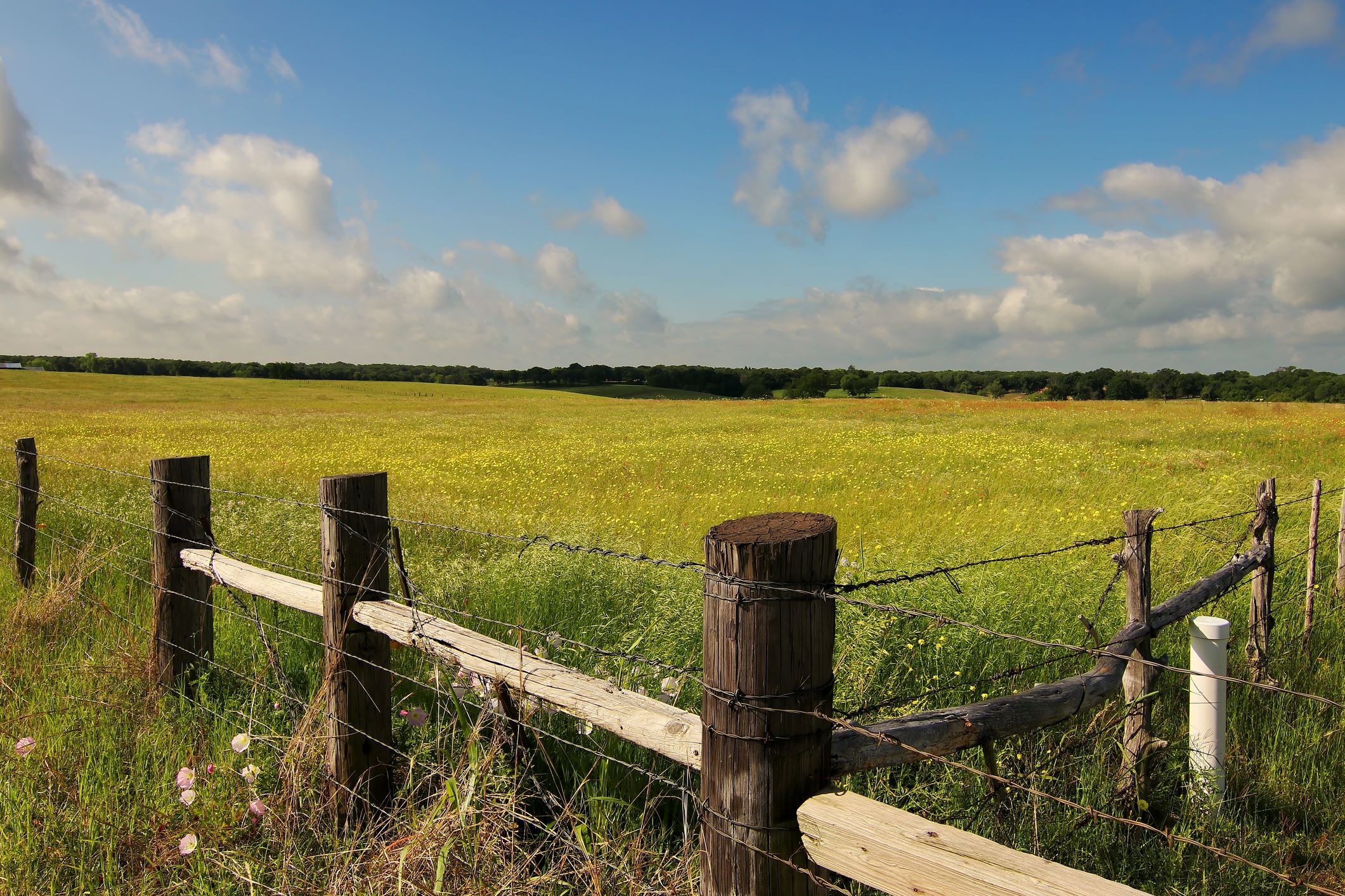
CIA and Permitting Matrix for BESS
ESE completed a CIA and Permit Matrix for two alternate locations near the Gulf Coast along with alternative Transmission Line routes to help the client determine the best option for building a new BESS facility.
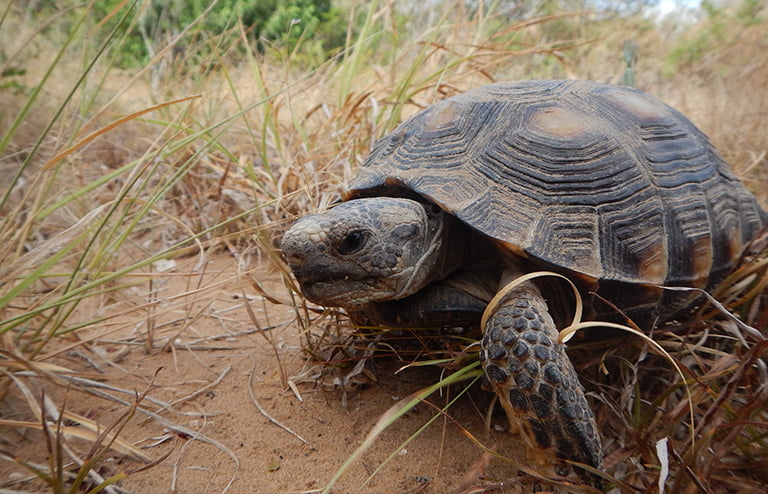
Webb County Solar Site
ESE conducted wetland delineations, threatened and endangered species habitat evaluations, Phase I Environmental Site Assessment, Phase II Environmental Site Assessment, and oversaw cultural resources studies for a purposed 3,925-acre utility-scale solar installation in South Texas.
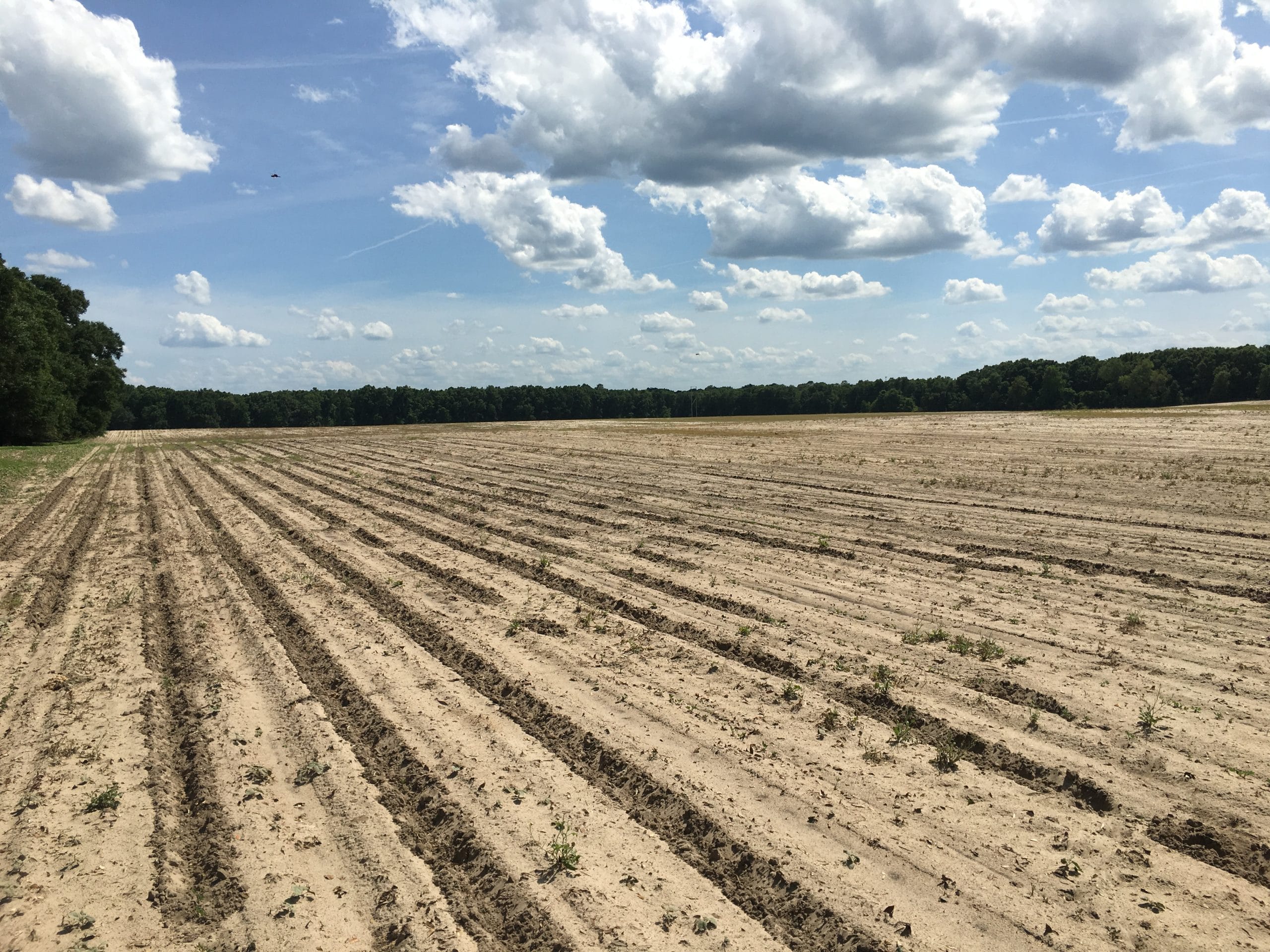
Large Scale Solar Site in Columbia County, Florida
ESE conducted a Phase I Environmental Site Assessment (ESA) for a proposed large-scale solar installation in Columbia County, Florida.
Frequently Asked Questions About Wetlands and WOTUS Permitting
What is wetlands and WOTUS permitting?
Wetlands and Waters of the U.S. (WOTUS) permitting is the process of determining whether project impacts occur in jurisdictional waters and wetlands and obtaining the required authorizations, most commonly from the U.S. Army Corps of Engineers (USACE) under Clean Water Act (CWA) Section 404 for discharges of dredged or fill material into WOTUS. For certain projects involving navigable waters, USACE may also require authorization under Section 10 of the Rivers and Harbors Act for structures or work in those waters, such as crossings, intake or outfall structures, or other in-water work. WOTUS jurisdiction has been in flux since the Supreme Court’s Sackett v. EPA (2023) decision, so confirming jurisdiction and keeping a defensible record are essential, especially for linear utilities and renewable buildouts that cross multiple drainages. Federal jurisdiction may be narrower in some landscapes, but that does not eliminate permitting needs where jurisdiction remains, or state and local aquatic resource requirements.
When is wetlands and WOTUS permitting required for a renewable energy project?
You may need wetlands and WOTUS permitting when your project includes access roads and road improvements involving culverts, embankments, or wet crossings. Crane pads, laydown yards, and grading that place fill in low areas or wetlands also trigger it, as do collection and transmission lines requiring trenching, temporary work pads, or permanent fill in or adjacent to WOTUS. Substations and interconnect facilities with pads in areas with mapped or field-indicated wetlands or drainages can trigger it too. Battery energy storage system (BESS) sites with stormwater features that interface with jurisdictional channels often need screening and coordination. Work in navigable waters, which is rare for solar and wind but more common for port and industrial power, may require Section 10 authorization.
What are the risks of skipping or delaying wetlands and WOTUS work?
Skipping or delaying the work can force redesign late in engineering, including reroutes, structure changes, and constructability impacts. Permitting delays can miss interconnection or energization windows, and enforcement exposure follows if fill occurs before authorization under Section 404 or Section 10. Projects can also face unexpected mitigation costs and land control needs, and financing friction when lenders and investors, who typically expect a clear permitting pathway and quantified impacts during diligence, don’t get them.
What does ESE Partners’ wetlands and WOTUS permitting process look like?
ESE Partners starts with desktop screening and constraints mapping of wetlands, streams, floodplain indicators, and prior jurisdictional records, followed by field delineation that collects data and maps features for project planning. We develop a jurisdictional strategy under the current WOTUS framework, identifying what is likely federal and what may be state-only, and quantify impacts by temporary versus permanent, aquatic resource type, and construction method. For permit pathway selection, we evaluate a Nationwide Permit (NWP) when impacts may be minimal and support an Individual Permit when impacts, controversy, or resource sensitivity drive a higher level of review. We handle agency coordination and submittals with USACE, including EPA’s Section 404(b)(1) considerations and state coordination where applicable, and develop mitigation strategy that avoids and minimizes first, then plans mitigation for unavoidable impacts. Construction compliance support covers special conditions, monitoring, and documentation to close out permits cleanly.