What Is Compliance Auditing & Permitting?
Compliance auditing is a systematic review of your facility’s or project’s environmental obligations to verify you’re meeting applicable requirements, identify gaps before regulators do, and prioritize fixes based on risk and business impact.
Environmental permitting is the process of determining what authorizations are required (or advisable) and preparing technically defensible applications and support documentation for agencies such as the Texas Commission on Environmental Quality (TCEQ) and the U.S. Environmental Protection Agency (EPA).
In Texas, many air authorizations fall under the state implementation plan (SIP) framework that EPA approves for Clean Air Act implementation.
Request Your Compliance Auditing & Permitting Services Today
Texas’ most trusted environmental experts – comprehensive by design.
When Is It Required?
You typically need compliance auditing and/or permitting support when:
- Buying, selling, or refinancing an industrial or commercial asset and you want to avoid post-close surprises (e.g., permit gaps, enforcement exposure)
- You’re constructing or modifying equipment that may trigger air authorizations (e.g., NSR applicability, standard permits, permits by rule) or operating permit updates
- A lender, investor, or counsel requests compliance verification as part of environmental due diligence
- You’ve had a notice of violation, inspection, complaint, or agency inquiry and need to rapidly assess exposure and corrective actions
- You’re preparing for routine inspections and want an “inspection-ready” documentation system (records, logs, certifications)
- You’re scaling operations and need a management system to keep multi-site compliance consistent across Texas metros (Houston, DFW, Austin, San Antonio)
ESE Partners’ Approach (Built for Deal Velocity and Operational Reality)
ESE Partners delivers compliance auditing and permitting the way operators and deal teams actually need it: fast, scoped, and decision-oriented. Our team focuses on what changes outcomes, including risk ranking, critical-path permits, and defensible documentation. With Texas-first regulatory fluency, we bring deep experience navigating TCEQ expectations and permit structures across sectors. We avoid overcalling by distinguishing documentation cleanup from true noncompliance and recommending realistic, phased corrective actions. ESE also communicates clearly, providing executive summaries for leadership and detailed action registers for EHS and operations teams. From applicability and strategy through application preparation, agency Q&A, and post-issuance compliance setup, we provide end-to-end support that keeps compliance practical and aligned with business needs.
Our Process
- Scoping & data request (rapid): Define programs (air/water/waste), sites, and business drivers; issue a targeted records request.
- Applicability & gap analysis: Identify required permits/authorizations and the operational conditions that drive obligations.
- Field verification (as needed): Confirm equipment lists, emission units, controls, discharge points, waste streams, and operating practices.
- Audit findings + risk ranking: Deliver prioritized findings with “fix-now vs. fix-next” recommendations.
- Permitting strategy: Determine best authorization path and schedule impacts; align with project timeline.
- Application development & submittal: Prepare forms, narratives, calculations, and technical support; coordinate internal sign-off.
- Agency interface: Manage questions, supplemental responses, and revisions to keep reviews moving.
- Compliance sustainment: Build inspection-ready binders/systems, reporting calendars, and training support.
Regulatory Framework
Depending on your operations, compliance auditing and permitting may involve Clean Air Act permitting concepts implemented through Texas’ EPA-approved State Implementation Plan (SIP) structure, as well as Texas SIP provisions incorporated into federal regulations under 40 CFR Part 52. In Texas, many projects also involve TCEQ air authorization pathways such as New Source Review permits, standard permits, or permits by rule. Site-specific permits and requirements related to water, waste, storage tanks, and reporting may also apply depending on the facility and activities. Because exact requirements vary by source category, emissions, location, throughput, control devices, and operational limits, ESE confirms applicability before recommending a permitting or compliance path.
Risks of Not Completing This Service
Skipping or delaying compliance auditing and permitting can create:
- Deal delays and retrades when lenders or buyers uncover permit gaps late in diligence
- Operational constraints (shutdown risk, constrained production) if authorizations don’t match actual operations
- Enforcement exposure from missing permits, exceeded limits, inadequate monitoring, or incomplete recordkeeping
- Costly rework when an initial permit strategy doesn’t fit the project schedule or equipment configuration
More Environmental Compliance Services

Air Compliance
As an environmental compliance company, ESE Partners provides numerous air compliance services to the oil & gas, energy, chemical, and manufacturing market sectors. Our air expertise includes air permitting (Permits by Rule, Standard Permits, New Source Review, Title V Permits), air dispersion modeling, onsite auditing and inspections, federal and state regulatory analysis, emissions inventory, GHG analysis, and deviation and periodic reporting.

Water Compliance
ESE’s water compliance capabilities include industrial and construction stormwater permitting, stormwater pollution prevention plan (SWPPP) preparation, SPCC planning, FRPs, RMPs, Tier II reporting, TRI reporting, AST/UST registration/permitting, wastewater permitting and reporting, onsite inspections and compliance audits, drinking water assessments, wetlands determinations, and water sourcing/acquisition planning. Our environmental compliance services keep your facilities in line with state and federal regulations.
Industries We Serve
ESE operates in a wide range of industries, all with unique needs and regulatory obligations. We offer experts who understand the broad complexity of environmental challenges faced by today’s businesses.

Oil & Gas Operators
Environmental consulting for upstream, midstream, and downstream operations—due diligence, compliance support, and remediation strategy. ESE helps operators manage regulatory risk and maintain operational continuity in Texas.

Telecom & Data Center Developers
ESE supports telecom and data center development with due diligence, permitting support, and construction-phase compliance. We help teams identify environmental constraints early, manage site risk, and keep schedules intact.

Land Development & Redevelopment
ESE supports developers with site screening, Phase I/II ESAs, and remediation planning for redevelopment and infill projects. We help identify constraints early and reduce delays during entitlement and construction.
Why ESE Partners
Texas’ Most Trusted Environmental Experts – Comprehensive by Design
Clients choose ESE Partners because we bring Texas-wide delivery for multi-site portfolios, complex facilities, and fast-moving projects. Our integrated capabilities extend beyond permitting to include environmental due diligence, remediation support, compliance programs, and building sciences, allowing clients to manage related environmental needs through one coordinated partner. ESE provides operator-minded solutions that stand up to agency scrutiny without creating unnecessary burden for day-to-day operations. Our responsive teams keep lenders, counsel, owners, operators, and project stakeholders aligned with clear communication, practical recommendations, and defensible documentation.
Need to confirm permit applicability, clean up compliance risk, or keep a project moving?
Contact ESE Partners today to get a scoped proposal within 24 hours for compliance auditing & permitting support across Houston, Dallas–Fort Worth, Austin, San Antonio, and statewide Texas.
Our Environmental Compliance Projects

Construction SWPPP: Restaurant in Central Texas
ESE Partners developed a comprehensive Construction Storm Water Pollution Prevention Plan (SWPPP) to support construction of a new located in Central Texas.
EHS Compliance Support, Air Permitting, and SPCC Plans
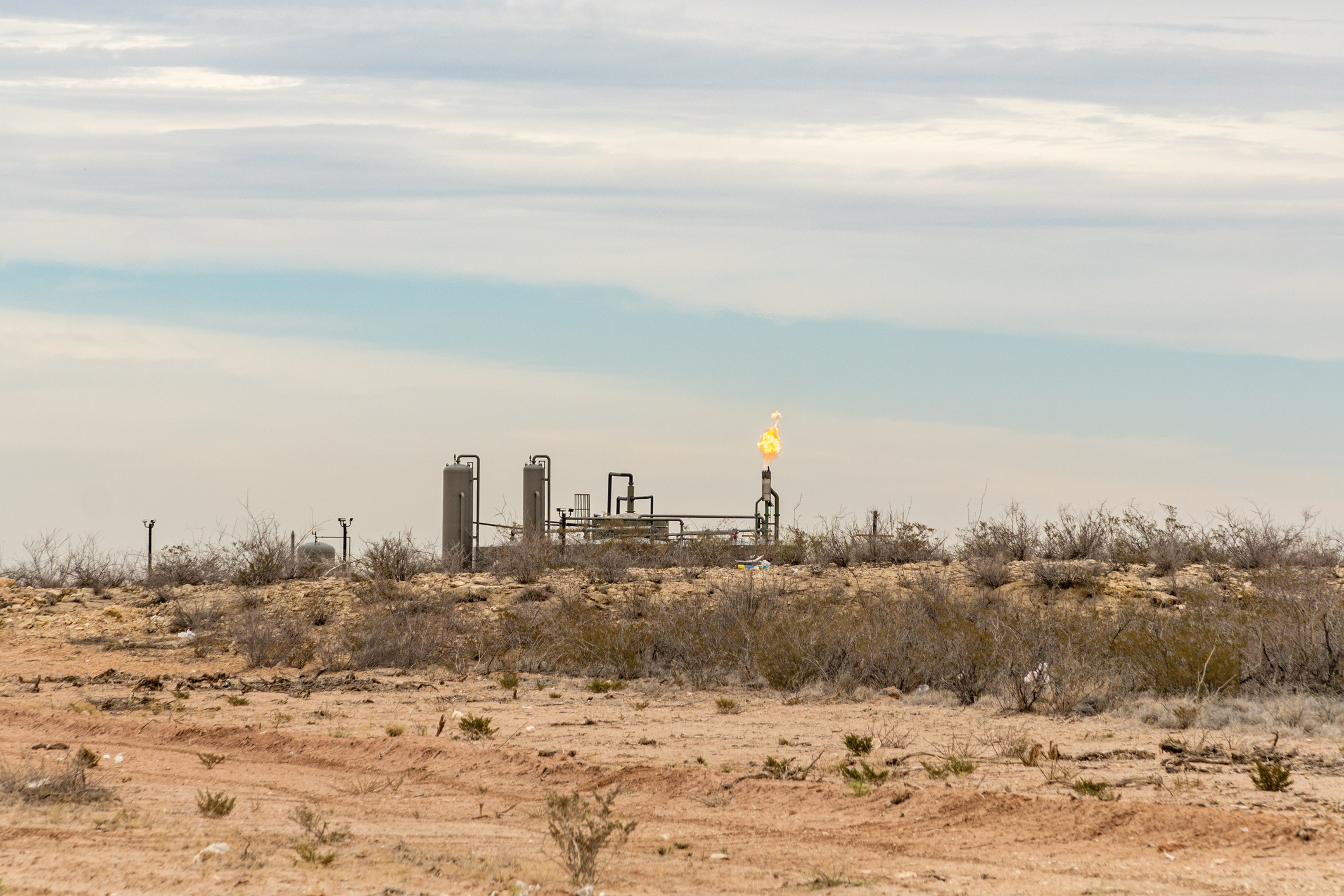
ESE Partners conducted comprehensive environmental compliance services for multiple facilities located in South Texas, including Spill Prevention, Control, and Countermeasure (SPCC) plan development and air permitting support.
Efficient Air Permitting for New Transfer Operations
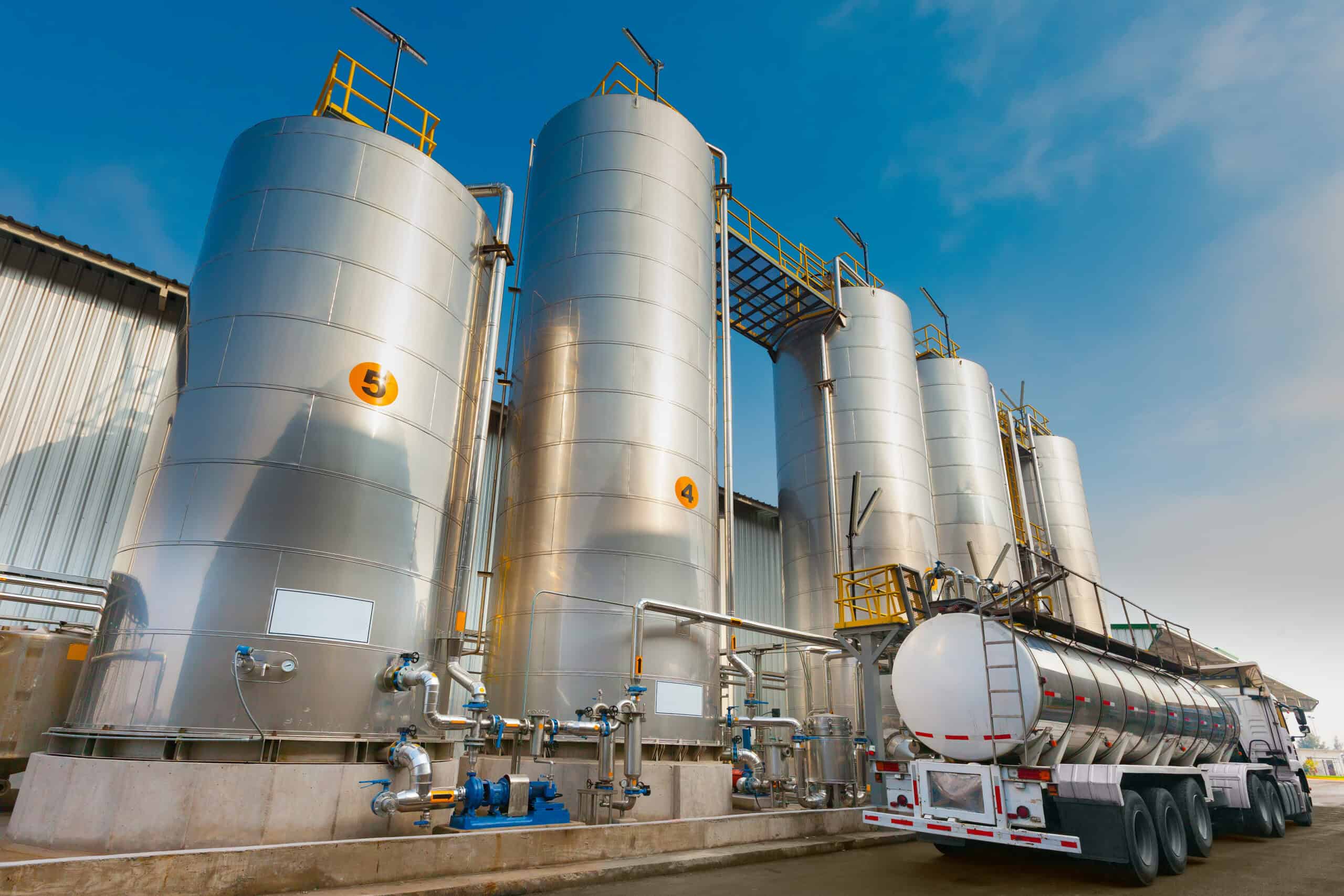
A bulk liquid storage and transfer operator sought to launch a new ethanol transloading operation involving rail-to-truck transfers using closed-loop loading.
Frequently Asked Questions About Compliance Auditing & Permitting
What is compliance auditing and environmental permitting?
Compliance auditing is a systematic review of your facility’s or project’s environmental obligations to verify you’re meeting applicable requirements, identify gaps before regulators do, and prioritize fixes based on risk and business impact. Environmental permitting is the process of determining what authorizations are required (or advisable) and preparing technically defensible applications and support documentation for agencies such as the Texas Commission on Environmental Quality (TCEQ) and the U.S. Environmental Protection Agency (EPA). In Texas, many air authorizations fall under the state implementation plan (SIP) framework that EPA approves for Clean Air Act implementation. Keeping a project on schedule — and protecting enterprise value — often comes down to two things: permit certainty and inspection-ready compliance.
When do I need compliance auditing and/or permitting support?
You typically need compliance auditing and/or permitting support when buying, selling, or refinancing an industrial or commercial asset and you want to avoid post-close surprises (e.g., permit gaps, enforcement exposure), when you’re constructing or modifying equipment that may trigger air authorizations (e.g., NSR applicability, standard permits, permits by rule) or operating permit updates, when a lender, investor, or counsel requests compliance verification as part of environmental due diligence, when you’ve had a notice of violation, inspection, complaint, or agency inquiry and need to rapidly assess exposure and corrective actions, when you’re preparing for routine inspections and want an “inspection-ready” documentation system (records, logs, certifications), or when you’re scaling operations and need a management system to keep multi-site compliance consistent across Texas metros.
What are the risks of skipping or delaying compliance auditing and permitting?
Skipping or delaying compliance auditing and permitting can create deal delays and retrades (when lenders or buyers uncover permit gaps late in diligence), operational constraints (shutdown risk, constrained production if authorizations don’t match actual operations), enforcement exposure (from missing permits, exceeded limits, inadequate monitoring, or incomplete recordkeeping), and costly rework (when an initial permit strategy doesn’t fit the project schedule or equipment configuration).
What does ESE Partners' compliance auditing and permitting process look like?
ESE Partners delivers compliance auditing and permitting the way operators and deal teams actually need it — fast, scoped, and decision-oriented — focusing on what changes outcomes (risk ranking, critical-path permits, and defensible documentation), avoiding overcalling by distinguishing documentation cleanup from true noncompliance, and communicating clearly with executive summaries for leadership and detailed action registers for EHS and operations teams. The process includes: rapid scoping and data request (defining programs — air/water/waste, sites, and business drivers; issuing a targeted records request); applicability and gap analysis (identifying required permits/authorizations and operational conditions that drive obligations); field verification as needed (confirming equipment lists, emission units, controls, discharge points, waste streams, and operating practices); audit findings and risk ranking (prioritized findings with “fix-now vs. fix-next” recommendations); permitting strategy (determining the best authorization path and schedule impacts); application development and submittal (forms, narratives, calculations, and technical support); agency interface (managing questions, supplemental responses, and revisions); and compliance sustainment (inspection-ready binders/systems, reporting calendars, and training support). Because exact requirements vary by source category, emissions, location, throughput, control devices, and operational limits, ESE confirms applicability before recommending a permitting or compliance path.