What Is GHG Reporting?
GHG reporting is the quantification and disclosure of greenhouse gas emissions—most commonly CO₂, CH₄, N₂O, and other regulated gases—using defined calculation methods, monitoring requirements, and QA/QC.
For many industrial sites, this means reporting to EPA’s GHGRP (40 CFR Part 98), which requires emissions data and related information from large emission sources, fuel and industrial gas suppliers, and CO₂ injection sites.
Request Your GHG Reporting Services Today
Texas’ most trusted environmental experts – comprehensive by design.
When Is It Required?
You may need GHG reporting support when any of the following apply:
- EPA GHGRP applicability: Your facility is covered under 40 CFR Part 98 (often tied to source category rules and/or emissions thresholds).
- Annual compliance reporting: You must prepare and submit an annual GHG report through EPA’s reporting system.
- M&A/financing/due diligence: Lenders, buyers, and investors request a defensible Scope 1 & 2 inventory (and sometimes Scope 3 screening) aligned with recognized accounting frameworks.
- Permit and regulatory strategy: Air permitting and operational changes require reliable emissions baselines and documentation.
- ESG/sustainability claims: You need verification-ready calculations to support internal dashboards or public reporting (without over-claiming reductions).
Important timing note (Reporting Year 2025): EPA extended the GHGRP reporting deadline from March 31, 2026 to October 30, 2026 for that reporting year.
ESE Partners’ Approach
Comprehensive by Design means we align compliance reporting, operational reality, and transaction needs, so you get usable outputs. We start with applicability to avoid wasted effort, confirming which subparts of 40 CFR Part 98 apply, what data is required, and where monitoring gaps exist. Our calculations apply the appropriate Part 98 calculation routes and documentation practices, so your report is defensible during audits and internal reviews. We support multi-site Texas portfolios across Houston, Dallas–Fort Worth, Austin, and San Antonio with consistent methods and centralized QA/QC. We communicate at deal speed, with clear assumptions, transparent calculations, and quick turnaround for lenders, counsel, and internal stakeholders.
Our Process
- Applicability & boundary confirmation (facility definition, source categories/subparts, reporting obligations)
- Data request + gap analysis (fuel use, monitoring data, production, meter records, supplier data)
- Emissions calculations (by subpart/source; reconcile to operational data)
- QA/QC + management review (reasonableness checks; variance explanations; audit-ready files)
- Report preparation & submittal support (formatting, validations, and submission workflow)
- Post-submittal readiness (recordkeeping package, internal SOPs, improvement plan for next year)
Regulatory Framework
Key regulatory and program drivers we align to include the EPA Greenhouse Gas Reporting Program (GHGRP) under 40 CFR Part 98, the core federal rule defining who reports and how emissions are calculated and submitted. Annual deadline requirements also apply, as updated. For Reporting Year 2025, EPA extended the deadline to October 30, 2026.
If you also need voluntary corporate inventories, we can structure those alongside Part 98 to avoid double work while keeping compliance and ESG numbers clearly separated.
Risks of Not Completing This Service
Not managing GHG reporting correctly can create:
- Compliance exposure: Late, incomplete, or inconsistent reporting increases enforcement and audit risk.
- Deal delays: Buyers/lenders may pause diligence when emissions data can’t be supported with documentation.
- Costly rework: Data gaps discovered late force scramble-mode corrections.
- Reputational risk: Unsupported emissions claims can create internal governance issues and external scrutiny.
More Environmental Compliance Services

Air Compliance
As an environmental compliance company, ESE Partners provides numerous air compliance services to the oil & gas, energy, chemical, and manufacturing market sectors. Our air expertise includes air permitting (Permits by Rule, Standard Permits, New Source Review, Title V Permits), air dispersion modeling, onsite auditing and inspections, federal and state regulatory analysis, emissions inventory, GHG analysis, and deviation and periodic reporting.

Water Compliance
ESE’s water compliance capabilities include industrial and construction stormwater permitting, stormwater pollution prevention plan (SWPPP) preparation, SPCC planning, FRPs, RMPs, Tier II reporting, TRI reporting, AST/UST registration/permitting, wastewater permitting and reporting, onsite inspections and compliance audits, drinking water assessments, wetlands determinations, and water sourcing/acquisition planning. Our environmental compliance services keep your facilities in line with state and federal regulations.
Industries We Serve
ESE operates in a wide range of industries, all with unique needs and regulatory obligations. We offer experts who understand the broad complexity of environmental challenges faced by today’s businesses.

Oil & Gas Operators
Environmental consulting for upstream, midstream, and downstream operations—due diligence, compliance support, and remediation strategy. ESE helps operators manage regulatory risk and maintain operational continuity in Texas.

Telecom & Data Center Developers
ESE supports telecom and data center development with due diligence, permitting support, and construction-phase compliance. We help teams identify environmental constraints early, manage site risk, and keep schedules intact.

Land Development & Redevelopment
ESE supports developers with site screening, Phase I/II ESAs, and remediation planning for redevelopment and infill projects. We help identify constraints early and reduce delays during entitlement and construction.
Why ESE Partners
Texas clients choose ESE Partners because we combine regulatory-grade work with transaction-grade responsiveness. Our Texas-focused environmental teams understand industrial operations and real-world constraints. We provide end-to-end support across environmental due diligence, air compliance, remediation support, and building sciences. Our delivery scales statewide, for single sites or multi-facility portfolios. We also provide clear, defensible documentation designed for audits, lenders, and counsel.
Brand promise: Texas’ Most Trusted Environmental Experts – Comprehensive by Design.
Need help with GHG reporting for a Texas facility or portfolio?
Contact ESE Partners to confirm applicability, close data gaps, and produce a defensible report that keeps your project—and your deal—moving.
Our Environmental Compliance Projects

Construction SWPPP: Restaurant in Central Texas
ESE Partners developed a comprehensive Construction Storm Water Pollution Prevention Plan (SWPPP) to support construction of a new located in Central Texas.
EHS Compliance Support, Air Permitting, and SPCC Plans
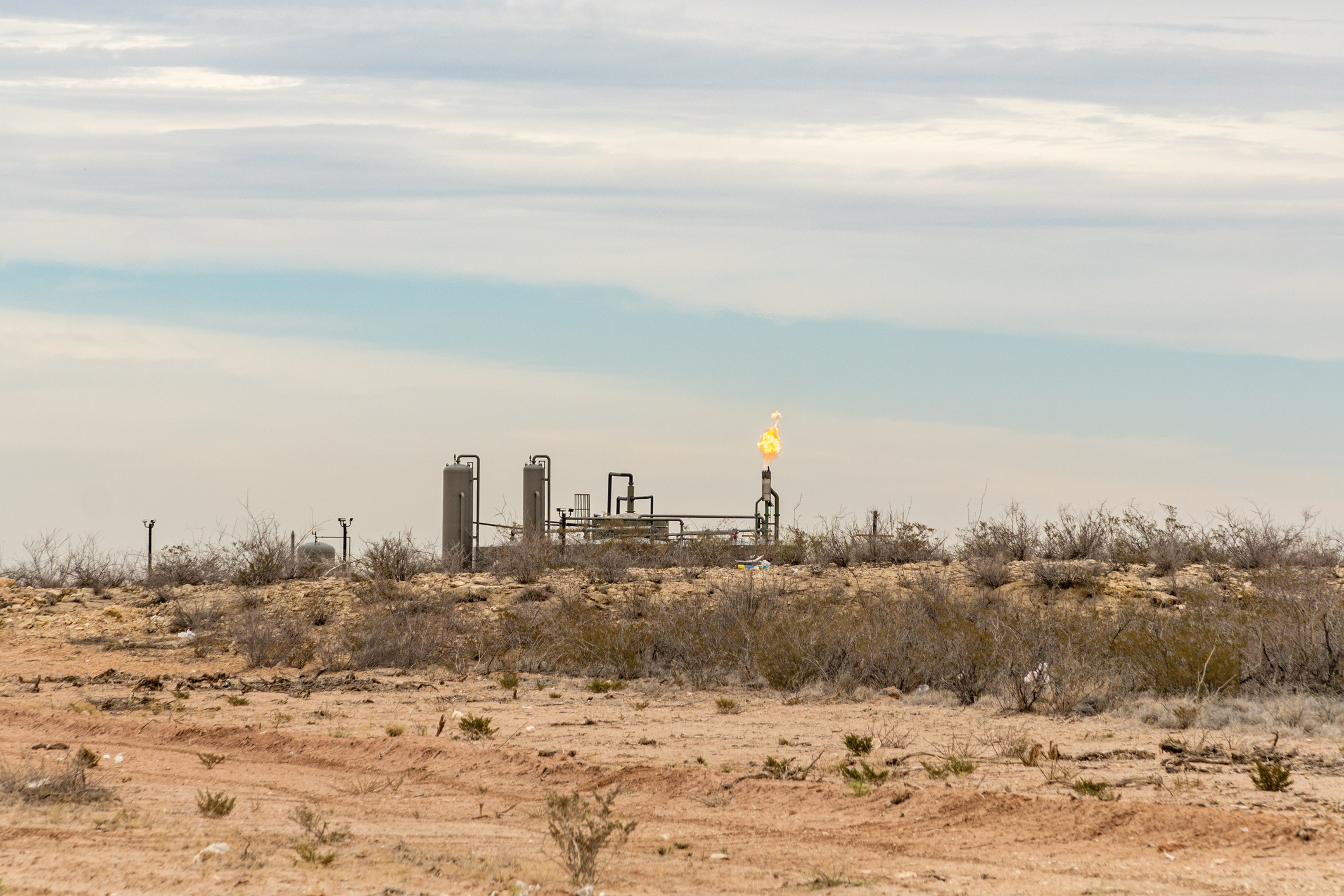
ESE Partners conducted comprehensive environmental compliance services for multiple facilities located in South Texas, including Spill Prevention, Control, and Countermeasure (SPCC) plan development and air permitting support.
Efficient Air Permitting for New Transfer Operations
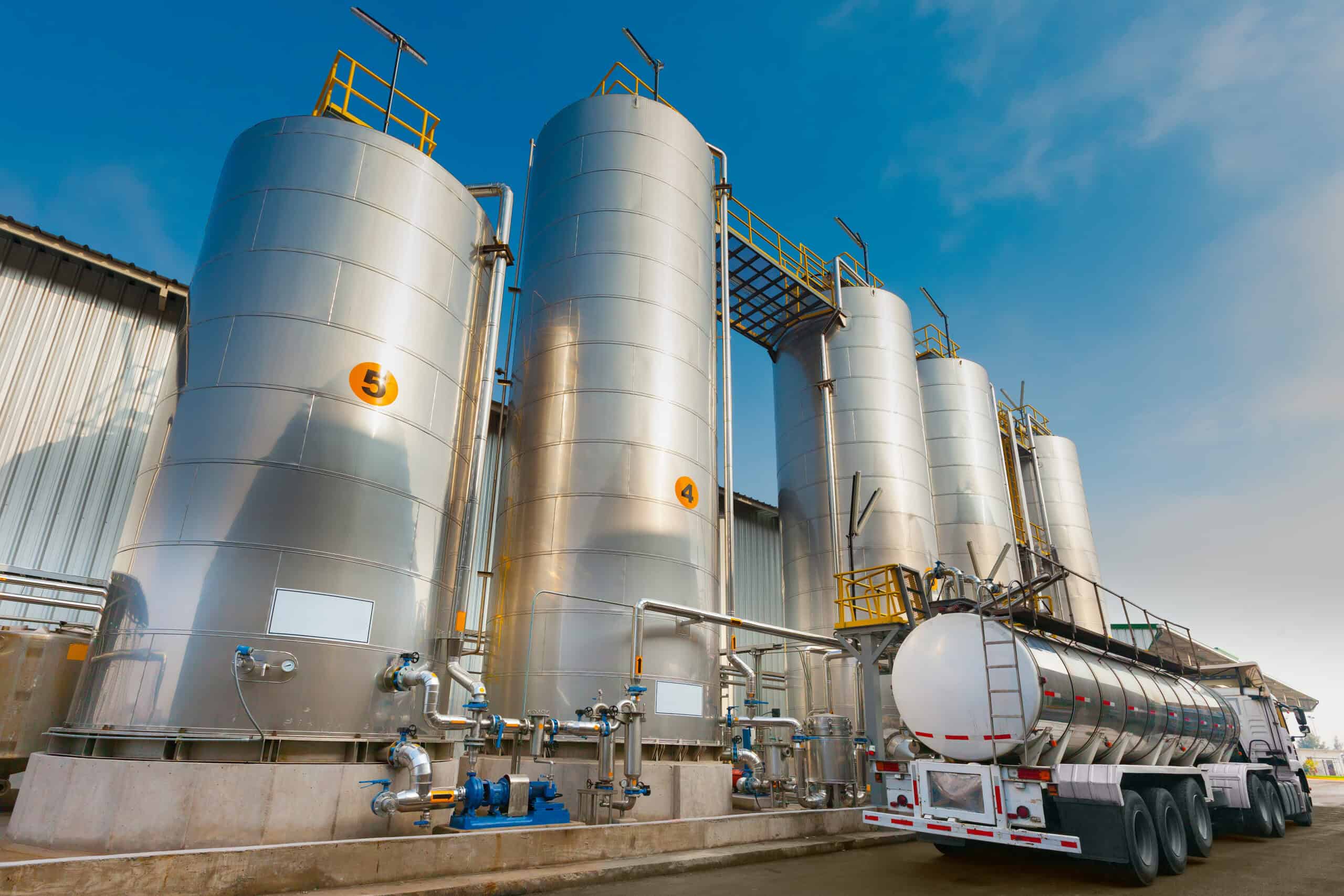
A bulk liquid storage and transfer operator sought to launch a new ethanol transloading operation involving rail-to-truck transfers using closed-loop loading.
Frequently Asked Questions About GHG Reporting
What is greenhouse gas (GHG) reporting?
GHG reporting is the quantification and disclosure of greenhouse gas emissions, most commonly carbon dioxide (CO₂), methane (CH₄), nitrous oxide (N₂O), and other regulated gases, using defined calculation methods, monitoring requirements, and QA/QC. For many industrial sites, this means reporting to EPA’s Greenhouse Gas Reporting Program (GHGRP) under 40 CFR Part 98, which requires emissions data and related information from large emission sources, fuel and industrial gas suppliers, and CO₂ injection sites. Voluntary or investor-driven inventories covering Scope 1, 2, and 3 emissions often run in parallel.
When is GHG reporting required or needed?
You may need GHG reporting support when your facility is covered under 40 CFR Part 98, often tied to source category rules, emissions thresholds, or both, and when you must prepare and submit an annual GHG report through EPA’s reporting system. Lenders, buyers, and investors also request a defensible Scope 1 and 2 inventory, and sometimes Scope 3 screening, during mergers, acquisitions, financing, and due diligence. Air permitting and operational changes require reliable emissions baselines and documentation, and environmental, social, and governance (ESG) and sustainability claims need verification-ready calculations to avoid overclaiming reductions. EPA has extended the Reporting Year 2025 GHGRP deadline more than once, most recently to March 10, 2027, so confirm the current due date before you plan around it.
What are the risks of not managing GHG reporting correctly?
Late, incomplete, or inconsistent reporting increases enforcement and audit risk. Buyers and lenders may pause diligence when emissions data can’t be supported with documentation, and data gaps discovered late force rushed corrections and costly rework. Unsupported emissions claims can also create internal governance issues and external scrutiny.
What does ESE Partners’ GHG reporting process look like?
ESE Partners starts with applicability and boundary confirmation, covering the facility definition, source categories and subparts, and reporting obligations. We then request data and analyze gaps in fuel use, monitoring data, production, meter records, and supplier data, and calculate emissions by subpart and source, reconciling them to operational data. QA/QC and management review include reasonableness checks, variance explanations, and audit-ready files. We prepare the report and support submittal, including formatting, validations, and the submission workflow. After submittal, we provide a recordkeeping package, internal standard operating procedures, and an improvement plan for next year.