What Is Industrial Stormwater Permitting?
Industrial stormwater permitting authorizes the discharge of stormwater associated with industrial activity from your facility to surface waters (and, in certain cases, requires monitoring and reporting). In Texas, the most common pathway is coverage under the MSGP (TXR050000) rather than an individual permit.
At a practical level, “getting permitted” typically means:
- determining whether your site/activities trigger industrial stormwater requirements,
- filing for authorization (when required),
- developing and implementing a Stormwater Pollution Prevention Plan (SWPPP), and
- completing inspections/monitoring and reporting as required by your sector.
Request Your Industrial Stormwater Permitting Services Today
Texas’ most trusted environmental experts – comprehensive by design.
When Is It Required?
You may need industrial stormwater permit coverage if you:
- operate an industrial facility where stormwater can leave the site (outfalls, sheet flow, conveyances) and discharge to surface water in Texas
- have exposed industrial materials/activities that could contact stormwater (storage, loading, processing, waste handling)
- are buying/selling/refinancing a facility and lenders/legal counsel require confirmation of stormwater compliance as part of environmental due diligence
- have a compliance driver such as a TCEQ inspection, a spill/complaint, or a corporate ESG/compliance audit program
ESE Partners’ Approach
ESE Partners helps industrial operators and deal teams build defensible, audit-ready stormwater programs without overcomplicating compliance. Our team provides fast scoping and clear applicability determinations, including whether permit coverage is needed, which industrial sector applies, and what monitoring requirements may be triggered. We develop SWPPPs that reflect actual site operations rather than relying on generic templates that can fail during inspections. Our field-forward compliance approach includes practical BMPs, outfall mapping, and training aligned with how the facility actually operates. ESE also helps manage reporting requirements and deadlines, including electronic reporting expectations under TCEQ programs. With statewide Texas coverage across Houston, Dallas–Fort Worth, Austin, San Antonio, and beyond, we deliver consistent support for both single sites and multi-site portfolios.
Our Process (Industrial Stormwater – MSGP)
- Applicability & sector determination: Confirm industrial activity classification and stormwater exposure pathways.
- Outfall and drainage evaluation: Identify discharge points, runoff direction, and potential pollutant sources.
- SWPPP development / update: Site map, BMPs, spill response, inspection protocols, corrective action procedures.
- Implementation support: BMP deployment, good housekeeping measures, and staff training.
- Inspections + monitoring program setup: Configure required quarterly visual monitoring and any analytical monitoring applicable to your sector.
- Reporting support: Assist with compiling results and meeting electronic reporting expectations (e.g., NetDMR for applicable submittals).
Regulatory Framework (Texas)
Key framework elements for industrial stormwater compliance in Texas commonly include the TCEQ TPDES Multi-Sector General Permit (MSGP), TXR050000, which serves as the primary general permit for many industrial facilities with stormwater discharges associated with industrial activity. Compliance may also involve monitoring and sampling requirements, including quarterly visual monitoring guidance published by TCEQ. For certain analytical monitoring results, facilities may be required to report electronically through NetDMR, with TCEQ communicating specific reporting deadlines by reporting period; for example, certain 2025 calendar-year MSGP monitoring results were due by March 31, 2026, through NetDMR.
Risks of Not Completing This Service
Skipping or mishandling industrial stormwater permitting can create real business exposure:
- Regulatory violations (unpermitted discharge, incomplete SWPPP, missed inspections/monitoring)
- Enforcement risk and operational distractions (site visits, information requests, corrective actions)
- Transaction friction (deal delays, escrow/holdback requests, lender concerns during environmental due diligence)
- Cost escalation (retroactive fixes, rushed sampling, consultant rework, legal review)
More Environmental Compliance Services

Air Compliance
As an environmental compliance company, ESE Partners provides numerous air compliance services to the oil & gas, energy, chemical, and manufacturing market sectors. Our air expertise includes air permitting (Permits by Rule, Standard Permits, New Source Review, Title V Permits), air dispersion modeling, onsite auditing and inspections, federal and state regulatory analysis, emissions inventory, GHG analysis, and deviation and periodic reporting.

Water Compliance
ESE’s water compliance capabilities include industrial and construction stormwater permitting, stormwater pollution prevention plan (SWPPP) preparation, SPCC planning, FRPs, RMPs, Tier II reporting, TRI reporting, AST/UST registration/permitting, wastewater permitting and reporting, onsite inspections and compliance audits, drinking water assessments, wetlands determinations, and water sourcing/acquisition planning. Our environmental compliance services keep your facilities in line with state and federal regulations.
Industries We Serve
ESE operates in a wide range of industries, all with unique needs and regulatory obligations. We offer experts who understand the broad complexity of environmental challenges faced by today’s businesses.

Oil & Gas Operators
Environmental consulting for upstream, midstream, and downstream operations—due diligence, compliance support, and remediation strategy. ESE helps operators manage regulatory risk and maintain operational continuity in Texas.

Telecom & Data Center Developers
ESE supports telecom and data center development with due diligence, permitting support, and construction-phase compliance. We help teams identify environmental constraints early, manage site risk, and keep schedules intact.

Land Development & Redevelopment
ESE supports developers with site screening, Phase I/II ESAs, and remediation planning for redevelopment and infill projects. We help identify constraints early and reduce delays during entitlement and construction.
Why ESE Partners
ESE Partners is built for industrial and deal-driven timelines, providing Texas-first stormwater expertise aligned with TCEQ permitting expectations. Our comprehensive service lines extend beyond industrial stormwater permitting to include environmental due diligence, remediation support, compliance programs, and building sciences, helping owners and operators manage related environmental needs through one coordinated team. We provide responsive communication that keeps owners, operators, lenders, attorneys, and other deal professionals aligned throughout the process. With scalable delivery, ESE supports everything from single facilities to statewide portfolios.
Need industrial stormwater permit coverage (or need to confirm you don’t)?
Talk to ESE Partners today—we’ll scope your industrial stormwater permitting needs quickly and keep your compliance (and your deal) moving.
Our Environmental Compliance Projects
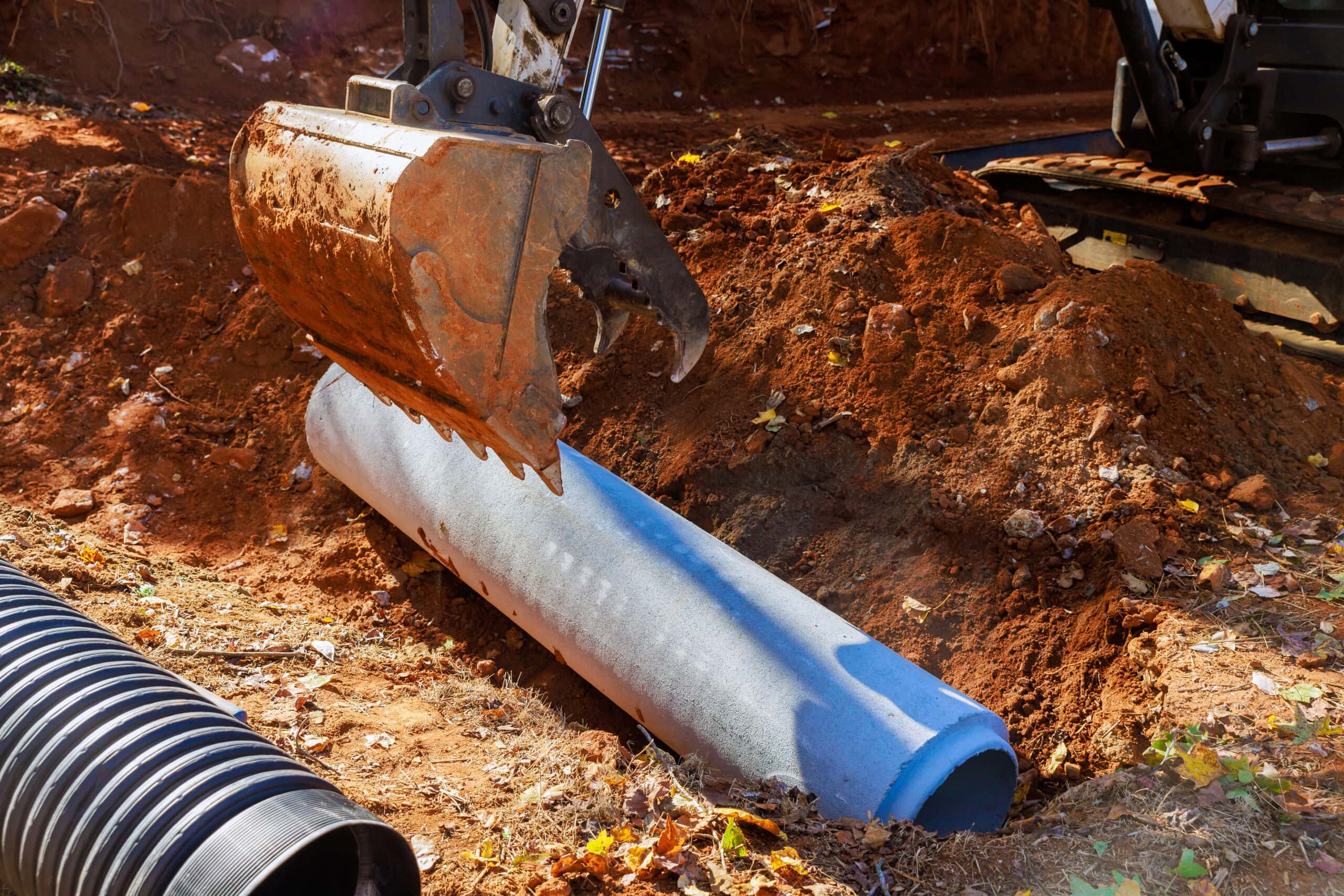
Construction SWPPP: Restaurant in Central Texas
ESE Partners developed a comprehensive Construction Storm Water Pollution Prevention Plan (SWPPP) to support construction of a new located in Central Texas.
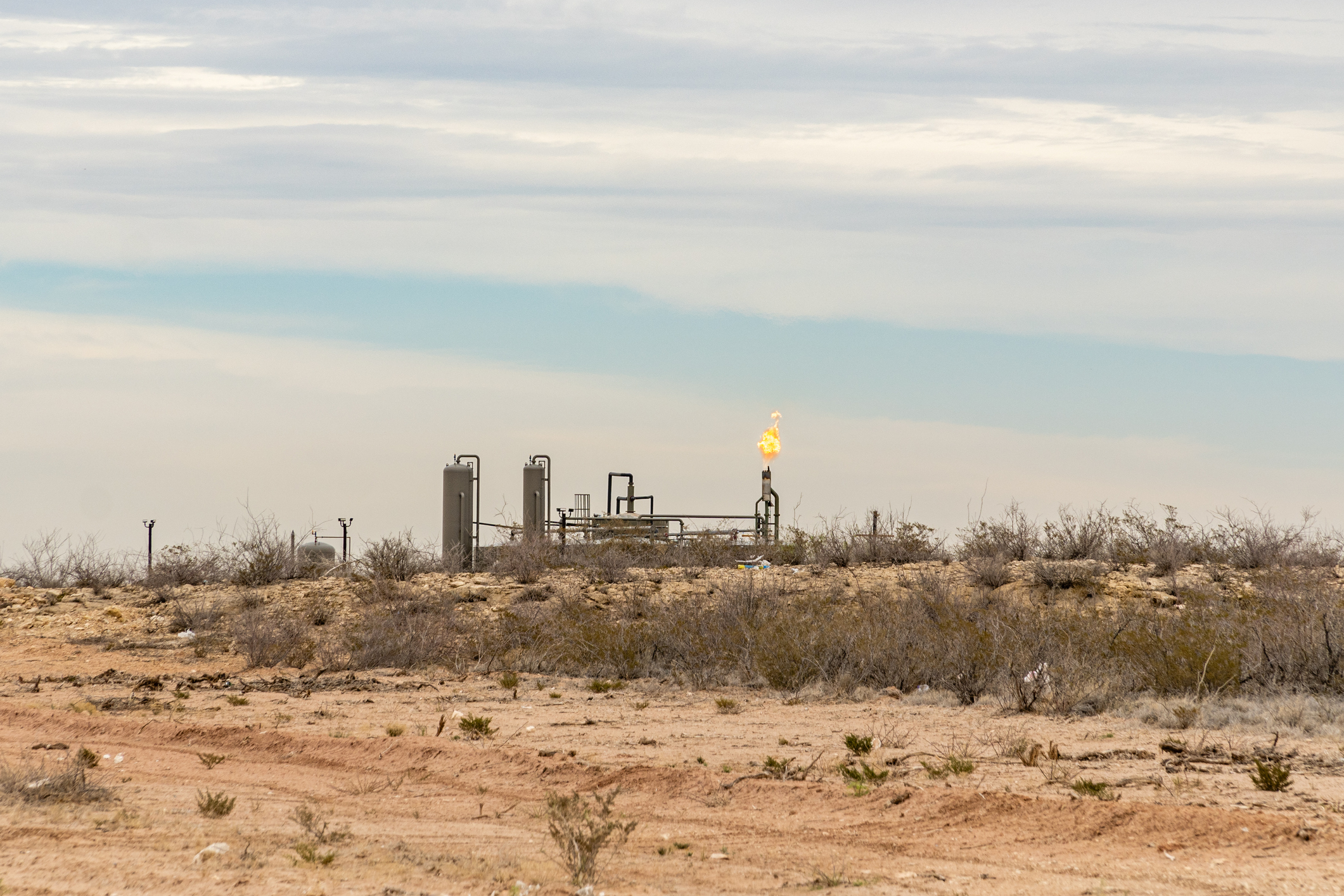
EHS Compliance Support, Air Permitting, and SPCC Plans
ESE Partners conducted comprehensive environmental compliance services for multiple facilities located in South Texas, including Spill Prevention, Control, and Countermeasure (SPCC) plan development and air permitting support.
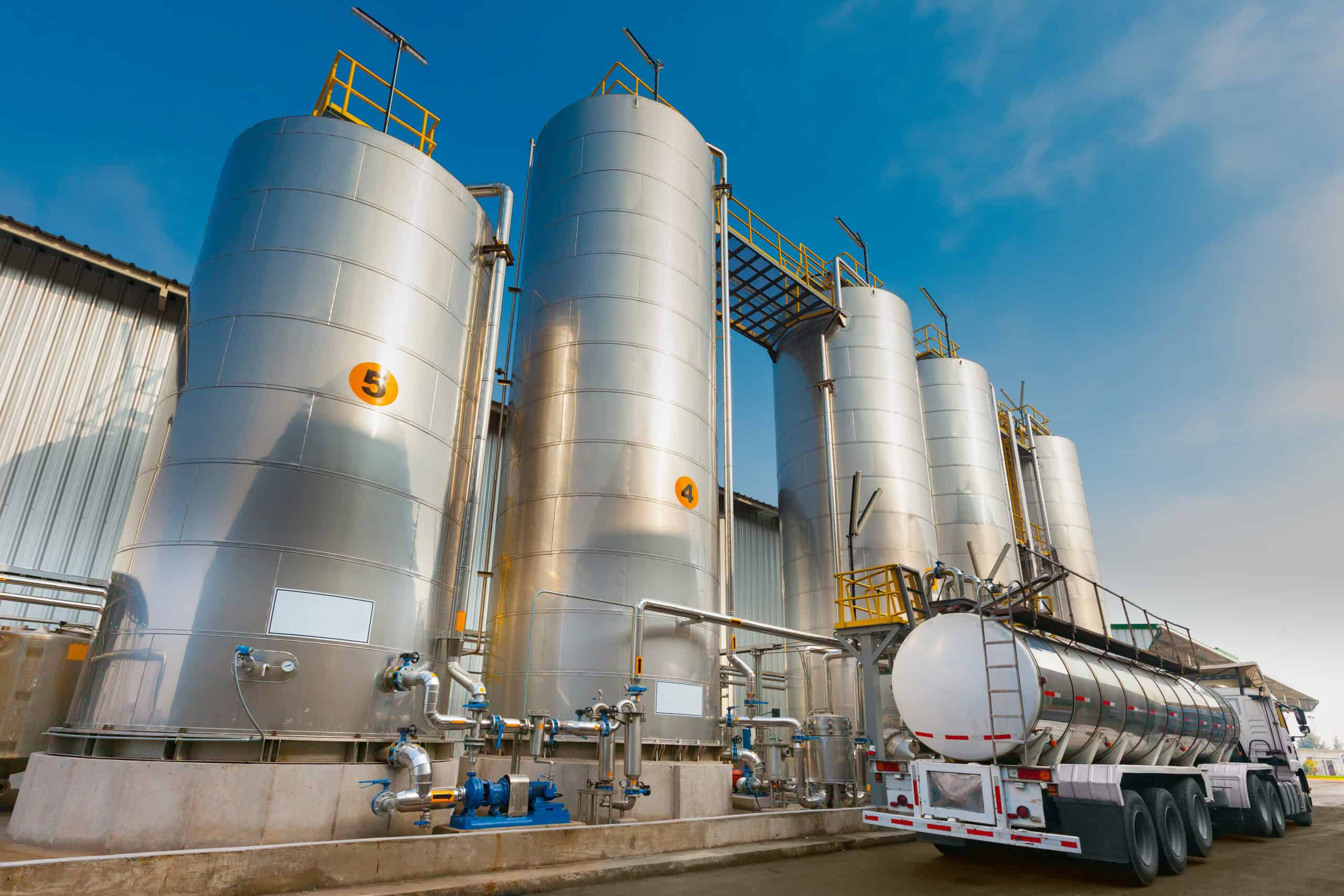
Efficient Air Permitting for New Transfer Operations
A bulk liquid storage and transfer operator sought to launch a new ethanol transloading operation involving rail-to-truck transfers using closed-loop loading.
Frequently Asked Questions About Industrial Stormwater Permitting Services
What is industrial stormwater permitting and what does it involve in Texas?
Industrial stormwater permitting authorizes the discharge of stormwater associated with industrial activity from your facility to surface waters (and, in certain cases, requires monitoring and reporting). In Texas, the most common pathway is coverage under the TPDES Multi-Sector General Permit (MSGP), Permit No. TXR050000, administered by TCEQ, rather than an individual permit. At a practical level, “getting permitted” typically means determining whether your site or activities trigger industrial stormwater requirements, filing for authorization (when required), developing and implementing a Stormwater Pollution Prevention Plan (SWPPP), and completing inspections/monitoring and reporting as required by your sector.
When does my facility need industrial stormwater permit coverage?
You may need industrial stormwater permit coverage if you operate an industrial facility where stormwater can leave the site (outfalls, sheet flow, conveyances) and discharge to surface water in Texas, have exposed industrial materials/activities that could contact stormwater (storage, loading, processing, waste handling), are buying/selling/refinancing a facility and lenders or legal counsel require confirmation of stormwater compliance as part of environmental due diligence, or have a compliance driver such as a TCEQ inspection, a spill/complaint, or a corporate ESG/compliance audit program.
What are the risks of skipping or mishandling industrial stormwater permitting?
Skipping or mishandling industrial stormwater permitting can create real business exposure, including regulatory violations (unpermitted discharge, incomplete SWPPP, missed inspections/monitoring), enforcement risk and operational distractions (site visits, information requests, corrective actions), transaction friction (deal delays, escrow/holdback requests, lender concerns during environmental due diligence), and cost escalation (retroactive fixes, rushed sampling, consultant rework, legal review).
What does ESE Partners' industrial stormwater permitting (MSGP) process look like?
ESE Partners helps industrial operators and deal teams build defensible, audit-ready stormwater programs without overcomplicating compliance — developing SWPPPs that reflect actual site operations rather than relying on generic templates that can fail during inspections, and providing a field-forward compliance approach with practical BMPs, outfall mapping, and training aligned with how the facility actually operates. The process includes: applicability and sector determination (confirming industrial activity classification and stormwater exposure pathways); outfall and drainage evaluation (identifying discharge points, runoff direction, and potential pollutant sources); SWPPP development/update (site map, BMPs, spill response, inspection protocols, corrective action procedures); implementation support (BMP deployment, good housekeeping measures, and staff training); inspections and monitoring program setup (configuring required quarterly visual monitoring and any analytical monitoring applicable to your sector); and reporting support (assisting with compiling results and meeting electronic reporting expectations, such as NetDMR for applicable submittals).