What Is Mechanically Augmented Survey & Testing?
Mechanically Augmented Survey & Testing is a subsurface archaeological investigation that integrates mechanical methods (e.g., backhoe/excavator trenches, scrapes, or auger probes) with professional archaeological observation, logging, and targeted hand verification to determine whether archaeological deposits, features, or stratigraphy are present and intact.
MAST is most often used to:
- Identify buried stable surfaces and stratigraphic integrity in alluvial settings
- Evaluate areas where shovel tests are impractical (dense clay, cobbles, fill, pavement)
- Increase confidence in findings when a project has high subsurface uncertainty
In Texas, cultural resources investigations are commonly executed under Texas Antiquities Code permitting (when applicable) and are reported consistent with professional expectations such as the Council of Texas Archeologists (CTA) Guidelines and Standards for Reports (e.g., documenting survey type, methods such as shovel testing and deep testing, and results).
Request Your Mechanically Augmented Survey & Testing Services Today
Texas’ most trusted environmental experts – comprehensive by design.
When Is It Required?
Mechanically augmented survey & testing is typically triggered when regulatory review or due diligence requires subsurface evaluation and site conditions suggest that shallow methods alone are not sufficient.
Common scenarios include:
- Transportation, linear, and utility projects crossing floodplains or terraces (deep alluvium)
- Large-scale development where grading will impact deeper horizons
- Projects with very low ground visibility (dense vegetation, recent fill, disturbed topsoil)
- Time-sensitive acquisitions or financings where the risk of buried resources could affect permitting, schedule, or cost
- Projects requiring state review/authorization (e.g., work on public land, state undertakings) where a Texas Antiquities Permit and appropriate investigation methods may be necessary
ESE Partners’ Approach
ESE Partners focuses on deal-realistic archaeology: the right level of effort to satisfy review requirements and reduce uncertainty without overcalling risk. Clients get fast mobilization and clear scheduling tied to construction and closing milestones. We select methods based on where mechanical testing adds real value. Our Texas-focused execution reflects typical expectations for how survey and deep testing results are documented in reports. Deliverables are clean and ready for your team to use in agency coordination, permitting files, and lender and legal review. Service coverage includes Houston, Dallas–Fort Worth, Austin, San Antonio, and statewide.
Our Process
- Desktop due diligence & constraints review: Review mapping, geomorphology, prior studies, and known site data (as applicable to the project’s review framework).
- Field plan & method design: Define where mechanical testing is appropriate (trench locations, auger intervals, target depths).
- Mechanical excavation under archaeological monitoring: Observe and document soil profiles; screen/selectively hand-check as warranted by sediments and finds.
- Targeted hand testing/verification (as needed): Follow up with focused hand excavation where potential cultural horizons, artifacts, or features are identified.
- Documentation & reporting: Prepare a defensible report consistent with Texas professional reporting expectations (methods, results, figures, and recommendations).
- Agency/support coordination (as applicable): Support submissions and responses when a permit or review pathway requires it (e.g., Antiquities permitting contexts).
Regulatory Framework (Texas-Focused)
Mechanically augmented survey & testing is used within broader cultural resources compliance programs, which may include:
- Texas Antiquities Code / Texas Antiquities Permit when applicable to state lands, state agencies, or other covered undertakings
- Professional reporting expectations commonly applied in Texas, such as CTA report standards and terminology for survey/testing methods and documentation
If your project also involves federal permitting or federal land/funding, MAST may be part of a compliance approach under federal cultural resources requirements (e.g., Section 106), but the exact method and documentation must match the lead agency’s direction.
Risks of Not Completing This Service
Skipping mechanically augmented testing when site conditions warrant it can lead to:
- False negatives (missing buried deposits) and late-stage discoveries during construction
- Schedule impacts (stop-work, redesign, re-sequencing, or unplanned agency consultation)
- Budget escalation from reactive archaeology and contractor downtime
- Permitting vulnerability if the chosen methods are not defensible for deep or complex stratigraphy
More Cultural Resources Services
Phase I Archaeological Survey & Monitoring
Ground disturbance, infrastructure development, and federally connected projects can trigger cultural resources review and archaeological compliance requirements. ESE Partners supports owners, developers, utilities, and public-sector teams with Phase I Archaeological Surveys and construction monitoring designed to identify cultural resources, document findings, and support agency review. Our team helps align fieldwork, reporting, and coordination with applicable Section 106, Texas Antiquities, and project-specific requirements while keeping schedules, permitting, and construction priorities moving forward.
Mechanically Augmented Survey & Testing
Deeply buried soils, alluvial settings, prior fill, and limited surface visibility can make standard pedestrian survey methods insufficient for evaluating archaeological risk. ESE Partners provides Mechanically Augmented Survey & Testing to help identify and assess buried cultural deposits using controlled excavation methods, field documentation, and agency-aligned reporting. Our team supports developers, utilities, infrastructure teams, and public-sector clients with practical testing strategies that improve subsurface visibility, satisfy cultural resources review requirements, and keep permitting and construction decisions moving forward.
Industries We Serve
ESE operates in a wide range of industries, all with unique needs and regulatory obligations. We offer experts who understand the broad complexity of environmental challenges faced by today’s businesses.

Real Estate Brokers & Developers
ESE helps brokers and developers reduce deal friction and avoid surprises through fast, defensible environmental due diligence. We support property evaluations, redevelopment risk screening, and transaction-ready reporting for Texas assets.

Private Equity/Capital Investors
Transaction support for acquisitions and portfolio oversight, including Phase I/II ESAs and risk-based evaluation. We provide clear findings, practical recommendations, and scalable diligence support.

Financial Institutions
ESE supports lender-driven environmental due diligence and portfolio risk management, including Phase I/II ESAs and risk screening. We deliver consistent, defensible reporting aligned with credit and closing timelines.

Attorneys
Technical support for environmental risk, liability evaluation, and regulatory strategy. We provide clear documentation and expert collaboration to support transactions, compliance matters, and remediation planning.
Why ESE Partners
Texas’ Most Trusted Environmental Experts – Comprehensive by Design.
ESE Partners is built for projects where technical rigor and speed both matter. Our Texas-focused teams understand how cultural resources affect real projects and real timelines. We offer integrated services across environmental due diligence, compliance, remediation, natural and cultural resources, and building sciences. We communicate clearly with brokers, developers, lenders, attorneys, and construction teams, and we scale delivery from single sites to statewide portfolios. Texas’ Most Trusted Environmental Experts – Comprehensive by Design.
Need mechanically augmented cultural resources survey & testing to keep your project moving?
Contact ESE Partners and get a scoped plan and proposal within 24 hours—with a field approach aligned to your schedule and compliance pathway.
Our Cultural Resources Projects
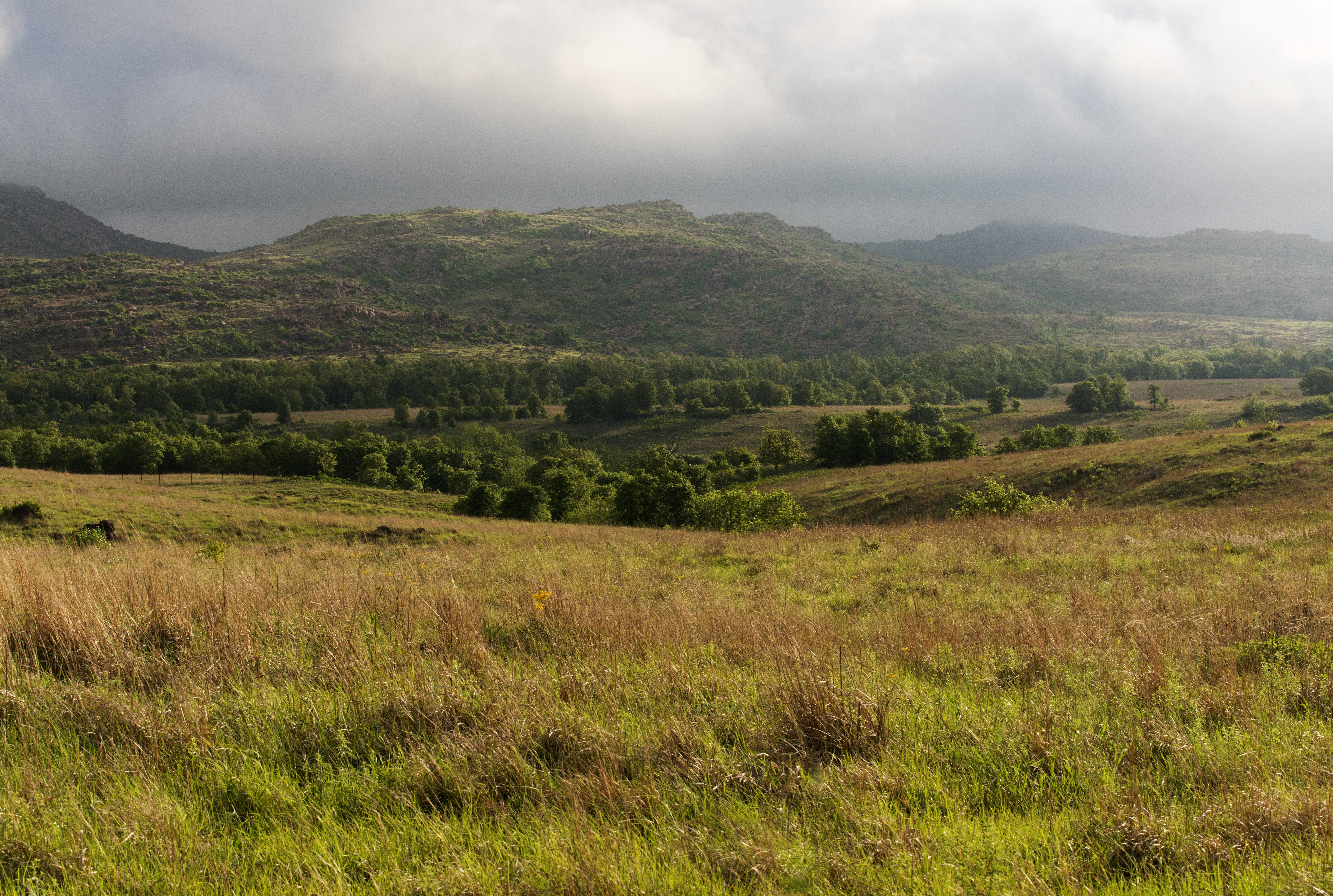
Section 106 Cultural Resources Survey for Industrial Site Due Diligence
ESE Partners completed a cultural resources survey for a 110-acre industrial site in Muskogee, Oklahoma, supporting due diligence under Section 106 of the National Historic Preservation Act.
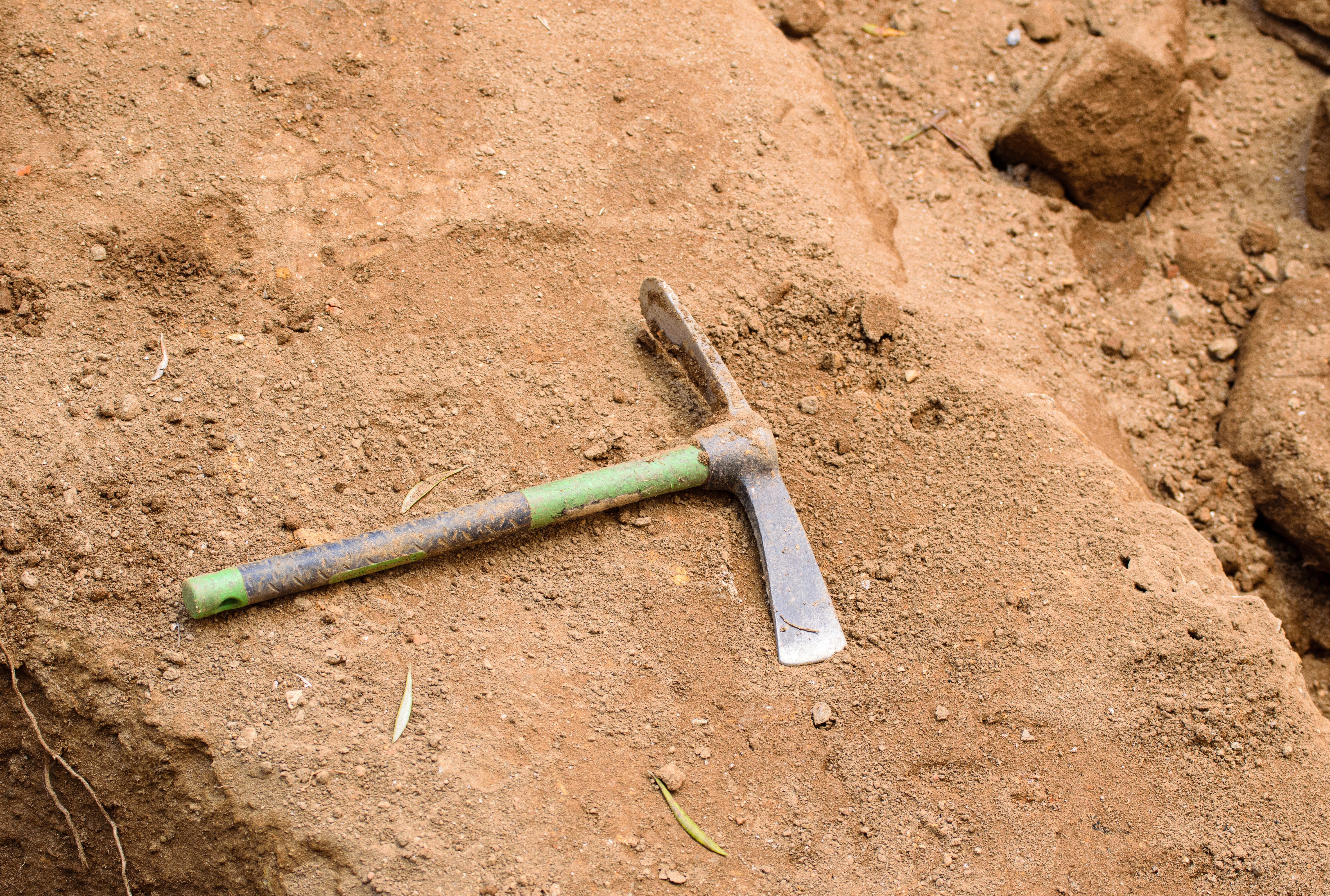
Cultural Resources Survey for Metals Remediation Compliance
ESE Partners supported a cultural resources due diligence survey for a former specialty metals industrial site in Muskogee, Oklahoma.

Cultural Resource Monitoring for Emergency River Cleanup Compliance
ESE Partners provided cultural resources monitoring for an emergency environmental cleanup along a 44-mile contaminated river corridor in southeastern Louisiana.
Frequently Asked Questions About Mechanically Augmented Survey & Testing
What is Mechanically Augmented Survey & Testing (MAST)?
Mechanically Augmented Survey & Testing (MAST) is a subsurface archaeological investigation that combines mechanical methods, such as backhoe or excavator trenches, scrapes, or auger probes, with professional archaeological observation, logging, and targeted hand verification. It determines whether archaeological deposits, features, or stratigraphy are present and intact. MAST is most often used to identify buried stable surfaces and stratigraphic integrity in alluvial settings, evaluate areas where shovel tests are impractical because of dense clay, cobbles, fill, or pavement, and increase confidence in findings when a project has high subsurface uncertainty.
When is mechanically augmented survey and testing required?
MAST is typically triggered when regulatory review or due diligence requires subsurface evaluation and site conditions suggest that shallow methods alone are not sufficient. Common scenarios include transportation, linear, and utility projects crossing floodplains or terraces with deep alluvium, large-scale development where grading will affect deeper horizons, and projects with very low ground visibility from dense vegetation, recent fill, or disturbed topsoil. It also applies to time-sensitive acquisitions or financings where the risk of buried resources could affect permitting, schedule, or cost, and to projects requiring state review or authorization, such as work on public land or state undertakings, where a Texas Antiquities Permit may be necessary. If a project involves federal permitting, land, or funding, the exact method and documentation must match the lead agency’s direction.
What are the risks of skipping mechanically augmented testing when site conditions warrant it?
Skipping MAST can lead to false negatives, where buried deposits are missed and discovered late during construction. It can also cause schedule impacts such as stop-work orders, redesign, re-sequencing, or unplanned agency consultation. Reactive archaeology and contractor downtime drive budget escalation, and permitting becomes vulnerable if the chosen methods are not defensible for deep or complex stratigraphy.
What does ESE Partners’ MAST process look like?
ESE Partners starts with desktop due diligence and a constraints review of mapping, geomorphology, prior studies, and known site data. Our team then designs a field plan that defines where mechanical testing is appropriate, including trench locations, auger intervals, and target depths. Mechanical excavation is completed under archaeological monitoring, with soil profiles observed and documented, followed by targeted hand testing where potential cultural horizons, artifacts, or features are identified. We prepare a defensible report consistent with Texas professional reporting expectations, including methods, results, figures, and recommendations, and we support agency submissions and responses when a permit or review pathway requires it.