What Is NRHP Eligibility Testing and NRHP Listing?
NRHP eligibility testing is a professional evaluation of whether a building, structure, site, district, or object meets the National Register Criteria for Evaluation and retains sufficient historic integrity.
NRHP listing is the formal process of preparing and submitting a nomination through the State Historic Preservation Office (SHPO) and NPS to have the property officially entered in the National Register.
Important distinction for projects: In Section 106, “historic properties” generally include those listed in or eligible for the NRHP—so eligibility alone can carry compliance consequences similar to listing.
Request Your NRHP Eligibility Testing and NRHP Listing Services Today
Texas’ most trusted environmental experts – comprehensive by design.
When Is It Required (or Highly Advisable)?
NRHP eligibility testing and/or listing services are commonly needed when:
- Section 106 compliance is triggered by a federal permit, federal land action, or federal funding/assistance (and eligibility must be resolved).
- Early project screening is needed to avoid redesign, entitlement risk, or late-stage consultation surprises.
- Historic tax credit planning is being considered and historic status must be confirmed (often paired with rehabilitation standards planning).
- Large-scale development or infrastructure intersects older resources (potential districts, archeological sites, landscapes).
- Public-sector or institutional portfolios require programmatic determinations and documentation consistency.
ESE Partners’ Approach
ESE’s approach is built for deals and delivery. Our documentation follows National Park Service (NPS) criteria, integrity standards, and the way State Historic Preservation Office (SHPO) reviewers evaluate submittals, so your determinations hold up. We focus on the factors that decide eligibility: historic context, period of significance, and integrity. We don’t overcall risk on properties that don’t warrant it. We sequence fieldwork, archival research, and agency consultation to meet the permitting and design milestones on your Texas project. We also route submittals through the Texas Historical Commission, the state’s SHPO, so your documentation reaches the right reviewers.
Our Process (Eligibility → Listing)
- Scoping & records request (APE/parcel boundary, proposed work, funding/permit triggers, prior survey data).
- Archival research & context development (historic maps, aerials, deed chains where relevant, prior determinations, local histories).
- Field investigation (photo documentation; resource description; integrity observations).
- NRHP criteria & integrity analysis (criteria application and integrity rationale).
- Draft deliverable (eligibility memo or Determination of Eligibility package; mapping and photo logs).
- Agency/stakeholder coordination (SHPO comments, revisions, concurrence tracking as needed).
- If listing is desired: Nomination preparation (statement of significance, description, boundary justification, bibliography, photographs) and submission support through SHPO to NPS.
Regulatory Framework (What We Design to)
Key frameworks that govern eligibility and listing work include the National Park Service (NPS) National Register program, which sets the evaluation criteria and the listing workflow outlined in its “How to List a Property” guidance. NHPA Section 106 also applies, since federal agencies must consider project effects on properties listed in or eligible for the NRHP, so eligibility findings often shape review requirements. NPS directs applicants to the State Historic Preservation Office (SHPO) for eligibility questions and nomination steps. In Texas, the Texas Historical Commission carries out SHPO functions, so eligibility reviews and nominations go through its process.
Risks of Not Completing NRHP Eligibility Testing/Listing Support
Skipping or delaying NRHP evaluation commonly creates:
- Permitting and funding delays when historic status is discovered late and Section 106 consultation must restart.
- Design rework and cost escalation if avoidance/mitigation is identified after engineering is advanced.
- Transaction uncertainty for buyers/lenders when “eligible vs. not eligible” affects schedule, entitlement risk, and future constraints.
- Missed incentive opportunities when listing eligibility and documentation aren’t established early enough for credit planning.
More Cultural Resources Services
Phase I Archaeological Survey & Monitoring
Ground disturbance, infrastructure development, and federally connected projects can trigger cultural resources review and archaeological compliance requirements. ESE Partners supports owners, developers, utilities, and public-sector teams with Phase I Archaeological Surveys and construction monitoring designed to identify cultural resources, document findings, and support agency review. Our team helps align fieldwork, reporting, and coordination with applicable Section 106, Texas Antiquities, and project-specific requirements while keeping schedules, permitting, and construction priorities moving forward.
Mechanically Augmented Survey & Testing
Deeply buried soils, alluvial settings, prior fill, and limited surface visibility can make standard pedestrian survey methods insufficient for evaluating archaeological risk. ESE Partners provides Mechanically Augmented Survey & Testing to help identify and assess buried cultural deposits using controlled excavation methods, field documentation, and agency-aligned reporting. Our team supports developers, utilities, infrastructure teams, and public-sector clients with practical testing strategies that improve subsurface visibility, satisfy cultural resources review requirements, and keep permitting and construction decisions moving forward.
Industries We Serve
ESE operates in a wide range of industries, all with unique needs and regulatory obligations. We offer experts who understand the broad complexity of environmental challenges faced by today’s businesses.

Real Estate Brokers & Developers
ESE helps brokers and developers reduce deal friction and avoid surprises through fast, defensible environmental due diligence. We support property evaluations, redevelopment risk screening, and transaction-ready reporting for Texas assets.

Private Equity/Capital Investors
Transaction support for acquisitions and portfolio oversight, including Phase I/II ESAs and risk-based evaluation. We provide clear findings, practical recommendations, and scalable diligence support.

Financial Institutions
ESE supports lender-driven environmental due diligence and portfolio risk management, including Phase I/II ESAs and risk screening. We deliver consistent, defensible reporting aligned with credit and closing timelines.

Attorneys
Technical support for environmental risk, liability evaluation, and regulatory strategy. We provide clear documentation and expert collaboration to support transactions, compliance matters, and remediation planning.
Why ESE Partners
Texas’ Most Trusted Environmental Experts – Comprehensive by Design.
Texas’ Most Trusted Environmental Experts – Comprehensive by Design means you can keep due diligence, cultural resources strategy, and permitting alignment under one roof. We write to what decision-makers need: eligibility conclusions that are clear, supported, and actionable. Our cultural resources coordination fits alongside environmental due diligence, compliance, and remediation planning, which cuts handoffs and schedule friction. We apply consistent QA/QC and documentation across multi-site portfolios and linear projects in Texas metros and rural counties. Review cycles are clear, agency touchpoints are planned, and deliverables are tied to project milestones.
Need NRHP eligibility testing or support listing a property on the National Register in Texas?
Contact ESE Partners to keep your project moving—we’ll scope the effort, confirm the review pathway, and deliver a schedule-aligned proposal.
Our Cultural Resources Projects

Section 106 Cultural Resources Survey for Industrial Site Due Diligence
ESE Partners completed a cultural resources survey for a 110-acre industrial site in Muskogee, Oklahoma, supporting due diligence under Section 106 of the National Historic Preservation Act.

Cultural Resources Survey for Metals Remediation Compliance
ESE Partners supported a cultural resources due diligence survey for a former specialty metals industrial site in Muskogee, Oklahoma.
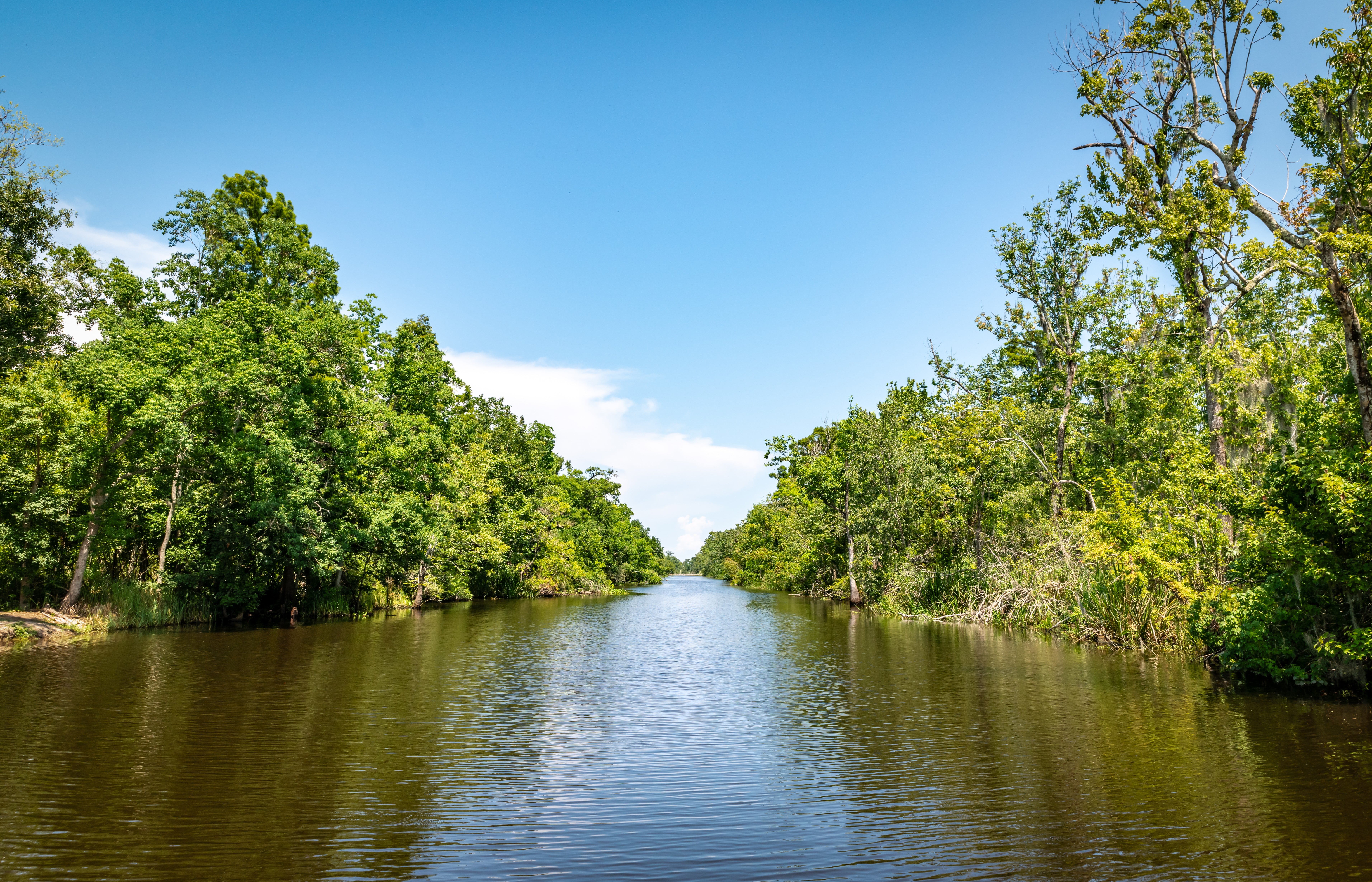
Cultural Resource Monitoring for Emergency River Cleanup Compliance
ESE Partners provided cultural resources monitoring for an emergency environmental cleanup along a 44-mile contaminated river corridor in southeastern Louisiana.
Frequently Asked Questions About NRHP Eligibility Testing and Property Listing Services
What is the difference between NRHP eligibility testing and NRHP listing?
NRHP eligibility testing is a professional evaluation of whether a building, structure, site, district, or object meets the National Register Criteria for Evaluation and retains sufficient historic integrity. NRHP listing is the formal process of preparing and submitting a nomination through the Texas Historical Commission, the state’s State Historic Preservation Office (SHPO), and the National Park Service (NPS) to have the property officially entered in the National Register. Under Section 106, historic properties generally include those listed in or eligible for the NRHP, so an eligibility finding alone can carry compliance consequences similar to listing.
When is NRHP eligibility testing required or advisable?
Eligibility testing is commonly needed when NHPA Section 106 is triggered by a federal permit, federal land action, or federal funding or assistance, and eligibility must be resolved. It is also advisable for early project screening to avoid redesign, entitlement risk, and late-stage consultation surprises. Other common triggers include historic tax credit planning, large-scale development or infrastructure that intersects older resources such as potential districts, archeological sites, and landscapes, and public-sector or institutional portfolios that need consistent determinations and documentation.
What are the risks of skipping or delaying NRHP eligibility testing?
Skipping or delaying NRHP evaluation can cause permitting and funding delays when historic status is discovered late and Section 106 consultation must restart. It can also lead to design rework and cost escalation if avoidance or mitigation is identified after engineering is advanced. Buyers and lenders may face transaction uncertainty when “eligible vs. not eligible” affects schedule, entitlement risk, and future constraints. Projects can also miss incentive opportunities when eligibility and documentation aren’t established early enough for credit planning.
What does ESE Partners’ NRHP eligibility and listing process look like?
ESE Partners starts with scoping and a records request covering the Area of Potential Effects, proposed work, funding or permit triggers, and prior survey data. Our team then completes archival research and context development, followed by field investigation with photo documentation, resource description, and integrity observations. We apply the NRHP criteria and integrity analysis, prepare a draft eligibility memo or Determination of Eligibility package with mapping and photo logs, and coordinate with the SHPO and other stakeholders on comments, revisions, and concurrence tracking. If listing is desired, we prepare the nomination, including the statement of significance, description, boundary justification, bibliography, and photographs, and support submission through the SHPO to NPS.