What Is PST Registration?
PST registration is the regulated owner/operator’s submittal to TCEQ identifying a petroleum storage tank system (UST/AST), its contents, configuration, and status—plus subsequent updates when conditions change (ownership, tank status, upgrades, removals, etc.). TCEQ maintains PST registration requirements and related compliance resources for regulated facilities.
TCEQ’s PST program and requirements are established in 30 Texas Administrative Code (30 TAC) Chapter 334 (Petroleum Storage Tanks).
Request Your PST Registration Today
Texas’ most trusted environmental experts – comprehensive by design.
When Is It Required?
PST registration and related notifications commonly come up when you are:
- Buying or selling commercial/industrial property with fuel tanks (transaction due diligence and risk allocation).
- Financing or refinancing a site where lenders want confirmation that tanks are properly registered and compliant.
- Installing, upgrading, or removing USTs/ASTs (construction activities may require advance notification and documentation).
- Operating an aboveground motor-fuel tank where an active registration may be required to receive motor fuel deliveries.
- Correcting legacy issues (e.g., inactive, empty, or unused ASTs still needing registration per TCEQ guidance).
ESE Partners’ Approach
Comprehensive by Design means ESE Partners does not simply “file a form” for Petroleum Storage Tank (PST) registration. We align registration work with real-world business drivers, including closing timelines, fuel operations, lender scrutiny, and enforcement risk. Clients value our fast triage to determine whether tanks are regulated or exempt and what TCEQ expects, as well as our clean submittals designed to reduce agency back-and-forth through complete, internally consistent registration packages. We provide practical guidance that focuses on what materially affects compliance and transactions without overcalling risk. With Texas-first execution, ESE understands the state-specific nature of PST compliance, including TCEQ program structure and 30 TAC Chapter 334 requirements.
Our Process
- Desktop review & intake: Tank type (UST/AST), contents, capacity, use, status, and site history.
- Regulatory applicability check: Confirm whether the tank system is regulated and what exclusions/exemptions may apply under TCEQ PST rules.
- Registration strategy: New registration vs. update vs. ownership transfer alignment (and timing for any required notifications).
- Prepare & submit registration package: Compile required tank/system details and submittal materials consistent with TCEQ guidance.
- Support through acknowledgement/status: Track progress and help resolve TCEQ questions efficiently (including status-check workflows where applicable).
Regulatory Framework
Key governing references and oversight for Petroleum Storage Tank (PST) registration include the TCEQ Petroleum Storage Tank Program, which provides registration and compliance resources for regulated tanks. Texas PST requirements are primarily addressed under 30 TAC Chapter 334, which establishes rules for underground storage tanks (USTs) and aboveground storage tanks (ASTs). TCEQ also provides guidance for determining applicability, including whether a tank system is regulated, as well as ongoing requirements such as notifications for tank installation, removal, modification, or other tank-related work.
Risks of Not Completing PST Registration
Skipping or mishandling PST registration can create:
- Transaction delays (title/lender questions, escrow holds, last-minute compliance scrambles).
- Operational disruptions—especially for AST motor fuel systems that may require active registration to receive motor fuel deliveries.
- Regulatory exposure under TCEQ PST rules (enforcement risk increases when records don’t match field conditions).
- Unbudgeted cost when tank status/ownership changes were never documented and must be corrected under time pressure.
More Environmental Compliance Services

Water Compliance
ESE’s water compliance capabilities include industrial and construction stormwater permitting, stormwater pollution prevention plan (SWPPP) preparation, SPCC planning, FRPs, RMPs, Tier II reporting, TRI reporting, AST/UST registration/permitting, wastewater permitting and reporting, onsite inspections and compliance audits, drinking water assessments, wetlands determinations, and water sourcing/acquisition planning. Our environmental compliance services keep your facilities in line with state and federal regulations.

Multimedia Compliance
ESE also provides custom-tailored, cost-effective multimedia compliance solutions to help clients manage regulatory, permitting, and internal requirements. Our multimedia environmental compliance services include compliance audits, regulatory applicability and interpretation, EHS management systems design and implementation, EHS risk assessments, compliance assurance tool design, EHS organizational strategies, best management practices/corporate EHS standards development, and other permitting, planning, and compliance support.
Industries We Serve
ESE operates in a wide range of industries, all with unique needs and regulatory obligations. We offer experts who understand the broad complexity of environmental challenges faced by today’s businesses.

Oil & Gas Operators
Environmental consulting for upstream, midstream, and downstream operations—due diligence, compliance support, and remediation strategy. ESE helps operators manage regulatory risk and maintain operational continuity in Texas.

Telecom & Data Center Developers
ESE supports telecom and data center development with due diligence, permitting support, and construction-phase compliance. We help teams identify environmental constraints early, manage site risk, and keep schedules intact.

Land Development & Redevelopment
ESE supports developers with site screening, Phase I/II ESAs, and remediation planning for redevelopment and infill projects. We help identify constraints early and reduce delays during entitlement and construction.
Why ESE Partners
ESE Partners is built for deal velocity and defensible compliance in Petroleum Storage Tank (PST) registration. Our Texas-focused teams work within TCEQ PST expectations and 30 TAC Chapter 334 requirements, helping clients navigate registration, applicability, and compliance questions with practical guidance. ESE also brings a full due diligence and compliance bench, including Phase I and Phase II ESAs, remediation support, regulatory permitting and compliance, and building sciences, so PST issues are not handled in a silo. With responsive statewide delivery for portfolios and multi-site fuel programs across Houston, Dallas–Fort Worth, Austin, San Antonio, and beyond, ESE helps owners, operators, lenders, and deal teams keep tank compliance aligned with transaction and operational needs.
Need PST registration support for a transaction, an operational site, or a portfolio cleanup?
Contact ESE Partners to confirm applicability, assemble a clean TCEQ-ready submittal, and keep your project moving.
Our Environmental Compliance Projects

Construction SWPPP: Restaurant in Central Texas
ESE Partners developed a comprehensive Construction Storm Water Pollution Prevention Plan (SWPPP) to support construction of a new located in Central Texas.
EHS Compliance Support, Air Permitting, and SPCC Plans
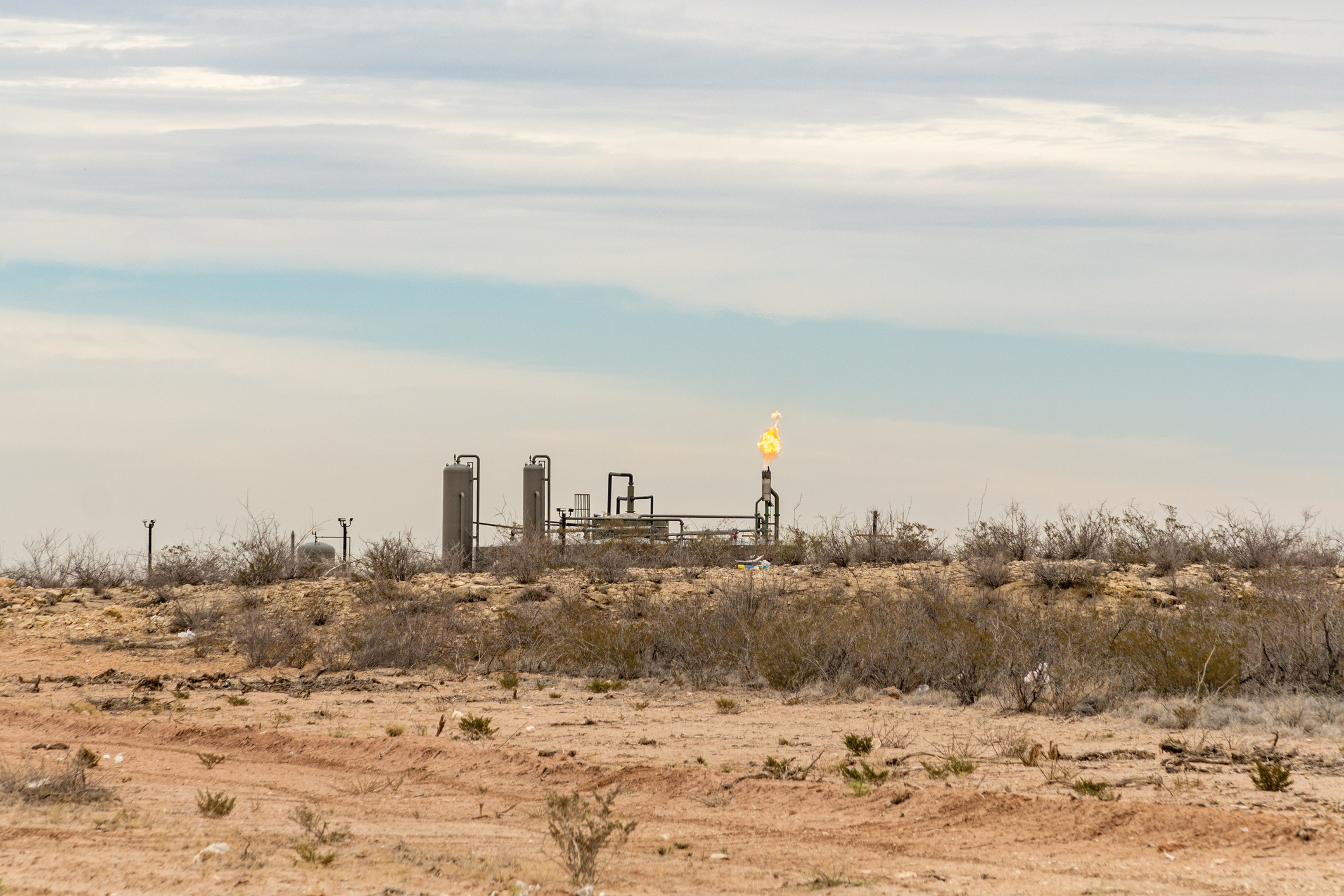
ESE Partners conducted comprehensive environmental compliance services for multiple facilities located in South Texas, including Spill Prevention, Control, and Countermeasure (SPCC) plan development and air permitting support.
Efficient Air Permitting for New Transfer Operations
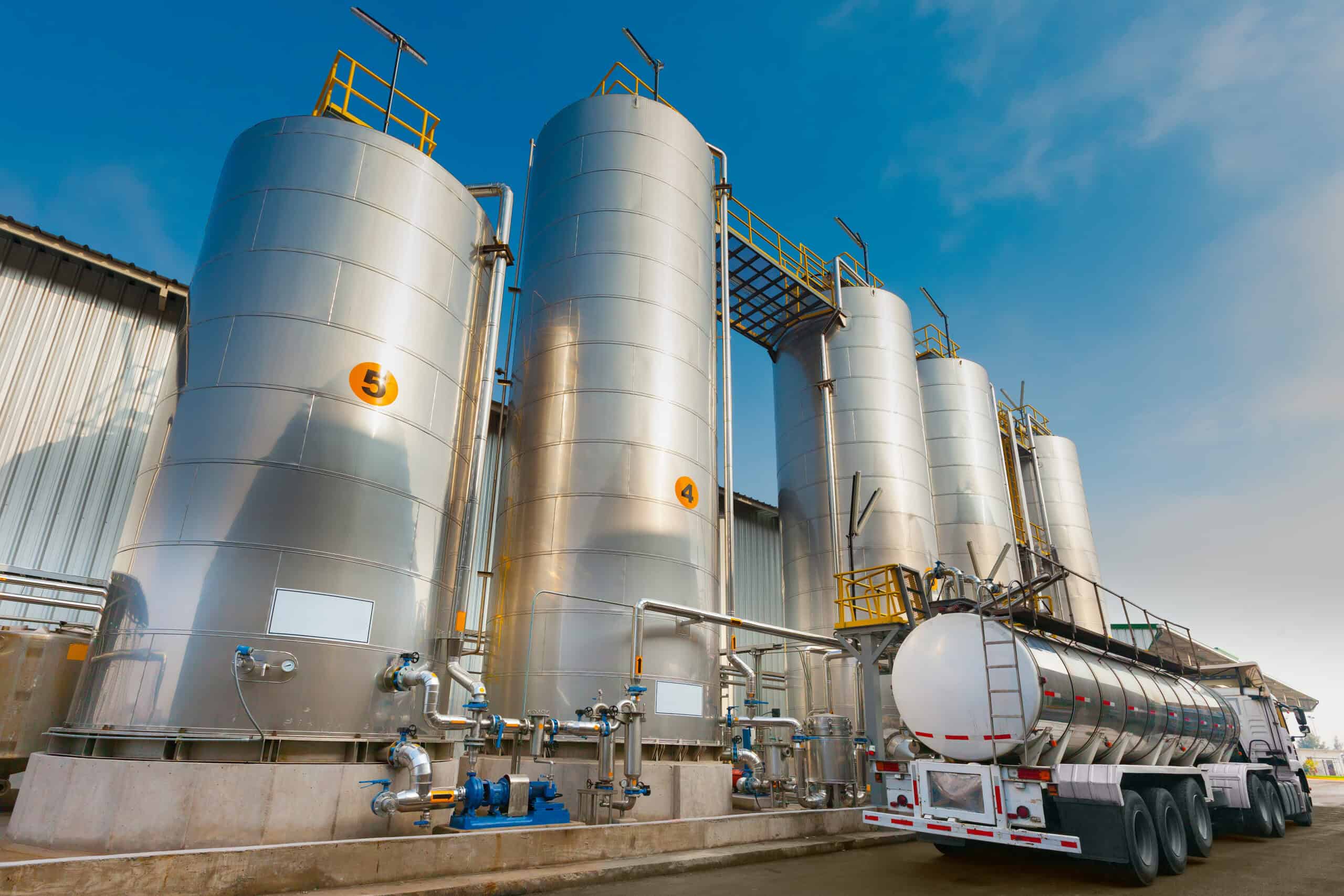
A bulk liquid storage and transfer operator sought to launch a new ethanol transloading operation involving rail-to-truck transfers using closed-loop loading.
Frequently Asked Questions About PST Registration Services
What is PST registration?
PST registration is the Texas Commission on Environmental Quality (TCEQ) process for registering regulated petroleum storage tanks — both underground (USTs) and certain aboveground storage tanks (ASTs) — so the facility can legally operate, document compliance, and (for ASTs) receive motor fuel deliveries. In practice, PST registration is the regulated owner/operator’s submittal to TCEQ identifying a petroleum storage tank system (UST/AST), its contents, configuration, and status, plus subsequent updates when conditions change (ownership, tank status, upgrades, removals, etc.). TCEQ’s PST program and requirements are established in 30 Texas Administrative Code (30 TAC) Chapter 334 (Petroleum Storage Tanks).
When is PST registration required?
PST registration and related notifications commonly come up when you are buying or selling commercial/industrial property with fuel tanks (transaction due diligence and risk allocation), financing or refinancing a site where lenders want confirmation that tanks are properly registered and compliant, installing, upgrading, or removing USTs/ASTs (construction activities may require advance notification and documentation), operating an aboveground motor-fuel tank where an active registration may be required to receive motor fuel deliveries, or correcting legacy issues (e.g., inactive, empty, or unused ASTs still needing registration per TCEQ guidance). When a property has fuel tanks, PST registration can be a deal-critical item — missing or incorrect registration can delay closings, interrupt fuel deliveries, and trigger enforcement exposure.
What are the risks of skipping or mishandling PST registration?
Skipping or mishandling PST registration can create transaction delays (title/lender questions, escrow holds, last-minute compliance scrambles), operational disruptions — especially for AST motor fuel systems that may require active registration to receive motor fuel deliveries, regulatory exposure under TCEQ PST rules (enforcement risk increases when records don’t match field conditions), and unbudgeted cost when tank status/ownership changes were never documented and must be corrected under time pressure.
What does ESE Partners' PST registration process look like?
ESE Partners’ Comprehensive by Design approach means they don’t simply “file a form” for PST registration — they align registration work with real-world business drivers, including closing timelines, fuel operations, lender scrutiny, and enforcement risk, using fast triage to determine whether tanks are regulated or exempt and clean submittals designed to reduce agency back-and-forth. The process includes: desktop review and intake (tank type UST/AST, contents, capacity, use, status, and site history); regulatory applicability check (confirming whether the tank system is regulated and what exclusions/exemptions may apply under TCEQ PST rules); registration strategy (new registration vs. update vs. ownership transfer alignment, and timing for any required notifications); prepare and submit registration package (compiling required tank/system details and submittal materials consistent with TCEQ guidance); and support through acknowledgement/status (tracking progress and helping resolve TCEQ questions efficiently, including status-check workflows where applicable). ESE’s Texas-focused teams work within TCEQ PST expectations and 30 TAC Chapter 334 requirements.