What Is an SPCC Plan?
An SPCC Plan (Spill Prevention, Control, and Countermeasure Plan) is a facility-specific plan required under EPA’s SPCC Rule (40 CFR Part 112) for certain facilities that store oil and could reasonably discharge oil to navigable waters or adjoining shorelines.
An SPCC Plan typically includes:
- An oil storage inventory (tanks, drums, totes, transformers, hydraulic reservoirs, etc.)
- Secondary containment design/criteria and inspection requirements
- Spill response procedures and reporting protocols
- Facility diagrams, drainage pathways, and discharge prevention measures
- Training and documentation requirements
- Required certifications (self-certification for some “qualified facilities,” PE certification for others)
Request Your SPCC Plans Today
Texas’ most trusted environmental experts – comprehensive by design.
When Is an SPCC Plan Required?
You may need an SPCC Plan when oil storage and site conditions trigger EPA’s applicability criteria under 40 CFR Part 112.
Common real-world triggers include:
- Property acquisition / environmental due diligence where aboveground oil storage is present (industrial, logistics, manufacturing, terminals)
- Lender or insurer requirements tied to operational risk controls (especially for fuel systems and generator farms)
- Facility expansions adding ASTs, day tanks, bulk lube systems, or oil-filled equipment
- New site development where stormwater pathways could carry oil offsite
- Operational changes that alter containment, drainage, or spill response responsibilities
- Facilities seeking “qualified facility” self-certification (Tier I/Tier II) rather than PE certification when eligible
ESE Partners’ Approach
ESE Partners delivers SPCC Plans that are inspection-ready and built for real operations, not just compliance binders. Clients value our fast turnaround, which helps keep deals, mobilizations, and operational schedules moving across Texas, including Houston, Dallas–Fort Worth, Austin, and San Antonio. Our team provides clear determinations of SPCC applicability and qualified facility status, along with practical containment and inspection programs that fit the site without overcalling risk. We communicate effectively with EHS teams, facility managers, and deal professionals, ensuring stakeholders understand requirements and next steps. With Texas execution experience across industrial, energy, and infrastructure footprints, including remote sites and multi-site portfolios, ESE develops SPCC Plans that support compliance, practicality, and long-term defensibility.
Our Process
- Applicability & threshold screening: Confirm whether the SPCC Rule applies (oil types, storage, discharge potential).
- Site visit/records review: Verify oil storage, tank construction, labeling, and existing containment.
- Engineering evaluation of containment: Evaluate containment capacity, drainage controls, and discharge prevention measures.
- Plan development (40 CFR 112-aligned): Prepare the SPCC Plan with procedures, diagrams, inspection checklists, and training elements.
- Certification path: Determine whether the Plan can be self-certified (Tier I template where eligible) or requires PE certification.
- Implementation support: Roll out inspection forms, training support, and corrective action tracking.
Regulatory Framework
SPCC Plans are governed by the EPA SPCC Rule under 40 CFR Part 112, which establishes federal oil spill prevention requirements for applicable facilities. Some facilities may qualify as Tier I Qualified Facilities and choose to use EPA’s Tier I Qualified Facility SPCC Plan Template for self-certification when eligibility criteria are met. While SPCC is a federal program, Texas facilities may still be subject to other state or local requirements depending on their operations; however, SPCC Plan applicability and core requirements originate from EPA’s 40 CFR Part 112.
Risks of Not Completing an SPCC Plan
Skipping or delaying an SPCC Plan can create:
- Regulatory exposure during EPA inspections (lack of a compliant plan / poor implementation)
- Spill-driven liability (cleanup costs, third-party claims, and downtime)
- Project and transaction delays (especially when diligence finds unmanaged oil storage risks)
- Operational disruptions when containment, inspections, and training aren’t standardized across sites
More Environmental Compliance Services

Water Compliance
ESE’s water compliance capabilities include industrial and construction stormwater permitting, stormwater pollution prevention plan (SWPPP) preparation, SPCC planning, FRPs, RMPs, Tier II reporting, TRI reporting, AST/UST registration/permitting, wastewater permitting and reporting, onsite inspections and compliance audits, drinking water assessments, wetlands determinations, and water sourcing/acquisition planning. Our environmental compliance services keep your facilities in line with state and federal regulations.

Multimedia Compliance
ESE also provides custom-tailored, cost-effective multimedia compliance solutions to help clients manage regulatory, permitting, and internal requirements. Our multimedia environmental compliance services include compliance audits, regulatory applicability and interpretation, EHS management systems design and implementation, EHS risk assessments, compliance assurance tool design, EHS organizational strategies, best management practices/corporate EHS standards development, and other permitting, planning, and compliance support.
Industries We Serve
ESE operates in a wide range of industries, all with unique needs and regulatory obligations. We offer experts who understand the broad complexity of environmental challenges faced by today’s businesses.

Oil & Gas Operators
Environmental consulting for upstream, midstream, and downstream operations—due diligence, compliance support, and remediation strategy. ESE helps operators manage regulatory risk and maintain operational continuity in Texas.

Telecom & Data Center Developers
ESE supports telecom and data center development with due diligence, permitting support, and construction-phase compliance. We help teams identify environmental constraints early, manage site risk, and keep schedules intact.

Land Development & Redevelopment
ESE supports developers with site screening, Phase I/II ESAs, and remediation planning for redevelopment and infill projects. We help identify constraints early and reduce delays during entitlement and construction.
Why ESE Partners
As Texas’ Most Trusted Environmental Experts — Comprehensive by Design, ESE Partners supports SPCC Plan development statewide, with teams serving Houston, Dallas–Fort Worth, Austin, San Antonio, and markets across Texas. Clients choose ESE because we integrate SPCC planning into broader environmental programs, including environmental due diligence, compliance audits, stormwater, remediation support, and facility EHS systems. Our team delivers SPCC Plans that are clear, usable, and aligned with 40 CFR Part 112 so they can stand up to inspection and support day-to-day operations. We also communicate in deal terms, providing scope clarity, schedule certainty, and practical risk reduction for owners, operators, lenders, and project teams.
Need an SPCC Plan fast—or not sure if your facility triggers 40 CFR Part 112?
Talk to ESE Partners today and keep your project or transaction moving. We can typically turn a proposal quickly and start with an applicability screening.
Our Environmental Compliance Projects
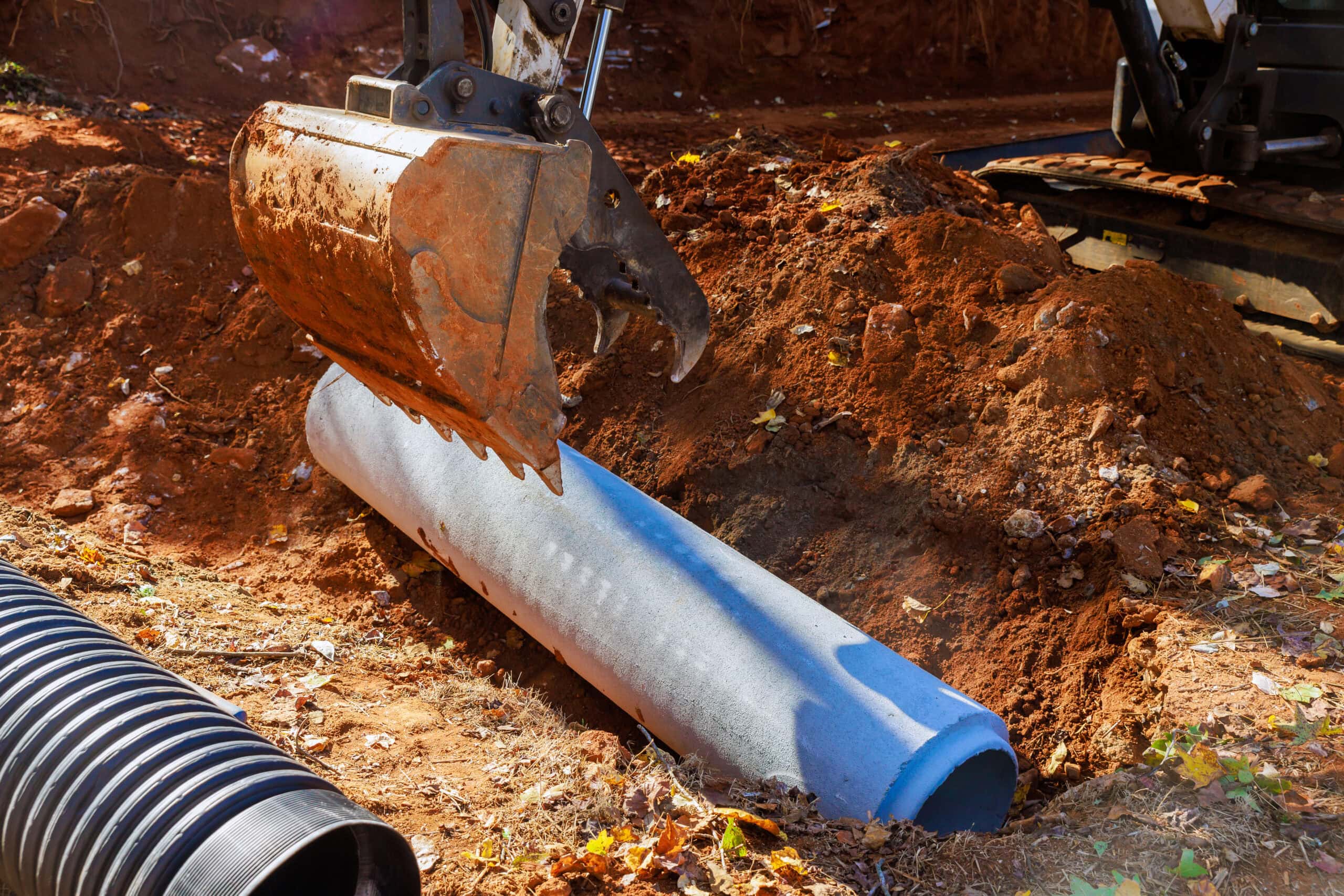
Construction SWPPP: Restaurant in Central Texas
ESE Partners developed a comprehensive Construction Storm Water Pollution Prevention Plan (SWPPP) to support construction of a new located in Central Texas.

EHS Compliance Support, Air Permitting, and SPCC Plans
ESE Partners conducted comprehensive environmental compliance services for multiple facilities located in South Texas, including Spill Prevention, Control, and Countermeasure (SPCC) plan development and air permitting support.
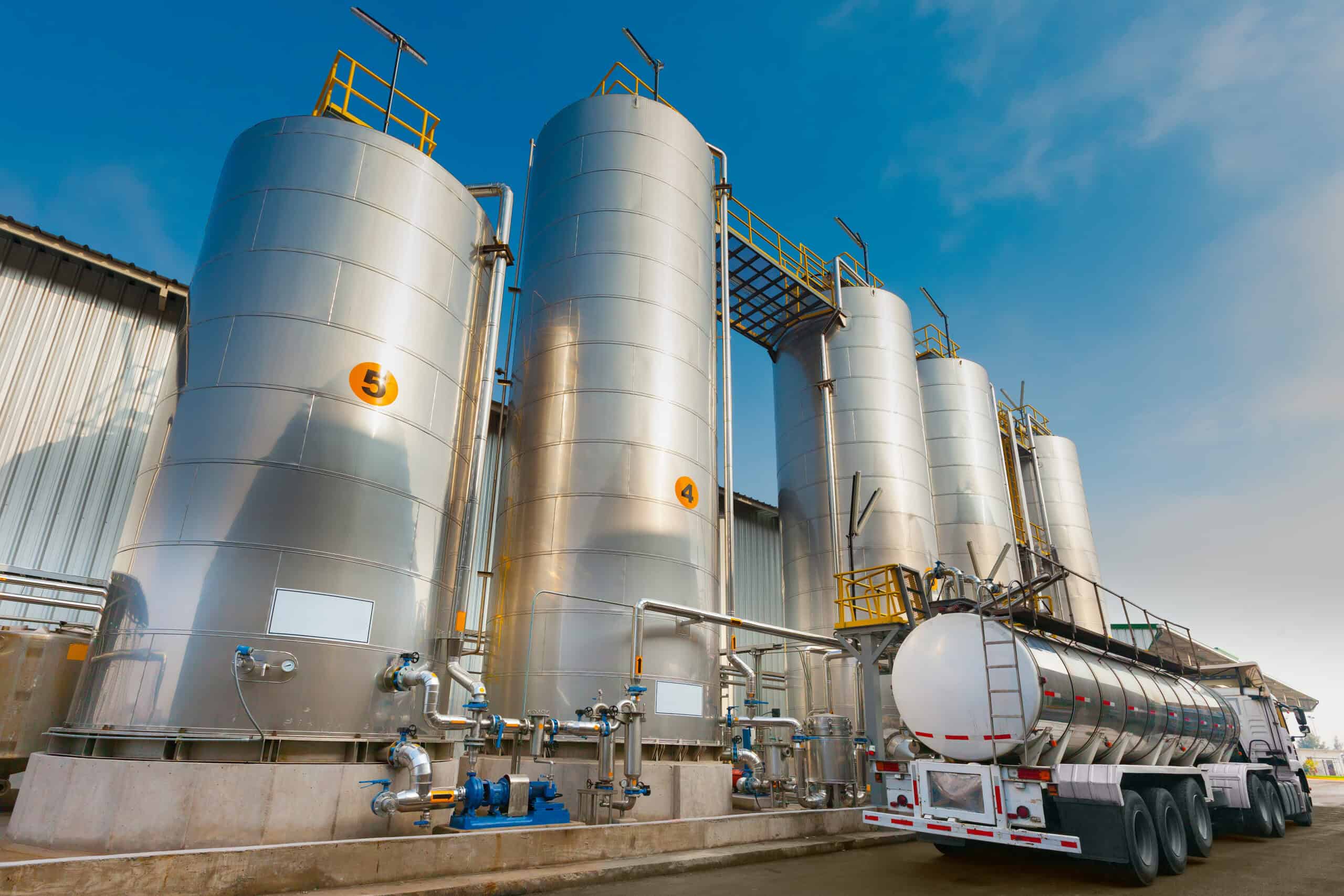
Efficient Air Permitting for New Transfer Operations
A bulk liquid storage and transfer operator sought to launch a new ethanol transloading operation involving rail-to-truck transfers using closed-loop loading.
Frequently Asked Questions About SPCC Plans
What is an SPCC Plan, and what does it include?
An SPCC Plan (Spill Prevention, Control, and Countermeasure Plan) is a facility-specific plan required under EPA’s SPCC Rule (40 CFR Part 112) for certain facilities that store oil and could reasonably discharge oil to navigable waters or adjoining shorelines. An SPCC Plan typically includes an oil storage inventory (tanks, drums, totes, transformers, hydraulic reservoirs, etc.), secondary containment design/criteria and inspection requirements, spill response procedures and reporting protocols, facility diagrams, drainage pathways, and discharge prevention measures, training and documentation requirements, and required certifications (self-certification for some “qualified facilities,” PE certification for others).
When is an SPCC Plan required?
You may need an SPCC Plan when oil storage and site conditions trigger EPA’s applicability criteria under 40 CFR Part 112. Common real-world triggers include property acquisition / environmental due diligence where aboveground oil storage is present (industrial, logistics, manufacturing, terminals), lender or insurer requirements tied to operational risk controls (especially for fuel systems and generator farms), facility expansions adding ASTs, day tanks, bulk lube systems, or oil-filled equipment, new site development where stormwater pathways could carry oil offsite, operational changes that alter containment, drainage, or spill response responsibilities, and facilities seeking “qualified facility” self-certification (Tier I/Tier II) rather than PE certification when eligible.
What are the risks of skipping or delaying an SPCC Plan?
Skipping or delaying an SPCC Plan can create regulatory exposure during EPA inspections (lack of a compliant plan or poor implementation), spill-driven liability (cleanup costs, third-party claims, and downtime), project and transaction delays (especially when diligence finds unmanaged oil storage risks), and operational disruptions when containment, inspections, and training aren’t standardized across sites. Oil spills don’t just create cleanup costs — they can delay construction, trigger enforcement, and complicate financing and transactions.
What does ESE Partners' SPCC Plan development process look like?
ESE Partners delivers SPCC Plans that are inspection-ready and built for real operations, not just compliance binders — providing clear determinations of SPCC applicability and qualified facility status, along with practical containment and inspection programs that fit the site without overcalling risk. The process includes: applicability and threshold screening (confirming whether the SPCC Rule applies based on oil types, storage, and discharge potential); site visit / records review (verifying oil storage, tank construction, labeling, and existing containment); engineering evaluation of containment (evaluating containment capacity, drainage controls, and discharge prevention measures); plan development aligned with 40 CFR Part 112 (preparing the SPCC Plan with procedures, diagrams, inspection checklists, and training elements); certification path (determining whether the Plan can be self-certified using the Tier I template where eligible, or requires PE certification); and implementation support (rolling out inspection forms, training support, and corrective action tracking). SPCC Plans are governed by the EPA SPCC Rule under 40 CFR Part 112, and some facilities may qualify as Tier I Qualified Facilities and choose to use EPA’s Tier I Qualified Facility SPCC Plan Template for self-certification when eligibility criteria are met.