What Is TCEQ AWS Reporting?
The TCEQ Annual Waste Summary (AWS) is an annual industrial and hazardous waste report submitted to the Texas Commission on Environmental Quality. It summarizes the amount of hazardous waste and Class 1 industrial waste generated or managed at a facility during the prior calendar year.
AWS reporting is commonly tied to a facility’s Solid Waste Registration (SWR), EPA ID, waste streams, waste management units, manifest records, and generator status.
Request Your TCEQ Annual Waste Summary Report Today
Texas’ most trusted environmental experts – comprehensive by design.
When Is TCEQ AWS Reporting Required?
TCEQ AWS reporting is generally required when a Texas facility has an active solid waste registration and generates or manages reportable hazardous waste or Class 1 industrial waste.
Common triggers include:
- Large Quantity Generator (LQG) operations generating hazardous waste above applicable thresholds
- Small Quantity Generator (SQG) operations with active TCEQ solid waste registrations
- Very Small Quantity Generators (VSQGs) that generate reportable Class 1 industrial nonhazardous waste
- Manufacturing, energy, industrial, chemical, warehouse, and maintenance operations that generate regulated waste streams
- Facilities with active waste streams or waste management units listed on a Notice of Registration
- Sites undergoing ownership changes, audits, refinancing, acquisitions, or environmental due diligence
- Facilities preparing for or responding to TCEQ inspections
For electronic reporting through STEERS, AWS reports are typically due March 1 of the year after the reporting period. For applicable paper reporting, the deadline may differ depending on facility status and reporting method.
ESE Partners’ Approach
ESE Partners helps clients complete Texas Commission on Environmental Quality (TCEQ) Annual Waste Summary (AWS) reporting with a practical, defensible, and facility-specific approach. We evaluate whether the waste codes, generator status, quantities, management methods, and facility records align with TCEQ expectations before anything goes into the form. We confirm the applicable hazardous waste and Class 1 industrial waste reporting requirements for regulatory accuracy. We collect data efficiently by organizing manifests, waste profiles, analytical data, invoices, and internal logs.
Our waste review identifies inconsistencies without overcomplicating routine reporting. We align the AWS with Texas-specific industrial and hazardous waste requirements, and we give facility managers, EHS teams, owners, and corporate compliance personnel a straightforward path to submittal. We also help clients maintain records that support transactions, audits, inspections, and lender due diligence.
Our Process
- Facility Compliance Review: We review your TCEQ registration status, EPA ID, generator category, active waste streams, and prior AWS submissions.
- Waste Record Collection: ESE gathers manifests, bills of lading, waste profiles, disposal facility documentation, analytical results, and internal generation records.
- Waste Classification Check: We evaluate whether waste streams are properly identified as hazardous, Class 1, Class 2, or Class 3, as applicable.
- Quantity and Code Reconciliation: We reconcile annual quantities, Texas waste codes, EPA hazardous waste numbers, management methods, and disposal destinations.
- AWS Preparation: We prepare the Annual Waste Summary for STEERS or paper submittal, depending on facility status and eligibility.
- Client Review and Submittal Support: We provide a clear review package and support final submission, including coordination with facility representatives.
- Recordkeeping and Follow-Up: We help maintain documentation needed for future AWS cycles, inspections, audits, and environmental due diligence.
Regulatory Framework
TCEQ AWS reporting is governed by Texas industrial and hazardous waste requirements, with federal Resource Conservation and Recovery Act (RCRA) requirements also relevant for hazardous waste generators. Key regulatory and guidance components include the TCEQ Industrial and Hazardous Waste Annual Waste Summary requirements, TCEQ Form 00436 for applicable paper AWS reporting, and the State of Texas Environmental Electronic Reporting System (STEERS) for electronic AWS submittals. They also include TCEQ RG-151, Annual Waste Summary Instructions for Industrial and Hazardous Waste, and 30 Texas Administrative Code (TAC) Chapter 335, which addresses industrial solid waste and municipal hazardous waste requirements. Federal hazardous waste generator standards are established under 40 CFR Part 262, and waste determination and classification requirements apply to hazardous and nonhazardous industrial waste streams.
Facilities generating waste must determine whether a waste is hazardous or nonhazardous. Industrial facilities must further classify nonhazardous industrial waste as Class 1, Class 2, or Class 3, as applicable.
Risks of Not Completing TCEQ AWS Reporting Correctly
Incomplete, late, or inaccurate AWS reporting can create avoidable business and compliance risk. Common issues include:
- TCEQ compliance exposure from missed annual reporting obligations
- Incorrect generator status due to poor waste quantity tracking
- Inaccurate waste classification that can affect disposal, fees, and regulatory obligations
- Inspection findings if manifests, waste codes, and AWS data do not align
- Deal delays during acquisitions, refinancing, or environmental due diligence
- Operational disruption if compliance gaps are discovered during audits or agency reviews
- Potential enforcement risk where reporting failures are part of a broader waste management compliance issue
AWS records can also support broader state and federal hazardous waste reporting obligations, including biennial reporting where applicable.
More Environmental Compliance Services

Air Compliance
As an environmental compliance company, ESE Partners provides numerous air compliance services to the oil & gas, energy, chemical, and manufacturing market sectors. Our air expertise includes air permitting (Permits by Rule, Standard Permits, New Source Review, Title V Permits), air dispersion modeling, onsite auditing and inspections, federal and state regulatory analysis, emissions inventory, GHG analysis, and deviation and periodic reporting.

Water Compliance
ESE’s water compliance capabilities include industrial and construction stormwater permitting, stormwater pollution prevention plan (SWPPP) preparation, SPCC planning, FRPs, RMPs, Tier II reporting, TRI reporting, AST/UST registration/permitting, wastewater permitting and reporting, onsite inspections and compliance audits, drinking water assessments, wetlands determinations, and water sourcing/acquisition planning. Our environmental compliance services keep your facilities in line with state and federal regulations.
Industries We Serve
ESE operates in a wide range of industries, all with unique needs and regulatory obligations. We offer experts who understand the broad complexity of environmental challenges faced by today’s businesses.

Oil & Gas Operators
Environmental consulting for upstream, midstream, and downstream operations—due diligence, compliance support, and remediation strategy. ESE helps operators manage regulatory risk and maintain operational continuity in Texas.

Telecom & Data Center Developers
ESE supports telecom and data center development with due diligence, permitting support, and construction-phase compliance. We help teams identify environmental constraints early, manage site risk, and keep schedules intact.
Land Development & Redevelopment
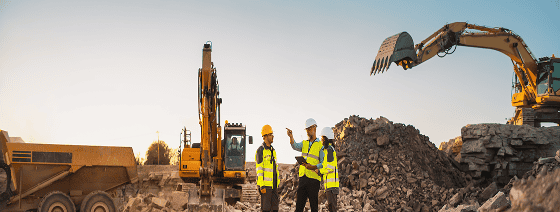
ESE supports developers with site screening, Phase I/II ESAs, and remediation planning for redevelopment and infill projects. We help identify constraints early and reduce delays during entitlement and construction.
Why ESE Partners
Texas’ Most Trusted Environmental Experts – Comprehensive by Design.
ESE Partners brings the regulatory knowledge and operational perspective needed to support TCEQ AWS reporting across Texas. Our teams understand how waste compliance intersects with real estate transactions, industrial operations, infrastructure projects, energy facilities, and corporate EHS programs. Clients choose ESE for Texas-focused expertise and practical experience working with TCEQ programs, and for statewide responsiveness across Houston, Dallas–Fort Worth, Austin, San Antonio, and surrounding markets. We offer integrated environmental services, including due diligence, remediation, compliance, natural and cultural resources, and building sciences. Our practical recommendations help clients address risk without overcalling routine issues. We provide scalable support for single facilities, multi-site portfolios, and complex industrial operations, and we communicate with lenders, buyers, sellers, attorneys, and corporate stakeholders with the deal in mind.
Need help with your TCEQ Annual Waste Summary? ESE Partners can review your waste records, prepare your AWS, and help keep your Texas facility compliant.
Talk to ESE Partners today to keep your reporting deadline—and your operations—moving.
Our Environmental Compliance Projects
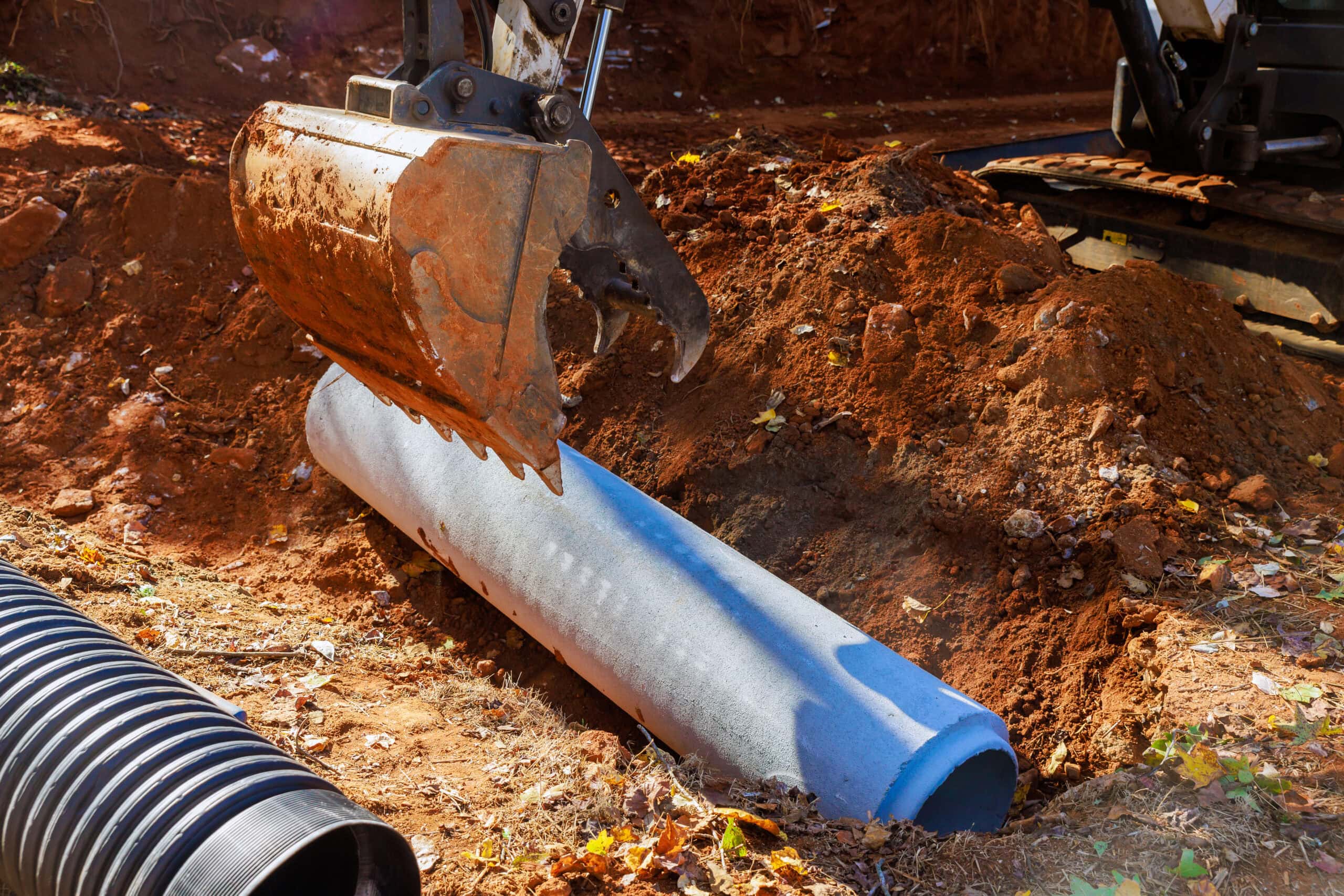
Construction SWPPP: Restaurant in Central Texas
ESE Partners developed a comprehensive Construction Storm Water Pollution Prevention Plan (SWPPP) to support construction of a new located in Central Texas.
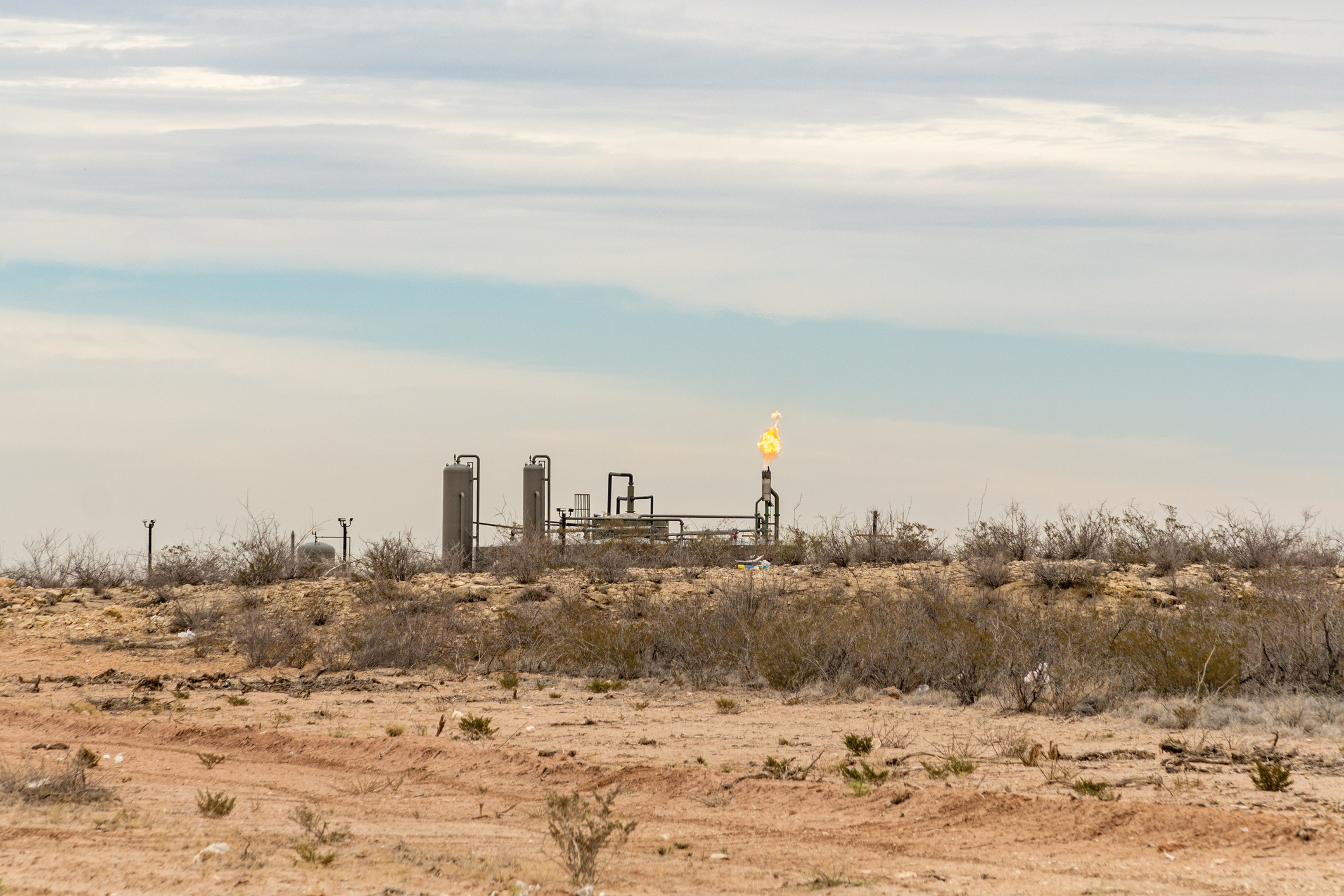
EHS Compliance Support, Air Permitting, and SPCC Plans
ESE Partners conducted comprehensive environmental compliance services for multiple facilities located in South Texas, including Spill Prevention, Control, and Countermeasure (SPCC) plan development and air permitting support.
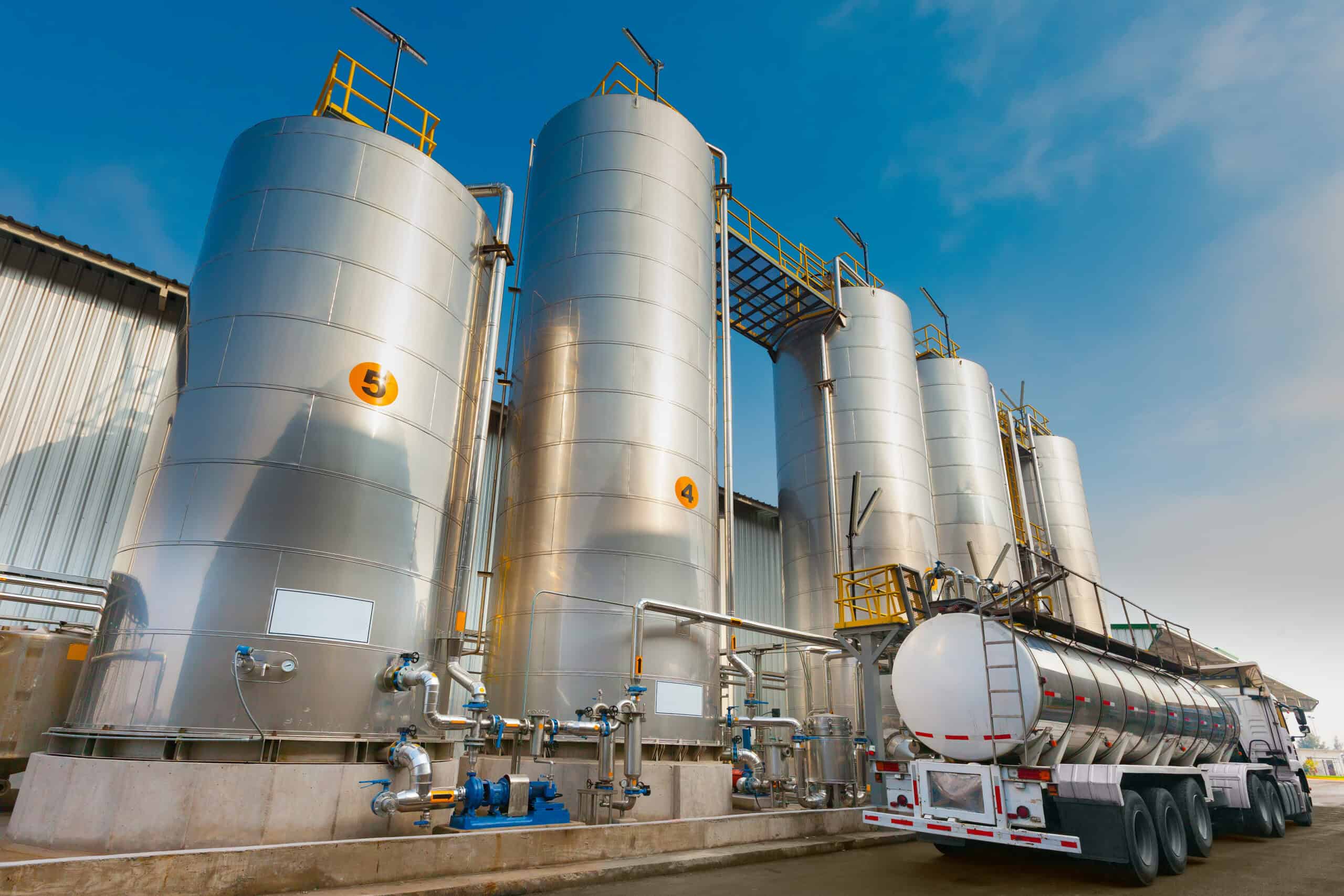
Efficient Air Permitting for New Transfer Operations
A bulk liquid storage and transfer operator sought to launch a new ethanol transloading operation involving rail-to-truck transfers using closed-loop loading.
Frequently Asked Questions About TCEQ Annual Waste Summary Reporting
What is TCEQ Annual Waste Summary (AWS) reporting?
The TCEQ Annual Waste Summary (AWS) is an annual industrial and hazardous waste report submitted to the Texas Commission on Environmental Quality (TCEQ). It summarizes the amount of hazardous waste and Class 1 industrial waste generated or managed at a facility during the prior calendar year. AWS reporting is commonly tied to a facility’s Solid Waste Registration (SWR), EPA ID, waste streams, waste management units, manifest records, and generator status.
When is AWS reporting required?
AWS reporting is generally required when a Texas facility has an active solid waste registration and generates or manages reportable hazardous waste or Class 1 industrial waste. Common triggers include Large Quantity Generator and Small Quantity Generator operations, Very Small Quantity Generators that generate reportable Class 1 industrial nonhazardous waste, and manufacturing, energy, industrial, chemical, warehouse, and maintenance operations that generate regulated waste streams. Facilities with active waste streams or waste management units listed on a Notice of Registration also report, as do sites undergoing ownership changes, audits, refinancing, acquisitions, or environmental due diligence, and facilities preparing for or responding to TCEQ inspections. For electronic reporting through the State of Texas Environmental Electronic Reporting System (STEERS), AWS reports are typically due March 1 of the year after the reporting period.
What are the risks of incomplete, late, or inaccurate AWS reporting?
Incomplete, late, or inaccurate AWS reporting can create TCEQ compliance exposure from missed annual reporting obligations. Poor waste quantity tracking can lead to incorrect generator status, and inaccurate waste classification can affect disposal, fees, and regulatory obligations. Inspection findings can result if manifests, waste codes, and AWS data do not align, and deals can be delayed during acquisitions, refinancing, or environmental due diligence. Compliance gaps discovered during audits or agency reviews can disrupt operations, and reporting failures can add enforcement risk when they are part of a broader waste management compliance issue.
What does ESE Partners’ AWS reporting process look like?
ESE Partners starts with a facility compliance review of your TCEQ registration status, EPA ID, generator category, active waste streams, and prior AWS submissions. We collect waste records, including manifests, bills of lading, waste profiles, disposal facility documentation, analytical results, and internal generation records, and check that waste streams are properly identified as hazardous, Class 1, Class 2, or Class 3. We reconcile annual quantities, Texas waste codes, EPA hazardous waste numbers, management methods, and disposal destinations, then prepare the AWS for STEERS or paper submittal depending on facility status and eligibility. A clear review package and submittal support follow, along with recordkeeping help for future AWS cycles, inspections, audits, and environmental due diligence.