What Is Tier II Reporting?
Tier II Reporting is the annual submission of a facility’s hazardous chemical inventory—typically based on Safety Data Sheets (SDSs) and maximum quantities present during the prior calendar year—to state and local emergency planning/response agencies.
These requirements come from:
- EPCRA Sections 311 and 312
- Federal implementing regulations in 40 CFR Part 370
In Texas, Tier II reporting is administered through the Texas Commission on Environmental Quality (TCEQ) Texas Tier II program and is submitted electronically through the state’s reporting system.
Request Your Tier II Reporting Services Today
Texas’ most trusted environmental experts – comprehensive by design.
When Is It Required?
Tier II reporting is generally required when a facility has hazardous chemicals on-site at or above EPCRA reporting thresholds at any time during the reporting year.
Common triggers include:
- Extremely Hazardous Substances (EHSs): threshold is typically 500 pounds or the Threshold Planning Quantity (TPQ), whichever is less
- Other hazardous chemicals with an SDS: reporting applies when the chemical meets or exceeds applicable EPCRA thresholds
Typical situations where Tier II becomes critical:
- Acquisitions, divestitures, refinancing, and lender environmental due diligence
- Industrial, manufacturing, terminal, midstream, and utility operations
- Warehousing/distribution with bulk products or packaged chemicals
- Sites storing fuels, process chemicals, treatment chemicals, or maintenance chemicals
Annual deadline: Tier II hazardous chemical inventory reports are generally due March 1 each year for the prior calendar year.
ESE Partners’ Approach
ESE Partners delivers fast, defensible, and practical Tier II reporting, focused on reducing compliance risk without overcalling issues. Our approach starts with reconciling safety data sheets (SDS) and inventory, aligning the SDS library with purchasing logs and actual storage. Our threshold evaluation holds up, especially for extremely hazardous substances (EHSs), mixtures, and peak-quantity questions. We execute Texas-specific work aligned with TCEQ program expectations. We also provide audit-ready documentation to support inspections, client audits, and transactions.
Our Process
- Kickoff + scoping: Facility contacts, processes, and chemical storage areas
- SDS and chemical list review: Identify gaps, duplicates, and inconsistent naming
- Applicability screening: Determine which chemicals/EHSs trigger reporting thresholds
- Inventory quantification: Establish maximum quantities and storage conditions/locations
- Tier II preparation: Compile facility, chemical, and storage data for the report
- Electronic submission + confirmation: Submit and retain confirmation for records
- Closeout + improvements: Deliver compliance package and preventive recommendations
Regulatory Framework
EPCRA Sections 311 and 312, under the Emergency Planning and Community Right-to-Know Act, ground Tier II reporting. They cover hazardous chemical reporting and annual inventory reporting. 40 CFR Part 370 sets the federal hazardous chemical inventory reporting rules. Extremely hazardous substance (EHS) threshold and threshold planning quantity (TPQ) concepts are also commonly referenced with EHS determinations.
On the Texas side, the TCEQ Texas Tier II program administers the state process and electronic submission requirements.
Risks of Not Completing Tier II Reporting
Failing to file—or filing inaccurately—can lead to:
- Enforcement exposure for missed or incorrect reporting
- Deal delays during lender/PE diligence when compliance can’t be documented
- Higher incident risk if responders lack accurate chemical location/quantity data
- Costly backtracking when gaps are discovered during audits or inspections
More Environmental Compliance Services

Air Compliance
As an environmental compliance company, ESE Partners provides numerous air compliance services to the oil & gas, energy, chemical, and manufacturing market sectors. Our air expertise includes air permitting (Permits by Rule, Standard Permits, New Source Review, Title V Permits), air dispersion modeling, onsite auditing and inspections, federal and state regulatory analysis, emissions inventory, GHG analysis, and deviation and periodic reporting.

Water Compliance
ESE’s water compliance capabilities include industrial and construction stormwater permitting, stormwater pollution prevention plan (SWPPP) preparation, SPCC planning, FRPs, RMPs, Tier II reporting, TRI reporting, AST/UST registration/permitting, wastewater permitting and reporting, onsite inspections and compliance audits, drinking water assessments, wetlands determinations, and water sourcing/acquisition planning. Our environmental compliance services keep your facilities in line with state and federal regulations.
Industries We Serve
ESE operates in a wide range of industries, all with unique needs and regulatory obligations. We offer experts who understand the broad complexity of environmental challenges faced by today’s businesses.

Oil & Gas Operators
Environmental consulting for upstream, midstream, and downstream operations—due diligence, compliance support, and remediation strategy. ESE helps operators manage regulatory risk and maintain operational continuity in Texas.

Telecom & Data Center Developers
ESE supports telecom and data center development with due diligence, permitting support, and construction-phase compliance. We help teams identify environmental constraints early, manage site risk, and keep schedules intact.
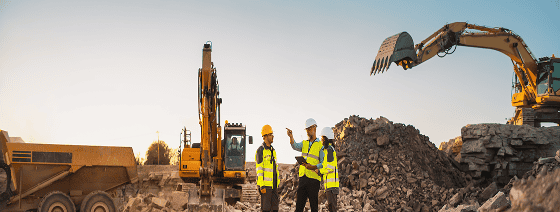
Land Development & Redevelopment
ESE supports developers with site screening, Phase I/II ESAs, and remediation planning for redevelopment and infill projects. We help identify constraints early and reduce delays during entitlement and construction.
Why ESE Partners
Texas’ Most Trusted Environmental Experts – Comprehensive by Design
Clients choose ESE Partners because we combine compliance depth with deal and operational awareness. Our delivery is Texas-focused, covering Houston, Dallas–Fort Worth, Austin, San Antonio, and statewide. We offer integrated service lines, including environmental, health, and safety (EHS) compliance, environmental due diligence, remediation support, and more. We execute with deadlines in mind, building our work around the March 1 reporting cycle. Our guidance is practical and business-minded for operators, owners, and deal teams.
Need Tier II Reporting support for a single Texas facility or a multi-site portfolio?
Request a scope and schedule from ESE Partners—so you can file on time and stay audit-ready.
Our Environmental Compliance Projects
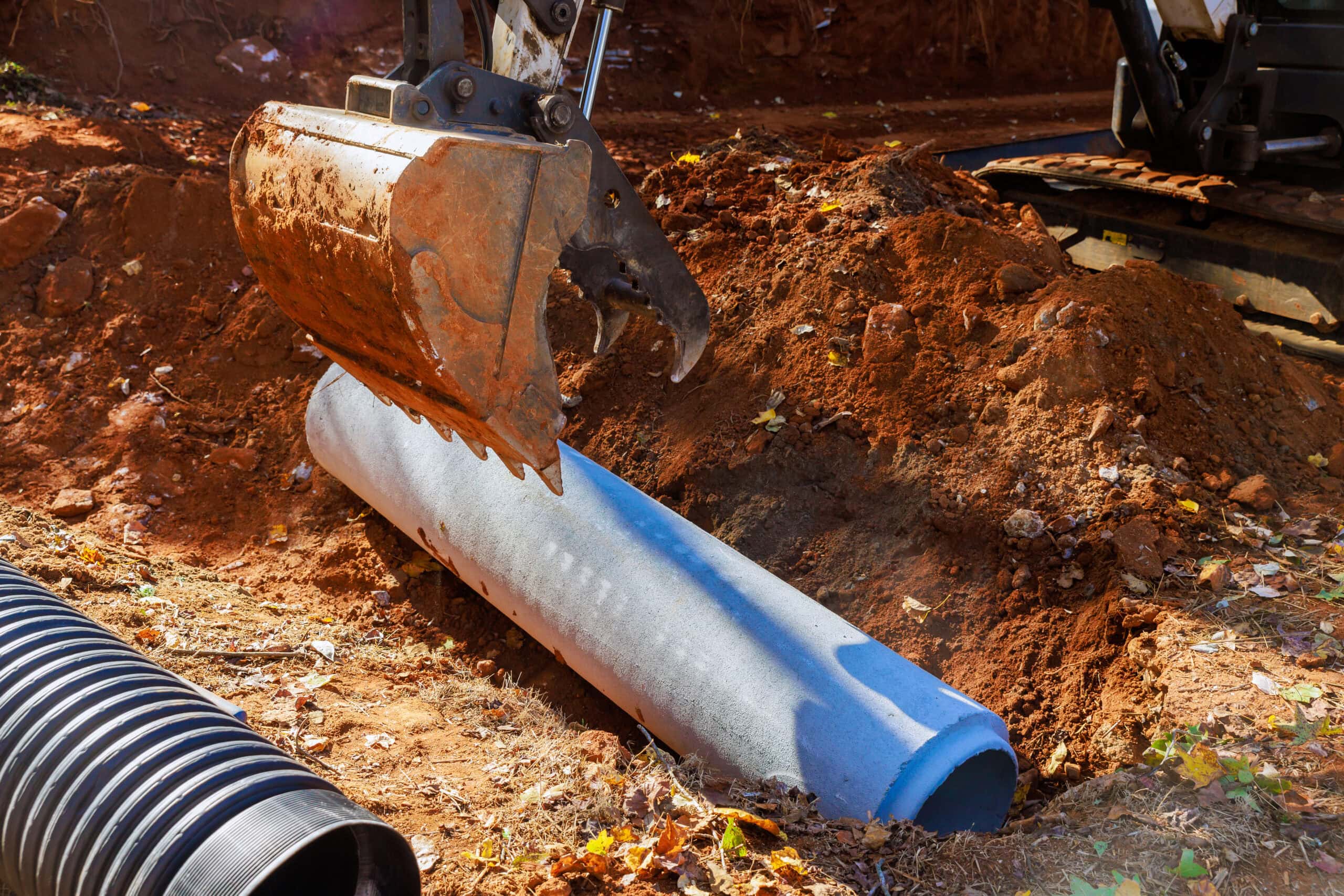
Construction SWPPP: Restaurant in Central Texas
ESE Partners developed a comprehensive Construction Storm Water Pollution Prevention Plan (SWPPP) to support construction of a new located in Central Texas.
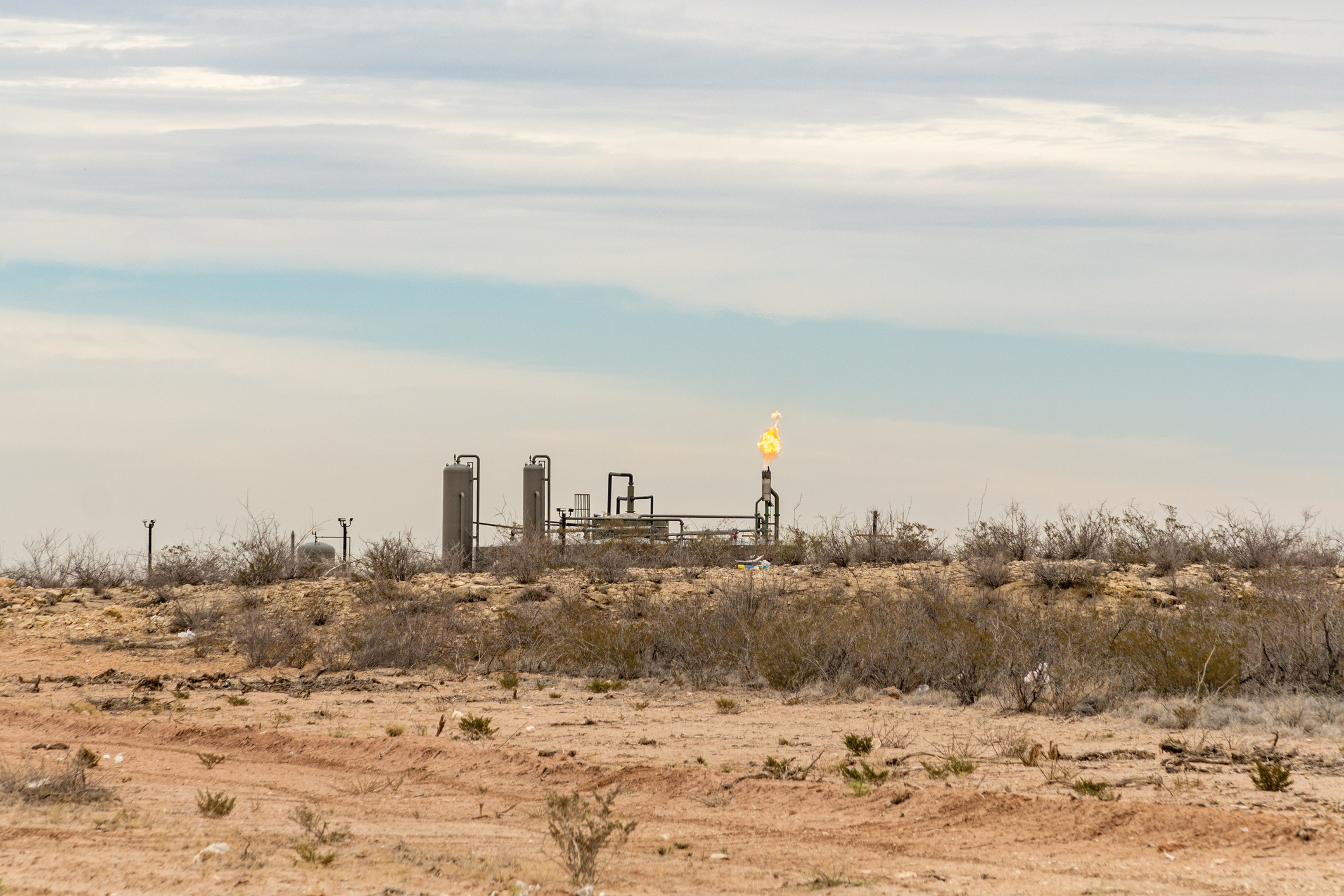
EHS Compliance Support, Air Permitting, and SPCC Plans
ESE Partners conducted comprehensive environmental compliance services for multiple facilities located in South Texas, including Spill Prevention, Control, and Countermeasure (SPCC) plan development and air permitting support.
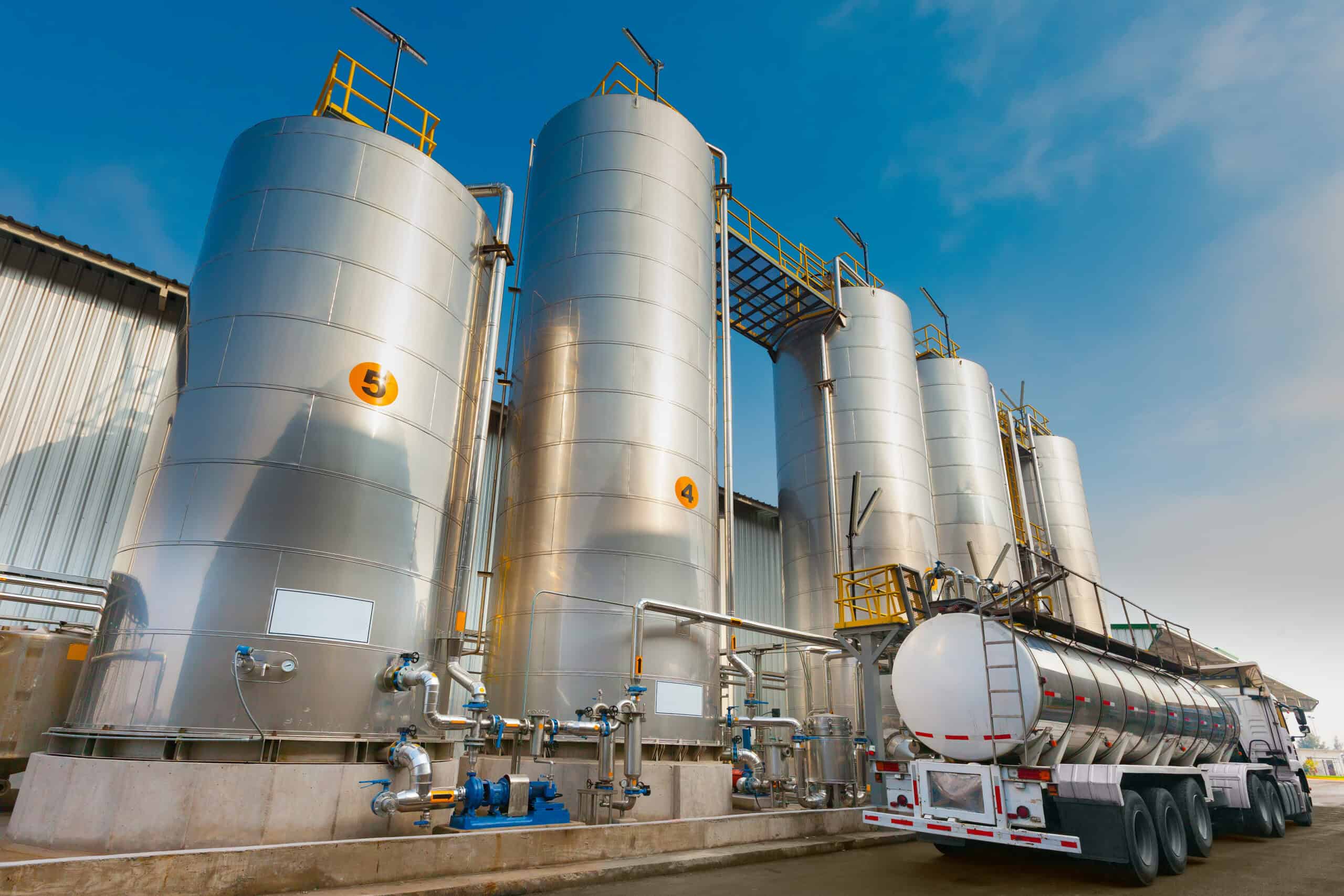
Efficient Air Permitting for New Transfer Operations
A bulk liquid storage and transfer operator sought to launch a new ethanol transloading operation involving rail-to-truck transfers using closed-loop loading.
Frequently Asked Questions About Tier II Reporting
What is Tier II reporting?
Tier II reporting is the annual submission of a facility’s hazardous chemical inventory, typically based on Safety Data Sheets (SDSs) and the maximum quantities present during the prior calendar year, to state and local emergency planning and response agencies. The requirements come from Sections 311 and 312 of the Emergency Planning and Community Right-to-Know Act (EPCRA) and the federal implementing regulations in 40 CFR Part 370. In Texas, Tier II reporting is administered through the Texas Commission on Environmental Quality (TCEQ) Texas Tier II program and is submitted electronically through the state’s reporting system.
When is Tier II reporting required?
Tier II reporting is generally required when a facility has hazardous chemicals on-site at or above EPCRA reporting thresholds at any time during the reporting year. For Extremely Hazardous Substances (EHSs), the threshold is typically 500 pounds or the Threshold Planning Quantity (TPQ), whichever is less, and other hazardous chemicals with an SDS must be reported when they meet or exceed applicable EPCRA thresholds. Tier II often becomes critical during acquisitions, divestitures, refinancing, and lender environmental due diligence, and at industrial, manufacturing, terminal, midstream, and utility operations. It also applies to warehousing and distribution with bulk products or packaged chemicals, and to sites storing fuels, process chemicals, treatment chemicals, or maintenance chemicals. Reports are generally due March 1 each year for the prior calendar year.
What are the risks of failing to file Tier II reports or filing them inaccurately?
Failing to file, or filing inaccurately, can lead to enforcement exposure for missed or incorrect reporting. It can also cause deal delays during lender and private equity diligence when compliance can’t be documented, and higher incident risk if responders lack accurate chemical location and quantity data. Gaps discovered during audits or inspections lead to costly backtracking.
What does ESE Partners’ Tier II reporting process look like?
ESE Partners starts with a kickoff and scoping covering facility contacts, processes, and chemical storage areas, then reviews SDSs and chemical lists to identify gaps, duplicates, and inconsistent naming. We screen applicability to determine which chemicals, including EHSs, trigger reporting thresholds, and quantify inventory by establishing maximum quantities and storage conditions and locations. Our team prepares the Tier II report by compiling facility, chemical, and storage data, then submits it electronically and retains the confirmation for your records. We close out with a compliance package and preventive recommendations.