Habitat Assessments for Natural Resources in Texas

Texas’ Most Trusted Environmental Experts – Comprehensive by Design

Development schedules move quickly—but habitat constraints can stop a project just as fast. ESE Partners provides Habitat Assessments in Texas to help developers, lenders, energy companies, infrastructure teams, and attorneys identify ecological constraints early, understand permitting risk, and keep projects moving across Houston, Dallas-Fort Worth, Austin, San Antonio, and statewide.

What Is a Habitat Assessment?

A Habitat Assessment is a field-based and desktop evaluation of a property’s potential to support sensitive ecological resources, including threatened and endangered species, critical habitat, wetlands, streams, riparian corridors, native vegetation communities, and other wildlife habitat features.

For real estate, energy, transportation, utility, and infrastructure projects, a Habitat Assessment helps determine whether a site may require additional agency coordination, avoidance planning, permitting, or mitigation before construction or land disturbance begins. In Texas, this work often includes review of federal and state-listed species resources, including Texas Parks and Wildlife Department county-level rare, threatened, and endangered species data.

Unlike a Phase I ESA, which focuses on environmental contamination risk, a Habitat Assessment focuses on ecological constraints that may affect site feasibility, development layout, permitting, and project timelines.

Request Your Habitat Assessment Today

Texas’ most trusted environmental experts – comprehensive by design.

When Is It Required?

A Habitat Assessment may be required—or strongly recommended—when a project involves:

  • Land acquisition or development of raw land, ranch land, industrial sites, or large commercial tracts
  • Renewable energy, oil and gas, transmission, pipeline, or utility projects
  • Roadway, drainage, municipal, or public infrastructure improvements
  • Projects near wetlands, streams, floodplains, riparian corridors, or coastal areas
  • Federal funding, federal permits, or federal approvals that may trigger environmental review
  • Potential impacts to threatened or endangered species or designated critical habitat
  • Clean Water Act permitting considerations, especially where dredged or fill material may be discharged into waters of the United States, including wetlands
  • Lender, investor, or attorney due diligence for development feasibility
  • Pre-construction risk screening before site clearing, grading, or civil design is finalized

ESE Partners’ Approach

ESE’s Habitat Assessments are designed to support real-world project decisions. Our team combines ecological field expertise with practical development experience to identify constraints early and communicate findings clearly. We understand that clients need to know whether the site can be developed, what areas should be avoided, whether agency coordination is likely, whether permitting could delay closing or construction, and what the practical next steps are.

ESE evaluates habitat conditions using a combination of desktop research, field reconnaissance, GIS review, species range and occurrence data, site photography, vegetation observations, hydrologic indicators, and project-specific impact considerations. When risks are identified, we provide practical recommendations that support design, permitting, financing, and transaction strategy.

We do not overcall risk. We identify what matters, explain why it matters, and help clients move forward with confidence.

Our Process

  1. Project Kickoff and Scope Review: We review the property location, proposed development activity, timeline, site plans, lender or agency requirements, and known project constraints.
  2. Desktop Resource Review: ESE evaluates available mapping, aerial imagery, soils, hydrology, floodplain data, TPWD resources, USFWS resources, critical habitat information, and nearby ecological features.
  3. Field Reconnaissance: Our team conducts a site visit to observe vegetation communities, habitat types, potential wetlands or streams, wildlife indicators, disturbed areas, access constraints, and potential sensitive resource areas.
  4. Threatened and Endangered Species Screening: We assess whether site conditions may provide suitable habitat for listed or sensitive species based on known ranges, habitat preferences, and observed field conditions.
  5. Preliminary Wetland and Water Feature Review: Where applicable, we evaluate whether aquatic features may warrant further assessment, such as a wetland delineation or Clean Water Act permitting review.
  6. Impact and Constraint Evaluation: ESE identifies potential development constraints, avoidance opportunities, permitting triggers, and schedule risks.
  7. Clear Reporting and Recommendations: We provide a concise, decision-ready Habitat Assessment report with findings, maps, photographs, and practical next steps.

Regulatory Framework

Habitat Assessments may support compliance strategy under several federal and state environmental programs, depending on project location, funding, permits, and proposed impacts. Key regulatory considerations may include:

Endangered Species Act (ESA)

Federal agencies must evaluate whether actions they authorize, fund, or carry out are likely to jeopardize listed species or adversely modify designated critical habitat through Section 7 consultation, when applicable.

Clean Water Act Section 404

Regulates the discharge of dredged or fill material into waters of the United States, including wetlands; projects must generally avoid, minimize, and compensate for unavoidable aquatic resource impacts where permitting applies.

Texas Parks and Wildlife Department Resources

TPWD provides county-level information on rare, threatened, and endangered species in Texas that is commonly used for planning, screening, and ecological due diligence.

NEPA-Related Environmental Review

Projects involving federal funding, permits, land, or approvals may require ecological review as part of a broader environmental assessment process.

Local and Regional Requirements

Certain municipalities, counties, conservation districts, coastal programs, or project-specific permits may require habitat-related documentation. A Habitat Assessment does not replace formal agency consultation, a jurisdictional determination, or a wetland delineation when those are required. It helps determine whether those next steps may be necessary.

Risks of Not Completing a Habitat Assessment

Skipping a Habitat Assessment can create avoidable project risk, especially on undeveloped or ecologically complex sites.

Potential risks include:

  • Construction delays if sensitive habitat or protected species concerns are discovered late
  • Unexpected redesign costs to avoid wetlands, streams, riparian corridors, or habitat areas
  • Permit delays related to Clean Water Act, endangered species, or other environmental review requirements
  • Lender or investor concerns during acquisition, refinancing, or development financing
  • Regulatory exposure if site clearing or fill activities affect protected resources without proper review
  • Reduced land value or development yield if ecological constraints are identified after closing
  • Transaction uncertainty for buyers, sellers, brokers, attorneys, and capital partners

Early ecological due diligence gives project teams time to adjust design, manage risk, and avoid last-minute surprises.

More Natural Resources Services

environmental water compliance icon

Protected Species and Wildlife

ESE Partners provides a wide range of protected species and other wildlife-related services to our clients. ESE’s seasoned Biologists are permitted to conduct presence/absence surveys for federally endangered species and habitat assessments. We have conducted acoustic monitoring and analysis in multiple states for a wide variety of bat and herpetological species. We provide natural resource assessments and federal and state regulatory consultation services as required by our clients’ projects.
environmental water compliance icon

Regulatory and Planning Documentation

ESE is experienced with a variety of reporting and field investigations required under the National Environmental Policy Act (NEPA) including Environmental Assessments and Categorical Exclusions and other similar studies requested by our clients. ESE conducts Critical Issues Analyses and Site Characterization Studies for a variety of clients, but primarily for proposed renewable energy development. ESE is experienced with studies required by municipalities, including but not limited to, Environmental Resource Inventories required by the City of Austin.

Industries We Serve

ESE operates in a wide range of industries, all with unique needs and regulatory obligations. We offer experts who understand the broad complexity of environmental challenges faced by today’s businesses.

Real Estate Brokers & Developers

ESE helps brokers and developers reduce deal friction and avoid surprises through fast, defensible environmental due diligence. We support property evaluations, redevelopment risk screening, and transaction-ready reporting for Texas assets.

Private Equity/Capital
Investors

Transaction support for acquisitions and portfolio oversight, including Phase I/II ESAs and risk-based evaluation. We provide clear findings, practical recommendations, and scalable diligence support.

Financial Institutions

ESE supports lender-driven environmental due diligence and portfolio risk management, including Phase I/II ESAs and risk screening. We deliver consistent, defensible reporting aligned with credit and closing timelines.

Attorneys

Technical support for environmental risk, liability evaluation, and regulatory strategy. We provide clear documentation and expert collaboration to support transactions, compliance matters, and remediation planning.

Why ESE Partners

Texas’ Most Trusted Environmental Experts – Comprehensive by Design

Clients choose ESE for Habitat Assessments because we bring the right combination of technical depth, business urgency, and Texas-specific experience.

What Sets ESE Apart

We bring Texas-focused expertise, understanding Texas ecosystems, development pressures, agency expectations, and regional constraints, including Gulf Coast wetlands, Hill Country karst landscapes, North Texas prairies, South Texas brushland, and West Texas energy corridors.

We communicate with the deal in mind. Our clients are often working against closing dates, financing deadlines, entitlement schedules, and construction mobilization, so our reports are clear, practical, and built for decision-making.

ESE can support your project beyond habitat review with integrated environmental services, including Phase I ESAs, Phase II ESAs, wetlands, remediation, compliance, stormwater, natural and cultural resources, and building sciences.

Our responsive statewide teams serve projects across Houston, Dallas–Fort Worth, Austin, San Antonio, and rural Texas markets, with the ability to scale for single-site due diligence or large multi-site portfolios.

We manage risk practically. We identify real constraints, avoid unnecessary alarm, and provide actionable recommendations that help owners, developers, lenders, and counsel move forward.

Need a Habitat Assessment in Texas for acquisition, development, permitting, or project planning?

Contact ESE Partners today to keep your deal moving and get a clear path forward.

Our Natural Resource Projects
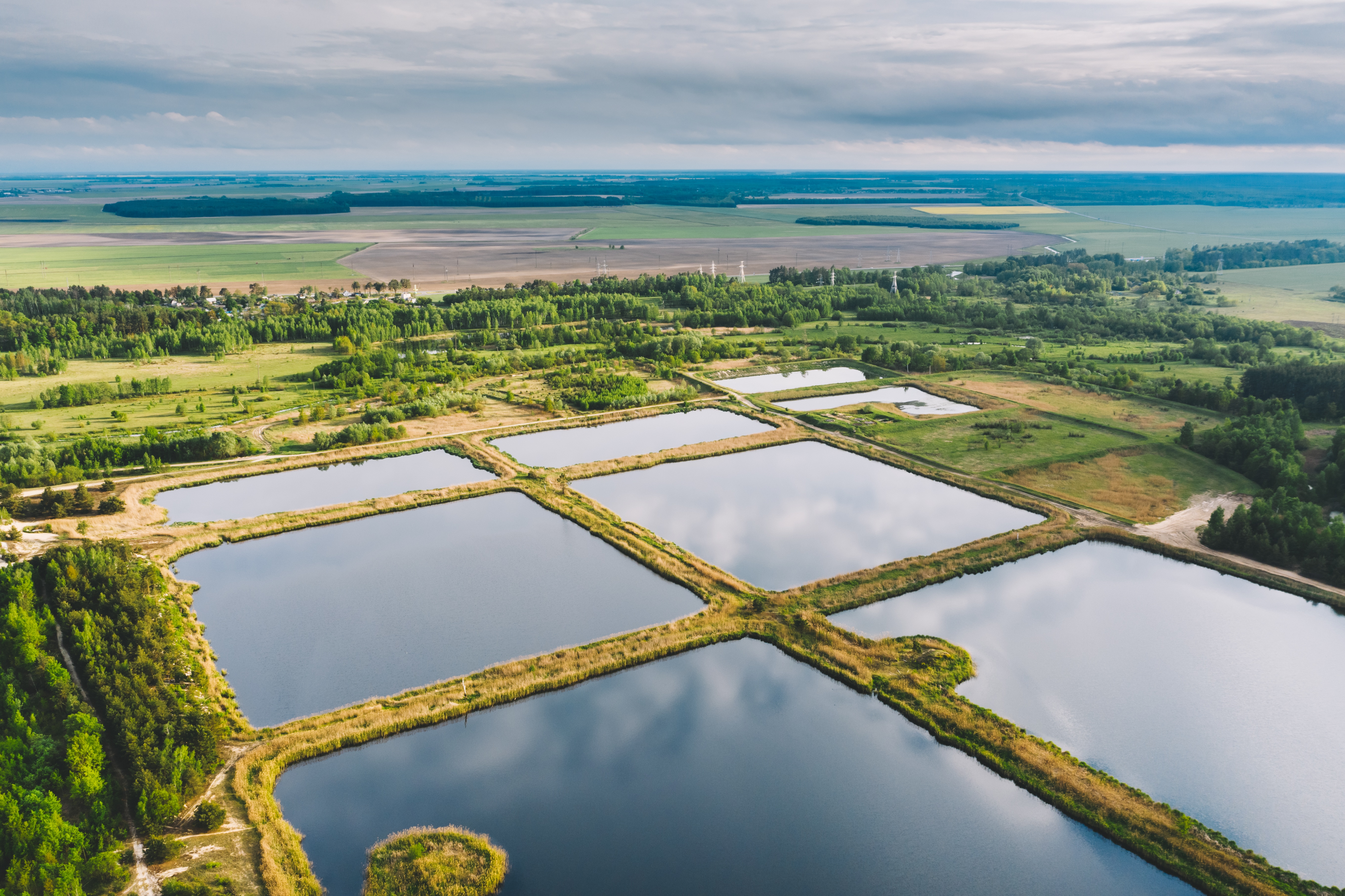
WOTUS Delineation for Proposed Stormwater Detention Improvements
ESE conducted a comprehensive Water Resources Evaluation for an approximately 102-acre tract to support planned stormwater detention improvements and assess potential impacts to Waters of the United States under Section 404 of the Clean Water Act.

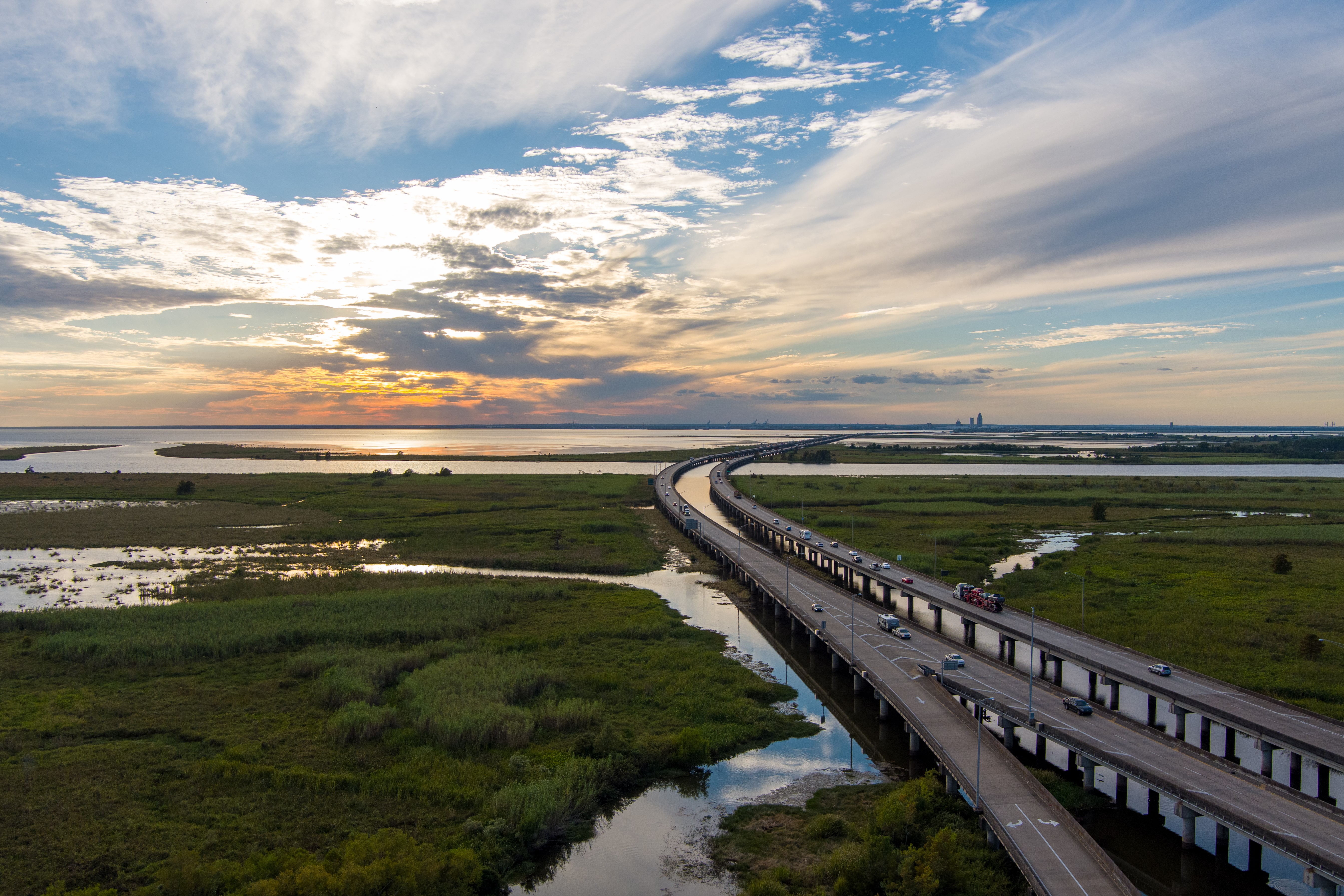
Comprehensive Water Resources Evaluation for Linear Transportation Corridor
ESE conducted a comprehensive Wetland and Waters of the United States evaluation along an approximately 16-mile coastal transportation corridor in South Texas to support ongoing infrastructure planning and regulatory coordination.

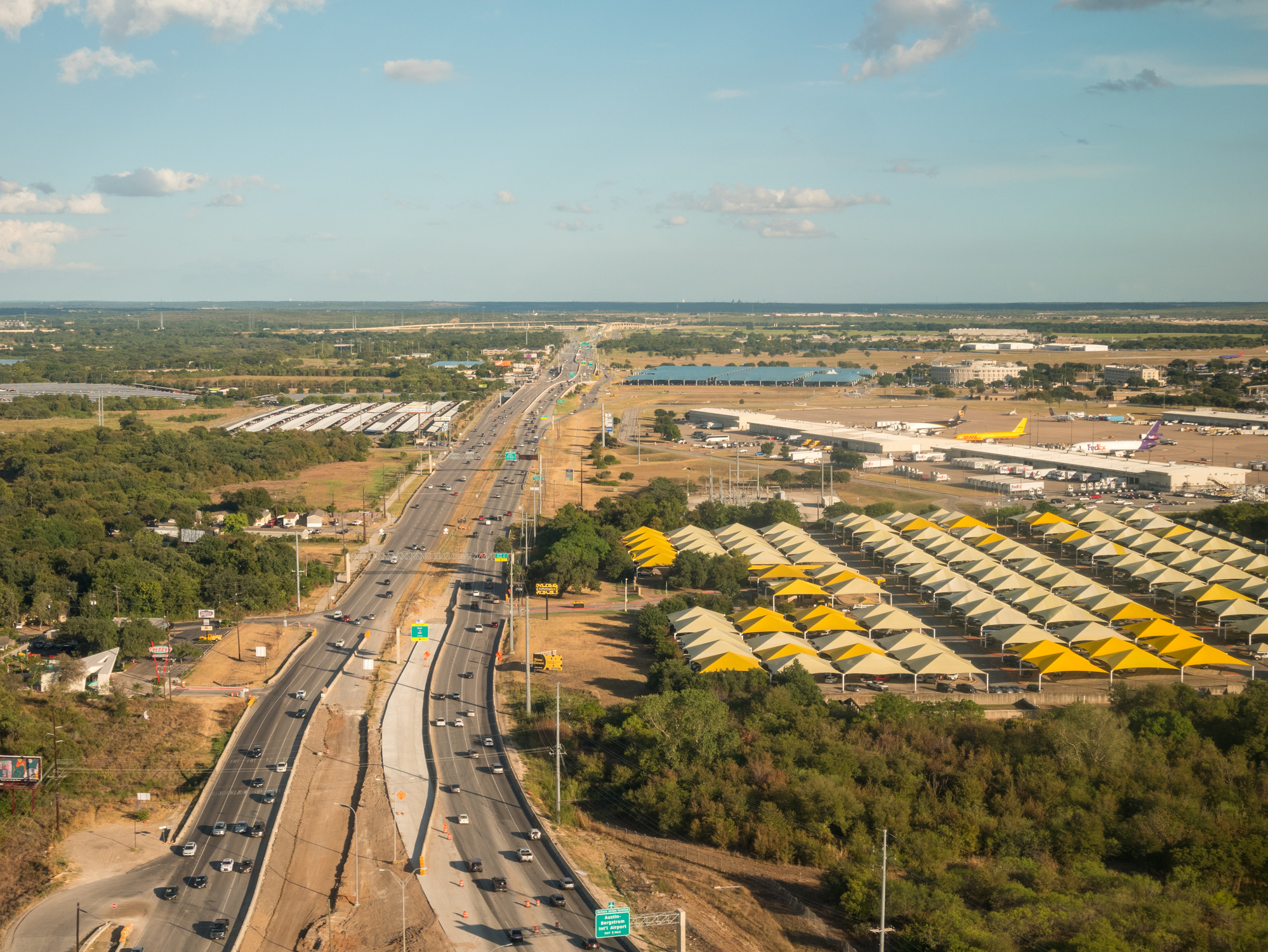
City of Austin ERI

ESE prepared a City of Austin Environmental Resources Inventory (ERI) to fulfill City of Austin requirements and support the project’s planning and development for regional airport parking.

Frequently Asked Questions About Habitat Assessments for Natural Resources

What is a habitat assessment, and how is it different from a Phase I ESA?

A habitat assessment is a field-based and desktop evaluation of a property’s potential to support sensitive ecological resources, including threatened and endangered species, critical habitat, wetlands, streams, riparian corridors, native vegetation communities, and other wildlife habitat features. For real estate, energy, transportation, utility, and infrastructure projects, it helps determine whether a site may require additional agency coordination, avoidance planning, permitting, or mitigation before construction or land disturbance begins. In Texas, the work often includes review of federal and state-listed species resources, including Texas Parks and Wildlife Department (TPWD) county-level rare, threatened, and endangered species data. Unlike a Phase I Environmental Site Assessment, which focuses on environmental contamination risk, a habitat assessment focuses on ecological constraints that may affect site feasibility, development layout, permitting, and project timelines.

When is a habitat assessment required or recommended?

A habitat assessment may be required, or strongly recommended, for land acquisition or development of raw land, ranch land, industrial sites, or large commercial tracts. It also applies to renewable energy, oil and gas, transmission, pipeline, and utility projects, and to roadway, drainage, municipal, and public infrastructure improvements. Projects near wetlands, streams, floodplains, riparian corridors, or coastal areas commonly need one, as do projects with federal funding, permits, or approvals that may trigger environmental review, or potential impacts to threatened or endangered species or designated critical habitat. Clean Water Act permitting considerations, especially where dredged or fill material may be discharged into waters of the United States, and lender, investor, or attorney due diligence for development feasibility are other triggers. Pre-construction risk screening before site clearing, grading, or civil design is finalized is another common use.

Does a habitat assessment replace agency consultation or a wetland delineation?

No. A habitat assessment does not replace formal agency consultation, a jurisdictional determination, or a wetland delineation when those are required. It helps determine whether those next steps may be necessary. Under Endangered Species Act Section 7, federal agencies must evaluate whether actions they authorize, fund, or carry out are likely to jeopardize listed species or adversely modify designated critical habitat, when applicable. Where aquatic features are present, ESE’s preliminary wetland and water feature review evaluates whether they may warrant further assessment, such as a wetland delineation or Clean Water Act permitting review.

What does ESE Partners’ habitat assessment process look like?

ESE Partners starts with a project kickoff and scope review of the property location, proposed development activity, timeline, site plans, lender or agency requirements, and known project constraints. Our team then reviews desktop resources, including mapping, aerial imagery, soils, hydrology, floodplain data, TPWD and U.S. Fish and Wildlife Service resources, critical habitat information, and nearby ecological features, and conducts a site visit to observe vegetation communities, habitat types, potential wetlands or streams, wildlife indicators, and disturbed areas. We screen for threatened and endangered species based on known ranges, habitat preferences, and observed conditions, review aquatic features where applicable, and identify development constraints, avoidance opportunities, permitting triggers, and schedule risks. A concise, decision-ready report with findings, maps, photographs, and practical next steps follows.

Contact Us

Thank you for your interest in ESE Partners. We look forward to answering your questions and discuss how we can help your organization.

Proposal Request

    Ready to move forward? Fill out the form below and a member of our team will be in touch within 1 business day. For urgent needs, call us directly.


    Phase I ESAPhase II ESAAsbestosLeadMoldRenewable Siting/PermittingWetlandsAir PermitStormwater PermitArchelogyOther


    Fast turnaround — expect to hear from us within 1 business day.

    Talk to a Natural Resources Expert