What Is FEMA Floodplain ESA Compliance?
FEMA Floodplain ESA Compliance is the evaluation of a property or project for floodplain-related environmental risk, federal compliance triggers, and development constraints using FEMA Flood Insurance Rate Maps, available flood hazard data, and applicable environmental review requirements.
For projects involving federal funding, federal permits, or federally assisted development, floodplain review may be required under Executive Order 11988, which directs federal agencies to avoid adverse impacts associated with floodplain occupancy where practicable.
For commercial real estate transactions, a floodplain review may also be performed alongside a Phase I Environmental Site Assessment, ALTA survey review, site planning, lender due diligence, or redevelopment feasibility analysis.
Request Your State & Federal Agency Consultation Services Today
Texas’ most trusted environmental experts – comprehensive by design.
When Is It Required?
FEMA Floodplain ESA Compliance may be needed when a property or project involves:
- Acquisition or refinancing of commercial real estate in or near a mapped FEMA flood zone
- Lender due diligence where floodplain status affects collateral risk, insurability, or development value
- Federally funded or federally assisted projects, including infrastructure, housing, disaster recovery, or public-sector development
- Projects requiring environmental review, including NEPA-related documentation or agency consultation
- Site development, redevelopment, or expansion in a Special Flood Hazard Area
- Energy, utility, transportation, and infrastructure projects crossing flood-prone areas
- Municipal, county, or drainage district coordination involving floodplain permits or local floodplain administrator review
- Brownfield, remediation, or redevelopment projects where flood risk affects design, construction sequencing, or long-term site controls
ESE Partners’ Approach
ESE Partners delivers FEMA Floodplain ESA Compliance with a practical, transaction-focused mindset. Our team understands that clients need clear answers quickly, without generic risk language that creates unnecessary delays. We identify floodplain constraints fast, before they affect closing, design, or permitting, and we communicate clearly with brokers, lenders, developers, attorneys, and project teams. Our practical recommendations distinguish manageable floodplain considerations from material deal risks.
We bring Texas regulatory and development experience across Houston, Dallas–Fort Worth, Austin, San Antonio, and statewide markets. We integrate with environmental due diligence, including Phase I ESA, Phase II ESA, wetlands, threatened and endangered species, cultural resources, stormwater, and remediation services. We also support federal and local review processes where floodplain findings must be documented or coordinated.
Our Process
- Project Kickoff & Scope Review
We confirm the property location, transaction timeline, project funding source, development plans, and applicable compliance triggers. - FEMA Map & Flood Hazard Screening
ESE reviews FEMA floodplain mapping, available flood hazard data, site boundaries, and nearby drainage features to determine whether the property intersects a mapped floodplain or floodway. - Document & Due Diligence Review
We evaluate available ALTA surveys, civil plans, title materials, Phase I ESA findings, local floodplain records, and agency correspondence where available. - Regulatory Applicability Assessment
Our team determines whether the project may require federal floodplain review, local floodplain permitting, lender documentation, or additional environmental coordination. - Risk Evaluation & Practical Recommendations
ESE identifies potential business impacts, including permitting delays, design constraints, insurance considerations, mitigation needs, and development limitations. - Deliverable Preparation
We prepare a concise, decision-ready memorandum or report suitable for lenders, owners, developers, attorneys, agencies, or internal project teams. - Agency & Project Team Support
When needed, ESE supports coordination with local floodplain administrators, engineers, lenders, federal agencies, or environmental review teams.
Regulatory Framework
Executive Order 11988 – Floodplain Management
Requires federal agencies to avoid, to the extent practicable, adverse impacts associated with floodplain development and occupancy.
FEMA 8-Step Decision-Making Process
FEMA uses an eight-step review framework for certain actions located within or affecting floodplains, including evaluation of alternatives and consideration of impacts.
44 CFR Part 9
FEMA’s floodplain management and wetlands protection regulations address how FEMA evaluates actions affecting floodplains and wetlands.
Federal Flood Risk Management Standard — FFRMS
Established to address current and future flood risk for federally funded projects.
NEPA Coordination
Floodplain review is often coordinated with broader environmental review requirements when federal actions, approvals, or funding are involved.
Local Texas Floodplain Requirements
Cities, counties, and local floodplain administrators may impose permitting, elevation, drainage, or development standards that apply in addition to FEMA-related review.
Environmental Due Diligence Standards
While FEMA floodplain review is separate from ASTM Phase I ESA practice, it often supports broader environmental due diligence for acquisitions, refinancing, redevelopment, and lender review.
Risks of Not Completing FEMA Floodplain ESA Compliance
Skipping floodplain due diligence can create avoidable risk, especially when a property is being acquired, financed, redeveloped, or tied to federal funding.
Potential consequences include:
- Deal delays caused by late-stage lender or agency questions
- Unexpected floodplain permitting requirements
- Development feasibility issues if buildings, utilities, access roads, or detention areas conflict with floodplain constraints
- Higher project costs related to redesign, elevation, drainage, mitigation, or engineering revisions
- Federal funding or approval delays where EO 11988 or FEMA review applies
- Insurance and collateral concerns for lenders and investors
- Regulatory exposure if required floodplain review is missed
- Construction delays due to unresolved local floodplain administrator comments
ESE helps clients identify these issues early, quantify what matters, and avoid overreacting to manageable conditions.
More Natural Resources Services

Protected Species and Wildlife
ESE Partners provides a wide range of protected species and other wildlife-related services to our clients. ESE’s seasoned Biologists are permitted to conduct presence/absence surveys for federally endangered species and habitat assessments. We have conducted acoustic monitoring and analysis in multiple states for a wide variety of bat and herpetological species. We provide natural resource assessments and federal and state regulatory consultation services as required by our clients’ projects.

Regulatory and Planning Documentation
ESE is experienced with a variety of reporting and field investigations required under the National Environmental Policy Act (NEPA) including Environmental Assessments and Categorical Exclusions and other similar studies requested by our clients. ESE conducts Critical Issues Analyses and Site Characterization Studies for a variety of clients, but primarily for proposed renewable energy development. ESE is experienced with studies required by municipalities, including but not limited to, Environmental Resource Inventories required by the City of Austin.
Industries We Serve
ESE operates in a wide range of industries, all with unique needs and regulatory obligations. We offer experts who understand the broad complexity of environmental challenges faced by today’s businesses.

Real Estate Brokers & Developers
ESE helps brokers and developers reduce deal friction and avoid surprises through fast, defensible environmental due diligence. We support property evaluations, redevelopment risk screening, and transaction-ready reporting for Texas assets.

Private Equity/Capital Investors
Transaction support for acquisitions and portfolio oversight, including Phase I/II ESAs and risk-based evaluation. We provide clear findings, practical recommendations, and scalable diligence support.

Financial Institutions
ESE supports lender-driven environmental due diligence and portfolio risk management, including Phase I/II ESAs and risk screening. We deliver consistent, defensible reporting aligned with credit and closing timelines.

Attorneys
Technical support for environmental risk, liability evaluation, and regulatory strategy. We provide clear documentation and expert collaboration to support transactions, compliance matters, and remediation planning.
Why ESE Partners
Texas’ Most Trusted Environmental Experts – Comprehensive by Design.
ESE Partners supports clients across commercial real estate, energy, infrastructure, public-sector, and industrial markets with integrated environmental consulting services. Clients choose ESE for Texas-focused expertise across Houston, Dallas–Fort Worth, Austin, San Antonio, and statewide markets. Our responsive due diligence teams understand closing deadlines and lender requirements. We provide comprehensive environmental services, including Phase I ESA, Phase II ESA, remediation, regulatory compliance, wetlands, natural resources, cultural resources, stormwater, and building sciences. Our reporting is practical and business-minded, helping decision-makers understand risk without unnecessary alarm. We scale support for single-site transactions, portfolio work, infrastructure corridors, and complex redevelopment projects, and we communicate clearly with developers, brokers, attorneys, engineers, lenders, and agencies.
For a quick FEMA floodplain screening or a more detailed compliance review tied to federal funding, ESE provides the technical clarity needed to keep projects moving.
Need FEMA Floodplain ESA Compliance for a property in Texas?
Contact ESE Partners today to keep your project moving. Our team can quickly evaluate your agency consultation needs, identify the right regulatory pathway, and provide a clear scope and schedule for next steps.
Our Natural Resource Projects

WOTUS Delineation for Proposed Stormwater Detention Improvements
ESE conducted a comprehensive Water Resources Evaluation for an approximately 102-acre tract to support planned stormwater detention improvements and assess potential impacts to Waters of the United States under Section 404 of the Clean Water Act.

Comprehensive Water Resources Evaluation for Linear Transportation Corridor
ESE conducted a comprehensive Wetland and Waters of the United States evaluation along an approximately 16-mile coastal transportation corridor in South Texas to support ongoing infrastructure planning and regulatory coordination.
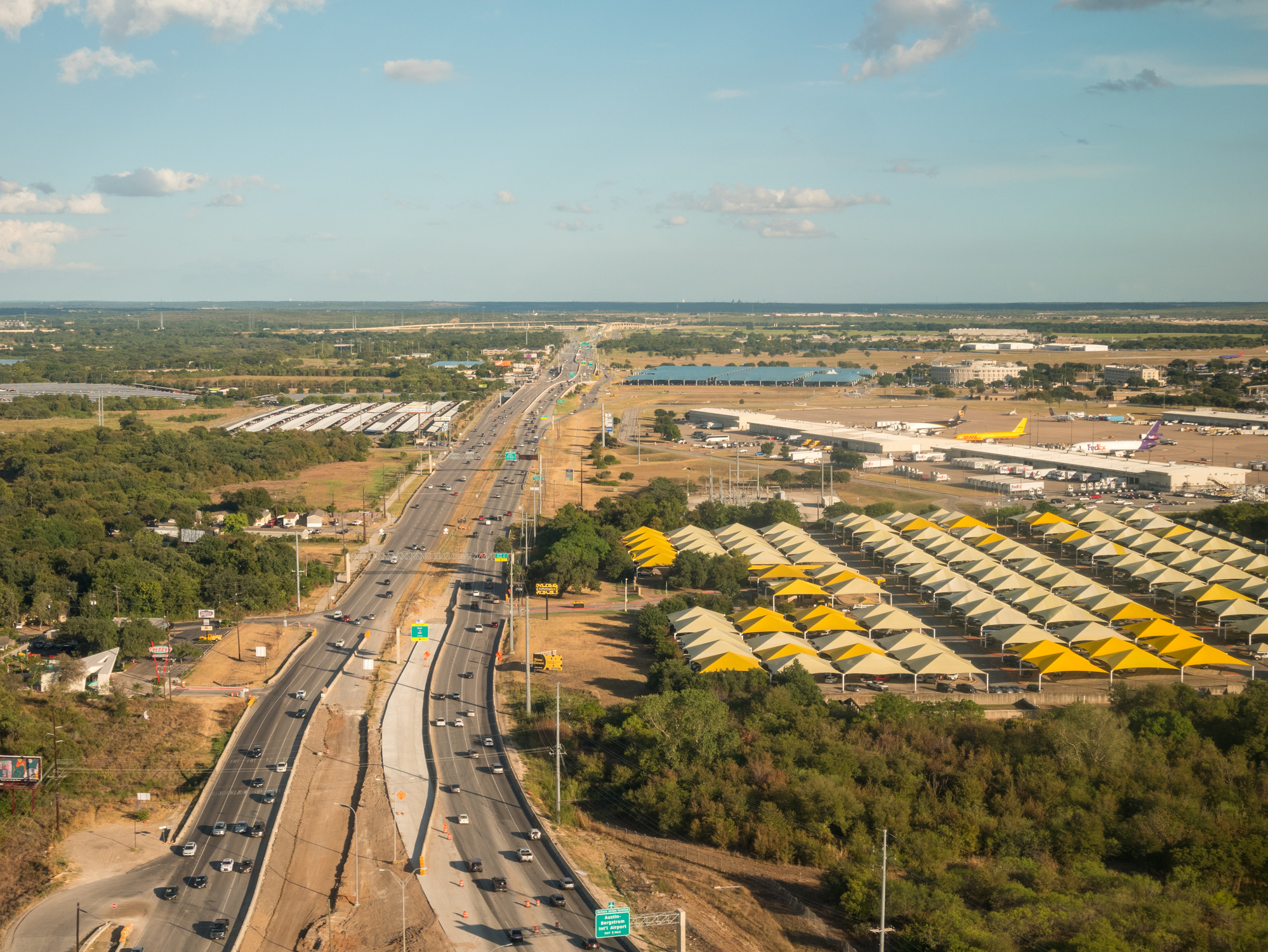
City of Austin ERI
ESE prepared a City of Austin Environmental Resources Inventory (ERI) to fulfill City of Austin requirements and support the project’s planning and development for regional airport parking.
Frequently Asked Questions About State and Federal Agency Consultation Services
What is FEMA Floodplain ESA Compliance?
FEMA Floodplain ESA Compliance is the evaluation of a property or project for floodplain-related environmental risk, federal compliance triggers, and development constraints. It uses Federal Emergency Management Agency (FEMA) Flood Insurance Rate Maps, available flood hazard data, and applicable environmental review requirements. For projects involving federal funding, federal permits, or federally assisted development, floodplain review may be required under Executive Order 11988, which directs federal agencies to avoid adverse impacts associated with floodplain occupancy where practicable. For commercial real estate transactions, a floodplain review may also be performed alongside a Phase I Environmental Site Assessment, ALTA survey review, site planning, lender due diligence, or redevelopment feasibility analysis.
When is FEMA floodplain review needed?
It may be needed when a property or project involves acquisition or refinancing of commercial real estate in or near a mapped FEMA flood zone, or lender due diligence where floodplain status affects collateral risk, insurability, or development value. It also applies to federally funded or federally assisted projects, including infrastructure, housing, disaster recovery, and public-sector development, and to projects requiring environmental review, including NEPA-related documentation or agency consultation. Site development, redevelopment, or expansion in a Special Flood Hazard Area, energy, utility, transportation, and infrastructure projects crossing flood-prone areas, and coordination with municipal, county, or drainage district floodplain permits or local floodplain administrators can also trigger it. Brownfield, remediation, or redevelopment projects where flood risk affects design, construction sequencing, or long-term site controls are another common case.
What are the risks of skipping floodplain due diligence?
Skipping floodplain due diligence can cause deal delays from late-stage lender or agency questions, unexpected floodplain permitting requirements, and development feasibility issues when buildings, utilities, access roads, or detention areas conflict with floodplain constraints. It can also raise project costs through redesign, elevation, drainage, mitigation, or engineering revisions, and delay federal funding or approvals where Executive Order 11988 or FEMA review applies. Lenders and investors may raise insurance and collateral concerns, and projects face regulatory exposure if required floodplain review is missed, along with construction delays from unresolved local floodplain administrator comments.
What does ESE Partners’ floodplain compliance process look like?
ESE Partners starts with a project kickoff and scope review, confirming the property location, transaction timeline, funding source, development plans, and applicable compliance triggers. We screen FEMA floodplain mapping, flood hazard data, site boundaries, and nearby drainage features to determine whether the property intersects a mapped floodplain or floodway, and review ALTA surveys, civil plans, title materials, Phase I ESA findings, local floodplain records, and agency correspondence. Our team assesses whether the project may require federal floodplain review, local floodplain permitting, lender documentation, or additional environmental coordination, then identifies business impacts such as permitting delays, design constraints, insurance considerations, mitigation needs, and development limitations. We prepare a concise, decision-ready memorandum or report suitable for lenders, owners, developers, attorneys, agencies, or internal project teams, and support coordination with local floodplain administrators, engineers, lenders, federal agencies, or environmental review teams when needed.