What Is Wetland Monitoring?
Wetland monitoring is the systematic field documentation (and reporting) used to evaluate wetland conditions over time. It’s most often required to confirm:
- Permit compliance during and after construction
- Mitigation performance (restoration/creation/enhancement/preservation)
- Success criteria attainment (e.g., vegetation, hydrology, soils, invasive control) set by the permit or mitigation instrument
For many projects, monitoring requirements are established under the USACE compensatory mitigation regulations (33 CFR Part 332).
Request Your Wetland Monitoring Services Today
Texas’ most trusted environmental experts – comprehensive by design.
When Is Wetland Monitoring Required?
Wetland monitoring is commonly required when you have any of the following:
- Clean Water Act Section 404 impacts that trigger compensatory mitigation or special conditions
- Nationwide Permit (NWP) or Individual Permit conditions that require post-construction documentation or mitigation compliance (NWPs commonly reference 33 CFR Part 332 for compensatory mitigation requirements)
- Mitigation bank/in-lieu fee requirements (credit releases tied to monitoring milestones)
- Public-sector or funding-driven environmental reviews where wetland impacts and mitigation commitments must be tracked
- Enforcement, consent orders, or voluntary corrective actions where performance must be demonstrated through measurable field results (project-specific)
ESE Partners’ Approach
ESE Partners designs wetland monitoring to be both regulator-ready and business-practical. Our permit-first scoping aligns monitoring parameters and timing with permit conditions and mitigation instrument requirements under 33 CFR Part 332. With Texas field efficiency, our crews can mobilize quickly across Houston, Dallas–Fort Worth, Austin, San Antonio, and statewide project areas. We focus on defensible data rather than noise, using clear photo points, consistent plots or transects, and metrics that directly answer success criteria. ESE also provides early warning and adaptive action support by identifying trends such as hydrology failures, invasive species, or survival shortfalls before they become more expensive to correct. Our communication is clear and decision-oriented, with concise updates for project managers, attorneys, and lenders, plus regulator-facing reporting when needed.
Our Process
- Requirements confirmation (desktop): Review the permit, mitigation plan/instrument, and success criteria; confirm monitoring frequency and deliverables.
- Baseline & monitoring design: Establish photo points, sampling locations, performance metrics, and QA/QC protocols.
- Field monitoring events: Collect vegetation, hydrology indicators, and site condition data consistent with the approved plan.
- Data analysis & compliance check: Compare results to performance standards/success criteria and identify variances.
- Reporting & submittals: Prepare monitoring reports with maps, figures, tables, and conclusions tied to permit conditions.
- Adaptive management support (if needed): Targeted corrective actions (e.g., replanting, invasive control) and documentation to keep the site on a path to success.
Regulatory Framework
Wetland monitoring requirements are typically established through Clean Water Act Section 404 permitting administered by the U.S. Army Corps of Engineers, along with the USACE Compensatory Mitigation Rule under 33 CFR Part 332. For projects authorized under Nationwide Permits, compensatory mitigation requirements are also tied back to 33 CFR Part 332. Monitoring periods for mitigation projects commonly last at least five years, with longer durations often required for wetland resources that mature slowly or have more complex performance standards. In Texas, wetland work may also intersect with TCEQ-regulated authorizations, such as water quality requirements, as well as local floodplain or drainage rules depending on the project context; however, wetland mitigation monitoring is most often driven by federal Section 404 and USACE permit conditions.
Risks of Not Completing Wetland Monitoring
- Permit noncompliance (missed deadlines, incomplete reports, inadequate documentation)
- Credit release delays for mitigation banks/in-lieu fee programs
- Extended monitoring periods or additional corrective work if success criteria aren’t met
- Transaction friction for refinancing, asset sales, or lender scrutiny due to incomplete closeout documentation
More Natural Resources Services

Protected Species and Wildlife
ESE Partners provides a wide range of protected species and other wildlife-related services to our clients. ESE’s seasoned Biologists are permitted to conduct presence/absence surveys for federally endangered species and habitat assessments. We have conducted acoustic monitoring and analysis in multiple states for a wide variety of bat and herpetological species. We provide natural resource assessments and federal and state regulatory consultation services as required by our clients’ projects.

Regulatory and Planning Documentation
ESE is experienced with a variety of reporting and field investigations required under the National Environmental Policy Act (NEPA) including Environmental Assessments and Categorical Exclusions and other similar studies requested by our clients. ESE conducts Critical Issues Analyses and Site Characterization Studies for a variety of clients, but primarily for proposed renewable energy development. ESE is experienced with studies required by municipalities, including but not limited to, Environmental Resource Inventories required by the City of Austin.
Industries We Serve
ESE operates in a wide range of industries, all with unique needs and regulatory obligations. We offer experts who understand the broad complexity of environmental challenges faced by today’s businesses.

Real Estate Brokers & Developers
ESE helps brokers and developers reduce deal friction and avoid surprises through fast, defensible environmental due diligence. We support property evaluations, redevelopment risk screening, and transaction-ready reporting for Texas assets.

Private Equity/Capital Investors
Transaction support for acquisitions and portfolio oversight, including Phase I/II ESAs and risk-based evaluation. We provide clear findings, practical recommendations, and scalable diligence support.

Financial Institutions
ESE supports lender-driven environmental due diligence and portfolio risk management, including Phase I/II ESAs and risk screening. We deliver consistent, defensible reporting aligned with credit and closing timelines.

Attorneys
Technical support for environmental risk, liability evaluation, and regulatory strategy. We provide clear documentation and expert collaboration to support transactions, compliance matters, and remediation planning.
Why ESE Partners
ESE Partners provides Texas-focused wetland monitoring with statewide scalability, supporting projects across major metros, rural markets, and linear corridors. Our comprehensive environmental services extend beyond monitoring to include due diligence, compliance, remediation support, and natural resources, allowing clients to coordinate related project needs through one team. We deliver deal-savvy reporting designed to satisfy regulators while also supporting real estate, development, and infrastructure decision-making. With responsive teams focused on protecting schedules and reducing avoidable monitoring surprises, ESE helps clients keep mitigation obligations on track and defensible.
Need a wetland monitoring scope, schedule, and budget that matches your permit requirements and keeps your project moving?
Request a wetland monitoring proposal from ESE Partners—fast turnaround, Texas field coverage, and regulator-ready reporting.
Our Natural Resource Projects
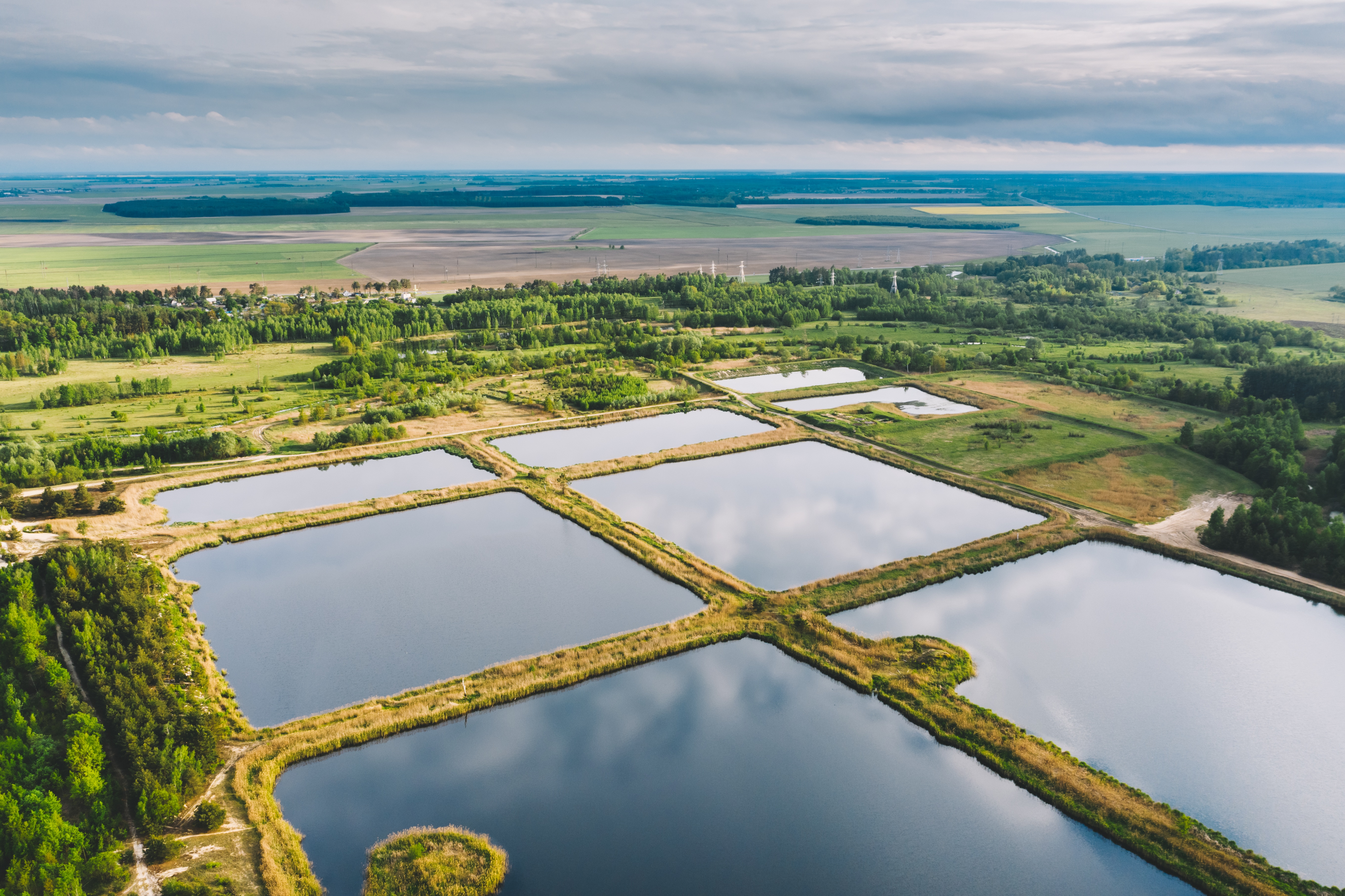
WOTUS Delineation for Proposed Stormwater Detention Improvements
ESE conducted a comprehensive Water Resources Evaluation for an approximately 102-acre tract to support planned stormwater detention improvements and assess potential impacts to Waters of the United States under Section 404 of the Clean Water Act.
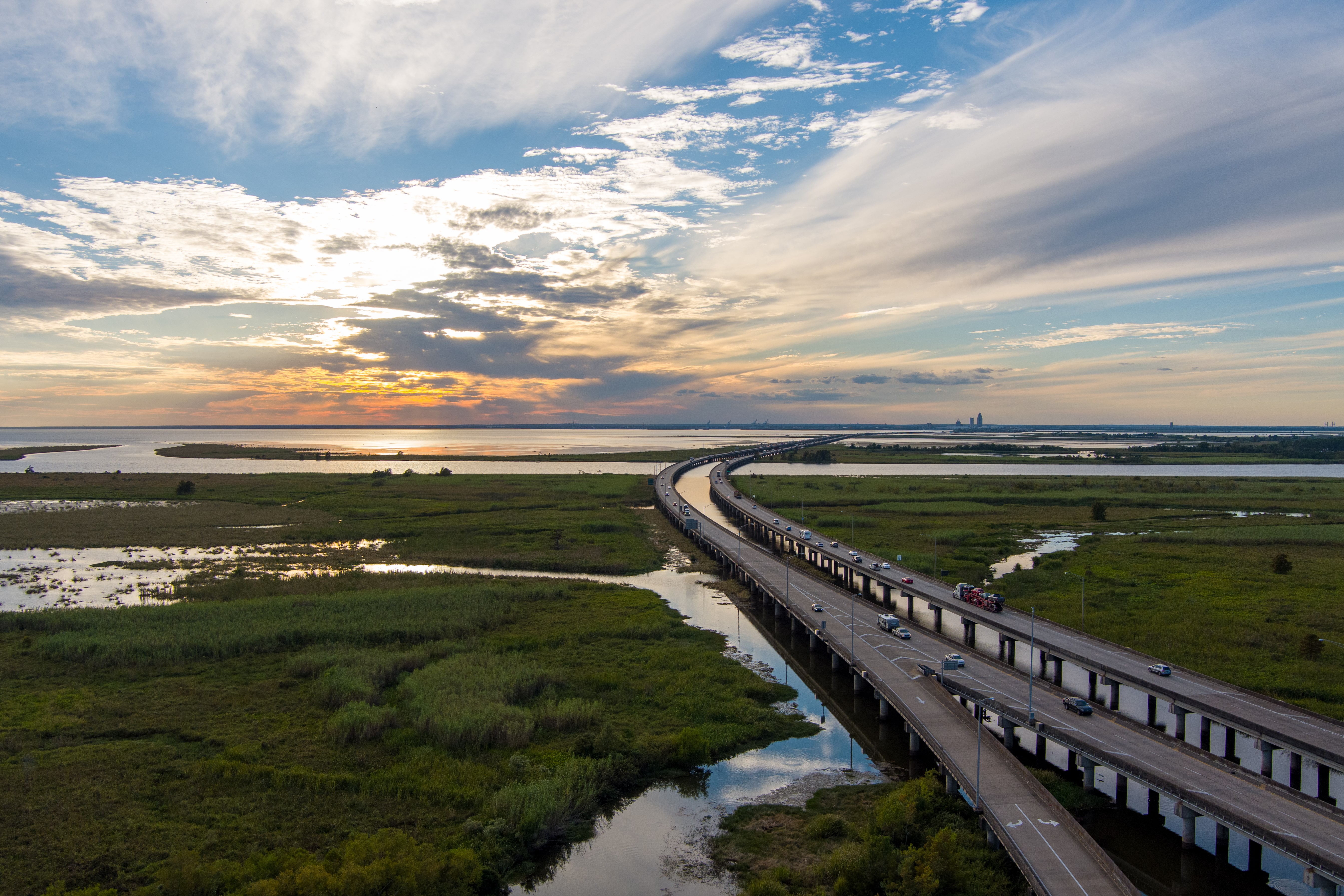
Comprehensive Water Resources Evaluation for Linear Transportation Corridor
ESE conducted a comprehensive Wetland and Waters of the United States evaluation along an approximately 16-mile coastal transportation corridor in South Texas to support ongoing infrastructure planning and regulatory coordination.
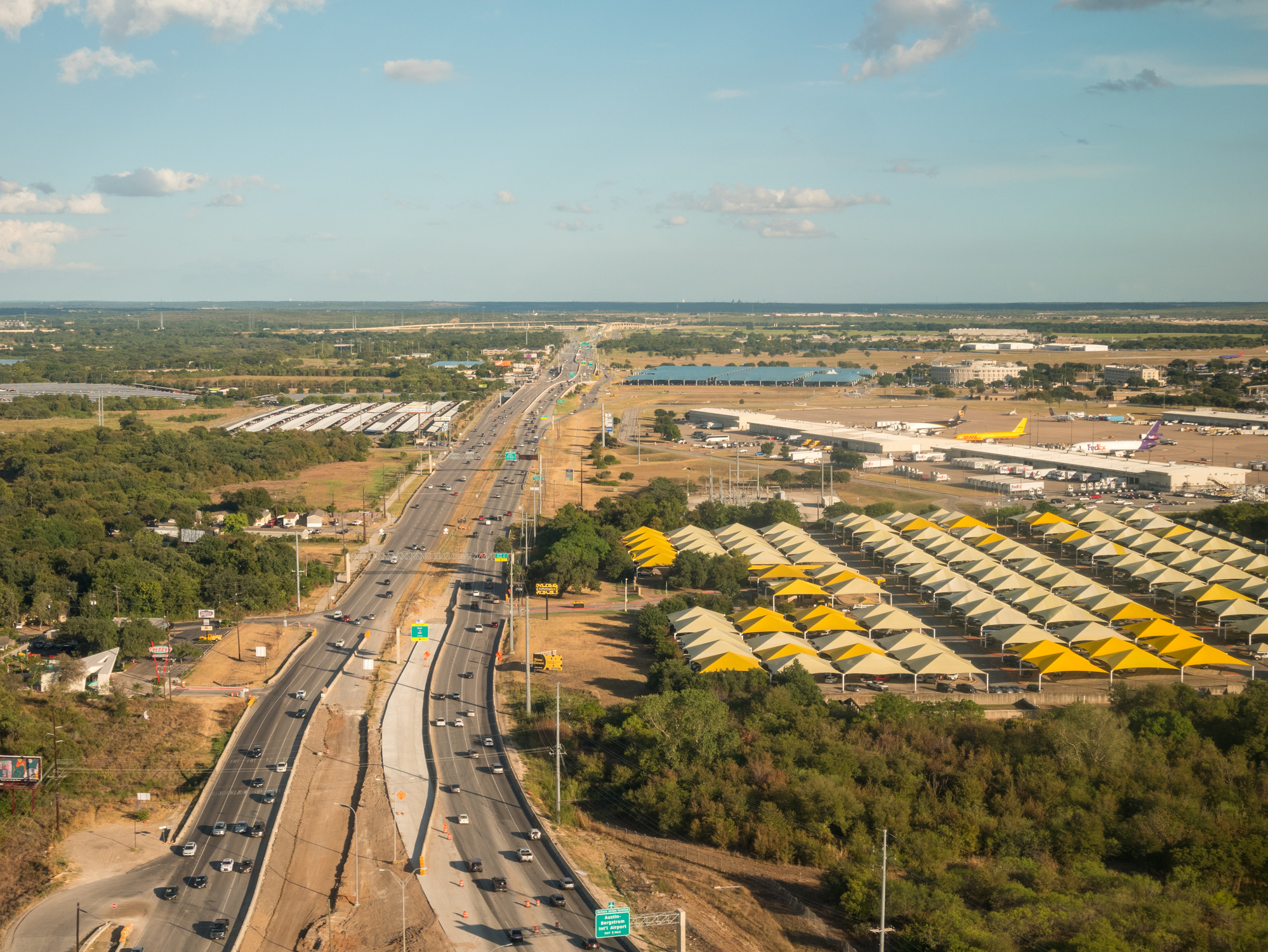
City of Austin ERI
ESE prepared a City of Austin Environmental Resources Inventory (ERI) to fulfill City of Austin requirements and support the project’s planning and development for regional airport parking.
Frequently Asked Questions About Wetland Monitoring
What is wetland monitoring, and what does it confirm?
Wetland monitoring is the systematic field documentation (and reporting) used to evaluate wetland conditions over time. It’s most often required to confirm permit compliance during and after construction, mitigation performance (restoration/creation/enhancement/preservation), and success criteria attainment (e.g., vegetation, hydrology, soils, invasive control) set by the permit or mitigation instrument. For many projects, monitoring requirements are established under the USACE compensatory mitigation regulations (33 CFR Part 332). Done right, wetland monitoring documents compliance, proves mitigation success, and reduces the chance of permit “re-openers,” added mitigation, or enforcement exposure later in the project lifecycle.
When is wetland monitoring required?
Wetland monitoring is commonly required when you have Clean Water Act Section 404 impacts that trigger compensatory mitigation or special conditions, Nationwide Permit (NWP) or Individual Permit conditions that require post-construction documentation or mitigation compliance (NWPs commonly reference 33 CFR Part 332 for compensatory mitigation requirements), mitigation bank/in-lieu fee requirements (credit releases tied to monitoring milestones), public-sector or funding-driven environmental reviews where wetland impacts and mitigation commitments must be tracked, or enforcement, consent orders, or voluntary corrective actions where performance must be demonstrated through measurable field results. Monitoring periods for mitigation projects commonly last at least five years, with longer durations often required for wetland resources that mature slowly or have more complex performance standards.
What are the risks of not completing wetland monitoring?
Not completing wetland monitoring can lead to permit noncompliance (missed deadlines, incomplete reports, inadequate documentation), credit release delays for mitigation banks/in-lieu fee programs, extended monitoring periods or additional corrective work if success criteria aren’t met, and transaction friction for refinancing, asset sales, or lender scrutiny due to incomplete closeout documentation. Wetland monitoring is where deals either stay on track — or get stuck.
What does ESE Partners' wetland monitoring process look like?
ESE Partners designs wetland monitoring to be both regulator-ready and business-practical — with permit-first scoping that aligns monitoring parameters and timing with permit conditions and mitigation instrument requirements under 33 CFR Part 332, a focus on defensible data rather than noise (clear photo points, consistent plots or transects, and metrics that directly answer success criteria), and early warning/adaptive action support that identifies trends such as hydrology failures, invasive species, or survival shortfalls before they become more expensive to correct. The process includes: requirements confirmation (reviewing the permit, mitigation plan/instrument, and success criteria; confirming monitoring frequency and deliverables); baseline and monitoring design (establishing photo points, sampling locations, performance metrics, and QA/QC protocols); field monitoring events (collecting vegetation, hydrology indicators, and site condition data consistent with the approved plan); data analysis and compliance check (comparing results to performance standards/success criteria and identifying variances); reporting and submittals (monitoring reports with maps, figures, tables, and conclusions tied to permit conditions); and adaptive management support if needed (targeted corrective actions such as replanting or invasive control, plus documentation to keep the site on a path to success). Wetland monitoring requirements are typically established through Clean Water Act Section 404 permitting administered by USACE, along with the Compensatory Mitigation Rule under 33 CFR Part 332.